Can You Sneeze in your Sleep?

Key Takeaways
- True sneezing is usually suppressed during sleep, especially in deeper stages.
- Nighttime sneezing often happens around brief awakenings or from nasal irritation.
- Allergies, colds, reflux, dry air, and irritants can make sneezing more likely at night.
- Persistent nighttime symptoms may point to an allergy, sinus issue, or sleep problem that deserves medical review.
- Simple steps such as reducing triggers and improving bedroom air quality can help many people.
- A doctor should evaluate breathing trouble, frequent awakenings, fever, facial pain, or symptoms that keep returning.
Can you sneeze in your sleep? In most cases, the answer is no, because the brain changes during sleep make the sneeze reflex much less likely to trigger. If sneezing seems to happen at night, it is often related to partial awakening, nasal irritation, allergies, or another sleep disruption rather than true deep sleep sneezing.
Overview
Can you sneeze in your sleep? Usually, not in the way people imagine. A sneeze is a protective reflex that depends on the brain, nerves, and airway all firing together, and those signals are dampened during sleep. In practical terms, sneezing is far less likely once a person is fully asleep.
That said, a person may still seem to sneeze at night. Sometimes the sneeze happens during a light sleep stage or during a brief half-awake moment, and sometimes the sound is actually a snort, cough, or airway reaction rather than a true sneeze. For international patients traveling to a different climate, hotel environment, or pollen season, nighttime sneezing can be especially noticeable because the usual surroundings and routines have changed.
Understanding the difference matters because the issue is not usually the sleep itself. More often, something is irritating the nose or airway, or the person is waking enough for the reflex to return. In that sense, nighttime sneezing is a clue to look for triggers rather than a diagnosis on its own.
Why the Sneeze Reflex Changes During Sleep
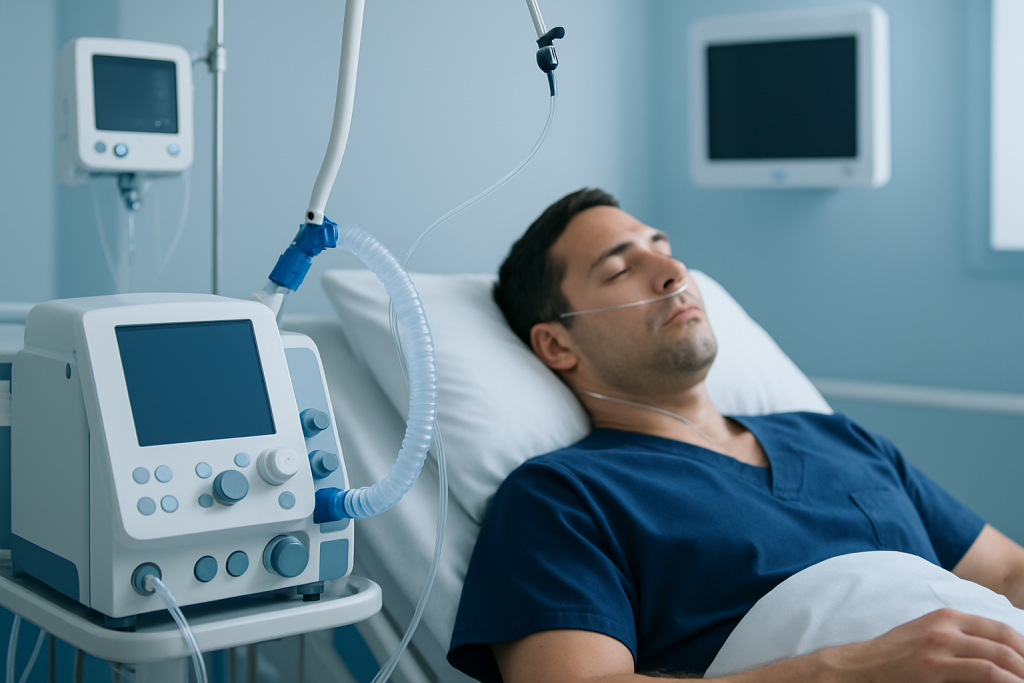
Sneezing begins when the lining of the nose detects irritation, such as dust, pollen, mucus, smoke, or strong odors. Signals then travel through the nervous system to a part of the brain that coordinates the response. During sleep, that communication becomes less responsive, which is one reason the reflex usually quiets down.
Sleep is not a single uniform state. Light sleep, deep sleep, and REM sleep all affect the body differently, and brief arousals can happen without a person fully realizing it. If the nose is irritated enough, a sneeze may occur during one of those lighter moments, which can make it seem as if the person sneezed “in their sleep.”
This is also why many people notice that they can still cough, shift, or wake from discomfort even though other reflexes are reduced. The body remains protective during sleep, but it prioritizes rest and filters out many signals that would normally trigger responses while awake.
Common Symptoms and Nighttime Clues

Nighttime sneezing rarely appears alone. People often notice a blocked nose, runny nose, itchy eyes, postnasal drip, throat clearing, or a dry mouth from breathing through the mouth. Some wake up with congestion that feels worse than it did during the day because mucus can pool when lying flat.
It can be helpful to notice the pattern. Sneezing that starts after going to bed may point toward bedroom triggers such as dust mites, pet dander, mold, scented sprays, or dry air. Symptoms that appear mainly in one season may suggest allergic rhinitis, while symptoms that come with a sore throat, fever, or body aches may fit a viral infection.
Other clues include whether the person snores, wakes gasping, has heartburn at night, or feels sleepy the next day. Those features do not mean sneezing is dangerous, but they can show that more than one issue is affecting sleep quality.
Causes and Risk Factors
The most common reason for sneezing at night is irritation of the nasal passages. Allergies are a leading cause, especially allergies to dust mites, pet hair, pollen brought indoors on clothing, or mold in damp rooms. Dry indoor air can also make the nose more sensitive and increase the urge to sneeze.
Infections are another possibility. Colds and sinus infections can bring congestion, mucus, and repeated sneezing, and symptoms often feel more noticeable when lying down. Some people also sneeze because of nonallergic rhinitis, which means the nose reacts to temperature shifts, perfumes, cleaning products, smoke, or spicy foods without a true allergy.
Risk is higher when there are known triggers in the home or sleep environment. Common contributors include:
- Dust accumulation in bedding, curtains, or carpets
- Pets sleeping near the bed
- Low humidity or heated indoor air
- Smoking or secondhand smoke exposure
- Seasonal pollen exposure before bedtime
- Gastroesophageal reflux, which can irritate the throat and upper airway
In some cases, a person may not be “sneezing in sleep” at all, but waking repeatedly because of nasal obstruction or another sleep-related issue. That is why the full pattern over several nights is more useful than a single episode.
Diagnosis: What Doctors Look For
If nighttime sneezing is frequent, a doctor usually begins with a conversation about timing, triggers, environment, and associated symptoms. The history often reveals whether the problem is more likely an allergy, a cold, sinus irritation, or something related to breathing during sleep.
A physical examination may focus on the nose, throat, ears, and lungs. In some cases, allergy testing may be recommended if symptoms strongly suggest allergic rhinitis and the pattern keeps returning. If sinus symptoms are persistent or severe, imaging or additional ENT evaluation may be useful.
When sleep is part of the concern, the clinician may ask about snoring, choking, pauses in breathing, daytime fatigue, or morning headaches. Those questions help distinguish simple nighttime nasal irritation from sleep-disordered breathing, which may need a different treatment plan. For patients traveling from abroad, bringing prior records, allergy lists, and a short symptom diary can make the assessment more efficient.
Treatment Options
Treatment depends on what is driving the symptoms. For allergy-related sneezing, the focus is usually on reducing exposure to triggers and calming nasal inflammation. For colds or short-term viral irritation, comfort measures and time are often enough, since many respiratory infections improve on their own.
If allergies are suspected, a doctor may suggest general approaches such as saline nasal rinses, avoiding known irritants, or using allergy-directed medicines. If the nose is very congested or there is chronic sinus inflammation, more targeted evaluation may be needed. The goal is not just to stop a sneeze, but to make breathing easier and protect sleep quality.
When symptoms are tied to reflux, smoke exposure, or an environmental irritant, treating the underlying trigger matters most. In some situations, a specialist may recommend evaluation by an ENT clinician, an allergist, or a sleep specialist, especially if the person has ongoing congestion, snoring, or repeated awakenings.
Prevention and Self-care
Many people can reduce nighttime sneezing by making the bedroom less irritating to the nose. Simple steps often help: wash bedding regularly, reduce dust buildup, keep pets out of the sleeping area if possible, and consider a humidifier if the air is very dry. It is also sensible to avoid strong sprays, incense, and smoke near bedtime.
Rinsing the nose with saline can help clear irritants and loosen mucus for some people. Staying hydrated and treating seasonal allergies consistently, rather than only on bad days, may also reduce nighttime symptoms. If pollen is a problem, showering before bed and changing clothes after coming indoors can limit exposure.
For people who travel, prevention may need a few extra adjustments. Hotel rooms, new climates, and different bedding materials can change the nose’s response, so bringing familiar allergy medicine if already prescribed, checking room ventilation, and noting whether symptoms improve away from home can be very useful.
When to See a Doctor
Occasional nighttime sneezing is usually not an emergency, but it is worth medical attention if it becomes frequent, disrupts sleep, or keeps returning without a clear reason. A doctor should also be consulted if sneezing is accompanied by thick discolored mucus, facial pain, fever, wheezing, shortness of breath, or ear pressure.
Medical review is especially important when sleep itself seems affected. Loud snoring, breathing pauses, repeated awakenings, or significant daytime sleepiness may suggest a sleep-related breathing disorder that needs proper assessment. Persistent nasal blockage on one side, nosebleeds, or symptoms that last beyond a typical cold also deserve evaluation.
For people planning care across borders, a coordinated assessment can be helpful because nighttime nasal symptoms sometimes overlap with ENT issues, allergies, and sleep disorders. Acibadem Health Point’s multidisciplinary specialists and JCI-accredited hospitals can evaluate and treat these conditions for international patients in a structured, follow-up-aware setting.
A Practical Bottom Line
So, can you sneeze in your sleep? In most cases, true sneezing is uncommon during deep sleep because the reflex is suppressed. When it does seem to happen, it is usually linked to light sleep, a brief awakening, or a trigger irritating the nose.
The most useful next step is to look for the pattern: when it happens, what the room is like, whether there are allergy or cold symptoms, and whether sleep is being disturbed. That pattern often points to a manageable cause and helps a clinician choose the right evaluation if the problem continues.
Frequently asked questions
01Can you sneeze in your sleep if you have allergies?
Allergies can make sneezing more likely overall, but true sneezing is still less common during deep sleep. If symptoms are strong enough, a person may sneeze during a light sleep stage or wake briefly and then sneeze.
02Why do I wake up sneezing in the morning?
Morning sneezing often points to an irritant in the bedroom, such as dust mites, dry air, pet dander, or mold. It can also happen when mucus builds up overnight and the nose becomes more sensitive after waking.
03Is sneezing at night a sign of sleep apnea?
Not usually on its own. However, if sneezing comes with loud snoring, choking, pauses in breathing, or daytime sleepiness, a doctor may want to assess for a sleep-related breathing problem.
04What can help reduce sneezing before bed?
Keeping the bedroom free of dust and irritants, using saline nasal rinses, and avoiding smoke or strong fragrances may help. If allergies are involved, consistent treatment and trigger control are often more effective than treating symptoms only after they start.
05When should nighttime sneezing be checked by a doctor?
It should be checked if it is frequent, lasts for weeks, or comes with fever, facial pain, breathing trouble, or major sleep disruption. A clinician can help determine whether the cause is an allergy, infection, sinus issue, or something else.
This article is for general information only and is not a substitute for professional medical advice. Please consult a qualified doctor about your individual situation.
Explore treatments in Turkey — costs, top hospitals & a free quote
JCI-accredited · board-certified surgeons · reply within 24h
Add us as a Preferred Source to see more of our trusted health content across Google Search, AI Overviews and Discover.