Can You Get a Kidney Transplant With Diabetes or High Blood Pressure?

Key Takeaways
- Diabetes or high blood pressure does not automatically rule out kidney transplant.
- Doctors look closely at heart health, blood vessel health, blood sugar control, and overall fitness before listing a patient.
- After transplant, ongoing control of diabetes and blood pressure helps protect the new kidney.
- Medication plans may change after surgery because anti-rejection drugs can affect blood sugar and blood pressure.
- Patients traveling for transplant should plan for follow-up care, lab checks, and medication access after returning home.
A kidney transplant is often possible for people with diabetes or high blood pressure, but careful evaluation is essential because these conditions can affect surgical risk and long-term kidney health. With good planning, blood pressure and blood sugar control, and close follow-up, many patients can still be strong transplant candidates.
Overview
For many people living with kidney failure, a transplant offers the chance to move away from dialysis and into a different rhythm of care. When diabetes or high blood pressure is part of the medical picture, the question is not usually “Is transplant impossible?” but rather “How can the transplant team reduce risk and prepare carefully?”
In most cases, diabetes or hypertension is not an automatic barrier to kidney transplantation. Instead, these conditions become part of the evaluation, because they can influence the heart, blood vessels, eyes, nerves, and the future health of the transplanted kidney. The transplant team looks at the whole person, not only the kidney disease.
This is especially important for international patients, who may be considering surgery in another country and then returning home for ongoing care. A good transplant plan needs to cover the operation, the recovery period, medication access, and the follow-up tests that keep the new kidney functioning well.
Symptoms and How These Conditions Affect Kidney Disease

Diabetes and high blood pressure often damage the kidneys slowly over time. Many people do not feel a clear warning sign at first, which is why kidney disease can advance quietly until lab tests show reduced kidney function.
When kidney disease becomes advanced, symptoms may include fatigue, swelling in the legs or around the eyes, changes in urination, poor appetite, nausea, itching, and trouble concentrating. These symptoms come from kidney failure itself, but the underlying conditions can also affect the heart and circulation, which matters when planning surgery.
People with diabetes may also have changes in vision, nerve health, or wound healing. People with hypertension may have additional cardiovascular strain. The transplant team considers these issues because successful transplant care depends on more than replacing the kidney; it also depends on whether the rest of the body can support healing and long-term treatment.
Causes & Risk Factors
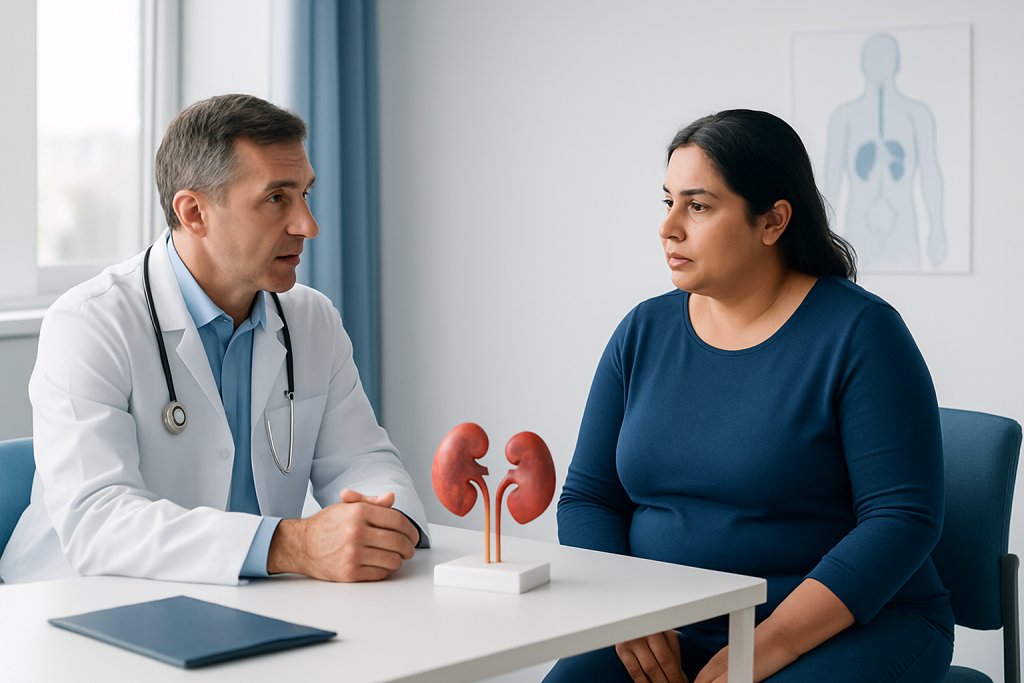
Diabetes and high blood pressure are among the most common causes of chronic kidney disease and end-stage kidney failure. Over time, high blood sugar can damage the tiny filtering units in the kidneys, while elevated blood pressure can injure blood vessels and reduce kidney function.
Risk increases when diabetes has been present for many years, when blood pressure is difficult to control, or when other conditions are also present, such as obesity, smoking, heart disease, high cholesterol, or vascular disease. Family history and age can also influence overall risk.
For transplant candidacy, the main concern is not the diagnosis alone but whether these conditions have caused complications that may affect surgery or recovery. A person with well-managed diabetes or controlled blood pressure may be a good candidate, while someone with severe heart or blood vessel disease may need more testing or treatment first.
Diagnosis and Transplant Evaluation
The transplant evaluation is usually thorough, and for good reason. The team needs to understand whether the patient can safely undergo surgery and manage the lifelong medications that follow. This assessment is often more detailed for people with diabetes or hypertension because the heart and blood vessels need close attention.
Typical testing may include blood work, urine tests, heart studies such as an ECG or echocardiogram, imaging of the blood vessels, cancer screening appropriate for age, and an assessment of glucose and blood pressure control. Some patients also need an eye exam, foot exam, or vascular consultation if diabetes has been longstanding.
Doctors also review medication use, past hospitalizations, infection history, and whether the patient has reliable support for recovery. For international patients, the team may also discuss how to coordinate prescriptions, laboratory checks, and remote follow-up once the patient is back home.
Treatment Options and What the Transplant Team Considers
If a transplant is appropriate, the operation itself follows the same basic surgical principles as for other candidates. What changes is the planning around medical conditions that may affect healing and long-term graft survival. The aim is to give the new kidney the best possible environment from the start.
Blood sugar and blood pressure are usually managed carefully before and after surgery. Anti-rejection medicines can sometimes raise blood sugar or blood pressure, so the treatment plan often needs adjustment. The transplant team may work closely with endocrinologists, nephrologists, cardiologists, and dietitians to keep these issues balanced.
Sometimes a patient is asked to improve control before being listed, especially if blood pressure is dangerously high or diabetes is very unstable. This does not mean rejection from transplant care; it usually means the team wants to lower the chance of complications and protect the new kidney.
- Review and stabilization of blood sugar
- Optimization of blood pressure and heart health
- Careful selection of immunosuppressive medicines
- Infection prevention and vaccination review
- Long-term monitoring of kidney function, glucose, and blood pressure
Prevention & Self-care Before and After Transplant
Self-care matters both before and after surgery. In the months leading up to transplant, patients are often encouraged to take medications consistently, attend all appointments, and keep blood sugar and blood pressure as steady as possible. Small changes can make a real difference when a transplant opportunity arrives.
After transplant, the new kidney needs protection every day. That usually means taking anti-rejection medicines exactly as prescribed, watching for changes in blood pressure or blood sugar, staying hydrated as directed, avoiding tobacco, and following dietary guidance from the transplant team. Because some medications can interact with common drugs or supplements, patients should check before starting anything new.
Traveling patients should also plan for practical details: carrying a medication list, knowing where to obtain refills, and understanding which symptoms require urgent care. Good transplant recovery is not only about the surgery itself; it is also about the routine that follows once the patient has returned to daily life.
When to See a Doctor
A doctor or transplant specialist should be consulted if kidney function is declining, dialysis has begun or is being considered, or if a patient with diabetes or high blood pressure wants to know whether transplant evaluation is appropriate. Early referral can create more options and give time to improve cardiovascular and metabolic control.
After transplant, medical attention is needed for fever, reduced urine output, swelling, sudden weight gain, severe high blood pressure, high blood sugar that is hard to control, chest pain, shortness of breath, or signs of infection. These symptoms do not always mean a serious problem, but they deserve prompt assessment.
For people traveling for care, it is especially important to establish a clear follow-up plan before leaving the transplant center. Acibadem Health Point’s multidisciplinary specialists and JCI-accredited hospitals diagnose and treat kidney transplant candidates for international patients, while helping them plan the next steps in recovery and follow-up care.
Living With the New Kidney Long Term
Long-term success depends on consistency. The healthiest transplant outcomes usually come from regular checkups, medication adherence, and ongoing control of diabetes and blood pressure. Patients who have had kidney disease for a long time often need support adjusting to the idea that the transplant is a new beginning, but not a cure for every underlying condition.
Many people continue to see a nephrologist, endocrinologist, or primary care physician after transplant. That coordinated care helps watch for medication side effects, protect heart health, and preserve kidney function. The focus shifts from dialysis schedules to a steady maintenance plan that is easier to live with but still medically important.
Questions are common, especially for patients who received treatment abroad. The most important habit is to stay in communication with the transplant team and to seek help early when something changes, rather than waiting for symptoms to become severe.
Frequently asked questions
01Can someone with diabetes get a kidney transplant?
Yes, many people with diabetes can receive a kidney transplant. The transplant team will look closely at overall health, especially heart disease, blood vessel health, and how well blood sugar is controlled.
02Does high blood pressure prevent kidney transplant surgery?
Not usually. High blood pressure must be evaluated and controlled, but it does not automatically disqualify a person from transplant.
03Why do doctors care so much about the heart before transplant?
Diabetes and hypertension can both affect the heart and arteries. Because transplant surgery is a major operation, doctors want to make sure the heart can safely handle it and the recovery period.
04Can anti-rejection medicines affect diabetes or blood pressure?
Yes. Some immunosuppressive medicines can raise blood sugar or blood pressure, so the treatment plan often needs adjustment after surgery. Regular monitoring helps the team respond early.
05What if a patient lives in another country after the transplant?
The patient should leave with a clear follow-up plan, medication instructions, and a way to obtain lab tests and refills. Ongoing coordination with the transplant center is important for safety and long-term kidney health.
06Is transplant better than dialysis for people with diabetes or hypertension?
For many patients, transplant can offer better quality of life and kidney function than dialysis, but the decision depends on individual health factors. The transplant team can explain the benefits and risks in the context of the person’s medical history.
This article is for general information only and is not a substitute for professional medical advice. Please consult a qualified doctor about your individual situation.
Get these values checked properly — full body check-up in Turkey
JCI-accredited · board-certified surgeons · reply within 24h
Add us as a Preferred Source to see more of our trusted health content across Google Search, AI Overviews and Discover.