HLA Matching in Kidney Transplant: Why It Matters Beyond Blood Type

Key Takeaways
- Blood type is only the first compatibility step; HLA matching adds a deeper level of donor-recipient assessment.
- A closer HLA match may lower the chance of rejection, but many patients still do well with less-than-perfect matches.
- Other factors, including antibodies, kidney quality, waiting time, and urgency, also shape transplant decisions.
- Crossmatch and antibody testing are important because they help identify immune risks that HLA typing alone cannot show.
- A transplant team can explain how HLA results affect a specific case, especially when evaluation or follow-up happens across borders.
HLA matching is one of the key ways transplant teams assess how well a donated kidney may fit a recipient. It matters because matching goes beyond blood type and can influence rejection risk, immunosuppression planning, and long-term transplant success.
Overview
In kidney transplantation, blood type is only the opening question. After that, the transplant team looks more closely at the tissue markers on the donor kidney and the recipient’s immune system, because these factors help predict how the body may respond after surgery. One of the most important of these markers is HLA, short for human leukocyte antigen.
HLA proteins sit on the surface of many cells and act like identity tags for the immune system. When a donor kidney has HLA patterns that are closer to the recipient’s, the immune system may be less likely to see the organ as foreign. That does not mean a transplant can only succeed with a perfect match, but it does mean HLA matching can be part of a safer, more informed plan.
For people considering kidney transplant care, especially those traveling for treatment or comparing centers in different countries, HLA matching is one of the details that deserves clear explanation. It helps the team decide not only whether a kidney can be transplanted, but also how to prepare for immunosuppression, monitoring, and long-term follow-up.
Symptoms
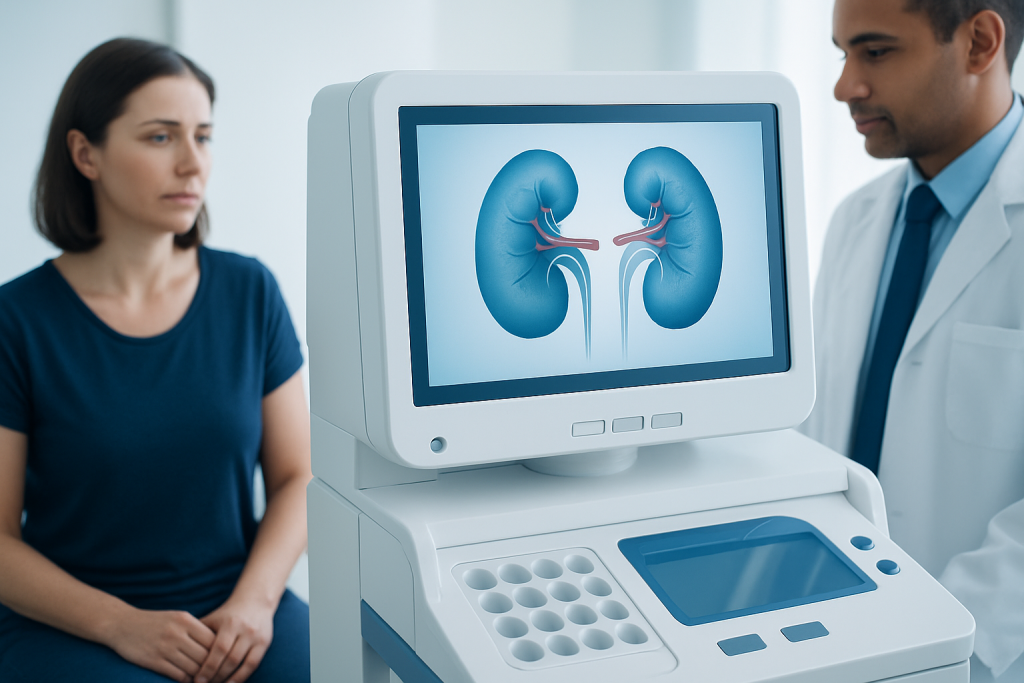
HLA matching itself does not cause symptoms. It is a laboratory and compatibility concept used during the transplant evaluation process, not a condition a patient feels directly.
What patients may notice are the effects of the kidney disease that led to transplant evaluation. These can include swelling, fatigue, changes in urination, nausea, appetite loss, high blood pressure, or lab results showing poor kidney function. The transplant workup then adds compatibility testing so the team can understand whether a donor kidney is likely to be accepted well by the immune system.
After transplant, symptoms become important again because they may signal rejection, infection, dehydration, or medication side effects. New swelling, reduced urine output, fever, pain near the transplant area, or a general sense of being unwell should be reported promptly to the transplant team.
Causes & Risk Factors

HLA differences are natural and inherited. Every person has a unique set of HLA markers, and because those markers vary widely, finding a close match can be challenging outside of certain donor-recipient pairs, such as siblings or other biologically related relatives.
The main reason HLA matching matters is that the immune system is designed to recognize what belongs in the body and what does not. If the donor kidney’s HLA markers differ too much from the recipient’s, the immune system may react more strongly, which can raise the risk of rejection. Modern anti-rejection medicines have made transplantation possible for many people with imperfect HLA matches, but HLA compatibility still adds useful information.
- Prior blood transfusions
- Previous pregnancies
- Past transplants
- Exposure to foreign tissue antigens over time
These experiences can lead to the development of antibodies, which may make matching more complex. The team looks at the whole immune picture, not HLA results alone, when deciding whether a donor kidney is suitable.
Diagnosis
“Diagnosis” in this setting means testing and evaluation rather than diagnosing a disease. Before a kidney transplant, the patient and potential donor undergo blood tests that determine ABO blood type, HLA types, and whether the recipient has antibodies that might attack the donor kidney. This is usually paired with a crossmatch test, which checks whether the recipient’s blood reacts against donor cells.
HLA typing identifies specific markers, often discussed as HLA-A, HLA-B, and HLA-DR among the most relevant for kidney transplant matching. The exact reporting style may vary by laboratory and transplant center, but the goal is the same: to estimate how closely the donor and recipient fit from an immune standpoint.
These results are interpreted alongside age, kidney function, medical history, dialysis status, urgency, and the likely benefit of transplant. A patient can still be an excellent candidate even if the HLA match is not ideal, especially when the broader medical picture supports transplantation.
Treatment Options
There is no treatment to change a person’s inherited HLA type. Instead, transplant teams use the results to guide the overall transplant strategy. That may include choosing the best available donor, adjusting immunosuppression after surgery, and planning closer monitoring if the immune risk is higher.
When a deceased-donor kidney becomes available, time-sensitive decisions are often needed. The team balances HLA compatibility with other factors such as blood type, waiting time, antibody levels, and how urgently the patient needs a transplant. In living-donor transplantation, there is often more time to study compatibility and explore paired donation or other matching options when needed.
After transplant, medicines that suppress the immune response are central to protecting the new kidney. Patients may hear that a closer HLA match can sometimes allow a smoother long-term course, but every regimen is individualized. The goal is not simply to “match more,” but to give the patient the best available kidney with the safest possible immune plan.
Prevention & Self-care
Patients cannot prevent HLA differences, but they can take steps that support transplant success and reduce immune stress on the new kidney. Following the medication schedule exactly as prescribed is one of the most important parts of self-care, because skipped or delayed immunosuppressants can increase rejection risk even when the HLA match is favorable.
Practical self-care also includes keeping all follow-up visits, monitoring blood pressure, staying well hydrated if advised by the team, and promptly reporting signs of infection or rejection. For patients returning home after transplant surgery, it helps to leave with a clear written plan that explains medication timing, lab checks, emergency contacts, and which symptoms require urgent attention.
- Take anti-rejection medicines consistently and never stop them without medical advice
- Keep laboratory and clinic appointments, including while traveling
- Follow food and infection-prevention guidance from the transplant team
- Share all new medicines and supplements with the transplant doctor
- Use reliable communication channels for follow-up if care continues across countries
Patients often find it easier to stay on track when one clinician or coordinator helps organize records, lab results, and medication changes, especially after an international treatment journey.
When to See a Doctor
Anyone being evaluated for kidney transplant should ask the transplant team how blood type, HLA matching, antibody testing, and crossmatch results affect their specific case. The details matter because the same HLA result can have different meaning depending on the patient’s history and the donor available.
After transplant, medical advice should be sought quickly for fever, reduced urine output, shortness of breath, new swelling, pain over the transplant site, vomiting that prevents medication use, or any sudden change in how the patient feels. These symptoms do not always mean rejection, but they should not be ignored.
Patients planning transplant care abroad may also benefit from asking in advance how laboratory follow-up, prescription refills, and emergency review will work once they return home. Acibadem Health Point’s multidisciplinary specialists and JCI-accredited hospitals diagnose and treat kidney transplant candidates and recipients for international patients, helping coordinate that process with clarity and continuity.
Living With the Result: What HLA Matching Means Day to Day
For most patients, the practical meaning of HLA matching is not a number on a report; it is the level of confidence the transplant team has in the immunologic fit of the kidney. A better match may be reassuring, but a less-than-perfect match does not automatically prevent a successful transplant. Modern kidney transplantation has become highly individualized, and many recipients live for years with well-functioning grafts.
Because HLA matching is only one part of the picture, patients should expect the team to combine it with antibody testing, crossmatch results, and the broader clinical story. This is especially important for those with prior transplants, transfusions, or pregnancies, since these experiences can alter the immune response.
In a transplant journey that crosses borders, clear documentation matters. Patients benefit from keeping copies of HLA reports, pathology findings, medication lists, and discharge instructions so the home-country doctor can continue care without gaps. That continuity often matters as much as the original match itself.
Frequently asked questions
01Why is HLA matching important if the blood type already matches?
Blood type compatibility is necessary, but it does not tell the whole story. HLA matching looks more closely at how the immune system may react to the donated kidney, which can affect rejection risk and long-term outcomes.
02Can a kidney transplant succeed with a poor HLA match?
Yes. Many kidney transplants succeed even when the HLA match is not ideal, especially because modern immunosuppressive medicines help protect the graft. The transplant team considers the full immune profile, not HLA alone.
03What is the difference between HLA typing and a crossmatch test?
HLA typing identifies the tissue markers on donor and recipient cells. A crossmatch test checks whether the recipient’s blood has antibodies that react directly against the donor, which is a more immediate sign of immune incompatibility.
04Does a better HLA match mean fewer anti-rejection medicines?
Not automatically. Immunosuppressive therapy is tailored to the patient’s overall risk, kidney function, and transplant history. Even with a good match, anti-rejection medicines are usually still required.
05Who is more likely to have a closer HLA match?
Biologically related living donors, especially siblings, may be more likely to share HLA markers. Still, unrelated donors and deceased donors can also provide successful transplants when the overall compatibility is acceptable.
06What should an international patient ask about HLA results before travel or surgery?
It helps to ask how the HLA result affects donor selection, rejection risk, medication planning, and follow-up after returning home. Patients should also ask how records and lab monitoring will be shared with their local doctor.
This article is for general information only and is not a substitute for professional medical advice. Please consult a qualified doctor about your individual situation.
Get these values checked properly — full body check-up in Turkey
JCI-accredited · board-certified surgeons · reply within 24h
Add us as a Preferred Source to see more of our trusted health content across Google Search, AI Overviews and Discover.