Can You Contract STDs With a Condom?
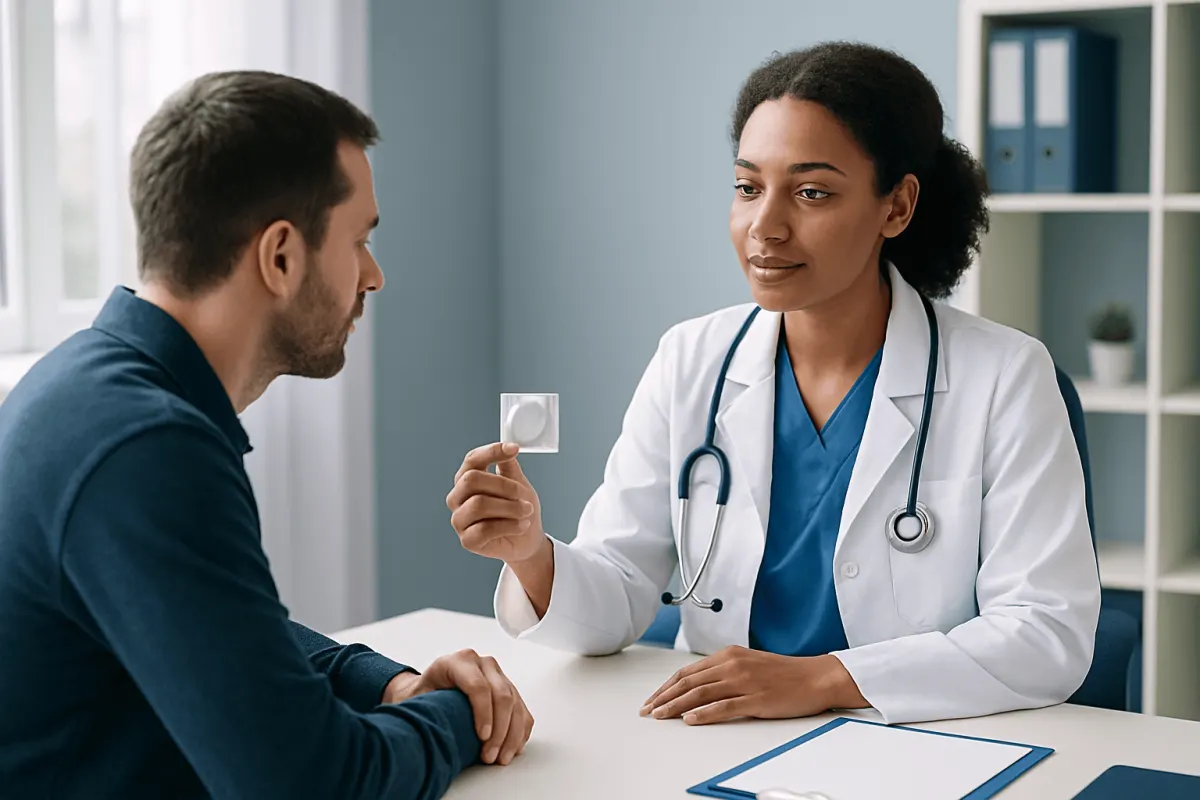
Condoms greatly reduce the chance of sexually transmitted infections (STIs), but they do not remove the risk completely. Understanding what condoms protect against, when testing is useful, and which symptoms need medical attention can support safer, more confident sexual health decisions.
Can You Contract STDs With a Condom?
Yes, a person can contract STDs with a condom, although the risk is usually much lower when a condom is used correctly and consistently. Condoms create a barrier that reduces contact with semen, vaginal fluids, blood, and mucosal surfaces, which helps prevent many sexually transmitted infections (STIs). They are also an effective method of pregnancy prevention when used properly.
For many people, a single encounter involving an intact condom and no concerning symptoms is not an emergency. However, condoms do not cover all genital skin, and some infections spread through direct skin-to-skin contact. The risk may also be higher if the condom broke, slipped off, was used only partway through sex, or if there was contact with an active sore or rash.
It is helpful to remember that many STIs have no noticeable symptoms. If there has been a possible exposure, a clinician can explain whether testing is recommended, which tests are useful, and when they should be done. Testing is a routine part of sexual healthcare and is intended to provide clarity rather than judgment.
How Condoms Reduce STI Transmission
External condoms, often called male condoms, are typically made of latex, polyurethane, or polyisoprene. When used from before genital contact until sex is finished, they limit the exchange of body fluids and reduce direct contact between the penis and the vagina, anus, or mouth. Internal condoms provide a barrier inside the vagina or anus and can also reduce STI risk when used correctly.
Condoms are particularly helpful for reducing transmission of infections that are commonly spread through fluids or mucosal contact. These include HIV, gonorrhea, chlamydia, trichomoniasis, and hepatitis B. Their protection is strongest when a new condom is used for every act of vaginal or anal sex and when it remains intact throughout the encounter.
Correct use matters. A condom should be put on before any genital-to-genital contact, rolled down fully, and held at the base during withdrawal. Oil-based lubricants, such as petroleum jelly or body oils, can damage latex condoms; water-based or silicone-based lubricants are generally compatible with latex and may reduce friction and breakage. A condom should never be reused, and using two external condoms at once can increase friction and make breakage more likely.
- Check the expiration date and package for damage before use.
- Use one condom at a time and use a new one for each sex act.
- Use suitable lubricant to lower friction, especially during anal sex.
- Consider regular STI screening when having new or multiple partners.
Why STI Risk Is Not Zero With a Condom
Some STIs can be transmitted through skin-to-skin contact involving areas not covered by a condom. Human papillomavirus (HPV), genital herpes, and syphilis can spread when infectious skin, a sore, or a rash touches another person’s skin or mucous membranes. A condom still offers some protection because it covers part of the genital area, but it cannot cover every potentially affected area.
Condom-related problems can also reduce protection. These include a condom breaking or slipping, using it after genital contact has already occurred, incorrect storage in excessive heat, or using an incompatible lubricant with latex. A condom may also be less protective if there is exposure through oral sex, since people may not routinely use barriers for oral contact.
Importantly, STI transmission is not always easy to trace to one event. An infection may have been present before a recent sexual encounter without causing symptoms. This is one reason clinicians often recommend testing based on a person’s sexual practices, partners, previous testing, vaccination status, and any symptoms, rather than relying only on whether a condom was used.
Symptoms and Red Flags to Notice
Many STIs do not cause symptoms, particularly in the early stages. When symptoms do occur, they may be mild and can resemble other conditions such as irritation, urinary tract infection, shaving-related skin changes, yeast infection, or bacterial vaginosis. Symptoms alone cannot reliably identify an STI, so an examination and appropriate testing are important.
Signs that may warrant medical review include unusual vaginal or penile discharge, burning or pain during urination, genital itching, blisters, sores, ulcers, warts, a new rash, rectal pain or discharge, or bleeding after sex. Lower abdominal or pelvic pain, pain or swelling in a testicle, fever, and feeling unwell also need timely assessment, particularly when they occur with genital symptoms.
Not every new sensation after sex indicates an infection. Temporary irritation can occur from friction, latex sensitivity, lubricant ingredients, or anxiety. Still, it is sensible to avoid sexual contact or use barriers until a clinician has assessed unexplained sores, discharge, or pain. This reduces the chance of discomfort and helps protect partners if an infection is present.
What a Doctor May Check and Test
A doctor or sexual health clinician will usually begin by asking about symptoms, the type of sexual contact, timing of possible exposure, condom use, recent partners, previous STI tests, and vaccination history. These questions help identify the most appropriate tests and are handled confidentially. The clinician may also ask whether a partner has had symptoms or a known diagnosis.
Testing may include a urine sample, vaginal, cervical, urethral, throat, or rectal swab, depending on the type of exposure. Blood tests may be used for infections such as HIV, syphilis, and hepatitis B or C. If sores or blisters are present, a clinician may take a swab directly from the area. A physical examination may be recommended when symptoms need assessment.
The right timing matters because tests have different window periods: the time after exposure before a test can reliably detect an infection. A negative test soon after a possible exposure may need to be repeated later. A clinician can advise on timing without assuming that infection has occurred. If there has been a potential HIV exposure within the last 72 hours, urgent medical advice is important because post-exposure preventive treatment may be considered in some circumstances.
Practical Next Steps After Protected Sex
After sex with an intact condom, most people do not need urgent testing solely because they used a condom. It can still be appropriate to arrange routine screening if there is a new partner, multiple partners, a partner’s STI status is unknown, or testing has not been done recently. Regular testing can identify infections that do not produce symptoms and supports earlier treatment when needed.
If a condom broke, slipped, or was not used for all genital contact, it is reasonable to contact a sexual health clinic or doctor. They can discuss tests, vaccinations, emergency pregnancy prevention where relevant, and steps to reduce the risk of future exposures. It is best not to douche or use harsh genital cleansing products after sex; these do not prevent STIs and may irritate sensitive tissue.
Vaccination is another valuable layer of protection. HPV vaccination can protect against several HPV types linked with genital warts and certain cancers, while hepatitis B vaccination protects against hepatitis B virus. These vaccines do not replace condoms, but together with condoms, communication, and testing, they form a practical prevention plan.
Acıbadem Health Point’s multidisciplinary specialists and JCI-accredited hospitals can assess sexual health concerns and arrange appropriate diagnostic testing and treatment for international patients.
When to Seek Medical Care
Medical care should be sought promptly for new genital sores, blisters, ulcers, a widespread rash, unusual discharge, significant pain when urinating, pelvic or lower abdominal pain, testicular pain or swelling, rectal symptoms, or fever with genital symptoms. These symptoms can have several causes, but early evaluation can ease discomfort, clarify the diagnosis, and help prevent complications.
Urgent advice is also appropriate after a possible exposure to HIV within 72 hours, after sexual assault, or if a condom failure occurred with a partner known to have HIV or another STI. Emergency services may be needed for severe pelvic pain, severe testicular pain, heavy bleeding, fainting, or severe illness.
People without symptoms can book a non-urgent sexual health appointment if they are concerned about an exposure, have a new diagnosis in a partner, or want routine screening. Until results and any treatment plan are clear, using condoms consistently and avoiding sex when there are active sores or unexplained symptoms are sensible precautions.
Frequently asked questions
01Can you get chlamydia or gonorrhea if a condom was used?
Condoms substantially reduce the chance of chlamydia and gonorrhea because these infections commonly spread through sexual fluids and mucosal contact. Risk can remain if the condom breaks, slips, is used incorrectly, or if there was unprotected oral, vaginal, or anal contact. Testing may be appropriate based on the exposure and a person’s regular screening needs.
02Which STIs can spread despite condom use?
HPV, herpes, and syphilis may sometimes spread despite condom use because they can be transmitted by skin-to-skin contact in areas a condom does not cover. Condoms still lower risk and remain an important prevention tool. Avoiding contact when visible sores or rashes are present adds protection.
03Should someone get tested after sex with a condom?
Testing is not always urgently needed after an encounter in which a condom stayed intact and was used correctly. However, routine screening may be advisable for people with new or multiple partners, unknown partner status, symptoms, or a partner with an STI. A clinician can recommend suitable tests and timing.
04What should someone do if a condom breaks during sex?
The person should stop, replace the condom if sex continues, and consider contacting a clinician or sexual health service for individualized advice. Depending on the exposure, testing, emergency contraception, vaccinations, or time-sensitive HIV prevention may be discussed. It is useful to seek urgent advice about possible HIV exposure within 72 hours.
05Can symptoms appear immediately after catching an STI?
Some symptoms may develop within days, but many infections take longer to cause symptoms, and many never cause noticeable symptoms at all. Irritation immediately after sex is often related to friction or sensitivity rather than an STI, but persistent or concerning symptoms should be assessed. Testing schedules are based on the specific infection and timing of exposure.
06Do condoms protect against STIs during oral sex?
Condoms can reduce STI transmission during oral sex performed on a penis. Barrier methods such as dental dams or cut-open condoms can be used for oral contact with the vulva or anus. Although the risk varies by infection and activity, barriers provide added protection when used consistently.
This article is for general information only and is not a substitute for professional medical advice. Please consult a qualified doctor about your individual situation.
Explore treatments in Turkey — costs, top hospitals & a free quote
JCI-accredited · board-certified surgeons · reply within 24h
Add us as a Preferred Source to see more of our trusted health content across Google Search, AI Overviews and Discover.