Can Wisdom Teeth Cause Jaw Pain and Swelling?

Yes, wisdom teeth can cause jaw pain, most often when they are erupting, partly trapped under the gum, pressing on nearby tissues, or associated with gum inflammation. Mild, short-lived discomfort is common, but persistent pain, swelling, fever, or trouble opening the mouth should be assessed by a dentist or oral surgeon.
Can Wisdom Teeth Cause Jaw Pain?
Yes, wisdom teeth can cause jaw pain. This is often harmless and temporary when a wisdom tooth is moving through the gum, particularly in late adolescence or early adulthood. The discomfort may feel like pressure, aching, tenderness at the back of the mouth, or pain that spreads toward the ear or jaw angle.
However, jaw pain is not always caused by wisdom teeth. A tooth that has not fully erupted can trap food and bacteria beneath the gum, leading to inflammation or infection. Other dental problems, jaw-joint disorders, teeth grinding, sinus problems, and ear conditions may also cause pain in the same area.
The most reassuring approach is to notice the pattern. Brief, mild soreness without swelling may settle, while pain that persists, returns repeatedly, or is accompanied by swelling or difficulty opening the mouth deserves a dental examination. A clinician can identify the source and explain whether monitoring, cleaning, medication, or treatment is appropriate.
Why Wisdom Teeth May Hurt the Jaw
Wisdom teeth are the third molars, located at the very back of the upper and lower jaws. They usually emerge after the other adult teeth, when there may be limited space available. If there is enough room and the tooth erupts in a healthy position, it may cause little or no discomfort.
Jaw pain can develop when the tooth presses against gum tissue or neighboring structures during eruption. It can also occur if the tooth is impacted, meaning it is partly or completely blocked by gum, bone, or another tooth. An impacted tooth may sit at an angle and can place pressure on the surrounding area.
A partially erupted lower wisdom tooth is especially prone to a gum infection called pericoronitis. A flap of gum can cover part of the tooth, allowing plaque, food particles, and bacteria to collect underneath. This may cause tenderness, swelling, an unpleasant taste, and pain that extends into the jaw.
- Pressure from an erupting or poorly positioned tooth
- Inflamed gum around a partly erupted tooth
- Decay in a hard-to-clean wisdom tooth or neighboring molar
- Infection in the gum or around the tooth root
- Irritation from biting the swollen gum tissue
Symptoms That May Point to a Wisdom Tooth Problem
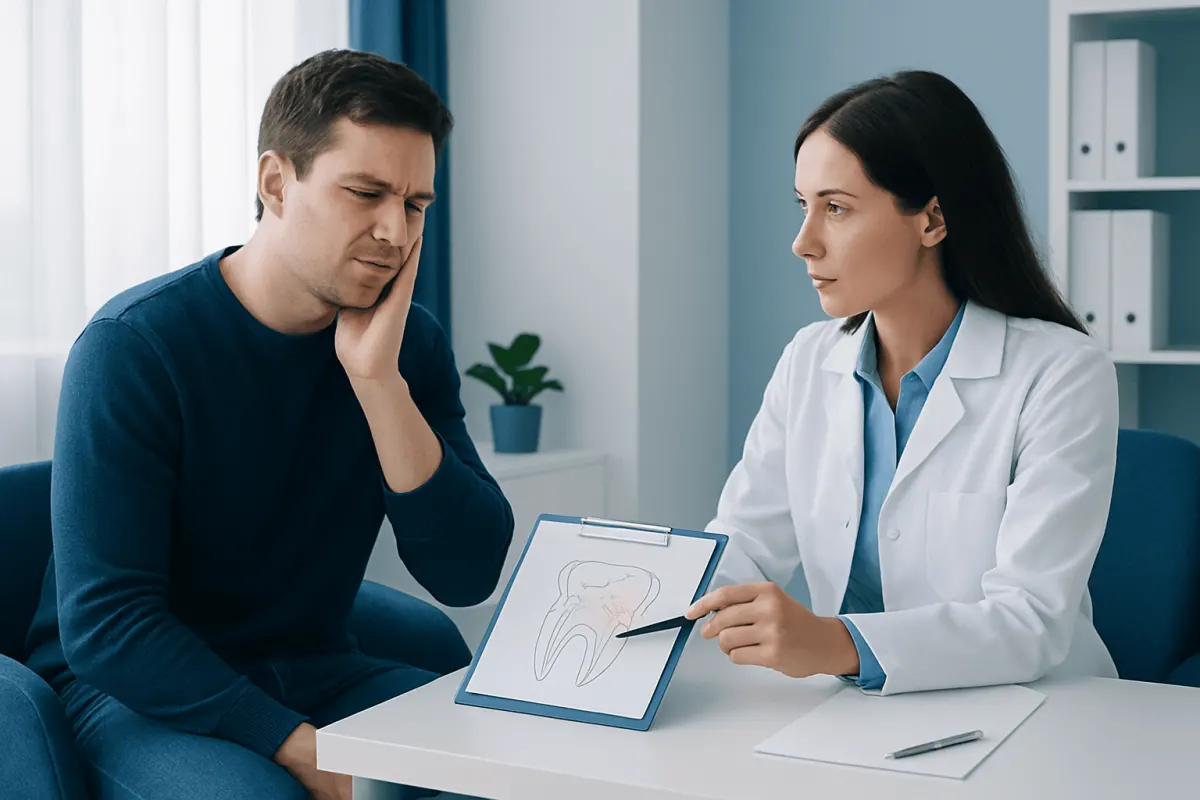
Wisdom-tooth-related pain often begins near the back molar region and may be worse when chewing. The gum behind the last visible tooth may feel tender, look red, or appear swollen. Some people notice intermittent aching that comes and goes as the tooth attempts to erupt.
If inflammation or infection is present, symptoms can become more noticeable. These may include bad breath, a bad taste in the mouth, pus or drainage from the gum, swelling of the cheek, or reduced ability to open the mouth comfortably. Nearby lymph nodes in the neck or under the jaw can occasionally feel tender.
Although pain can travel toward the ear, temple, or throat, these symptoms do not confirm that wisdom teeth are the cause. Temporomandibular joint (TMJ) problems can also produce jaw and ear-area pain, particularly when there is clicking, locking, or pain with jaw movement. A dentist can assess the teeth, gums, bite, and jaw joint to distinguish between possible causes.
It is important not to assume that a visible wisdom tooth is healthy simply because it is present. Teeth at the back of the mouth can be difficult to brush and floss, and decay or gum disease may develop without obvious symptoms at first.
How a Dentist Finds the Cause of Jaw Pain
A dentist or oral and maxillofacial surgeon usually begins by asking when the pain started, whether it is constant or triggered by chewing, and whether there has been swelling, fever, altered taste, or difficulty opening the mouth. They will examine the gums around the wisdom teeth, neighboring molars, bite, jaw movement, and any areas of facial tenderness.
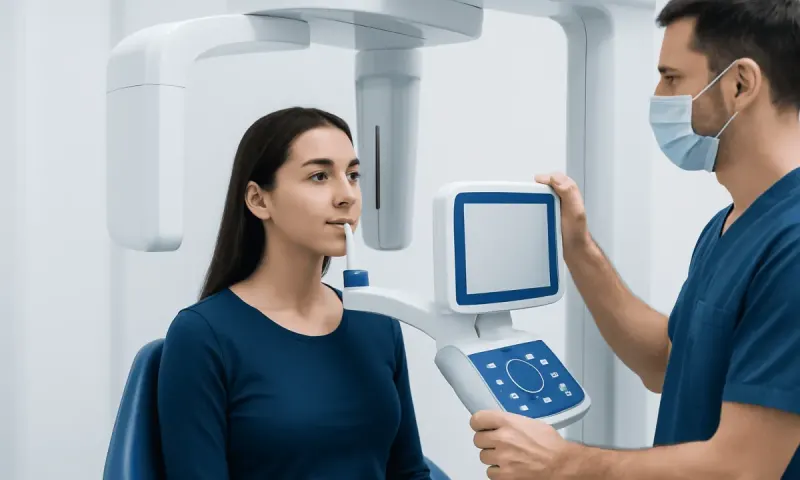
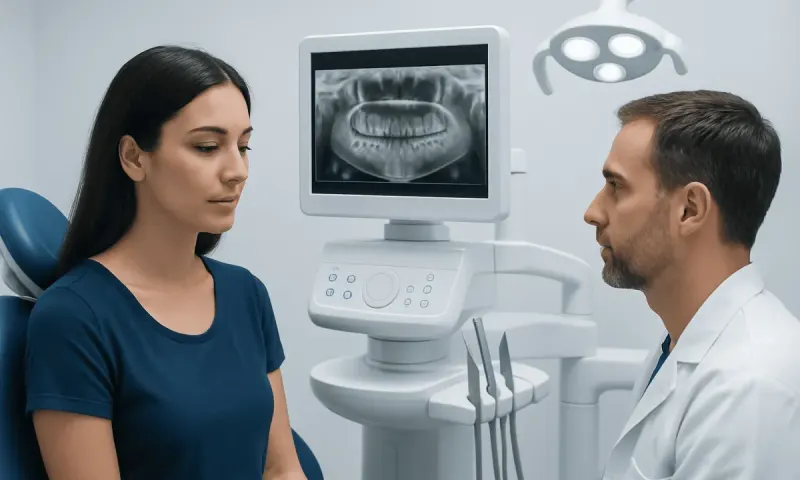
Dental X-rays are commonly used to see the position of wisdom teeth below the gum line and within the jawbone. They can show whether a tooth is impacted, tilted toward another molar, close to important structures, or associated with decay, bone changes, or infection. In some cases, more detailed imaging may be recommended before a complex extraction.
The examination also helps rule out other causes. For example, a cracked tooth, cavity, abscess, gum disease, TMJ disorder, or muscle tension can cause symptoms that resemble wisdom tooth pain. Accurate diagnosis matters because treatment should address the underlying problem rather than pain alone.
If the discomfort is mild and there is no sign of disease, the dentist may recommend observation and regular reviews. If there is repeated inflammation, damage to another tooth, significant decay, or an infection, active treatment may be advised.
Treatment Options and Short-Term Comfort Measures
Treatment depends on the cause, tooth position, symptoms, and overall oral health. When a partly erupted tooth has mild gum inflammation, a dentist may clean the area, provide oral-hygiene guidance, and review whether the tooth can erupt fully. If there is an infection, treatment may include drainage or other dental care; antibiotics may be used when clinically appropriate, but they do not remove the underlying cause by themselves.
Extraction may be considered when a wisdom tooth is repeatedly painful, impacted, causing recurrent infections, damaging the tooth in front of it, or unlikely to erupt into a useful position. Wisdom teeth extraction is planned after clinical assessment and imaging, with the approach tailored to the tooth’s location and complexity.
For temporary relief while arranging care, a person may choose soft foods, avoid chewing on the sore side, brush gently around the area, and rinse with warm salt water if this is comfortable. Over-the-counter pain medicines may help when used according to the product label and a clinician or pharmacist’s advice. They may not be suitable for everyone, including people with certain medical conditions, allergies, stomach ulcers, kidney disease, or those taking blood-thinning medication.
Do not place aspirin, alcohol, or other substances directly on the gum, as this can injure oral tissues. Persistent symptoms should not be managed with home care alone, especially if infection is suspected.
When to Seek Medical Care
A dental appointment should be arranged promptly if jaw pain lasts more than a few days, keeps returning, interferes with eating or sleep, or occurs with gum swelling, bleeding, bad taste, or visible tooth damage. Early assessment can often prevent a small problem from progressing.
Same-day urgent dental or medical care is appropriate for increasing facial or neck swelling, fever, pus, severe pain that is not controlled with usual measures, or marked difficulty opening the mouth. These can be signs of a spreading dental infection that needs timely treatment.
Emergency care is needed if there is trouble breathing, swallowing, speaking, or managing saliva, or if swelling is rapidly spreading toward the neck or eye area. These symptoms are uncommon, but they should not be waited out.
Acıbadem Health Point’s multidisciplinary dental and maxillofacial specialists at JCI-accredited hospitals can assess wisdom-tooth concerns and related jaw pain for international patients, using clinical examination and appropriate imaging to guide care.
Reducing Future Problems Around Wisdom Teeth
Good daily cleaning is the most useful way to reduce inflammation around wisdom teeth that have erupted enough to be cleaned. Brushing twice daily with fluoride toothpaste and carefully cleaning between teeth can lower the buildup of plaque and food debris. A small-headed toothbrush may make it easier to reach the back teeth.
Regular dental checkups are also important because changes around wisdom teeth may not be noticeable at home. Dentists can monitor teeth that are still developing or partly erupted and recommend X-rays when needed to assess their position and the health of nearby teeth.
Extraction is not automatically necessary for every wisdom tooth. A healthy, fully erupted tooth that can be cleaned well and does not affect surrounding teeth may only need routine monitoring. Decisions about removal should be individualized, based on symptoms, examination findings, imaging, and the person’s health needs.
People who clench or grind their teeth may also benefit from discussing this with a dentist, since muscle and jaw-joint strain can coexist with tooth-related discomfort and make the source of pain harder to recognize.
Frequently asked questions
01Can wisdom teeth cause jaw pain on one side?
Yes. A wisdom tooth on one side may cause localized aching, pressure, gum tenderness, or pain that spreads toward the ear. One-sided pain can also come from another tooth, the jaw joint, or facial muscles, so a dental assessment is helpful if it persists.
02Can an impacted wisdom tooth cause jaw pain without visible swelling?
Yes. An impacted wisdom tooth can create pressure or inflammation before obvious swelling develops. Some impacted teeth cause no symptoms at all, which is why X-rays may be needed to determine their position and whether they are affecting nearby structures.
03How long does wisdom tooth jaw pain last?
Mild soreness related to eruption may last a few days and can come and go. Pain that continues beyond several days, becomes stronger, or repeatedly returns should be checked because infection, decay, or impaction may be involved.
04Can wisdom tooth pain spread to the ear or throat?
It can. Nerves and tissues around the back of the jaw can make dental pain feel as though it is traveling to the ear, temple, throat, or neck. Ear or throat symptoms can also have non-dental causes, so persistent symptoms need assessment.
05Will antibiotics cure a wisdom tooth infection?
Antibiotics may be needed for some dental infections, particularly if there are signs of spread or systemic illness, but they do not always resolve the source of the problem. Dental treatment, such as cleaning, drainage, or extraction when indicated, may still be necessary.
06Should every painful wisdom tooth be removed?
No. The best treatment depends on why the tooth hurts, whether it can erupt and be cleaned properly, and whether it is damaging surrounding tissues. A dentist or oral surgeon can recommend monitoring, local treatment, or removal after examination and X-rays.
This article is for general information only and is not a substitute for professional medical advice. Please consult a qualified doctor about your individual situation.
Joint and spine care in Turkey — expert assessment & treatment
JCI-accredited · board-certified surgeons · reply within 24h
Add us as a Preferred Source to see more of our trusted health content across Google Search, AI Overviews and Discover.