Can Vitamin Deficiency Cause Small White Skin Spots?

Vitamin deficiency small white spots on skin are not usually caused by a simple lack of vitamins. Although nutritional deficiencies can affect skin health and pigment production in some circumstances, clearly defined pale or white patches more often need assessment for conditions such as vitiligo, fungal infection, post-inflammatory pigment change, or sun-related hypopigmentation.
Overview: can vitamin deficiency cause small white spots?
Vitamin deficiency small white spots on skin are possible but uncommon as a direct explanation. Deficiencies can contribute to generalized dryness, slower healing, hair changes, mouth symptoms, rashes, or altered pigmentation. However, isolated pale dots or patches should not automatically be attributed to low vitamin levels, especially if they are clearly bordered, spreading, scaly, or limited to particular body areas.
Skin color depends on melanin, a pigment made by melanocytes. White or lighter areas develop when melanin production is reduced, pigment cells are affected, skin is healing after inflammation, or a surface condition changes how the skin looks. The medical term for lighter-than-usual skin is hypopigmentation; complete loss of pigment is called depigmentation.
Nutrition may be relevant when a person has a restrictive diet, malabsorption condition, heavy menstrual bleeding, chronic digestive symptoms, prior weight-loss surgery, alcohol misuse, or signs of anemia. Even then, blood tests and a skin examination are more reliable than judging a deficiency from skin appearance alone. A clinician can also assess for related skin conditions, including vitiligo.
What white spots may look like
White spots vary in size, texture, and distribution. Some are tiny, round, smooth spots on the arms or legs; others are larger patches that merge together. The skin may feel normal, dry, rough, or slightly scaly. A change in color can be more noticeable after sun exposure because the surrounding skin becomes darker.
Vitiligo commonly causes smooth, milk-white patches with defined edges. It may appear on the hands, face, around body openings, underarms, groin, or areas exposed to repeated friction. Hair within an affected area can also lose pigment. Vitiligo is an autoimmune condition, not a contagious infection and not generally caused by poor diet.
Fine scale, mild itch, and patches on the upper chest, back, neck, or shoulders may suggest tinea versicolor, a common superficial yeast-related condition. Pale areas can also remain after eczema, acne, injury, burns, or other inflammation; this is known as post-inflammatory hypopigmentation. Small, scattered white spots on sun-exposed forearms and shins in adults may be idiopathic guttate hypomelanosis, a benign sun-associated finding.
- Smooth, sharply outlined patches: may need evaluation for vitiligo or another pigment disorder.
- Scaly or itchy spots: may point toward eczema or a superficial fungal condition.
- Spots after a rash, injury, or procedure: can reflect temporary pigment change during healing.
- Many tiny spots in sun-exposed skin: can be related to cumulative sun exposure rather than nutrition.
What the evidence says about nutrients and pigmentation
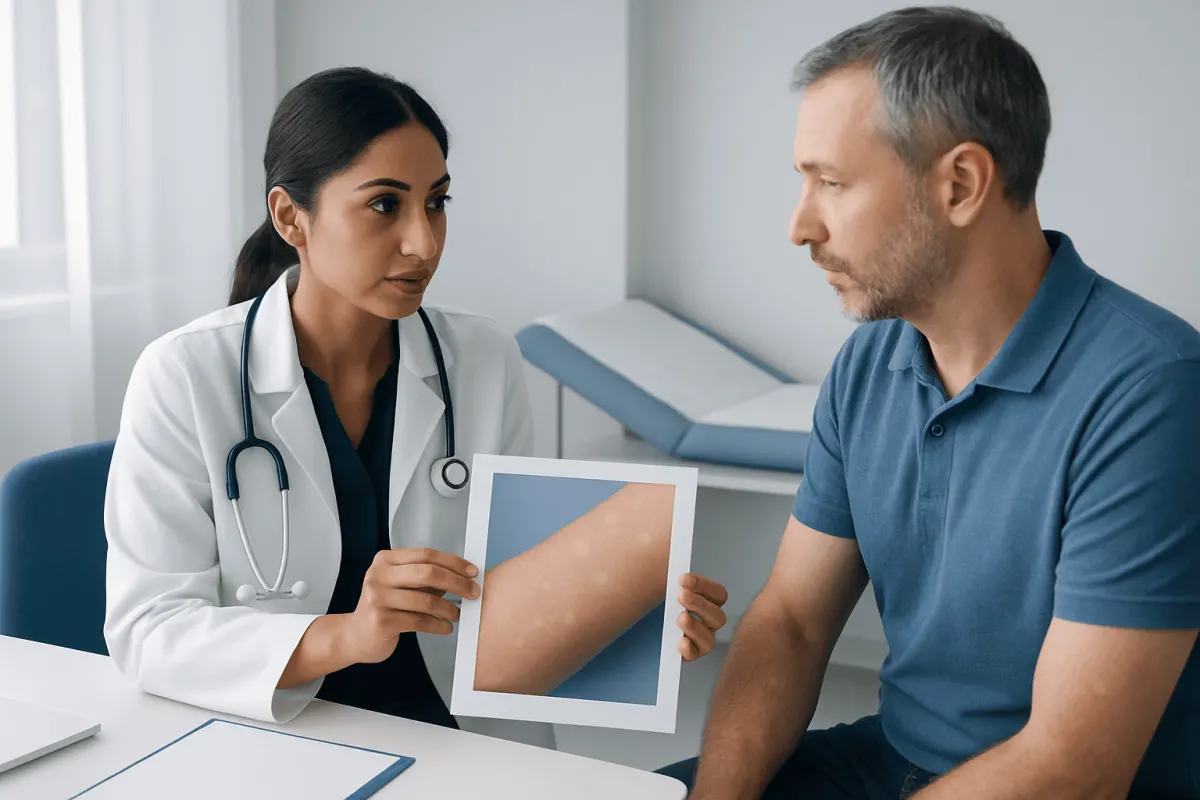
Research supports the importance of adequate nutrition for normal skin function, but it does not support treating all white spots with multivitamins. Vitamin B12 and folate deficiency can sometimes be associated with changes in skin pigmentation, mouth soreness, fatigue, numbness, or anemia. The pigment changes reported with B12 deficiency are more often darker areas or uneven coloration rather than a typical pattern of small white spots.
Vitamin D deficiency is common in some populations and has been studied in people with autoimmune and inflammatory skin conditions. Low vitamin D levels may coexist with vitiligo, but this does not prove that low vitamin D causes vitiligo or that supplements restore pigment. Vitamin D should be replaced when a clinician identifies a deficiency, for bone and overall health reasons, using an individualized plan.
Copper is involved in melanin production, while zinc, iron, protein, and several B vitamins support skin and immune function. Severe or prolonged deficiency may contribute to hair or skin changes, particularly in people with malnutrition or impaired nutrient absorption. Still, a nutrient deficiency is usually only one part of the clinical picture, and correcting it may not remove established white patches caused by vitiligo, prior inflammation, or sun-related change.
For this reason, supplements should be viewed as treatment for a documented or strongly suspected deficiency, not as a diagnostic test. A balanced diet is appropriate for most people, but high-dose products should not replace evaluation by a qualified clinician.
Diagnosis: how clinicians find the cause
A clinician begins by asking when the spots appeared, whether they are changing, and whether there is itch, scaling, pain, hair-color change, or a previous rash or injury. Questions about sun exposure, skin products, family history, diet, digestive symptoms, medications, and autoimmune conditions can also provide useful clues.
The skin examination considers the color contrast, borders, location, and surface texture of the spots. A dermatologist may use a Wood lamp, which emits ultraviolet light and can help make pigment changes easier to see. If a fungal condition is suspected, a small skin scraping may be examined under a microscope. These simple assessments can prevent unnecessary supplement use.
Blood tests are not required for every person with pale spots. They may be recommended when clinical findings suggest anemia, thyroid disease, autoimmune disease, malabsorption, or nutritional deficiency. Depending on the situation, testing can include a complete blood count, iron studies, vitamin B12, folate, vitamin D, thyroid tests, or other targeted studies.
A skin biopsy is rarely needed, but it may be considered when the diagnosis remains unclear or the rash has unusual features. Obtaining an accurate diagnosis is important because treatments differ substantially between fungal infection, eczema, vitiligo, and other causes of hypopigmentation.
Treatment options and the role of supplements
Treatment depends on the cause rather than on the color change alone. A superficial fungal condition may be treated with clinician-recommended topical or oral antifungal medicine. Eczema-related light patches may improve with moisturizers, avoidance of triggers, and anti-inflammatory treatment when appropriate. Pigment can take weeks or months to return after inflammation has settled.
Vitiligo management may include topical medicines, phototherapy, and other dermatologist-guided approaches, depending on the extent, site, activity, age, and preferences of the individual. Sun protection and cosmetic camouflage can help reduce contrast and protect areas with little pigment. Treatment plans are individualized; results can be gradual, and no approach is appropriate for everyone.
If testing confirms a deficiency, the clinician will advise on food choices and, where needed, supplementation. For example, B12 replacement may be given orally or by injection depending on the cause of deficiency and a person’s ability to absorb it. Iron should only be taken when appropriate because excess iron can be harmful, and its use should be guided by medical assessment.
Over-the-counter “skin brightening,” herbal, or high-dose vitamin products are not proven therapies for unexplained white spots. Some topical products can irritate the skin, while unregulated products may contain undisclosed ingredients. People considering treatment for persistent pigment loss benefit from a dermatology assessment rather than trial-and-error self-treatment.
Food, supplements, side effects, and interactions
A varied eating pattern can help meet routine nutritional needs. Helpful choices include vegetables and fruit, beans and lentils, whole grains, eggs, dairy or fortified alternatives, fish, lean meats when included in the diet, nuts, seeds, and healthy oils. People following vegan, highly restrictive, or medically necessary diets may need individualized advice, particularly regarding vitamin B12, iron, calcium, vitamin D, iodine, and protein.
Supplements are useful when food intake is insufficient, a blood test confirms deficiency, or a clinician recommends them because of a medical condition. They are not risk-free. High-dose vitamin D can raise calcium levels; excess vitamin A can harm the liver and is unsafe in pregnancy at high intakes; zinc excess can lead to copper deficiency; and iron can cause constipation, nausea, and dangerous toxicity if taken in excess.
Interactions also matter. Iron can affect absorption of certain thyroid medicines and antibiotics when taken close together. Vitamin K can interfere with warfarin management. High doses of vitamin E, fish oil, or some herbal supplements may increase bleeding risk in people using anticoagulant or antiplatelet medicines. A pharmacist or clinician should review all supplements alongside prescribed and non-prescription medicines.
Children should not receive adult-strength supplements unless a pediatric clinician recommends them. People who are pregnant, breastfeeding, living with kidney or liver disease, managing cancer treatment, taking blood thinners, or having a history of iron overload should seek professional advice before starting supplements. This is particularly important when using products marketed for skin, hair, or immunity.
Prevention, self-care, and when to seek medical care
Not all white spots can be prevented, but gentle skin care and regular sun protection can reduce irritation and make pigment contrast less pronounced. Broad-spectrum sunscreen, protective clothing, and shade are sensible for all skin tones. Moisturizing dry or eczema-prone skin may reduce inflammation that can leave temporary lighter areas afterward.
It is reasonable to photograph spots in consistent lighting every few weeks to track changes, but repeated scratching, exfoliating, bleaching, or applying strong home remedies can worsen irritation. A nutrient-rich diet supports general health, yet no specific food has been shown to reliably reverse unexplained white patches. If nutritional intake is a concern, a clinician or registered dietitian can provide practical guidance.
When to seek medical care: A person should arrange a medical review if white spots are new and spreading, have sharp borders, affect the face or genitals, are associated with hair turning white, or cause significant itch, scale, pain, or distress. Prompt assessment is also advisable when spots occur with fatigue, weight loss, diarrhea, numbness, mouth ulcers, or other possible signs of nutritional or systemic illness.
Urgent care is appropriate for a rapidly spreading rash accompanied by fever, facial swelling, blistering, trouble breathing, or severe illness. For non-urgent concerns, Acıbadem Health Point’s multidisciplinary specialists at JCI-accredited hospitals can assess skin pigment changes and potential nutritional contributors for international patients.
Frequently asked questions
01Can a vitamin deficiency cause small white spots on the skin?
A vitamin deficiency is not a common direct cause of small white spots. Deficiencies can affect overall skin health and occasionally pigment, but conditions such as vitiligo, fungal infection, eczema-related pigment change, and sun-related hypopigmentation are often more likely. An examination is the best way to identify the cause.
02Which vitamin deficiency is linked to white patches?
Vitamin B12, folate, vitamin D, copper, zinc, and iron may be considered when there are risk factors or other symptoms of deficiency. Evidence does not show that a single vitamin deficiency explains most white patches. Testing should be based on a clinician’s assessment rather than the appearance of skin alone.
03Will taking vitamin B12 or vitamin D make white spots disappear?
Supplements can correct a confirmed deficiency, but they do not reliably reverse white spots caused by vitiligo, fungal conditions, previous inflammation, or sun-related changes. If a deficiency has contributed to skin changes, improvement may be gradual and may not be complete. It is important to use the correct treatment for the underlying diagnosis.
04Are white spots on skin always vitiligo?
No. Vitiligo is one possible cause, but pale spots can also result from tinea versicolor, eczema, healing after inflammation or injury, birthmarks, and sun-related changes. Scale, itch, location, and border definition can help distinguish these conditions, although medical assessment may be needed.
05Should a person use antifungal cream for white spots?
An antifungal may help if the cause is tinea versicolor or another confirmed fungal condition, especially when fine scale is present. It will not treat vitiligo or most nutritional deficiencies. Using treatment without a diagnosis can irritate the skin or delay appropriate care.
06When should white spots be checked by a doctor?
A doctor should assess spots that are spreading, sharply defined, itchy or scaly, painful, or associated with loss of hair color. Review is also advised if there are symptoms such as fatigue, numbness, digestive problems, weight loss, or mouth soreness. A clinician can determine whether skin testing, blood tests, or dermatology referral is appropriate.
This article is for general information only and is not a substitute for professional medical advice. Please consult a qualified doctor about your individual situation.
Hair transplant in Turkey — costs, graft counts & a free assessment
JCI-accredited · board-certified surgeons · reply within 24h
Add us as a Preferred Source to see more of our trusted health content across Google Search, AI Overviews and Discover.