Can Vicks Treat Tinnitus Safely?
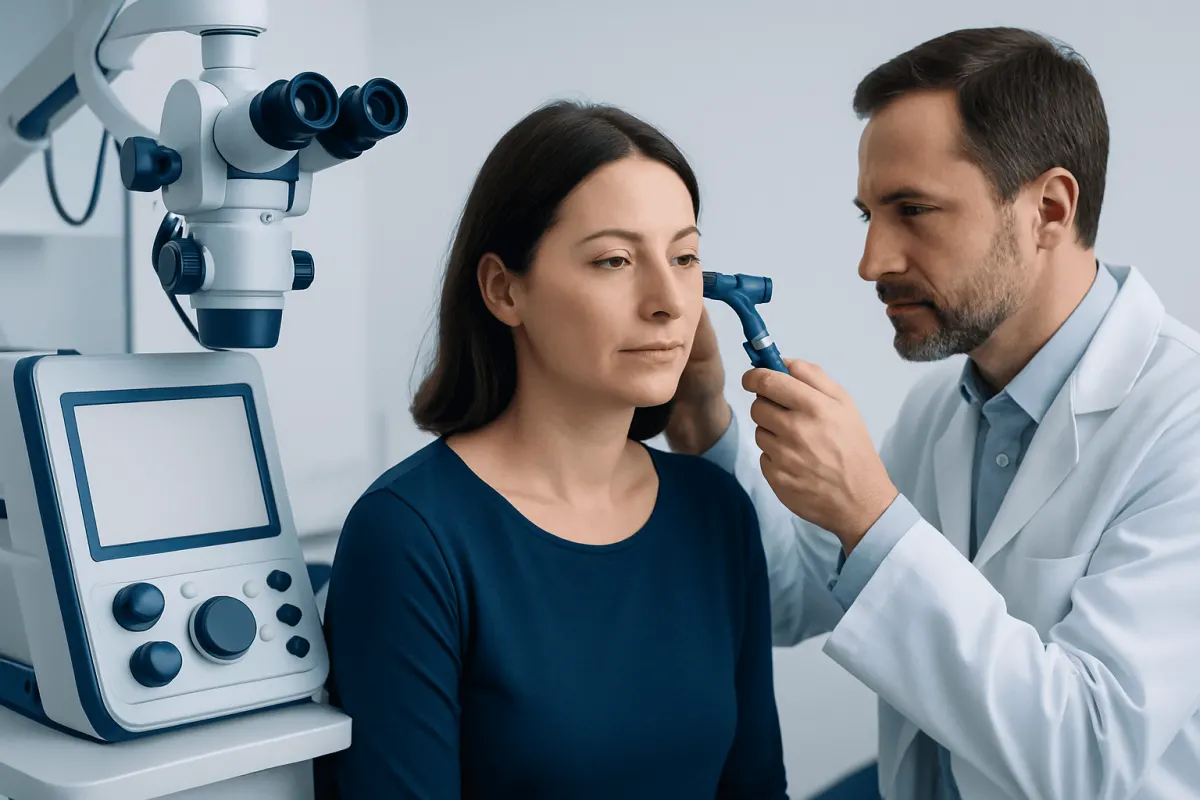
Vicks tinnitus treatment is an online home-remedy claim rather than an established medical procedure. Vicks VapoRub has not been shown to treat tinnitus, and applying it in or near the ear may irritate sensitive skin or delay assessment of a potentially treatable ear or hearing problem.
Vicks Tinnitus Treatment: What It Is and What to Expect
Vicks tinnitus treatment is not a recognised medical procedure, and there is no reliable evidence that Vicks VapoRub cures or reduces tinnitus. Tinnitus is the experience of hearing ringing, hissing, buzzing, clicking or another sound when no external sound is present. It can follow noise exposure, occur alongside hearing changes or ear conditions, or be associated with several other health factors.
Online descriptions of a vicks treatment for tinnitus may suggest applying vapour rub around the ear, behind the ear or, more concerningly, into the ear canal. These approaches do not address the auditory pathways that commonly contribute to tinnitus. Vicks VapoRub is designed for external use as directed on its label, not for use inside the ear, and it should not be used as a substitute for a hearing or ear examination.
A safer first step is to consider whether symptoms began after a cold, ear blockage, loud sound exposure, a medication change or a change in hearing. An ear, nose and throat specialist or audiologist can check for causes that may be managed directly and can offer strategies to reduce the day-to-day burden of persistent tinnitus.
Understanding Tinnitus and Its Common Causes
Tinnitus is common and can affect one ear, both ears or the head more generally. For some people it is mild and intermittent. For others, the sound can be intrusive, particularly in quiet settings or at bedtime. Tinnitus is not always a sign of a serious condition, but new, worsening or disruptive symptoms deserve appropriate assessment.
Common contributors include age-related hearing changes, repeated loud-noise exposure, earwax buildup, middle-ear infection or fluid, and problems involving the jaw joint. Some medicines can contribute to tinnitus in certain circumstances. Stress, poor sleep and anxiety may make the sound feel more noticeable, even when they are not its original cause.
Less commonly, tinnitus may relate to blood-vessel changes, inner-ear disorders or neurological conditions. A rhythmic sound that matches the heartbeat, known as pulsatile tinnitus, should be evaluated by a clinician. Learning about tinnitus and its possible causes can help patients prepare for a focused medical discussion.
Does the Vicks Trick Really Help Tinnitus?

No good-quality clinical evidence shows that the so-called Vicks trick provides meaningful or lasting tinnitus relief. Mentholated topical products may create a temporary sensation of cooling or a strong smell, which can distract attention briefly, but this is different from treating tinnitus itself. A temporary change in perception should not be interpreted as proof that the underlying symptom has improved.
Putting Vicks, oils, creams or other non-ear products into the ear canal is not recommended. These products may irritate the skin, worsen dermatitis, trap debris, and complicate examination or treatment. They can be particularly unsafe if there is an eardrum perforation, ear surgery history, drainage or an active ear infection.
Tinnitus treatment Vicks VapoRub claims can also distract from simple, evidence-informed measures. If a person has ear pressure, pain, blocked hearing or discharge, they should arrange a clinical examination rather than try topical home remedies. Earwax should be removed only using an approach recommended by a healthcare professional, especially when there are ear symptoms or previous ear problems.
How Many Days Does It Take to Recover From Tinnitus?
There is no single recovery timeline for tinnitus. Tinnitus after a brief loud event may fade over hours, days or weeks, while tinnitus related to an ear infection, fluid behind the eardrum or earwax may improve after the underlying issue is treated. Persistent tinnitus can last for months or longer, although its intensity and the distress it causes can improve with appropriate support.
It is useful to distinguish recovery from symptom control. In some cases, the sound may not disappear completely, but the brain can become less reactive to it over time. This process, sometimes called habituation, is supported by education, better sleep, reduced sound-related anxiety and suitable sound enrichment.
A clinician can help identify factors affecting the expected course, including hearing loss, recent acoustic trauma, medication use and coexisting dizziness. Sudden hearing loss with tinnitus requires urgent evaluation, because prompt treatment may be important for hearing outcomes.
How Tinnitus Is Diagnosed and Treated
Assessment usually begins with a discussion of when tinnitus started, what it sounds like, whether it is in one or both ears, and whether it occurs with hearing loss, dizziness, pain, headache or a pulse-like rhythm. A clinician may examine the ears and arrange hearing testing. Depending on the findings, further tests or imaging may be considered, particularly for one-sided or pulsatile tinnitus.
Treatment is guided by the cause and the person’s symptoms. Treating impacted earwax, infection, jaw problems or a contributing medicine may help in selected cases. When hearing loss is present, hearing aids can improve communication and may make tinnitus less noticeable by increasing access to everyday environmental sound.
For persistent tinnitus, evidence-based care can include education, sound therapy or sound enrichment, and cognitive behavioural therapy to reduce distress, sleep disruption and unhelpful attention to the sound. Hearing aids may be appropriate after formal hearing assessment. No product should promise a universal cure, as tinnitus management is individual and depends on the underlying cause.
- Use gentle background sound, such as a fan, nature sounds or low-volume audio, especially in quiet rooms.
- Protect hearing from loud environments, but avoid wearing earplugs continuously in ordinary safe settings.
- Discuss troublesome sleep, mood changes or anxiety with a qualified healthcare professional.
How Did William Shatner Get Rid of Tinnitus?
William Shatner has publicly described living with severe tinnitus after an on-set explosion and seeking help through tinnitus-focused care. His experience is often discussed online, but it should not be presented as evidence that one specific remedy works for everyone. Personal stories can be encouraging, yet tinnitus has different causes, severity levels and responses to treatment.
Reports about public figures commonly emphasize coping strategies and tinnitus retraining approaches rather than a complete, guaranteed cure. Tinnitus retraining therapy generally combines counselling with sound-based support to help reduce the brain’s emotional and attentional response to tinnitus. Availability and suitability vary, and a specialist can explain whether this type of programme is appropriate.
People considering a treatment after reading a celebrity story should first have their own hearing and ear health assessed. A personalised plan is more useful than trying unproven remedies, including vicks tinnitus relief claims, based on another person’s experience.
What Do Chinese People Do for Tinnitus?
There is no single approach that represents what all Chinese people do for tinnitus. In China, as elsewhere, many people seek assessment from ear, nose and throat clinicians and audiologists, while some also use traditional Chinese medicine practices such as acupuncture or herbal preparations. Cultural preferences and access to care differ widely between individuals and regions.
Research on acupuncture and herbal products for tinnitus remains limited or inconsistent, and these approaches have not been proven to cure tinnitus reliably. Herbal products can interact with prescribed medicines or cause side effects, so they should be discussed with a doctor or pharmacist before use. Products marketed as natural are not automatically safe or effective.
Conventional assessment remains important before pursuing complementary care, especially for recent-onset, one-sided, pulsatile or hearing-related symptoms. Combining safe supportive practices with evidence-based medical evaluation can help ensure that treatable causes are not missed.
When to Seek Medical Care
Medical care should be sought promptly for tinnitus that starts suddenly with hearing loss, severe dizziness, facial weakness, a significant headache, ear discharge, severe ear pain or symptoms after a head injury. Urgent assessment is also advised for a sound that beats in time with the pulse, particularly if it is new or persistent.
A routine appointment is appropriate when tinnitus lasts more than a few days, occurs mainly in one ear, affects sleep, concentration or emotional wellbeing, or follows frequent loud-noise exposure. A hearing test can identify hearing changes that may not be obvious in daily life and can guide treatment choices.
Until assessment, it is sensible to avoid loud noise, limit headphone volume and avoid inserting cotton buds, creams or other substances into the ear. Acıbadem Health Point’s multidisciplinary specialists and JCI-accredited hospitals assess ear and hearing concerns for international patients, including symptoms that may require ENT and audiology input.
Frequently asked questions
01Can Vicks VapoRub be used in the ear for tinnitus?
No. Vicks VapoRub should not be placed in the ear canal because it is not intended for this use and may irritate delicate ear skin. It has not been shown to treat tinnitus, and ear symptoms should be assessed by a qualified clinician.
02Why does tinnitus seem louder at night?
Tinnitus may feel louder at night because the surroundings are quieter and there are fewer competing sounds for the brain to process. Fatigue, stress and worry can also increase awareness of the sound. Low-level background sound and good sleep habits may help some people.
03Can earwax cause tinnitus?
Earwax buildup can sometimes contribute to a blocked sensation, reduced hearing and tinnitus. A clinician can confirm whether wax is present and advise safe removal. Home insertion of objects or liquids can push wax deeper or injure the ear.
04Is tinnitus permanent?
Tinnitus can be temporary or long-lasting, depending on its cause. Even when it persists, many people find that it becomes less intrusive with hearing support, sound strategies and treatment for sleep or stress-related distress. An individual assessment helps clarify likely contributors and options.
05What is the best treatment for tinnitus?
The best treatment depends on the cause and the impact of symptoms. It may include treating an ear condition, using hearing aids when hearing loss is present, sound therapy, and cognitive behavioural therapy. There is no single remedy that works for every person.
06Should pulsatile tinnitus be checked by a doctor?
Yes. Pulsatile tinnitus is a sound that seems synchronized with the heartbeat and should be evaluated by a clinician. Although it can have benign causes, assessment is important to identify whether blood-vessel or other conditions need attention.
This article is for general information only and is not a substitute for professional medical advice. Please consult a qualified doctor about your individual situation.
Explore treatments in Turkey — costs, top hospitals & a free quote
JCI-accredited · board-certified surgeons · reply within 24h
Add us as a Preferred Source to see more of our trusted health content across Google Search, AI Overviews and Discover.