

Can Thrush Cause Pain in Pelvis?
- 9 min read
- Published November 27, 2026
Key Takeaways
- Thrush usually causes local vaginal or vulvar symptoms rather than deep pelvic pain.
- Pain felt in the pelvis may point to a different condition, such as a urinary, gynecologic, or digestive problem.
- Diagnosis is based on symptoms, exam findings, and sometimes lab testing to confirm the cause.
- Treatment for thrush is usually straightforward, but persistent or recurrent symptoms need medical review.
- Prompt care is important if pelvic pain is severe, comes with fever, unusual discharge, or other new symptoms.
Thrush can cause soreness, burning, and irritation around the vagina or vulva, but true pelvic pain is not a typical symptom. When pelvic discomfort is present, another cause may be involved and a medical assessment can help clarify the source.
Overview
For most people asking can thrush cause pain in pelvis, the short answer is that thrush by itself usually does not cause true pelvic pain. Vaginal thrush, also called a yeast infection, typically affects the skin and mucous membranes around the vagina and vulva, leading to itching, burning, redness, and discharge rather than pain deeper in the pelvis.
That distinction matters because pelvic pain often comes from organs and structures beyond the vaginal area, such as the bladder, uterus, ovaries, bowel, or pelvic floor muscles. When a person has both symptoms of thrush and pelvic pain, it is important not to assume the yeast infection explains everything. A clinician can help separate a simple yeast infection from another condition that needs different treatment.
International patients sometimes arrive with a self-diagnosis made at home or after trying over-the-counter treatments without relief. In practice, the most useful question is not only whether thrush is present, but whether it fully explains the pattern of pain. A careful history and examination usually make that clearer.
Symptoms
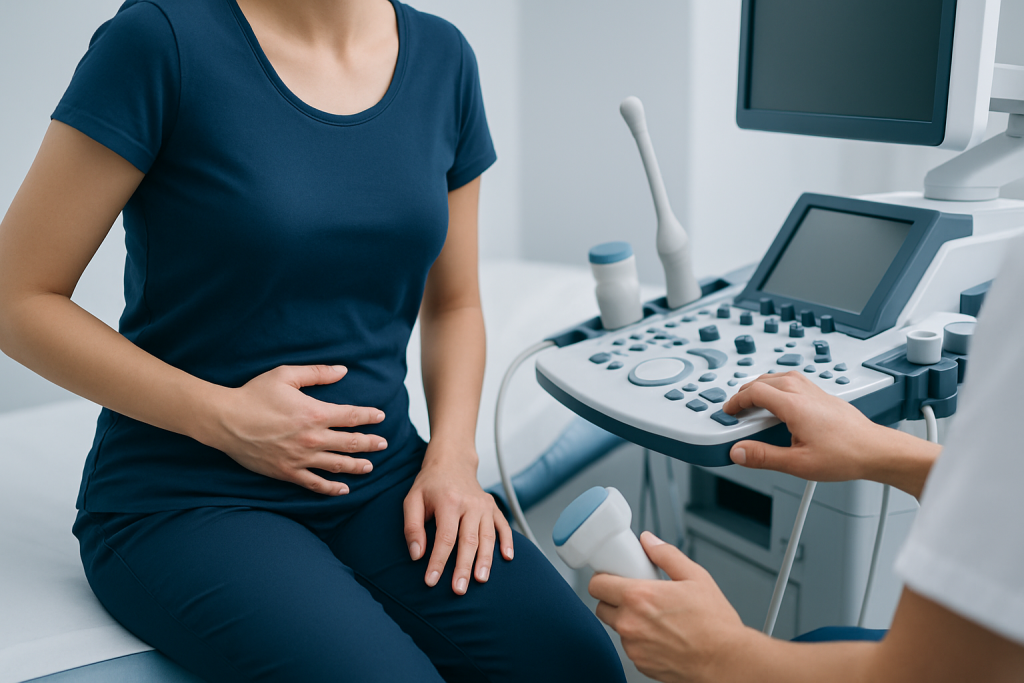
Thrush has a fairly recognizable symptom pattern. Many people notice intense itching, a burning sensation, soreness during sex, redness of the vulva, and a thick white discharge that may look like cottage cheese. Some feel discomfort when passing urine because the irritated tissue stings when it comes into contact with urine.
Pelvic pain is different from these surface symptoms. It is usually described as a deeper ache, pressure, heaviness, cramping, or sharp pain low in the abdomen or pelvis. If the discomfort is mostly external or felt at the vaginal opening, thrush could be part of the explanation; if the pain is deep, one-sided, or linked to the menstrual cycle, another cause becomes more likely.
Common reasons people confuse pelvic pain with thrush-related discomfort include:
- burning during urination from inflamed tissue near the vaginal opening
- pain with sex that is felt low in the pelvis
- vaginal muscle tightening from irritation or anxiety
- simultaneous problems such as a urinary tract infection or pelvic inflammatory disease
Causes & Risk Factors

Thrush happens when Candida, a type of yeast normally present in small amounts, grows too much. This can occur when the natural balance of organisms in the vagina is disrupted. Common triggers include recent antibiotic use, pregnancy, diabetes, hormonal changes, tight or damp clothing, and a weakened immune system.
Some people are more likely to get recurrent thrush, but recurrent symptoms do not always mean the diagnosis is correct. Bacterial vaginosis, sexually transmitted infections, contact dermatitis, allergic irritation, and vulvar skin conditions can all resemble thrush. These conditions may also cause more widespread pain or discomfort than a yeast infection would.
Pelvic pain itself has a broad differential diagnosis. Depending on the location and timing, it may be related to ovulation, endometriosis, ovarian cysts, fibroids, bladder inflammation, constipation, pelvic floor dysfunction, or an infection affecting the reproductive organs. When pain is present, clinicians usually consider both local vaginal causes and deeper pelvic causes together.
Diagnosis
Diagnosis begins with a discussion of symptoms, including where the pain is felt, whether there is discharge or itching, and whether anything makes the discomfort better or worse. This history helps distinguish a likely thrush episode from another pelvic or genital condition.
A pelvic examination may be recommended, especially if symptoms are unusual, recurrent, or not improving with typical treatment. A clinician may take a vaginal swab to confirm Candida or check for other infections. In some cases, urine tests, pregnancy testing, or further gynecologic evaluation may be needed if pelvic pain is part of the picture.
Testing is especially useful when self-treatment has not worked. Yeast infection medicines can help when thrush is the true cause, but they do not treat urinary infections, sexually transmitted infections, or pelvic inflammatory disease. A correct diagnosis saves time and reduces the chance of symptoms being repeatedly treated in the wrong way.
Treatment Options
When thrush is confirmed, treatment usually involves antifungal medication, either as a topical cream or suppository, or sometimes as an oral medicine prescribed by a clinician. The right option depends on symptom severity, whether the infection is uncomplicated or recurrent, and whether the person is pregnant or has other medical conditions.
It is important to remember that treatment for thrush should improve itching, burning, and discharge, but it will not resolve pelvic pain caused by a different condition. If the discomfort persists after the yeast symptoms settle, another diagnosis should be considered. That is why follow-up is useful when the story does not fit a straightforward vaginal yeast infection.
If an alternative problem is found, treatment is directed at that cause. For example, a urinary tract infection may need antibiotics, pelvic inflammatory disease needs urgent medical therapy, and endometriosis or ovarian cysts may require specialist evaluation. The treatment plan is therefore based on the confirmed diagnosis, not on symptoms alone.
Prevention & Self-care
Simple daily habits can reduce the chance of thrush returning. Choosing breathable underwear, changing out of wet clothing promptly, avoiding unnecessary vaginal products, and keeping the genital area gently clean can all help maintain a balanced environment. People who notice symptoms after antibiotics or during hormonal changes may benefit from discussing prevention with a clinician.
Self-care is also about avoiding missteps. Overusing antifungal products without a clear diagnosis can delay the discovery of other causes of pelvic pain. If symptoms are not typical for thrush, or if they recur frequently, it is wiser to pause self-treatment and get checked rather than keep repeating the same medication.
For those managing care while traveling, it helps to bring any previous test results, a list of medicines already tried, and a clear timeline of symptoms. That information allows the doctor to decide whether the issue is likely to be thrush, another infection, or a broader pelvic condition that needs imaging or specialist review.
When to See a Doctor
Medical review is advisable if a person has pelvic pain along with vaginal itching, burning, discharge, or pain during sex, especially if the symptoms are new, persistent, or worsening. It is also important to seek care if previous treatment for thrush did not help, because the diagnosis may need to be revisited.
Prompt assessment is particularly important if pelvic pain is severe, one-sided, associated with fever, nausea, vomiting, unusual bleeding, a foul-smelling discharge, or pain when urinating. These features can suggest conditions that need more urgent attention than a yeast infection.
In many cases, the clinician can clarify the cause in one visit, but occasionally more than one issue is present at the same time. A patient-centered evaluation helps avoid under-treating a deeper problem while still addressing the discomfort caused by thrush if it is indeed part of the picture. For international patients, Acibadem Health Point’s multidisciplinary specialists and JCI-accredited hospitals can diagnose and treat this condition with coordinated care across specialties.
Living With Recurrent Symptoms
When discomfort keeps coming back, it can be frustrating and easy to assume the same infection is simply recurring. However, repeated episodes of “thrush” that include pelvic pain deserve a broader look, because chronic irritation, skin conditions, hormonal changes, and pelvic floor tension can all mimic infection symptoms.
A practical approach is to track when symptoms appear, what they feel like, and whether they are linked to menstruation, sex, urination, antibiotics, or stress. This history often gives useful clues and can help a clinician decide which tests or referrals are most appropriate.
People do best when they view pelvic discomfort as a symptom that deserves explanation rather than a label to self-treat indefinitely. The goal is not just to relieve itching for a few days, but to identify the real source of pain and choose the safest treatment path.
Frequently asked questions
01Can thrush cause pain in the pelvis directly?
Thrush usually causes surface symptoms such as itching, burning, soreness, and discharge around the vagina or vulva. Deep pelvic pain is not typical, so another cause should be considered if that is the main symptom.
02Why does it hurt low in the abdomen if I think I have thrush?
Pain in the lower abdomen or pelvis may come from the bladder, uterus, ovaries, bowel, or pelvic floor muscles. Sometimes a urinary infection, pelvic infection, or another gynecologic condition is present alongside thrush-like symptoms.
03How can a doctor tell the difference between thrush and another infection?
A doctor will ask about symptoms, examine the area if needed, and may take a swab or urine test. These steps help confirm whether Candida is present or whether a different infection is causing the symptoms.
04Can over-the-counter thrush medicine help pelvic pain?
It may help if the pain is really due to irritated vaginal tissue, but it will not treat pelvic pain from other causes. If symptoms do not improve, the person should be reassessed rather than continuing to self-treat.
05When should pelvic pain be treated as urgent?
Seek prompt medical care if pelvic pain is severe, one-sided, or occurs with fever, vomiting, unusual bleeding, or a bad-smelling discharge. These signs can point to conditions that need timely treatment.
06Can thrush come back again and again?
Yes, some people experience recurrent thrush, especially if they have factors such as diabetes, recent antibiotic use, or hormonal changes. Repeated episodes should be confirmed by a clinician so that a different problem is not being missed.
This article is for general information only and is not a substitute for professional medical advice. Please consult a qualified doctor about your individual situation.
Persistent digestive symptoms? Get evaluated in Turkey
JCI-accredited · board-certified surgeons · reply within 24h
Add us as a Preferred Source to see more of our trusted health content across Google Search, AI Overviews and Discover.



How can we help you today?
Meet an Acibadem specialist by secure video, before you travel.
Book a video visit