Can Stress Cause Blood in Stool or Worsen Symptoms?
Stress does not usually cause blood in stool directly. However, it can affect bowel habits and worsen conditions such as hemorrhoids, anal fissures, or inflammatory bowel disease, which may cause bleeding and should be assessed when persistent or unexplained.
Can stress cause blood in stool?
Stress does not usually cause blood in stool directly. It can, however, change how the digestive system functions and aggravate problems that may lead to bleeding, including constipation, diarrhea, straining, hemorrhoids, anal fissures, and flare-ups of inflammatory bowel disease. In many cases, a small amount of bright-red blood has a non-serious explanation, but recurrent or unexplained bleeding should not automatically be blamed on stress.
Blood may be seen on toilet paper, coating the outside of stool, mixed with stool, or making stool appear dark. Its appearance can offer useful clues, but it cannot reliably identify the cause without a clinical assessment. A healthcare professional can determine whether the bleeding comes from the anus, rectum, colon, or elsewhere in the digestive tract.
Stress is common and can intensify digestive symptoms such as cramps, bloating, urgency, and changes in bowel movements. It is still important to treat blood in stool as a symptom in its own right. This approach provides reassurance when the cause is minor while helping ensure that conditions needing treatment are not missed.
How stress can affect the digestive system
The brain and gut communicate continuously through nerves, hormones, immune signals, and the gut microbiome. During ongoing stress, the body may alter intestinal movement, sensitivity, and patterns of muscle contraction. Some people develop constipation and harder stools; others experience looser or more frequent stools.
Constipation can lead to straining during bowel movements. This may irritate swollen hemorrhoidal veins or cause a small tear in the anal lining, called an anal fissure. Frequent diarrhea can also irritate the anal area and worsen existing hemorrhoids. In these situations, stress may be a contributing factor rather than the underlying source of bleeding.
Stress can also make symptoms feel more intense in people with disorders of gut-brain interaction, such as irritable bowel syndrome (IBS). IBS itself does not cause bleeding. Therefore, blood in stool should not be attributed to IBS or anxiety alone without discussion with a clinician.
In people with inflammatory bowel disease, stress does not cause the condition, but emotional stress may be associated with worse symptoms or disease flares for some individuals. Bleeding alongside diarrhea, abdominal pain, urgency, fatigue, or unintended weight loss needs appropriate medical review.
What different types of blood in stool may mean

Bright-red blood is often from the lower part of the digestive tract, such as the anus or rectum. A few streaks on toilet paper after a hard bowel movement may occur with hemorrhoids or an anal fissure. Hemorrhoids may also cause itching, discomfort, or a lump near the anus, whereas fissures often cause sharp pain during or after passing stool.
Blood mixed into stool, repeated bleeding, or a change in normal bowel habits can have several possible causes. These include infections, inflammation, diverticular disease, polyps, medication-related irritation, and, less commonly, colorectal cancer. A symptom’s cause depends on the person’s age, medical history, medications, family history, and accompanying symptoms.
Black, sticky, tar-like stool can indicate digested blood from higher in the digestive tract and requires prompt medical assessment. Some foods and medicines, including iron supplements or bismuth-containing products, can darken stool without bleeding. However, it is safer to seek advice rather than assume a black stool is harmless.
- Bright red on paper or surface of stool: often anal or rectal bleeding, but recurrent symptoms need review.
- Dark red or maroon stool: may suggest bleeding higher in the colon or a larger-volume bleed.
- Black, tarry stool: may indicate upper digestive tract bleeding and can be urgent.
Common causes unrelated to stress
Hemorrhoids and anal fissures are among the most common explanations for small amounts of fresh blood, particularly when there is constipation, straining, pregnancy, or prolonged time sitting on the toilet. Supportive measures may help, but a clinician should confirm the likely cause if bleeding continues or returns.
Other causes include bowel infections, inflammatory bowel disease, diverticular bleeding, and colorectal polyps. Some medicines can increase the likelihood or severity of gastrointestinal bleeding, especially blood-thinning medicines, antiplatelet medicines, and non-steroidal anti-inflammatory drugs. A person should not stop prescribed medication without speaking with the prescribing clinician.
Bleeding can occasionally be a sign of a more serious bowel condition. This does not mean that every episode is dangerous, but it explains why clinical guidance is important when blood is unexplained, persistent, or accompanied by concerning symptoms. Information about hemorrhoids may be helpful for people with typical anal symptoms, but self-diagnosis is not a substitute for an examination.
People who have a personal history of polyps or inflammatory bowel disease, a close relative with colorectal cancer, or a new bowel habit change should have a lower threshold for seeking medical advice. Age-appropriate colorectal cancer screening remains important even if stress seems to be contributing to bowel changes.
How doctors assess blood in stool
A clinician will usually begin by asking when the bleeding started, what the blood looks like, how often it occurs, and whether there are symptoms such as pain, fever, diarrhea, constipation, nausea, weight loss, or fatigue. They may also ask about diet, recent travel, family history, and medicines or supplements.
The assessment may include an abdominal examination and, when appropriate, a gentle examination of the anal and rectal area. This can identify common causes such as fissures or hemorrhoids. Depending on the situation, stool tests may check for infection or hidden blood, while blood tests can look for anemia or signs of inflammation.
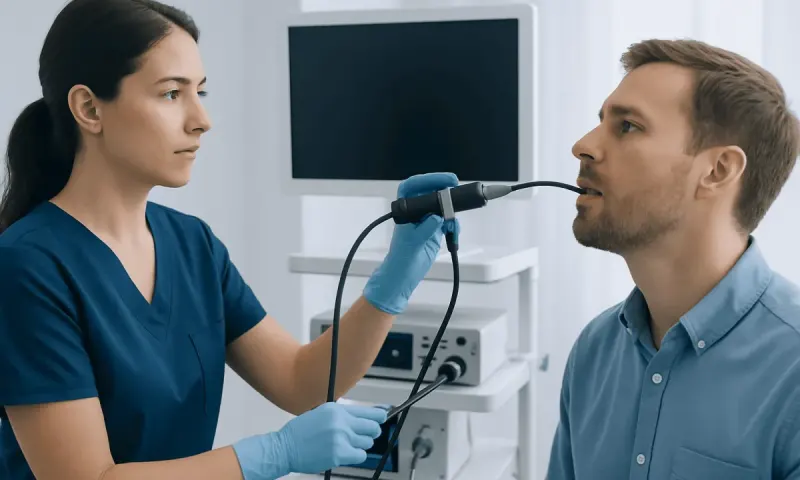
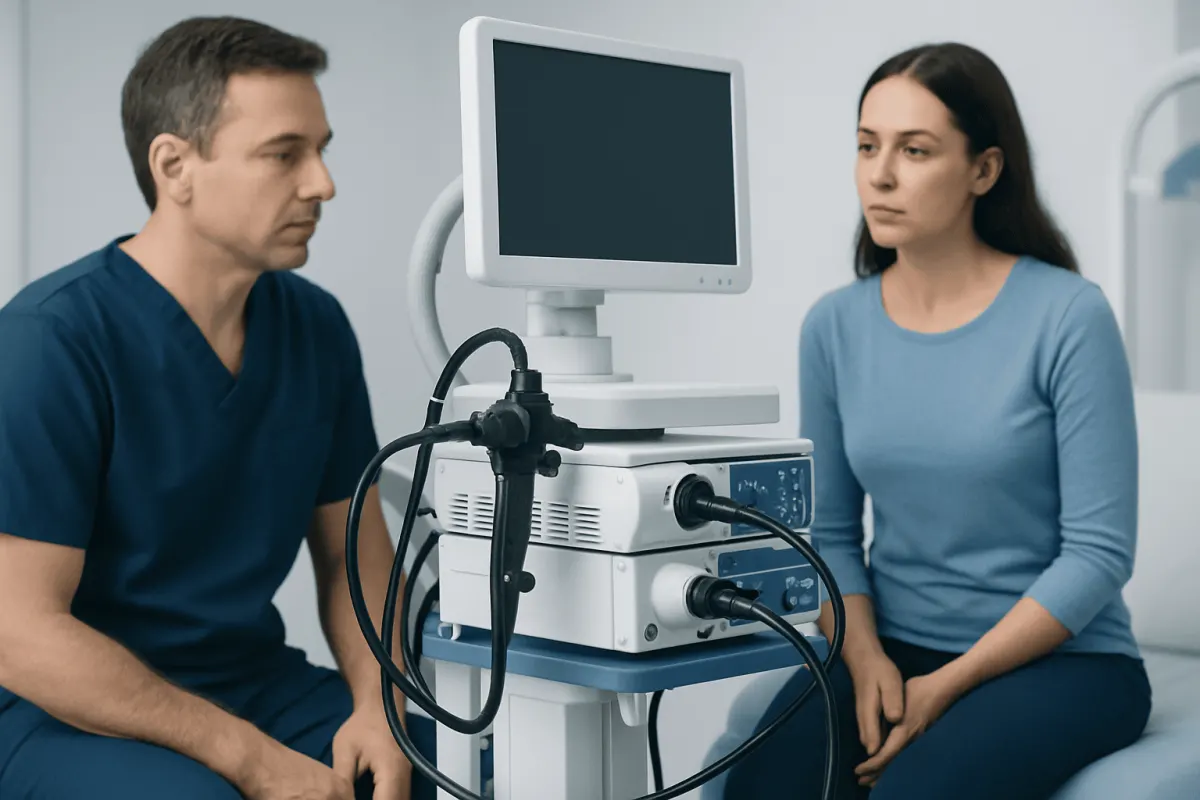
If the source remains unclear or there are risk factors, a doctor may recommend procedures such as anoscopy, sigmoidoscopy, or colonoscopy. These tests allow the bowel lining to be examined directly and may help diagnose inflammation, polyps, or other causes of bleeding. The need and timing for testing are individualized.
Keeping a short symptom record can be useful before an appointment. It may include stool color and frequency, bleeding episodes, pain, recent dietary changes, stress levels, medications, and any associated symptoms. This information can help the healthcare team make a careful, efficient assessment.
What can help while arranging medical advice
If the blood is a small amount of bright red blood and there are no urgent warning signs, it may help to avoid straining and support regular, soft bowel movements. Drinking enough fluids, gradually increasing fiber where appropriate, staying physically active, and responding to the urge to pass stool can reduce constipation for many people.
For people with diarrhea, maintaining hydration is important. It may also help to avoid foods or drinks that clearly worsen symptoms, such as excessive alcohol, caffeine, or highly spicy foods for some individuals. Persistent diarrhea, fever, severe cramps, or bleeding should be discussed with a clinician rather than managed at home alone.
Stress support can be a meaningful part of digestive care. Regular sleep, gentle exercise, relaxation breathing, time outdoors, counseling, and mindfulness-based practices may reduce stress-related bowel symptoms. These strategies can complement medical care, but they do not determine why bleeding is happening.
It is best to avoid repeated use of over-the-counter rectal products without advice if bleeding continues, as this may delay diagnosis or irritate sensitive tissue. A healthcare professional can advise on safe options based on the suspected cause and a person’s broader medical history.
When to seek medical care
Any new blood in stool is worth mentioning to a healthcare professional, especially if it happens more than once. A non-urgent appointment is appropriate for small, intermittent amounts of bright-red blood, particularly when there is no severe pain or illness but the cause is uncertain. Medical review is also important if there is a change in bowel habits, ongoing constipation or diarrhea, or symptoms that do not settle.
Urgent medical care is needed for black, tarry stools; a large amount of blood; vomiting blood; dizziness or fainting; marked weakness; shortness of breath; severe abdominal pain; or bleeding with fever and significant illness. These symptoms can indicate substantial bleeding or another condition requiring prompt treatment.
It is also important to seek timely evaluation for unintentional weight loss, persistent fatigue, loss of appetite, anemia, or a family history of colorectal cancer or inherited bowel conditions. Even when stress is high, these symptoms should be evaluated based on their medical significance.
Acıbadem Health Point’s multidisciplinary specialists and JCI-accredited hospitals can assess digestive symptoms and provide coordinated diagnostic and treatment planning for international patients. The appropriate next step depends on the pattern of bleeding, medical history, and examination findings.
Frequently asked questions
01Can anxiety make hemorrhoids bleed?
Anxiety does not directly cause hemorrhoids to bleed, but it may affect bowel habits. Stress-related constipation, diarrhea, or straining can irritate hemorrhoids and make bleeding more likely. Recurrent bleeding should be discussed with a healthcare professional.
02Can stress cause black stool?
Stress is not a usual cause of black, tarry stool. Black stool can sometimes result from iron supplements, bismuth-containing medicines, or dark foods, but it may also indicate bleeding higher in the digestive tract. Prompt medical assessment is important if stool is black and sticky or occurs with weakness, dizziness, or abdominal pain.
03Is blood in stool ever caused by IBS?
IBS can cause abdominal discomfort and changes in bowel habits, but it does not cause bleeding. A person with IBS who notices blood in stool should contact a clinician to look for another explanation. This is particularly important if symptoms are new or changing.
04How long should rectal bleeding last before seeing a doctor?
It is sensible to seek advice for any unexplained bleeding, even if it is small. A single brief episode after straining may have a minor cause, but bleeding that recurs, lasts beyond a bowel movement or two, or occurs with other symptoms should be assessed. Urgent symptoms require immediate care.
05Can constipation cause blood on toilet paper?
Yes. Hard stools and straining can cause an anal fissure or irritate hemorrhoids, leading to a small amount of bright-red blood on toilet paper. Increasing fluids and fiber gradually may help some people, but persistent bleeding still needs medical review.
06What tests are used to find the cause of blood in stool?
Testing depends on symptoms and risk factors. A doctor may perform an examination, request blood or stool tests, or recommend an endoscopic test such as colonoscopy. These steps help identify whether bleeding is from a minor anal condition, inflammation, infection, polyps, or another digestive cause.
This article is for general information only and is not a substitute for professional medical advice. Please consult a qualified doctor about your individual situation.
Persistent digestive symptoms? Get evaluated in Turkey
JCI-accredited · board-certified surgeons · reply within 24h
Add us as a Preferred Source to see more of our trusted health content across Google Search, AI Overviews and Discover.