Can Parkinson’s Disease Be Cured? Treatment and Outlook
Parkinson’s disease cannot currently be cured, but many people achieve meaningful, long-term control of movement and non-movement symptoms with personalized care. Treatment may include medication, rehabilitation, lifestyle support and, for selected people, advanced therapies such as deep brain stimulation.
Can someone say, “I cured my Parkinson’s disease”?
People searching for “I cured my Parkinson’s disease” are often looking for hope, confirmation after feeling better, or information about new treatments. At present, there is no medically proven cure that stops or reverses Parkinson’s disease for everyone. However, symptoms can improve substantially with the right treatment plan, and many people continue to work, travel, exercise and enjoy meaningful daily activities for years.
Parkinson’s disease is a progressive condition affecting brain cells involved in movement, especially cells that use dopamine. Symptoms and their speed of change vary widely between individuals. A period of excellent symptom control does not necessarily mean the condition has disappeared; it may mean treatment is working well, symptoms are fluctuating, or the original diagnosis needs review.
Claims of a cure should be discussed with a qualified neurologist before medicines are stopped or alternative therapies are started. Stopping Parkinson’s medicines suddenly can be unsafe. A careful assessment can help distinguish Parkinson’s disease from other conditions that may cause tremor, slowness or stiffness.
How Parkinson’s disease is diagnosed and followed
Parkinson’s disease is mainly diagnosed through a detailed medical history and neurological examination. Clinicians look for bradykinesia, meaning slowed movement, together with features such as resting tremor, rigidity, changes in walking, reduced facial expression or impaired balance. Symptoms often begin on one side of the body.
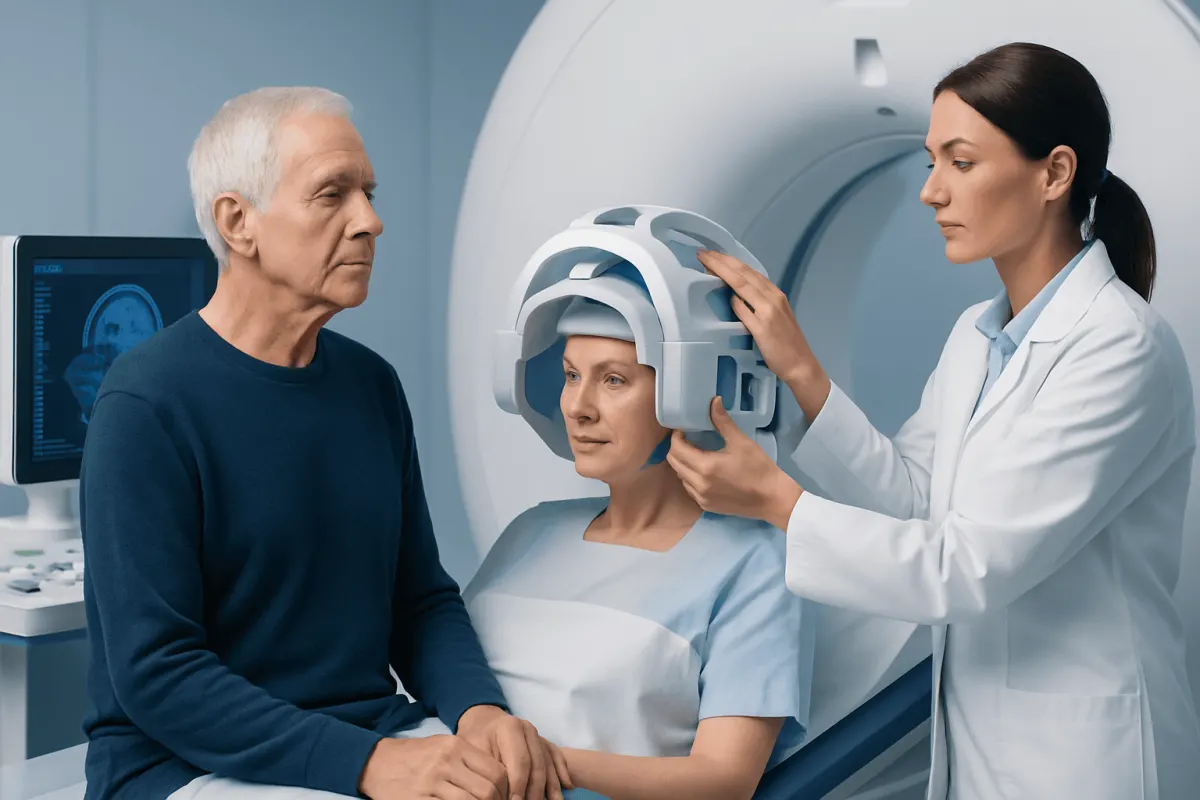
There is no single blood test that confirms Parkinson’s disease. Brain imaging may be used when the diagnosis is uncertain or when another cause of symptoms needs to be excluded. In some settings, specialized dopamine-transporter imaging can support the assessment, but it does not replace an experienced clinical examination.
Follow-up matters because Parkinson’s symptoms may change over time and treatment needs may change with them. Reviewing sleep, mood, thinking, bowel and bladder symptoms, pain, falls and medication effects is as important as monitoring tremor. A movement-disorders neurologist can provide additional expertise when symptoms are complex or diagnosis is unclear.
Modern treatment approaches for Parkinson’s disease
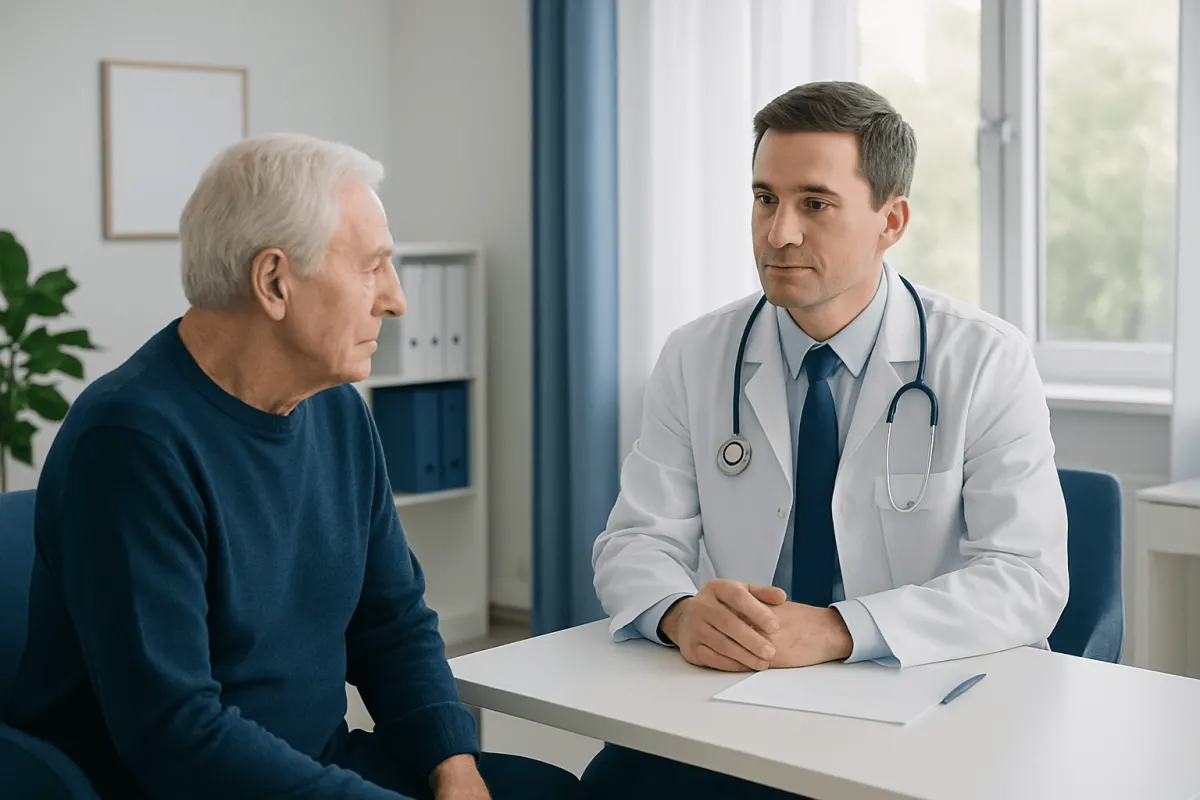
Treatment is individualized according to a person’s symptoms, age, work and family responsibilities, other health conditions and personal goals. Dopamine-replacement medicines and other medications can improve slowness, stiffness and tremor. They do not cure the underlying disease, but they can provide important symptom relief.
Medication schedules may need adjustment over time. Some people develop wearing-off periods, when benefit fades before the next dose, or involuntary movements called dyskinesias. These issues can often be addressed by changing the timing or type of medication, adding other therapies, and reviewing factors such as constipation, diet and sleep that can affect how treatment works.
For carefully selected people whose symptoms are not adequately controlled with medicines alone, deep brain stimulation may reduce tremor, stiffness, slowness or medication-related movement fluctuations. It is not a cure and does not suit every person, particularly when significant cognitive problems or certain balance difficulties are present. Speech therapy, occupational therapy and physiotherapy are also core parts of comprehensive Parkinson’s disease care.
Regular aerobic activity, strength and balance training, and exercise that a person enjoys can support mobility, mood and general health. Physical therapists can adapt exercises for freezing of gait, posture, fall prevention and confidence with daily movement. Speech and swallowing specialists may help with quieter speech, communication changes and swallowing concerns.
What is the most promising new treatment for Parkinson’s disease?
There is no single “most promising” new treatment proven to cure Parkinson’s disease. Research is moving in several important directions, including medicines designed to affect alpha-synuclein, a protein that accumulates in Parkinson’s disease; treatments that support or replace dopamine-producing cells; and gene-based approaches intended to change brain signaling or protect vulnerable cells.
Cell-replacement therapies are particularly notable because they aim to restore dopamine-producing cells in selected parts of the brain. Early-stage trials are evaluating their safety and potential benefits, but they remain experimental. Questions about long-term effectiveness, immune suppression, patient selection and whether they alter disease progression still need careful study.
Other studies are testing therapies that may slow disease processes rather than simply relieve symptoms. Results have been mixed, and a treatment should not be considered disease-modifying unless high-quality clinical trials demonstrate a clear benefit. Participation in a regulated clinical trial may be appropriate for some people, but it should be discussed with a neurologist and should never require stopping established care without medical guidance.
How do the Chinese treat Parkinson’s disease?
In China, Parkinson’s disease is commonly treated with the same evidence-based approaches used internationally, including levodopa-based medicines, other symptom-targeted medications, rehabilitation and, for appropriate candidates, deep brain stimulation. Neurologists tailor care to symptoms and consider non-motor concerns such as sleep disturbance, constipation, depression and cognitive change.
Traditional Chinese medicine, including acupuncture, tai chi, herbal products and other practices, may also be used by some people as complementary care. Tai chi and other supervised movement practices may support balance, fitness and wellbeing. Evidence for acupuncture or herbal therapies as treatments for the core symptoms of Parkinson’s disease is less certain, and they have not been proven to cure the condition.
Herbal preparations and supplements can interact with prescription medications or create side effects. Anyone considering complementary treatment should tell their neurologist and pharmacist exactly what they are taking. The safest approach is to use complementary methods alongside—not instead of—evidence-based medical care.
What is the estimated life expectancy for a 40-year-old person with Parkinson’s disease?
It is not possible to give a reliable individual life-expectancy estimate based on age alone. A person diagnosed at 40 often has young-onset Parkinson’s disease, which may progress differently from Parkinson’s diagnosed later in life. Many people with young-onset disease live for decades after diagnosis and may have a life span that is close to expected for their age, although outcomes vary.
Life expectancy is influenced by overall health, disease subtype, mobility, falls, swallowing difficulties, cognition, response to treatment and access to ongoing care. Parkinson’s itself is not usually the direct cause of death; complications such as falls, pneumonia, frailty or other medical conditions can become more important over time.
A neurologist can discuss prognosis in a personal, realistic way after considering current symptoms and health history. Regular exercise, treatment of swallowing or balance problems, prevention of falls, management of cardiovascular health and social support can all contribute to safer long-term living.
What are some thoughtful gifts for people with Parkinson’s disease?
Thoughtful gifts usually support comfort, enjoyment, independence or connection rather than emphasizing illness. The best choice depends on the person’s interests, abilities and preferences. Asking discreetly what would make everyday life easier can be more helpful than assuming a need.
Practical options may include easy-grip kitchen tools, a lightweight cup with a lid, a voice-controlled device, a comfortable supportive pillow, warm clothing that is easy to put on, or a subscription to music, audiobooks or favorite films. For someone who enjoys activity, a class designed for gentle exercise, dance, tai chi or art may offer both pleasure and social contact.
Experiences can be especially meaningful: arranging a meal, offering transport to an appointment, planning an accessible outing, or giving time for a shared hobby. Avoid gifts that make promises of a cure, unverified supplements, or equipment that has not been discussed with a healthcare professional. Respecting the person’s autonomy is often the most valuable form of support.
When to seek medical care
A person should arrange a medical assessment for a new persistent tremor, increasing stiffness, slowed movement, shuffling steps, repeated falls, or unexplained changes in handwriting, voice or facial expression. These symptoms can have several causes, and early evaluation helps ensure the right diagnosis and treatment plan.
People already diagnosed with Parkinson’s disease should contact their care team if medications no longer seem effective, troublesome involuntary movements occur, falls increase, swallowing becomes difficult, hallucinations develop, or mood and thinking change noticeably. Sudden confusion, severe weakness, chest pain, difficulty breathing, a suspected stroke or an injury after a fall requires urgent medical attention.
Acıbadem Health Point’s multidisciplinary specialists and JCI-accredited hospitals can assess Parkinson’s disease and provide coordinated treatment planning for international patients. Ongoing care is most effective when the person, family and healthcare team work together to set practical goals and review them regularly.
Frequently asked questions
01Can Parkinson’s disease go into remission?
Parkinson’s disease is not generally considered a condition that goes into true remission. Symptoms may become much less noticeable for periods because of effective treatment, exercise, sleep improvement or natural variation. Ongoing medical follow-up is still important even when a person feels very well.
02Can Parkinson’s disease be reversed with diet or exercise?
No diet or exercise program has been proven to reverse Parkinson’s disease. Regular physical activity and a balanced eating pattern can support mobility, energy, bowel function, mood and overall health. They work best as part of a treatment plan designed with healthcare professionals.
03Is deep brain stimulation a cure for Parkinson’s disease?
No. Deep brain stimulation can improve selected movement symptoms and reduce medication-related fluctuations for some appropriately chosen people. It does not stop the disease process and does not treat every Parkinson’s symptom.
04Can a person with Parkinson’s disease live a normal life?
Many people continue to live active, fulfilling lives with Parkinson’s disease, particularly when symptoms are monitored and treated early. The meaning of “normal” differs from person to person, and adapting routines or work may be helpful. Rehabilitation, family support and treatment adjustments can preserve independence.
05What should a person do before trying a Parkinson’s cure advertised online?
They should discuss it with a neurologist or pharmacist before spending money, changing medication or taking supplements. Reliable treatments should have transparent evidence from well-designed clinical studies and appropriate regulatory oversight. Products that promise a guaranteed cure or advise stopping prescribed medicines should be treated with caution.
06Does Parkinson’s disease always get worse quickly?
No. Parkinson’s disease progresses at different rates, and some people have mild symptoms for many years. Symptoms can also fluctuate from day to day, especially as medication effects change. Regular reviews allow treatment to be adapted to a person’s current needs.
This article is for general information only and is not a substitute for professional medical advice. Please consult a qualified doctor about your individual situation.
Explore treatments in Turkey — costs, top hospitals & a free quote
JCI-accredited · board-certified surgeons · reply within 24h
Add us as a Preferred Source to see more of our trusted health content across Google Search, AI Overviews and Discover.