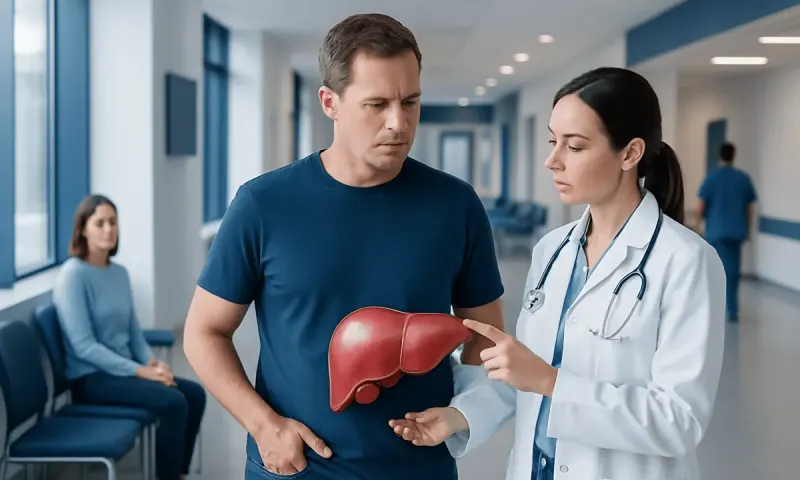
Can Energy Drinks Harm Your Liver Over Time?
For most healthy adults, having an energy drink occasionally is unlikely to cause liver damage. However, frequent use, consuming several products in a short time, mixing them with alcohol, or using products high in certain ingredients may increase the chance of liver-related problems and deserves medical attention if symptoms occur.
Are energy drinks bad for your liver?
For most healthy adults, an occasional energy drink is unlikely to harm the liver. The concern rises when energy drinks are used frequently, several are consumed over a short period, they are combined with alcohol or other stimulants, or a person already has liver disease or takes medicines that can affect the liver.
Energy drinks are not all the same. Their caffeine, sugar, vitamins and plant-based additives can vary widely, and serving sizes may be larger than expected. Rare cases of acute liver injury have been reported after heavy energy drink intake, although it can be difficult to identify one ingredient as the cause because people may also use alcohol, medicines, supplements, or other products.
The reassuring point is that serious liver injury is not expected after a single, occasional drink in most people. Still, symptoms such as yellow skin or eyes, dark urine, severe or persistent Abdominal Pain: Causes and Treatment" class="ahp-ilk">upper abdominal pain, repeated vomiting, or unusual confusion should never be attributed to an energy drink alone and should be assessed promptly.
Why energy drinks may affect liver health
The liver processes nutrients, medicines, alcohol and many chemicals found in foods and drinks. Caffeine itself is mainly processed by the liver, but usual dietary amounts of caffeine are not generally considered a direct cause of liver damage in healthy adults. Problems are more likely when total exposure is high or when energy drinks are combined with other substances.
Some energy drinks contain high amounts of B vitamins, particularly niacin (vitamin B3). Niacin is essential in small amounts, but excessive supplemental intake can injure the liver. Labels may list vitamins per serving while a can contains more than one serving, so checking both the serving size and the total amount consumed is important.
Multi-ingredient products can also include herbal extracts, amino acids, sweeteners and other stimulants. Evidence for the liver effects of many combinations is limited. This uncertainty is one reason to avoid using energy drinks as a daily performance aid or combining multiple caffeinated beverages, pre-workout powders, or supplements without professional advice.
High-sugar drinks may also contribute indirectly to long-term metabolic health concerns when consumed regularly. Excess calorie and sugar intake can support weight gain and insulin resistance, which are associated with fatty liver disease. An energy drink is rarely the only factor, but routine intake can be part of an overall pattern worth reviewing.
Who may be at higher risk?

People with known liver disease should be particularly cautious with energy drinks and should ask their doctor which products are appropriate. This includes people with fatty liver disease, viral hepatitis, cirrhosis, previous unexplained abnormal liver tests, or a history of medication- or supplement-related liver injury.
Risk may also be higher for people who drink alcohol regularly or binge drink, especially if alcohol and energy drinks are used together. Caffeine can make a person feel more awake without reducing alcohol-related impairment. This can lead to drinking more alcohol than intended and may increase strain on the liver as well as the risk of injury and dehydration.
People taking prescription or over-the-counter medicines should be careful with energy drinks, especially when using several products that contain caffeine or supplements. A pharmacist or doctor can help review possible interactions and identify medicines that require liver monitoring. Pregnant people, children, adolescents, and individuals with heart rhythm concerns should also seek individualized guidance because energy drinks can affect more than liver health.
- Drinking multiple cans or shots in one day
- Using energy drinks with alcohol, stimulant medicines, or recreational drugs
- Taking high-dose vitamin or herbal supplements at the same time
- Having a pre-existing liver condition or metabolic risk factors
- Using energy drinks during illness, dehydration, or intense exercise
Possible signs of liver problems
Liver injury can be mild at first and may cause no symptoms. When symptoms occur, they can include unusual fatigue, poor appetite, nausea, vomiting, itching, discomfort or pain under the right ribs, and feeling generally unwell. These symptoms have many possible causes and do not automatically mean that the liver is damaged.
More specific warning signs include jaundice, which is yellowing of the skin or whites of the eyes, dark tea-colored urine, pale stools, swelling in the abdomen or legs, easy bruising, or new confusion. These symptoms need medical assessment because they can indicate a significant liver or bile duct problem.
It is sensible to stop the energy drink and avoid alcohol or non-essential supplements if symptoms begin after use, unless a clinician has advised otherwise. However, people should not stop prescribed medicines without speaking to the clinician who prescribed them. A careful medical review is the safest way to determine whether symptoms are related to an energy drink, another substance, or an unrelated illness.
How a doctor checks possible liver injury
A doctor will usually start by asking about symptoms and reviewing all products used in recent days or weeks. This includes energy drinks, caffeine shots, workout products, herbal remedies, vitamins, over-the-counter pain medicines, prescription medicines, alcohol, and recreational substances. Bringing product labels or photographs of the ingredients can be helpful.
Blood tests can measure liver enzymes, bilirubin, proteins made by the liver, blood clotting, and other markers that help show whether the liver may be inflamed or functioning less effectively. Depending on the findings, a doctor may also test for viral hepatitis, metabolic conditions, or other possible causes of abnormal results.
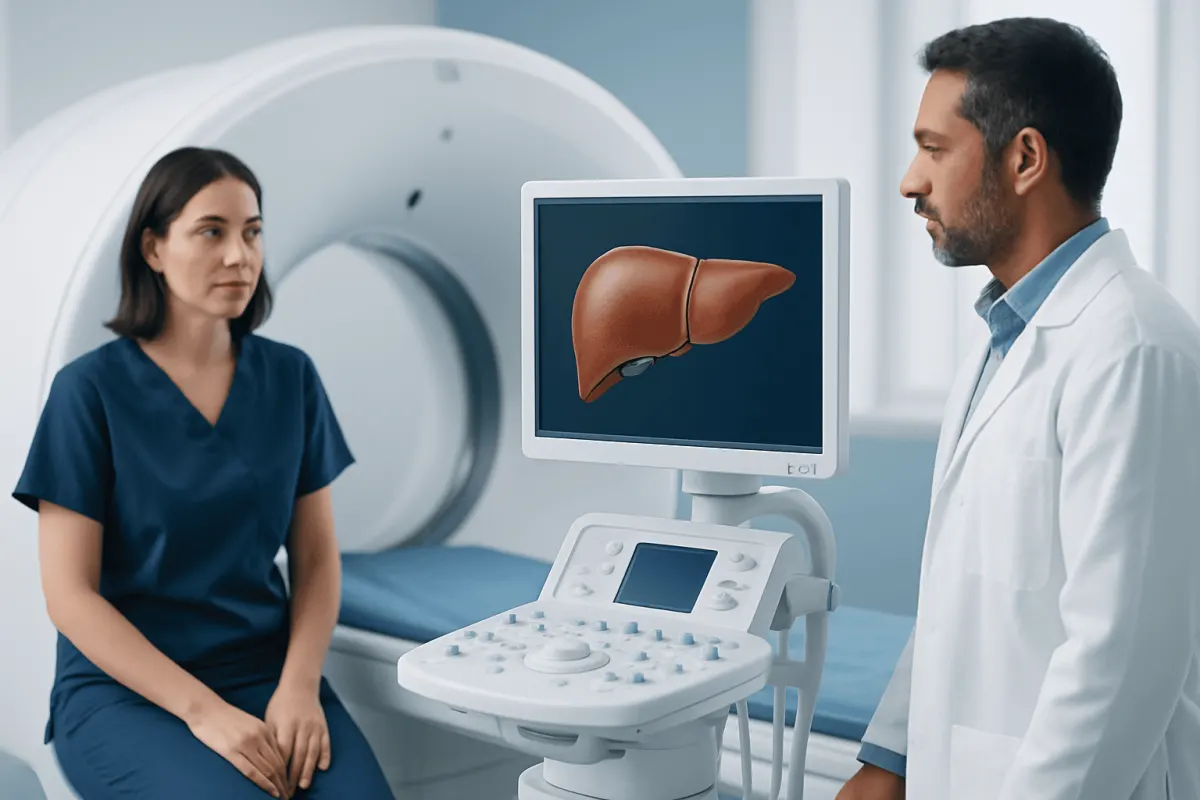
An ultrasound or other imaging test may be recommended if there is abdominal pain, persistent test abnormalities, suspected fatty liver, or concern about the bile ducts. In some situations, specialist input is needed to clarify the cause and guide follow-up. Evaluation focuses on the whole clinical picture rather than assuming that an energy drink is responsible.
If liver tests are abnormal, clinicians may advise avoiding alcohol and unnecessary supplements while the cause is investigated. Supportive care and monitoring are often sufficient when a suspected product is discontinued early, but management depends on the severity and the underlying cause.
Safer choices for energy and liver health
The safest approach is to treat energy drinks as occasional products rather than a routine source of energy. Reading the label helps people understand caffeine per serving, number of servings in the container, sugar content, vitamins, and added ingredients. It is also wise to avoid using more than one energy product at a time.
Sleep, regular meals, hydration, movement, and managing stress are more reliable ways to support daily energy. For people who want caffeine, coffee or tea in moderate amounts may be easier to track because ingredient lists are simpler, although individual tolerance and medical conditions still matter.
People should avoid mixing energy drinks with alcohol. They should also avoid relying on them during prolonged exercise, illness, or sleep deprivation, when the body may need rest, food, fluids, or medical advice instead. Anyone with liver disease or abnormal liver tests should discuss caffeinated and supplement-containing drinks with their healthcare professional.
For people seeking evaluation across digestive and metabolic concerns, Acıbadem Health Point’s multidisciplinary specialists at JCI-accredited hospitals can assess liver symptoms and coordinate appropriate care for international patients.
When to seek medical care
Urgent medical care is needed for yellowing of the eyes or skin, dark urine with pale stools, severe or worsening abdominal pain, repeated vomiting, fainting, chest pain, severe palpitations, shortness of breath, seizures, marked agitation, or confusion. These symptoms may have causes other than energy drinks, but they should be evaluated without delay.
A non-urgent doctor’s appointment is appropriate for persistent nausea, unexplained fatigue, reduced appetite, itching, discomfort in the upper right abdomen, or concerns about frequent energy drink use. A clinician can review the person’s overall caffeine intake, alcohol use, medicines, supplements, health history, and any need for liver blood tests.
Seeking advice early is a practical, reassuring step. Most people with concerns will not have serious liver injury, and timely assessment can identify common, treatable explanations for symptoms or abnormal test results.
Frequently asked questions
01Can one energy drink damage the liver?
For most healthy adults, one occasional energy drink is unlikely to damage the liver. Risk is more relevant with repeated high intake, products with large amounts of certain ingredients, alcohol use, underlying liver disease, or use of other supplements and medicines.
02Which ingredient in energy drinks is most concerning for the liver?
High supplemental amounts of niacin have been linked to liver injury and are one possible concern in some energy drink products. Because products often contain several ingredients, including herbal extracts, it may not always be possible to identify one cause when liver tests become abnormal.
03Is it safe to mix energy drinks with alcohol?
Mixing energy drinks with alcohol is not recommended. Caffeine can reduce the feeling of sleepiness while alcohol still impairs judgment and coordination, which may encourage greater alcohol intake and raise health risks.
04Can energy drinks cause fatty liver disease?
An energy drink does not usually cause fatty liver disease by itself. However, frequent intake of sugar-sweetened drinks can add calories and contribute to weight gain and metabolic changes that are associated with fatty liver disease.
05How long does it take for the liver to recover after stopping energy drinks?
Recovery depends on whether there is liver injury, its severity, and any other contributing factors such as alcohol, medicines, infection, or metabolic disease. A doctor can use repeat blood tests and, when needed, imaging to monitor recovery and provide tailored advice.
06Should someone have liver tests if they drink energy drinks every day?
Routine testing is not necessary for every person who uses energy drinks. However, medical advice is sensible for daily or heavy use, liver-related symptoms, known liver disease, alcohol use, or concerns about medicines and supplements.
This article is for general information only and is not a substitute for professional medical advice. Please consult a qualified doctor about your individual situation.
Explore treatments in Turkey — costs, top hospitals & a free quote
JCI-accredited · board-certified surgeons · reply within 24h
Add us as a Preferred Source to see more of our trusted health content across Google Search, AI Overviews and Discover.