Can Autistic People Drive Safely and Independently?
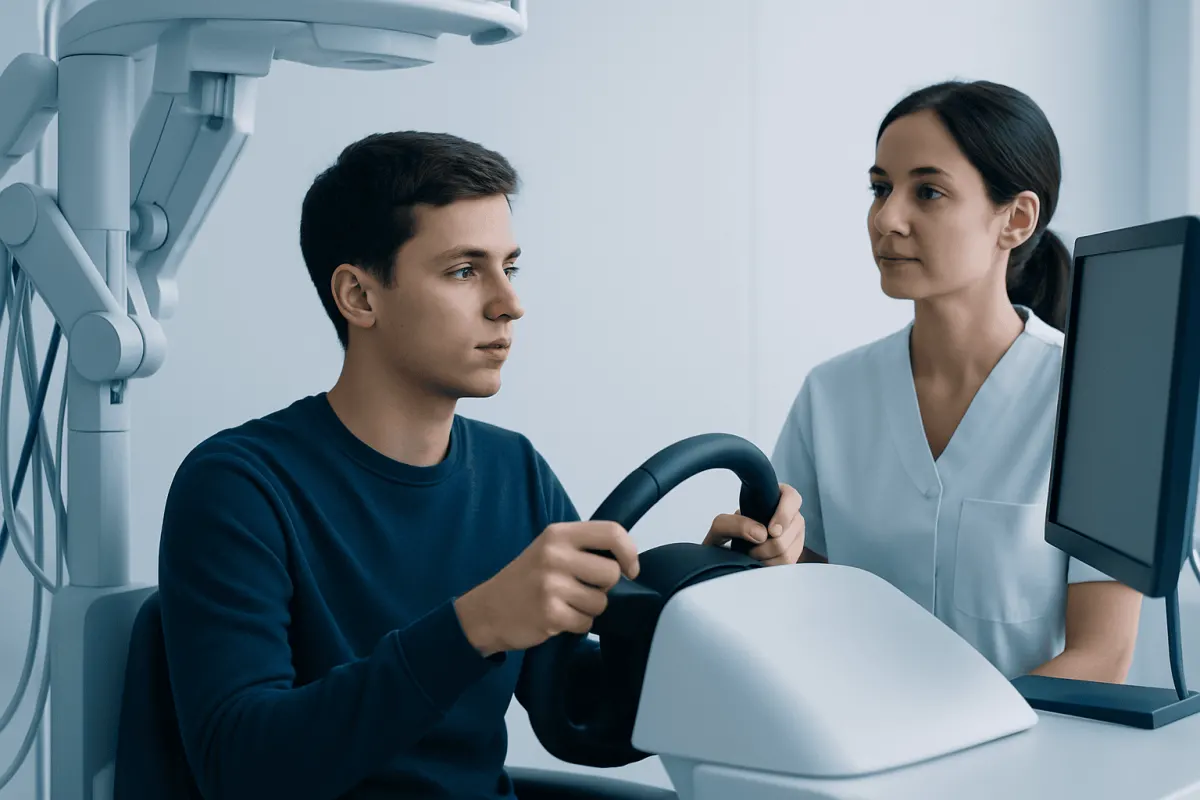
Yes, autistic people can drive, and many become safe, independent drivers. Autism alone does not determine driving ability; the important factors are the person’s practical driving skills, comfort behind the wheel, attention, vision, health needs and the licensing requirements where they live.
Can autistic people drive safely?
Yes, autistic people can drive. Many autistic teenagers and adults learn to drive, pass the required tests and drive safely in daily life. Autism is a spectrum, so driving ability cannot be predicted from a diagnosis alone. For many people, the process simply takes time, suitable instruction and repeated practice in a calm, structured setting.
Driving depends on a combination of skills: understanding road rules, controlling a vehicle, making decisions, noticing hazards, managing distractions and responding to unexpected events. An autistic person may have clear strengths in some of these areas, such as following rules carefully, concentrating on a route or preferring predictable routines. Others may find sensory input, rapid changes or multitasking more challenging.
The key question is not whether a person is autistic, but whether they can drive safely and consistently under the conditions they are likely to encounter. A qualified driving instructor, and when needed a healthcare professional or driving rehabilitation specialist, can help assess readiness in a practical and supportive way.
How autism may affect the driving experience
Autism can affect communication, sensory processing, attention and comfort with change, but these differences vary greatly between individuals. Busy traffic, horns, flashing signs, bright headlights, strong smells or the movement of other vehicles may feel overwhelming for some drivers. Others may be particularly attentive to road signs, speed limits and driving routines.
Some autistic learners need more time to coordinate steering, mirrors, pedals, navigation and observation of other road users. It may also be harder to interpret informal social cues, such as another driver’s gesture at a junction. These skills can often be learned through direct teaching, clear explanations and supervised repetition rather than assumed understanding.
Anxiety can also affect driving, especially during early lessons, in unfamiliar locations or in heavy traffic. Anxiety does not necessarily mean that someone cannot drive. However, it is helpful to address it early, as feeling panicked, frozen or unable to focus can reduce confidence and safety.
- Common helpful approaches include practising at quieter times of day and using familiar routes first.
- Lessons with one instructor and a consistent vehicle may reduce uncertainty.
- Breaking complex tasks into smaller steps can make skills easier to learn.
- Planned breaks may help drivers who become fatigued or overstimulated.
What supports can make learning to drive easier?

Learning to drive is not a race. Some autistic people are ready at the usual licensing age, while others prefer to start later after building confidence with road awareness, cycling, public transport or passenger experience. The appropriate time is when the learner feels willing to practise and can engage safely with instruction.
A driving instructor who is patient, explicit and willing to adapt lessons can be especially valuable. It may help to explain that the learner benefits from concrete feedback, advance notice of route changes, written reminders or extra time to process new situations. The learner does not have to disclose an autism diagnosis to an instructor unless they wish to, although sharing useful learning preferences can improve support.
Before driving in more demanding settings, learners can practise one skill at a time. For example, they may first become comfortable with vehicle controls in a quiet area, then add junctions, parking, navigation, night driving or motorway driving gradually. Visual route plans, checklists and driving apps may be useful, but they should never distract the driver while the vehicle is moving.
Family members can support practice by keeping feedback calm and specific. Comments such as “check the left mirror before moving out” are usually more useful than broad criticism. If lessons repeatedly cause distress or progress has stopped, changing the teaching approach or instructor may be a constructive next step.
Red flags that need medical review before driving
Most autistic people do not need special medical testing simply because they are autistic. However, certain health concerns can affect driving safety for anyone and should be discussed with a doctor before driving or continuing to drive. These concerns are not caused by autism itself, but they may occur alongside it.
A prompt medical review is appropriate after a seizure, unexplained blackout, fainting episode, sudden confusion, severe dizziness, new weakness, significant daytime sleepiness or any event involving reduced awareness. A person should not drive until they have received medical advice if they have had an episode that could make them lose control of a vehicle. National and local rules may also require notification to a licensing authority.
Vision changes, hearing difficulties, frequent migraines with disabling symptoms, severe anxiety or panic attacks, and medication side effects may also need assessment. Sedating medicines, including some medicines used for sleep, anxiety, pain or allergies, can slow reaction time or cause drowsiness. A prescriber can advise whether driving should be avoided while starting or changing a medicine.
Co-occurring conditions may require their own assessment and treatment. For example, a person with episodes suggestive of epilepsy needs specialist guidance about diagnosis, treatment and legal fitness to drive. The safest plan is always individual and based on symptoms, medical history and applicable driving regulations.
How doctors assess concerns about fitness to drive
When a person or family member has concerns about driving, a doctor begins by asking what has happened and when. They may ask about concentration, sensory overload, sleep, anxiety, near-misses, accidents, blackouts, seizures, headaches, medications and alcohol or substance use. Information from a parent, partner or driving instructor can sometimes help, provided the person agrees.
The assessment may include checking vision, hearing when indicated, blood pressure, neurological function and general health. If symptoms suggest a specific condition, the doctor may arrange further tests or refer to a relevant specialist. For example, recurrent fainting may need heart or neurological evaluation, while suspected sleep-related impairment may require assessment for a sleep disorder.
A doctor may also recommend an on-road assessment with a driving rehabilitation professional where such services are available. This is different from a standard licence test: it looks at practical abilities and can identify supports, vehicle adaptations or training goals. It should be viewed as a way to understand needs, not as a judgement about an autistic person’s independence.
Autism assessments themselves are not usually driving tests. If an adult is seeking clarification about lifelong social, sensory or communication differences, a clinician may discuss autism spectrum disorder assessment and support. This can help a person access appropriate strategies, but a diagnosis alone does not decide whether they can drive.
Practical self-care and safer driving habits
Preparation can make driving more manageable. Before setting off, the driver can check the route, fuel or charging level, weather and expected traffic. Allowing extra time reduces the pressure to rush. For an unfamiliar journey, it may be helpful to review the route in advance or travel it first as a passenger.
Sensory comfort matters, provided it does not interfere with safety. Some drivers prefer a quiet car, comfortable temperature, sunglasses suitable for daylight driving or reduced conversation from passengers. Music, podcasts and navigation instructions should be kept at a level that does not take attention away from the road. Headphones should not be used while driving because they can limit awareness of traffic sounds.
Drivers should avoid getting behind the wheel when exhausted, highly distressed, unwell, impaired by alcohol or drugs, or affected by a medication that causes drowsiness. Pulling over safely and taking a break is sensible if sensory overload or panic begins during a journey. If this happens repeatedly, it is worth discussing with a doctor or mental health professional.
Regular practice helps skills become more automatic. A gradual plan may include quiet roads, daytime driving, varied weather, busier junctions and eventually unfamiliar routes. Driving independently should begin only when the learner, instructor and legal testing process indicate that they can manage these tasks safely.
When to seek medical care
Medical advice should be sought promptly if a driver has a seizure, loss of consciousness, sudden confusion, severe dizziness, chest pain, a major new vision change or a neurological symptom such as weakness or difficulty speaking. These symptoms need assessment regardless of whether the person has autism. The individual should stop driving until a qualified clinician advises that it is safe to resume.
A non-urgent appointment is appropriate if driving causes persistent panic, overwhelming sensory distress, repeated near-misses, difficulty staying awake, concerns about medication effects or a noticeable decline in attention or reaction time. A doctor can look for treatable contributors and discuss referrals or practical supports.
It can be reassuring to remember that needing extra lessons or choosing not to drive is not a failure. Independent travel can include public transport, walking, cycling, taxis or support from family and friends. For people who wish to drive, a gradual, individualised approach gives the best opportunity to build safe confidence.
Acıbadem Health Point’s multidisciplinary specialists and JCI-accredited hospitals can assess health concerns that may affect driving and help international patients access appropriate care. Local licensing authorities remain the source of legal requirements for driving eligibility and medical reporting.
Frequently asked questions
01Can an autistic person get a driving licence?
In many countries, autistic people can apply for a learner permit and driving licence in the same way as other applicants. Eligibility depends on meeting local legal, vision, knowledge and practical driving requirements. Autism alone does not usually disqualify a person from holding a licence.
02Do autistic people need to tell the licensing authority about autism?
Requirements differ by country, state or region. In many places, autism itself does not need to be reported unless it is associated with another condition that affects safe driving. The person should check the rules of their local licensing authority and ask a clinician if unsure.
03Why might an autistic person take longer to learn to drive?
Driving requires several tasks to be managed at once, often in noisy and unpredictable surroundings. Some autistic learners benefit from more time to process instructions, practise hazard awareness and become comfortable with sensory demands. Taking longer does not mean they will be unable to drive safely.
04Can sensory overload make driving unsafe?
It can, particularly if the driver becomes so distressed or distracted that they cannot focus on the road. Drivers who notice early signs of overload should pull over somewhere safe when possible and take time to recover. Recurrent episodes should be discussed with a healthcare professional and a driving instructor.
05Should an autistic person use a specialist driving instructor?
A specialist instructor is not essential for everyone, but an instructor experienced with neurodivergent learners may be helpful. Clear, structured teaching and consistent feedback are often more important than a specific label. It is reasonable to try different instructors until the learner finds a good fit.
06Can someone drive if they have autism and anxiety?
Many people with autism and anxiety drive successfully. If anxiety causes panic, freezing, dizziness, avoidance or poor concentration while driving, it should be addressed before independent driving. A clinician can help identify suitable treatment and coping strategies.
This article is for general information only and is not a substitute for professional medical advice. Please consult a qualified doctor about your individual situation.
Explore treatments in Turkey — costs, top hospitals & a free quote
JCI-accredited · board-certified surgeons · reply within 24h
Add us as a Preferred Source to see more of our trusted health content across Google Search, AI Overviews and Discover.