Can Athlete’s Foot Spread to the Face?
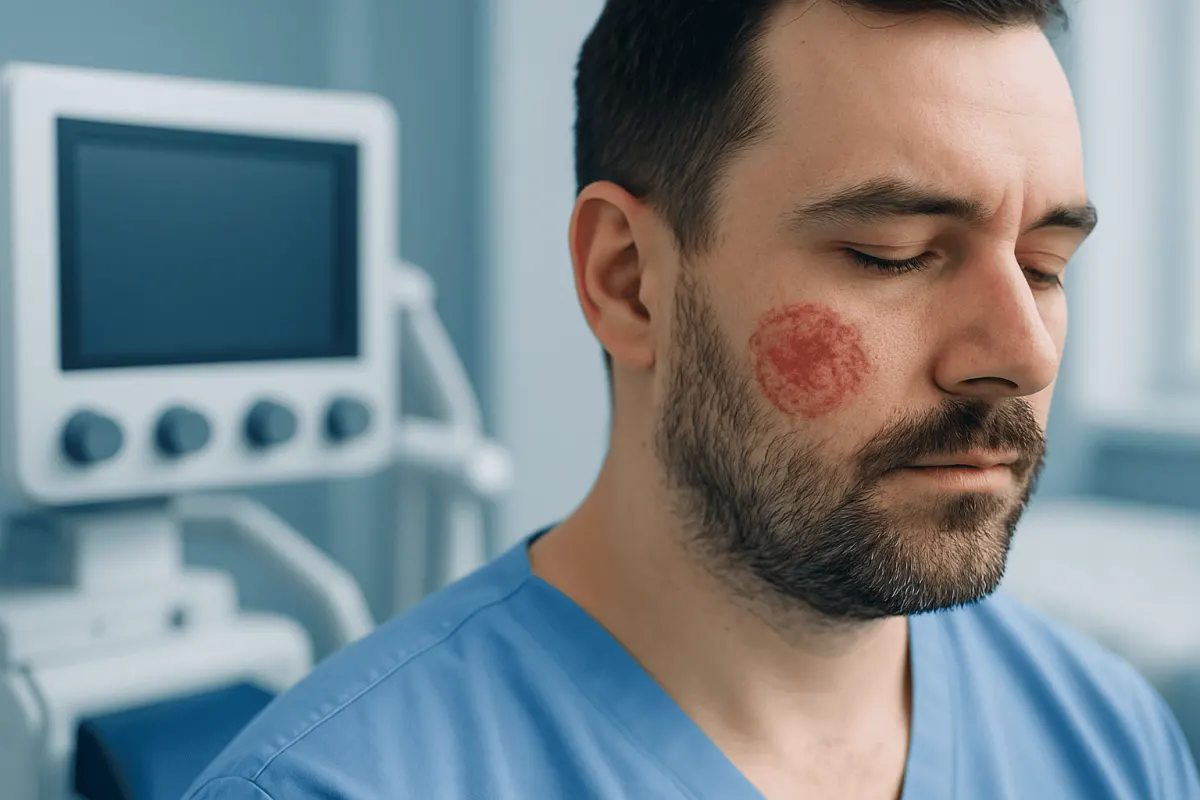
Athlete’s foot can spread to the face when dermatophyte fungi are transferred from the feet or another affected body area, although this is not common. Most fungal skin infections are manageable with appropriate treatment, but a new, persistent, or worsening facial rash should be assessed by a healthcare professional.
Can athlete’s foot spread to the face?
Yes, athlete’s foot can spread to the face, but this is uncommon. Athlete’s foot is caused by dermatophytes, a group of fungi that live in the outer layer of skin. If fungal material is transferred from an infected foot to the face by hands, towels, clothing, or grooming items, it may cause a facial fungal infection called tinea faciei.
For most people, athlete’s foot remains limited to the feet, especially between the toes or on the soles. When it does spread, the hands, groin, nails, or other skin areas are often involved more commonly than the face. A facial rash is not automatically a fungal infection, however, and many harmless or treatable skin conditions can look similar. A clinician can help identify the cause when there is uncertainty.
There is usually no need for alarm if a small, mild rash appears. Still, it is sensible to seek timely advice if the rash is close to an eye, is painful, rapidly worsening, produces pus or crusting, or occurs with fever or significant swelling. These features can suggest another condition or a secondary bacterial infection that needs medical attention.
What a fungal infection on the face may look and feel like
Tinea faciei often appears as one or more round or oval patches that gradually expand. The border may be raised, slightly red or darker than the surrounding skin, scaly, and more noticeable than the centre. Itching is possible, but some people have only mild irritation, dryness, or flaking.
On different skin tones, redness may be less obvious. The affected area may instead look darker, purplish, grayish, or lighter than nearby skin. The pattern can also be less typical on the face than on the body, especially after use of anti-inflammatory steroid creams. These creams can reduce visible redness while allowing a fungal infection to continue spreading, sometimes creating a less recognizable rash known as tinea incognito.
Fungal infection should not be assumed from appearance alone. Facial eczema, contact dermatitis from cosmetics or skincare products, seborrheic dermatitis, psoriasis, rosacea, impetigo, and acne-related conditions may all cause redness, scaling, or itching. A careful assessment is particularly helpful if a rash keeps returning or does not respond as expected to basic care.
How athlete’s foot can be transferred to the face

Dermatophytes spread through direct contact with infected skin or indirectly through contaminated surfaces and personal items. A person may touch or scratch an infected foot and then touch their face before washing their hands. This is more likely when athlete’s foot is untreated, peeling, cracked, or persistently itchy.
Shared towels, washcloths, socks, footwear, bedding, razors, and exercise equipment can also carry fungal particles for a period of time. Shaving or friction may create tiny breaks in the skin barrier, which can make it easier for fungi to establish an infection in the beard area or elsewhere on the face. Facial fungal infection in the beard area is sometimes referred to as tinea barbae and may involve inflamed bumps around hairs.
Risk may be higher in warm, humid settings and in people who sweat heavily, wear damp shoes for long periods, use communal changing areas, or have frequent skin-to-skin contact through sport. Diabetes, a weakened immune system, poor circulation, and certain medicines can increase the likelihood of more persistent or extensive skin infections. These factors do not mean spread will occur, but they support seeking professional advice earlier.
When to seek medical care
A non-urgent medical appointment is appropriate for a facial rash that persists for more than a short period, expands, recurs, or does not improve with sensible hygiene measures. Assessment is also recommended if there is known athlete’s foot together with a new scaly or itchy facial patch, especially when the diagnosis is unclear. Early care can reduce discomfort and help prevent spread to other body areas or household members.
More prompt medical advice is important when the rash affects the eyelids or area around the eyes, becomes very swollen or painful, develops blisters, pus, yellow crusts, or open sores, or is accompanied by fever. People with diabetes, immune suppression, extensive eczema, or a history of difficult-to-treat skin infections should contact a clinician sooner rather than trying multiple products independently.
It is best to avoid applying a topical steroid cream to a suspected fungal rash unless a clinician has advised it. Steroids alone may alter the appearance of ringworm and delay correct treatment. Avoid scratching, do not share towels or grooming tools, and wash hands after touching the feet or affected skin while waiting for an appointment.
How doctors diagnose a facial fungal infection
A doctor or dermatologist will usually begin by asking about the rash, its timing, itching or discomfort, foot symptoms, contact with infected people or animals, sports participation, and products already used on the skin. They will examine the face and may inspect the feet, toenails, hands, groin, and other areas where dermatophyte infection can occur. Looking beyond the face can provide useful clues about the source.
When the diagnosis is uncertain, the clinician may gently scrape a small amount of scale from the edge of the rash. The sample can be examined under a microscope using a potassium hydroxide preparation or sent for fungal culture or another laboratory test. These tests can help distinguish a fungal infection from inflammatory skin disorders and guide the most appropriate treatment.
Testing is especially useful when a rash has persisted despite treatment, has an unusual appearance, involves hair-bearing areas, or may be caused by bacteria rather than fungi. A clinician may also consider whether a medication reaction, autoimmune skin disorder, or another medical condition could explain the symptoms. This approach helps avoid unnecessary treatment and supports accurate care.
Treatment and everyday care
Confirmed facial fungal infections are commonly treated with an antifungal medicine selected by a healthcare professional. For small, superficial areas, a topical antifungal may be suitable. More widespread infection, involvement of hair follicles or the beard area, repeated infection, or failure of topical treatment may require an oral antifungal medicine. The choice depends on the diagnosis, location, severity, other health conditions, and medicines a person takes.
It is important to use treatment exactly as directed and to continue for the advised duration, even if the rash begins to look better sooner. Stopping too early can allow the infection to return. If athlete’s foot is also present, it should be treated at the same time; otherwise, the feet may remain a source for reinfection. Toenail fungal infection may also need assessment when it appears to be contributing to recurrent skin symptoms.
Gentle skincare can support recovery. The face should be washed with a mild cleanser and patted dry rather than scrubbed. Heavy, irritating, or fragranced products may be best avoided on an inflamed rash. A clinician should review any lack of improvement, worsening symptoms, or new rash after treatment begins, rather than relying on repeated use of over-the-counter products.
Reducing the chance of spread or recurrence
Good foot and hand hygiene are the most practical ways to reduce fungal spread. Feet should be washed and dried thoroughly, including between the toes. Fresh socks should be worn daily and changed after heavy sweating. Breathable footwear and alternating shoes can help reduce trapped moisture, while shoes that remain damp should be dried fully before being worn again.
People should wash their hands after applying foot medication or touching an affected area, and avoid scratching the feet and then touching the face. Towels, washcloths, socks, razors, and makeup applicators should not be shared. Laundry that contacts infected skin can be washed regularly according to fabric-care instructions, and shared bathroom surfaces should be kept clean and dry.
Communal showers, poolside changing rooms, and gym areas can be common places for dermatophytes to spread. Wearing shower shoes in these settings and avoiding bare feet on wet shared floors can be helpful. These measures cannot prevent every infection, but they lower exposure and are particularly worthwhile for people with recurring athlete’s foot.
Outlook and support
With an accurate diagnosis and appropriate antifungal treatment, facial dermatophyte infections generally improve. The most important step is recognizing that a persistent facial rash may have several possible causes and obtaining professional advice when the pattern is unclear. Treating both the facial rash and any active athlete’s foot helps reduce the chance of infection returning.
People should not feel embarrassed about seeking care for athlete’s foot or a facial rash. Fungal infections are common, and clinicians regularly assess them. If symptoms are affecting confidence, work, sport, sleep, or daily routines, discussing these concerns can help the care plan fit the individual’s needs.
Acıbadem Health Point’s multidisciplinary specialists and JCI-accredited hospitals diagnose and treat skin conditions, including suspected fungal infections, for international patients. A qualified doctor can determine whether a facial rash is fungal and recommend safe, individualized treatment.
Frequently asked questions
01Can athlete’s foot spread to the face by touching it?
Yes. The fungi that cause athlete’s foot can be transferred from the feet to the face through hands, especially after scratching or applying medication to the feet. Washing hands carefully after touching affected skin helps reduce this risk.
02What does athlete’s foot on the face look like?
It may look like a slowly enlarging scaly patch with a more defined border, mild itching, or dryness. However, facial fungal infections can resemble eczema and other common skin conditions, so appearance alone cannot confirm the diagnosis.
03Is facial ringworm dangerous?
Facial ringworm is usually a superficial skin infection and is generally treatable. It should still be assessed promptly if it is near the eyes, is painful, spreads quickly, or develops pus, marked swelling, or crusting.
04Can I use athlete’s foot cream on my face?
Some antifungal creams may be used for facial fungal infections, but the face is sensitive and the correct diagnosis matters. A doctor or pharmacist can advise whether a particular product is appropriate and how it should be used safely.
05Why is a steroid cream not recommended for suspected ringworm?
A steroid cream can temporarily reduce redness and itching without treating the fungus. This may allow the infection to spread or become harder to recognize, making diagnosis and treatment more difficult.
06How can I stop athlete’s foot from coming back and spreading?
Treat active athlete’s foot fully, keep feet dry, change socks regularly, and avoid sharing towels, shoes, or grooming tools. Washing hands after touching the feet and wearing footwear in communal wet areas can also lower the chance of spread.
This article is for general information only and is not a substitute for professional medical advice. Please consult a qualified doctor about your individual situation.
Explore treatments in Turkey — costs, top hospitals & a free quote
JCI-accredited · board-certified surgeons · reply within 24h
Add us as a Preferred Source to see more of our trusted health content across Google Search, AI Overviews and Discover.