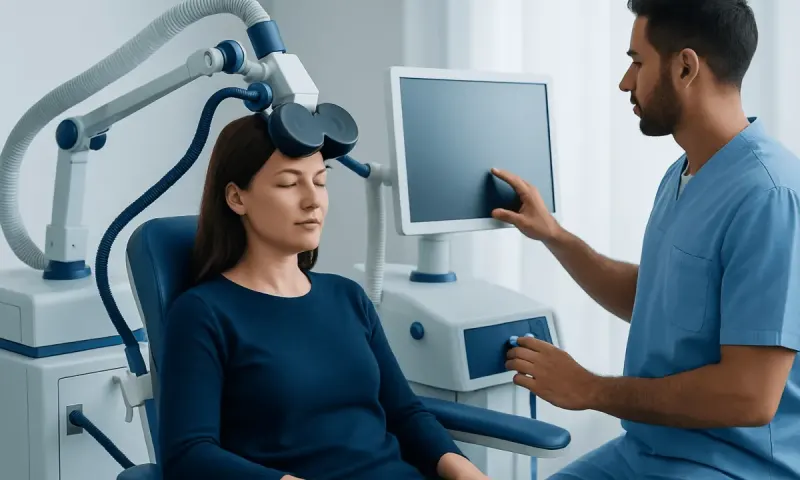
Can an Online BPD Test Diagnose Borderline Personality?
A BPD test online can help a person reflect on symptoms associated with borderline personality disorder, but it cannot confirm or rule out the condition. A qualified mental health professional makes a diagnosis through a careful clinical assessment and can recommend appropriate support.
What Is a BPD Test Online?
A BPD test online is usually a short self-report questionnaire designed to identify whether someone has experiences that may be associated with borderline personality disorder (BPD). It may ask about intense emotions, relationship difficulties, fear of abandonment, impulsive actions, changes in self-image, or thoughts of self-harm. These tools can be a useful starting point for reflection, but they are not diagnostic tests.
Borderline personality disorder is a mental health condition involving long-term patterns of emotional sensitivity and difficulty regulating emotions, alongside challenges in relationships, identity, and behavior. Symptoms vary substantially between individuals and can overlap with depression, anxiety, trauma-related conditions, bipolar disorder, substance-use problems, and other concerns. For this reason, a clinician should interpret symptoms in context rather than relying on a score from an online quiz.
A positive screening result does not mean a person has BPD, and a negative result does not necessarily exclude it. The most constructive use of an online screen is to identify concerns worth discussing with a psychiatrist, psychologist, or other qualified mental health professional.
Can I Get the Results of a Free BPD Quiz?
Yes, many free BPD quizzes provide an immediate score or statement indicating whether a person’s answers suggest that further assessment may be helpful. However, the result should be viewed as a screening outcome rather than a diagnosis. Reliable screening questionnaires are designed to be sensitive to possible symptoms, meaning they may identify people who need evaluation but may also flag people who do not have BPD.
The quality of online quizzes varies. A questionnaire may be more useful if it explains that it is not a diagnostic tool, protects privacy, cites a recognized screening approach, and encourages professional support rather than making definite claims. A quiz that labels a person, promises certainty, or recommends treatment without assessment should be approached cautiously.
If a free quiz raises concerns, it can be helpful to save the result or note the questions that felt relevant. Bringing these observations to an appointment may help start a clear conversation. A clinician will explore when symptoms began, how long they have been present, their impact on daily life, and whether another condition may better explain them.
What Are the 9 Markers for BPD?

Mental health professionals commonly use diagnostic criteria described in the Diagnostic and Statistical Manual of Mental Disorders (DSM-5-TR). The criteria describe nine possible patterns, often called markers or features. A diagnosis is not based on simply counting symptoms online; the patterns must be persistent, clinically significant, and assessed by a trained professional.
The nine features are: intense efforts to avoid real or perceived abandonment; unstable or highly intense relationships; an unstable sense of identity or self-image; impulsive behavior that may be harmful; recurrent suicidal behavior, self-harm, or threats of self-harm; rapid and marked mood reactivity; ongoing feelings of emptiness; intense or difficult-to-control anger; and temporary stress-related suspiciousness or experiences of feeling disconnected from oneself or reality.
Having one or more of these experiences does not automatically indicate BPD. For example, fears of rejection, low mood, impulsivity, or dissociation can occur in several mental health conditions and during highly stressful periods. A full assessment considers symptom severity, duration, personal history, safety, physical health, substance use, and the person’s environment.
People experiencing persistent emotional distress or relationship difficulties can benefit from assessment regardless of whether they meet criteria for BPD. The aim of care is to understand the person’s needs and provide practical, compassionate support.
How Borderline Personality Disorder Is Diagnosed
There is no blood test, brain scan, or single online questionnaire that diagnoses borderline personality disorder. Diagnosis is usually made by a psychiatrist, clinical psychologist, or other appropriately trained clinician through a structured or semi-structured interview. The assessment may take more than one visit, particularly when symptoms are complex or the person is in crisis.
During the evaluation, the clinician may ask about emotional patterns, relationships, coping strategies, stressful experiences, sleep, mood, work or school, physical health, medications, alcohol or drug use, and previous treatment. They may also ask directly about self-harm or suicidal thoughts so that safety needs can be addressed promptly and respectfully.
Clinicians also consider alternative or co-occurring diagnoses. Depression, anxiety disorders, post-traumatic stress disorder, attention-deficit/hyperactivity disorder, bipolar disorder, eating disorders, and substance-use disorders may have overlapping symptoms. A careful evaluation helps avoid misdiagnosis and guides an individualized treatment plan.
For more information about related mental health concerns and professional assessment, readers may wish to explore borderline personality disorder.
What Happens After I Get Diagnosed with BPD?
After a BPD diagnosis, the next step is usually a collaborative treatment plan based on the person’s symptoms, safety needs, goals, medical history, and available support. Receiving a diagnosis can bring mixed feelings, including relief at having an explanation, uncertainty, or concern about stigma. A good care team should explain the diagnosis in clear language and emphasize that symptoms can improve.
Psychotherapy is the main treatment for BPD. Dialectical behavior therapy (DBT) is one well-established approach that teaches skills for managing intense emotions, tolerating distress, improving relationships, and reducing harmful behaviors. Other evidence-based therapies may include mentalization-based treatment, schema therapy, transference-focused psychotherapy, or structured general psychiatric care.
Medication does not treat BPD itself in the same way therapy targets core patterns, but a doctor may prescribe medication for co-occurring conditions or particular symptoms, such as depression, anxiety, sleep difficulties, or severe mood symptoms. Medication decisions should be individualized and reviewed regularly. Psychotherapy can also involve crisis planning, family education when appropriate, and support for work, education, housing, or substance-use concerns.
Acıbadem Health Point’s multidisciplinary specialists and JCI-accredited hospitals can assess and treat mental health conditions for international patients, with care planned around individual clinical needs.
How Long Does It Take to Recover From Borderline Personality Disorder?
Recovery from borderline personality disorder is not the same for everyone. Some people notice early benefits after beginning structured therapy and practicing new skills, while longer-term improvement often develops gradually over months or years. Progress may include fewer crises, reduced self-harm, more stable relationships, improved emotional regulation, and a stronger sense of identity and daily functioning.
Recovery does not have to mean that every difficult emotion disappears. It can mean gaining effective ways to respond to emotions, building safer relationships, and living in a way that reflects personal values and goals. Periods of stress can temporarily worsen symptoms, but this does not mean treatment has failed or that improvement is impossible.
Regular attendance at therapy, a realistic crisis plan, treatment for co-occurring conditions, stable routines, and support from trusted people can all help. It is important not to stop treatment suddenly because symptoms improve or become challenging. Any changes to therapy or medication should be discussed with the treating clinician.
Daily Support, Safety Planning and When to Seek Medical Care
Alongside professional treatment, daily routines can support emotional wellbeing. Helpful habits may include regular sleep and meals, gentle physical activity, limiting alcohol and recreational drug use, using grounding techniques during distress, and keeping contact with supportive people. Skills learned in therapy, such as pausing before acting, naming emotions, or using paced breathing, may become more effective with repeated practice.
A written safety plan can be particularly useful for people who experience urges to self-harm or suicidal thoughts. It may identify early warning signs, coping techniques, supportive contacts, professional services, and ways to reduce access to items that could be used for self-injury. A clinician can help create a plan that is realistic and personal.
When to seek medical care: A person should arrange a mental health assessment if emotional instability, relationship problems, impulsive behavior, self-harm, or persistent emptiness is affecting daily life. Urgent emergency help is needed if there are thoughts of suicide, plans or intent to self-harm, severe agitation, inability to stay safe, or concern that someone else may be in immediate danger. In an emergency, contact local emergency services or go to the nearest emergency department.
Frequently asked questions
01Is an online BPD test accurate?
An online BPD test may identify symptoms that warrant further discussion, but it cannot diagnose borderline personality disorder. Accuracy depends on the questionnaire and on how questions are understood. A mental health professional needs to assess symptoms in their full personal and clinical context.
02Can someone diagnose themselves with BPD from a quiz?
No. A quiz result cannot establish a diagnosis because several conditions can cause similar symptoms. Self-screening can be useful for recognizing concerns, but a qualified clinician should make the diagnosis.
03What are the 9 markers for BPD?
The nine diagnostic features include abandonment fears, unstable relationships, identity disturbance, harmful impulsivity, self-harm or suicidal behavior, emotional instability, chronic emptiness, intense anger, and stress-related paranoia or dissociation. These features must be persistent and clinically significant for a clinician to consider a diagnosis. Experiencing some features does not necessarily mean a person has BPD.
04How long does it take to recover from borderline personality disorder?
The timeline varies, but many people improve with consistent, evidence-based treatment. Some changes may be noticed within months, while broader recovery commonly develops over a longer period. Ongoing therapy and support can help people build lasting coping skills.
05What happens after a BPD diagnosis?
A clinician typically discusses treatment options, safety needs, goals, and any co-occurring conditions. Psychotherapy is usually the central part of care, and medication may be considered for related symptoms or other diagnoses. Treatment plans are individualized and can be adjusted over time.
06Is BPD treatable?
Yes. Borderline personality disorder is treatable, and many people experience substantial improvement in symptoms and daily functioning. Structured psychotherapy, support for co-occurring conditions, and a safety plan when needed are important parts of care.
This article is for general information only and is not a substitute for professional medical advice. Please consult a qualified doctor about your individual situation.
Explore treatments in Turkey — costs, top hospitals & a free quote
JCI-accredited · board-certified surgeons · reply within 24h
Add us as a Preferred Source to see more of our trusted health content across Google Search, AI Overviews and Discover.