Can a Benign Tumor Turn Cancerous Over Time?

Most benign tumors do not turn into cancer and may never need treatment. However, a tumor’s exact type, location, growth pattern, and symptoms help determine whether it should be monitored, tested further, or removed.
Can a benign tumor eventually turn cancerous?
In most cases, the answer to “can benign tumor turn cancerous?” is no. A benign tumor is a non-cancerous growth of cells. It does not invade surrounding tissues in the same way as cancer and does not spread to distant parts of the body. Many benign tumors remain stable for years and cause no serious health effects.
However, the answer can depend on the precise diagnosis. Some growths may be difficult to classify without imaging or a biopsy, and a small number of conditions carry a higher-than-usual risk of cancer developing within the tissue or nearby. In other situations, a new cancer may arise independently in the same organ, rather than a known benign tumor changing into cancer.
For this reason, a diagnosis of “benign” should be based on appropriate medical assessment rather than appearance alone. A clinician may recommend periodic examination or scans for certain tumors, especially if they are large, deep in the body, growing, or located near important nerves, blood vessels, or organs.
What makes a tumor benign or cancerous?
A tumor is an abnormal collection of cells. Benign tumors usually grow slowly, remain contained in their original location, and often have cells that look relatively similar to normal cells under a microscope. Examples include many lipomas, uterine fibroids, adenomas, and certain skin growths.
Malignant tumors are cancerous. They can invade nearby tissue and may spread through the blood or lymphatic system to other parts of the body. This ability to invade and spread, rather than size alone, is a key feature that distinguishes cancer from a benign growth.
Some lesions are described as precancerous, atypical, dysplastic, borderline, or of uncertain behavior. These terms do not automatically mean cancer, but they can indicate that closer follow-up, repeat testing, or removal may be appropriate. The medical team considers the tissue type, scan findings, pathology report, symptoms, and a person’s individual history.
- Benign: non-cancerous and typically localized.
- Malignant: cancerous and capable of invasion or spread.
- Precancerous or atypical: not cancer, but may need surveillance or treatment to lower future risk.
How doctors diagnose and monitor benign tumors

Diagnosis often begins with a medical history and physical examination. The doctor may ask when a lump or symptom began, whether it is changing, and whether there is pain, bleeding, pressure, numbness, weakness, or changes in appetite, bowel habits, menstruation, or other body functions.
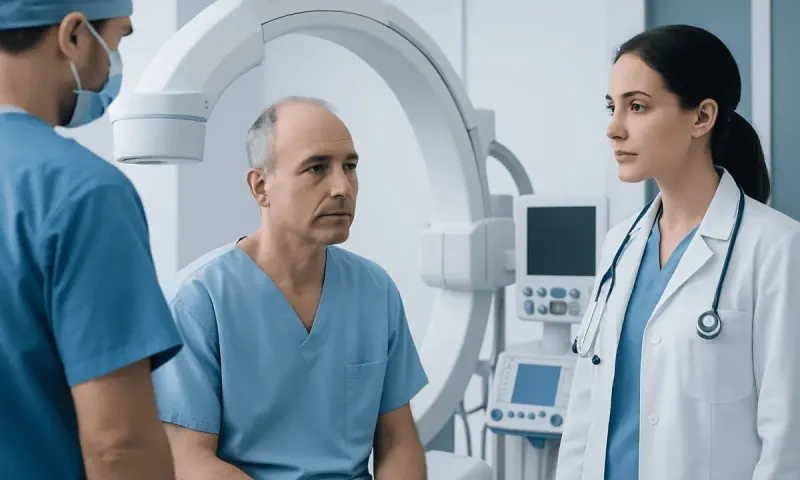
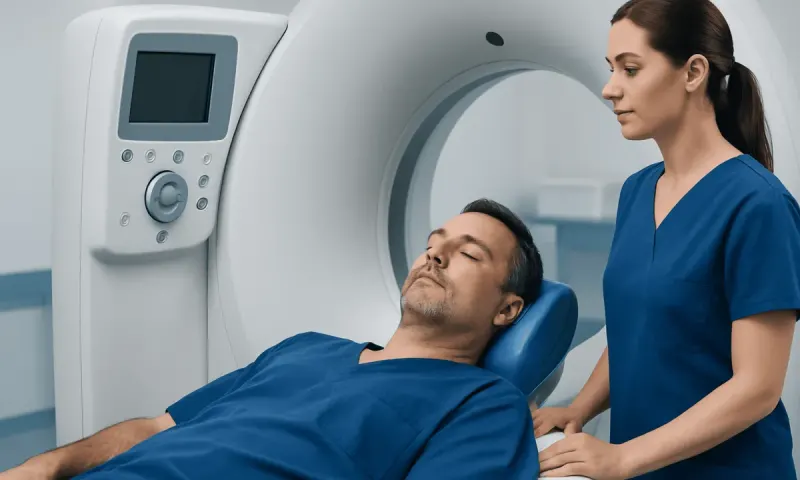
Depending on the location, ultrasound, X-ray, mammography, CT, or MRI may provide useful detail about the size, shape, borders, blood supply, and relationship of a mass to nearby structures. Blood tests may sometimes be used to investigate symptoms, but they cannot by themselves diagnose most tumors.
A biopsy may be recommended when imaging cannot confidently identify the growth, when a mass has concerning features, or when a tissue diagnosis will change treatment decisions. During a biopsy, a small sample is examined by a pathologist. A complete pathology report can provide the most reliable information about whether a tumor is benign, malignant, or requires further evaluation.
Monitoring is not the same as ignoring a tumor. It is an active plan that may include repeat examinations or imaging at intervals selected for the specific tumor and the individual’s circumstances. Patients should attend planned follow-ups and report meaningful new symptoms between appointments.
How to reduce the size of non-cancerous tumors?
Whether a non-cancerous tumor can be reduced depends entirely on its type and location. There is no safe home remedy, diet, supplement, or detox method proven to shrink all benign tumors. Attempting to self-treat can delay a correct diagnosis or interact with prescribed medicines.
Some benign tumors can be managed with medicines that address hormone-related growth or reduce symptoms. For example, selected uterine fibroids may respond to treatments that influence hormonal pathways, while other lesions may shrink after treatment of an underlying condition. Medicines are chosen individually because their benefits, limitations, and Chemotherapy Side Effects: What to Expect and How to Manage" class="ahp-ilk">side effects differ.
When a tumor causes pain, pressure, bleeding, cosmetic distress, restricted movement, or impaired organ function, a procedure may be considered. Options can include image-guided treatment, endoscopic removal, ablation, embolization, or surgery, depending on the diagnosis. Surgical removal is often curative for accessible benign tumors, though recurrence is possible with some types.
The best approach is to confirm the tumor type before planning treatment. A specialist can explain whether watchful waiting is suitable or whether specialist tumor assessment and treatment is needed for a mass with uncertain features.
How long can you live with a benign tumor?
Many people live a normal lifespan with a benign tumor. A small, stable tumor that does not interfere with nearby organs may only require observation, and some never require treatment. The outlook is generally very good once the diagnosis is clear.
Still, “benign” does not always mean harmless. A benign tumor can cause significant symptoms if it presses on the brain, spinal cord, airways, blood vessels, nerves, or other vital structures. Its location may therefore be more important than its cancer risk. For example, a benign brain tumor can require specialist care because even slow growth may affect surrounding brain tissue.
The expected outlook also varies with the tumor’s size, rate of change, tendency to recur, and the person’s overall health. A treating clinician can offer the most relevant prognosis after reviewing imaging, pathology, and symptoms. Ongoing monitoring is particularly important when a tumor cannot be completely removed or when observation has been chosen.
Do oncologists deal with benign tumours?
Yes, oncologists may be involved in the care of benign tumours, particularly when the diagnosis is uncertain, the tumor is complex, or it is located in an area where treatment requires specialist planning. Medical oncologists, surgical oncologists, radiation oncologists, and other specialists have different roles, so the most suitable clinician depends on the situation.
Many straightforward benign tumors are managed by primary care clinicians or organ-specific specialists. A lipoma may be assessed by a dermatologist or surgeon, for example, while a benign uterine tumor may be treated by a gynecologist. Brain, endocrine, breast, bone, and gastrointestinal tumors may involve other dedicated specialists.
A multidisciplinary team may include radiologists, pathologists, surgeons, oncologists, and organ-specific physicians. This approach is useful when scan findings and biopsy results need to be reviewed together, or when the safest treatment requires careful coordination. A referral to oncology does not by itself mean that a person has cancer.
When to seek medical care
Any new lump, unexplained swelling, or persistent change in the body deserves medical attention, particularly if it lasts more than a few weeks. Most lumps are not cancer, but professional assessment helps establish the cause and prevents unnecessary worry.
Prompt medical review is advisable if a known tumor grows noticeably, becomes painful, feels firm or fixed, causes skin changes, bleeds, affects movement, or produces numbness or weakness. People should also seek assessment for unexplained weight loss, persistent fever, unusual fatigue, changes in bowel or bladder habits, or symptoms linked to pressure on an organ.
Urgent care is appropriate for severe or sudden symptoms, such as new weakness on one side of the body, seizures, severe headache with neurological symptoms, difficulty breathing, heavy bleeding, or intense abdominal pain. These symptoms have many possible causes, but they should not be managed at home.
For international patients, Acıbadem Health Point’s multidisciplinary specialists and JCI-accredited hospitals can assess tumors using imaging, pathology, and coordinated treatment planning when needed.
Living well with a benign tumor
Once a benign tumor has been diagnosed, following the agreed monitoring plan is one of the most useful steps a person can take. Keeping copies of scan reports, pathology results, and appointment dates can make it easier to compare changes over time and communicate with different healthcare professionals.
A person should not assume that a symptom is caused by a known benign tumor without discussing it with a clinician. New symptoms may be unrelated, and changes may call for earlier review. It can help to keep a brief record of pain, bleeding, changes in size, or effects on daily activities.
General health measures such as avoiding tobacco, limiting alcohol, maintaining a balanced diet, staying physically active when able, and attending recommended screenings support overall health. These measures cannot reliably shrink a benign tumor, but they can reduce risks related to other conditions and support recovery if treatment becomes necessary.
Frequently asked questions
01Can a benign tumor turn cancerous after many years?
Most benign tumors do not become cancerous, even after many years. However, certain tumor types or atypical tissue changes may need ongoing monitoring, and a doctor can explain the risk based on the exact diagnosis. A change in size or symptoms should be reviewed rather than assumed to be harmless.
02Can stress make a benign tumor grow?
Stress has not been proven to directly cause benign tumors to grow. It can affect sleep, pain perception, and general wellbeing, which may make symptoms feel more noticeable. Persistent symptoms should still be discussed with a clinician.
03Should every benign tumor be removed?
No. Many benign tumors can be safely observed if they are small, stable, clearly diagnosed, and not causing symptoms. Removal may be advised if a tumor is painful, growing, affecting function, cosmetically troubling, or difficult to distinguish from cancer.
04Can an ultrasound tell whether a tumor is benign?
Ultrasound can provide helpful information about a lump’s size, shape, contents, and blood flow, and it can sometimes suggest a benign cause. However, it cannot confirm every diagnosis. Further imaging or a biopsy may be needed when findings are unclear or concerning.
05Can a benign tumor come back after surgery?
Some benign tumors do not return after complete removal, while others can recur depending on their type, location, and whether all abnormal tissue could be removed. Follow-up recommendations are based on the pathology result and the procedure performed. A surgeon or specialist can explain the individual likelihood of recurrence.
06Is a fast-growing lump always cancer?
No, rapid growth does not always mean cancer. Infection, inflammation, bleeding within a lesion, cysts, and some benign tumors can also enlarge quickly. Nevertheless, a rapidly growing lump should be examined promptly to determine the cause.
This article is for general information only and is not a substitute for professional medical advice. Please consult a qualified doctor about your individual situation.
Oncology care in Turkey — second opinion and treatment plan
JCI-accredited · board-certified surgeons · reply within 24h
Add us as a Preferred Source to see more of our trusted health content across Google Search, AI Overviews and Discover.