

Calories in Maize Cob: What You Need to Know

Key Takeaways
- A plain maize cob is a moderate-calorie food, but the exact amount varies with size and preparation.
- Boiling, roasting, and adding butter or salt can change the nutrition profile and total calories.
- Maize provides carbohydrate, fibre, and small amounts of protein and micronutrients.
- People watching blood sugar, weight, or sodium intake may need to pay closer attention to portion size and toppings.
- Maize can fit into a healthy eating pattern when balanced with vegetables, protein, and other whole foods.
The calories in maize cob depend on the size of the cob, how it is cooked, and whether toppings are added. For most people, maize can be a nourishing part of a balanced meal when portions are kept in mind.
Overview
If someone is asking about calories in maize cob, the short answer is that a plain cob is usually a moderate-calorie food rather than a very low- or very high-calorie one. The exact number depends on the cob’s size, the variety of maize, and whether it is boiled, roasted, or served with butter, cheese, salt, or sauces.
Maize, also called corn in many countries, is naturally rich in carbohydrate and offers fibre, which can help with fullness. That means a cob can be a sensible choice in a balanced meal, especially when it is paired with vegetables, lean protein, or legumes rather than energy-dense extras.
For people making decisions about everyday eating, travel meals, or recovery diets, the useful question is not only “how many calories are in it?” but also “how does it fit into the rest of the meal?” In practice, maize often matters most as part of the whole plate, not as a single ingredient eaten in isolation.
Calories and Nutrition Facts
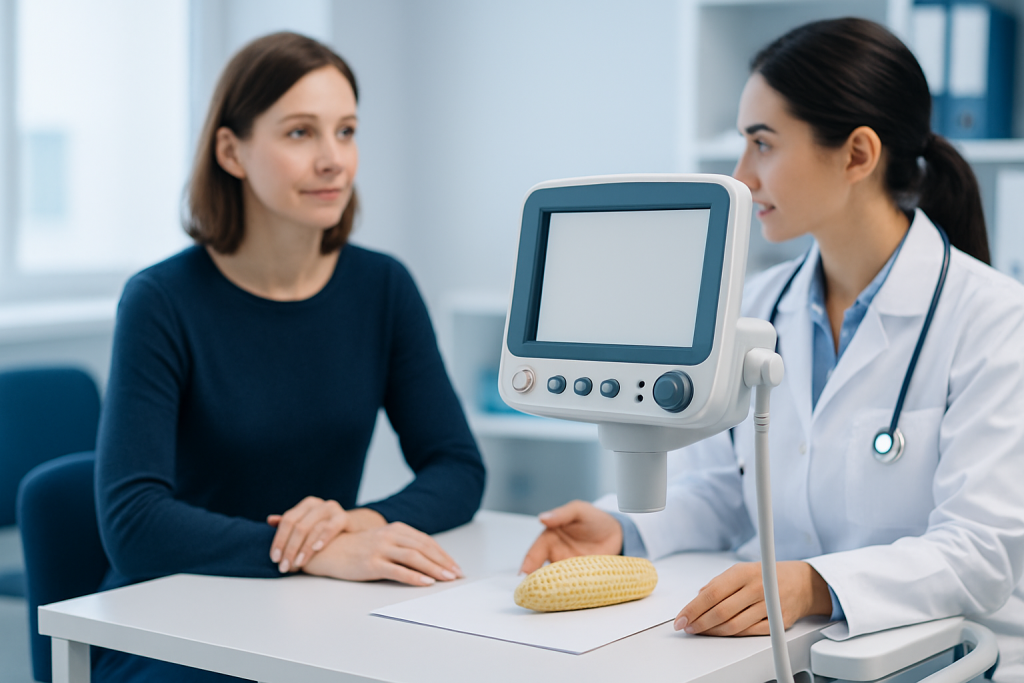
The calorie content of maize cob varies, but a medium plain cob commonly falls into a moderate range. Smaller cobs may provide fewer calories, while larger, fuller cobs can contribute more. The cooking method matters less than the toppings in many cases, although roasting can slightly change the texture and perceived richness.
Beyond calories, maize contributes carbohydrates for energy, some fibre, and small amounts of plant protein. It also contains micronutrients such as B vitamins and minerals in modest amounts. Because the husk and fibre are not fully digested, maize can feel more filling than its calorie count might suggest.
- Plain boiled maize: usually the simplest option calorie-wise.
- Roasted maize: often similar in calories if eaten plain.
- Butter, cheese, mayonnaise, or sugary seasonings: can increase calories quickly.
- Salt-heavy toppings: do not add many calories, but they can raise sodium intake.
For anyone tracking intake closely, the best approach is to look at the cob plus toppings together. A plain cob and a heavily dressed cob can be very different foods nutritionally, even though they begin with the same base ingredient.
What Affects the Calorie Count?
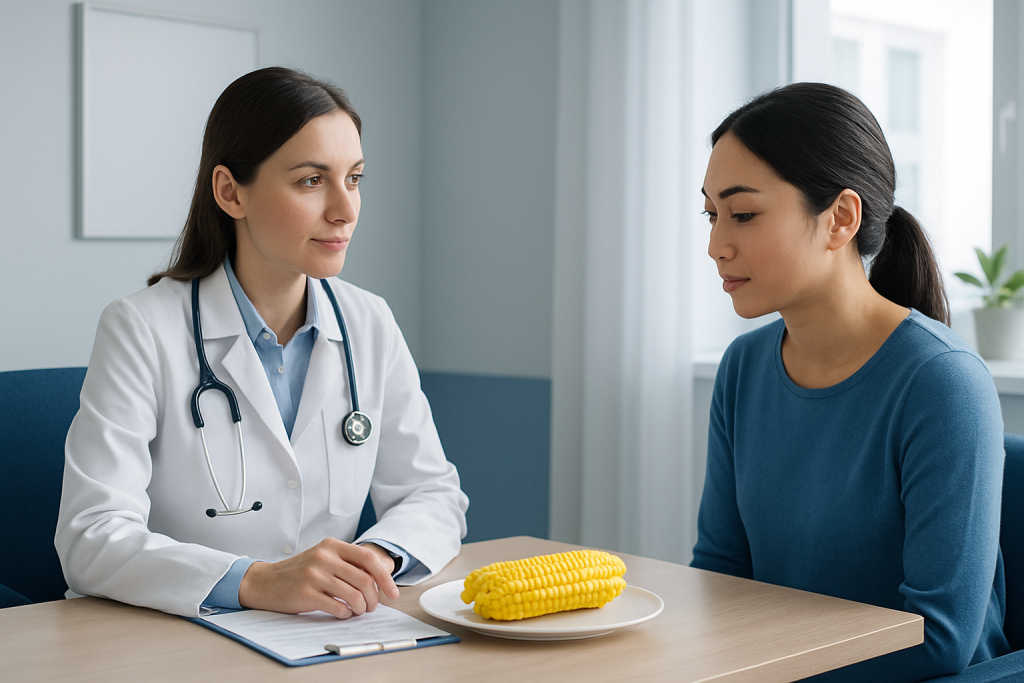
Several practical factors change the calories in maize cob. Size is the first one: a small cob naturally contains less energy than a large, dense cob. The type of maize also matters, since sweet corn and other varieties differ slightly in starch and sugar content.
Preparation is another important piece. Boiling or steaming does not usually add calories on its own, while roasting can concentrate flavour without necessarily changing the calorie count much if no fat is used. The major shifts happen when fat-based spreads, creamy sauces, or cheese are added after cooking.
Another consideration is how the maize is eaten. A whole cob may replace other carbohydrate foods in a meal, but if it is added on top of a full rice, bread, or pasta portion, total energy intake rises. That context matters for people managing weight or planning meals during recovery, when appetite and nutrient needs may change.
Maize Cob and Blood Sugar
Maize is a carbohydrate-containing food, so it can influence blood glucose. The response depends on portion size, the rest of the meal, and whether the maize is eaten with fibre, protein, and healthy fat. For that reason, a cob eaten alone may affect blood sugar differently from a cob eaten with beans, salad, or grilled fish.
People with diabetes or prediabetes do not usually need to avoid maize completely, but they may benefit from mindful portions and balanced combinations. A smaller cob or half a cob can be a practical choice when the meal already includes other starches.
It is also helpful to pay attention to cooking style and toppings. Buttered or heavily seasoned maize may be more satisfying in small amounts, but the added ingredients can turn a simple food into a more calorie-dense one. A diabetes care plan should always be personalized, especially for people who are adjusting meals across different countries or cuisines.
How Maize Fits into Weight Management
Maize can be included in weight-management eating patterns when portion sizes are realistic. Because it contains fibre, it may support a feeling of fullness, which can be helpful for people who want satisfying meals without constant snacking. The key is to treat it as one carbohydrate portion rather than as an extra on top of a full plate.
A useful meal-building approach is to pair maize with non-starchy vegetables and a protein source. This may create more satiety than eating maize alone and can make it easier to stay within an overall calorie target. Examples include a cob with salad and grilled chicken, or maize alongside beans and vegetables.
People who travel for work or medical care often face irregular meal timing and unfamiliar portion sizes. In those situations, choosing plain maize rather than heavily dressed street-style versions can be a more predictable way to manage intake while still enjoying local foods.
- Choose smaller cobs when portions are uncertain.
- Limit butter, cheese, creamy sauces, and sugary toppings.
- Balance maize with protein and vegetables.
- Use maize as part of a meal, not as a separate snack plus a starch-heavy meal.
Healthier Ways to Prepare and Eat Maize
The healthiest version of maize is often the one with the fewest added ingredients. Boiling, steaming, or dry-roasting the cob keeps the food simple and makes the calorie count easier to estimate. Fresh herbs, lemon, pepper, or a small amount of olive oil can add flavour without overwhelming the dish.
If someone enjoys richer toppings, it helps to use them deliberately rather than automatically. A light spread is very different from a thick layer of butter or mayonnaise. The same idea applies to street-food style maize, where salt, chilli, cheese, and sauces may be added generously unless requested otherwise.
For families and international patients trying to maintain familiar eating habits while following a healthier plan, it is often enough to adjust the sides and toppings. Maize does not need to be excluded; it simply works best when the rest of the plate supports the person’s goals.
When Maize May Need Extra Caution
Most healthy adults can eat maize as part of a balanced diet. Extra caution may be useful for people with diabetes, kidney disease requiring sodium control, digestive conditions that are worsened by high fibre, or chewing difficulties that make whole kernels less comfortable to eat. In those situations, the way maize is prepared can matter as much as the food itself.
Anyone with a known corn allergy should avoid maize and foods made from it, and people with symptoms such as itching, swelling, or breathing difficulty after eating corn should seek medical advice promptly. If maize causes bloating or discomfort, it may help to review portion size, cooking method, and what it is being eaten with.
For patients planning treatment or recovery abroad, it can be useful to discuss diet-related needs before travel. A clinician or dietitian can suggest practical food choices that fit cultural preferences, medication schedules, and any temporary restrictions after treatment or surgery.
When to See a Doctor
Medical advice is appropriate if maize or any other food seems to trigger recurring digestive symptoms, allergy-like reactions, or unexpected blood sugar swings. A doctor or registered dietitian can help determine whether the issue is the food itself, the portion size, or another condition that needs attention.
People with diabetes who notice frequent glucose changes after meals may need help adjusting carbohydrate choices across the day, not only at one meal. Similarly, anyone recovering from a procedure, illness, or travel-related disruption may benefit from a more structured eating plan during recovery.
Acibadem Health Point’s multidisciplinary specialists and JCI-accredited hospitals support international patients with diagnosis, treatment, and follow-up care, including nutrition-related guidance when it is relevant to the condition being treated. The goal is to make care practical and clear, especially when patients are managing health needs away from home.
Frequently asked questions
01How many calories are in a maize cob?
The calories in maize cob depend on its size and preparation, but a plain cob is usually a moderate-calorie food. Boiled or roasted maize without toppings is generally lower in calories than versions with butter, cheese, or creamy sauces.
02Is maize good for weight loss?
Maize can fit into a weight-loss plan if portions are controlled and the rest of the meal is balanced. Its fibre may help with fullness, but large portions or rich toppings can make the meal more calorie-dense.
03Is boiled maize healthier than roasted maize?
Both can be healthy if eaten plain. The bigger difference often comes from what is added after cooking, rather than the cooking method itself.
04Can people with diabetes eat maize cob?
Yes, many people with diabetes can include maize in their meal plan. Portion size and meal pairing matter, so it is usually best eaten with protein, vegetables, and other foods that support steady blood sugar.
05Does maize cob contain fibre?
Yes, maize contains fibre, which helps with digestion and can support a feeling of fullness. The fibre content may also make it a more satisfying choice than some refined carbohydrate foods.
06What toppings add the most calories to maize?
Butter, cheese, mayonnaise, cream-based sauces, and generous amounts of oil can add calories quickly. Salt does not add many calories, but it can increase sodium intake.
This article is for general information only and is not a substitute for professional medical advice. Please consult a qualified doctor about your individual situation.
Medical weight-loss options in Turkey — costs & eligibility
JCI-accredited · board-certified surgeons · reply within 24h
Add us as a Preferred Source to see more of our trusted health content across Google Search, AI Overviews and Discover.


