Calamine for Prickly Heat: Uses and Effectiveness

Key Takeaways
- Prickly heat usually improves when the skin is kept cool, dry, and free from heavy friction.
- Calamine lotion may calm itching and mild irritation, but it does not treat the cause on its own.
- Choosing loose clothing, reducing sweating, and avoiding thick ointments can help the rash settle.
- Persistent, painful, or infected-looking rashes should be assessed by a doctor.
- Children, people in very hot climates, and those recovering in humid environments may need extra attention to skin care.
Prickly heat, also called heat rash or sweat rash, often appears when sweat gets trapped under the skin in hot, humid conditions. Calamine lotion can help soothe mild itching and discomfort, but it works best as part of simple cooling and skin-care measures.
Overview
Prickly heat is a common skin reaction that appears when sweat becomes trapped in blocked sweat ducts. The result is a crop of small red bumps or tiny blisters that can sting, itch, or feel prickly, especially in warm weather or after heavy sweating.
Many people first notice it during travel, after exercise, or while staying in a hot, humid climate where the skin cannot dry properly. In that setting, calamine for prickly heat is often considered because it can give a cooling, drying sensation that makes the skin feel more comfortable while the rash settles.
Calamine does not remove blocked sweat ducts, but it may help reduce the urge to scratch and can be used alongside simple measures such as staying in a cooler room, wearing breathable fabrics, and keeping the skin clean and dry. For many mild cases, that combination is enough to allow recovery without further treatment.
Symptoms
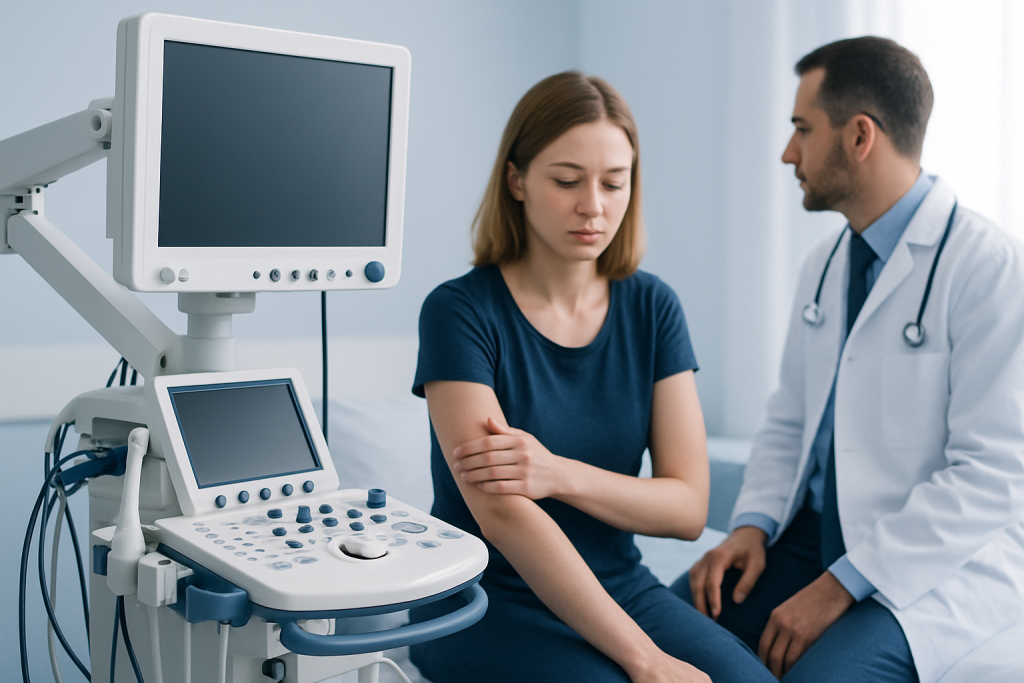
Prickly heat typically shows up as clusters of small bumps, sometimes with a pink or red background. The rash often appears on the neck, chest, back, groin, under the breasts, or in skin folds where heat and friction are concentrated.
People often describe the sensation as prickling, burning, or intense itching. Symptoms may become more noticeable after sweating, under tight clothing, or at night when body heat builds under bedding.
In mild cases, the skin is simply irritated. If the area becomes more swollen, painful, crusted, or drains fluid, another problem such as infection or a different skin condition may be present, and medical advice is more important.
Causes & Risk Factors

Prickly heat develops when sweat ducts are blocked or overwhelmed. Heat, humidity, overdressing, and prolonged sweating can all make it harder for sweat to escape normally, so it remains trapped in the skin and irritates the surrounding area.
Certain situations make the rash more likely. Babies and young children can be affected because their sweat ducts are still developing. Adults who work outdoors, exercise in hot conditions, or are recovering from illness and spending long periods in bed may also be prone to it.
Other factors can add to the problem:
- Heavy or occlusive creams that trap heat and moisture
- Tight clothing or non-breathable fabrics
- Fever or increased sweating
- Travel to tropical or very humid regions
- Sensitive skin that reacts easily to friction
For international patients, prickly heat may appear soon after arrival in a warmer country, especially when the body is adjusting to climate, activity, and different daily routines. A simple change in environment and skin care often helps, but ongoing or severe symptoms should not be ignored.
Diagnosis
Prickly heat is usually diagnosed by looking at the skin and hearing how the rash developed. A doctor often considers the location of the bumps, the temperature and humidity exposure, and whether sweating or friction seems to trigger the problem.
Most cases do not need special tests. If the rash looks unusual, lasts longer than expected, or appears alongside fever or pain, a clinician may check for eczema, fungal rashes, contact dermatitis, insect bites, or skin infection.
For patients seeking care while traveling, a straightforward skin examination is often enough to guide treatment. Clear communication about recent weather, activities, new creams, or hotel laundry products can help the doctor narrow down the cause quickly.
Treatment Options
The main treatment is to reduce heat and sweat exposure so the skin can recover. Cooling the environment, taking lukewarm showers, and changing out of damp clothing are practical first steps. Calamine lotion may then be used to help dry the skin surface and ease the itch.
When using calamine for prickly heat, it is generally applied to clean, dry skin in a thin layer, following the product instructions. It can be helpful for mild irritation, but it should not be used on open, broken, or heavily inflamed skin unless a doctor advises otherwise.
Depending on the appearance of the rash, a doctor may recommend other supportive measures, such as a mild soothing lotion, temporary avoidance of greasy products, or treatment for an underlying infection if one is suspected. If itching is significant, a clinician may suggest a broader skin-care plan tailored to age, skin type, and travel conditions.
People should avoid scratching, because that can worsen inflammation and increase the chance of infection. In more persistent cases, especially when the rash keeps returning in hot weather, a dermatologist may help identify patterns and adjust prevention strategies.
Prevention & Self-care
Preventing prickly heat is often easier than treating repeated flare-ups. The skin does best when it can stay cool, dry, and lightly dressed, so practical habits matter more than any single product.
Loose cotton or moisture-wicking clothing can reduce friction and allow sweat to evaporate. After exercise, a warm climate commute, or time outdoors, it helps to shower promptly, dry the skin well, and change into fresh clothes.
Other useful self-care steps include:
- Using fans or air conditioning when available
- Avoiding thick ointments and heavy oils in hot weather
- Keeping skin folds dry
- Staying hydrated in hot conditions
- Choosing light bedding and sleeping in a cooler room
Travellers may find that simple planning makes a noticeable difference: packing breathable clothing, allowing time to acclimatize after arrival, and limiting intense activity during the hottest part of the day can all reduce the chance of a rash. If calamine is part of the routine, it is best used as a short-term comfort measure rather than the only preventive strategy.
When to See a Doctor
Medical advice is sensible if the rash does not improve after a few days of cooling and self-care, or if it keeps coming back despite practical prevention steps. A doctor should also assess the skin if the area becomes painful, swollen, oozes pus, develops yellow crusting, or is accompanied by fever.
Infants, older adults, and people with medical conditions that affect sweating or skin healing may need closer attention. It is also important to seek help if the rash is widespread or if there is uncertainty about whether it is prickly heat or another skin condition.
For international patients, it can be reassuring to know that skin problems linked to heat, travel, and climate change are commonly manageable once properly identified. Acibadem Health Point’s multidisciplinary specialists and JCI-accredited hospitals diagnose and treat this condition for international patients, with care plans that can be coordinated around travel and follow-up needs.
Frequently asked questions
01What is the fastest way to calm prickly heat?
Cooling the skin is usually the quickest helpful step. Moving to a cooler place, changing out of damp clothing, and taking a lukewarm shower can ease discomfort, while calamine may help dry and soothe mild itching.
02Can calamine lotion cure prickly heat?
Calamine can help relieve itching and irritation, but it does not cure the underlying blocked sweat ducts. The rash usually improves when the skin is kept cool and dry.
03Is prickly heat contagious?
No, prickly heat is not contagious. It is caused by trapped sweat and skin irritation, not by an infection spread from one person to another.
04Should calamine be used on broken skin?
It is generally best not to apply calamine to open, cracked, or very irritated skin unless a doctor has advised it. Broken skin may need a different approach, especially if infection is a concern.
05How can someone prevent prickly heat while travelling?
Breathable clothing, regular showering, and limiting time in intense heat can reduce the risk. Travelers may also find it helpful to avoid heavy creams and to let the skin dry fully after sweating.
06When does a rash need medical review?
A rash should be checked if it is painful, spreading, oozing, associated with fever, or not improving after a few days. Medical review is also wise if the diagnosis is uncertain.
This article is for general information only and is not a substitute for professional medical advice. Please consult a qualified doctor about your individual situation.
Explore treatments in Turkey — costs, top hospitals & a free quote
JCI-accredited · board-certified surgeons · reply within 24h
Add us as a Preferred Source to see more of our trusted health content across Google Search, AI Overviews and Discover.