Ca Duodenum: Symptoms, Diagnosis and Treatment
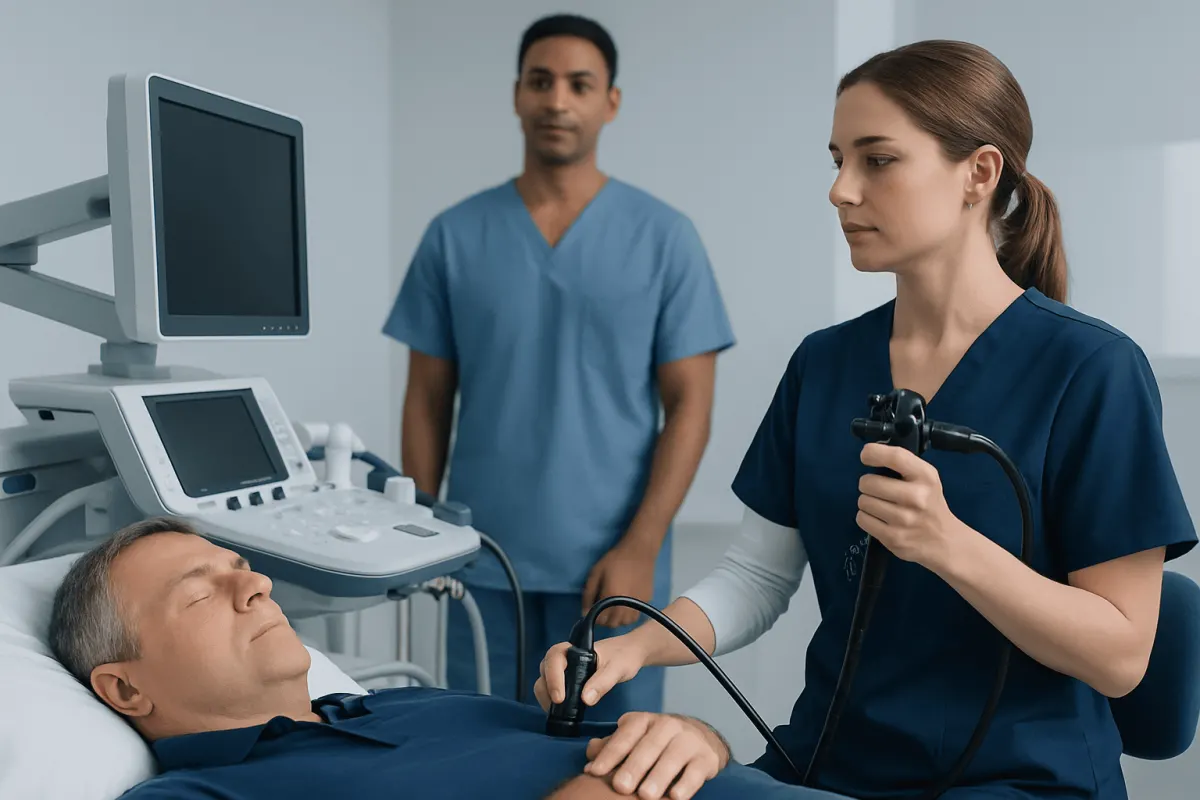
Ca duodenum refers to cancer arising in the duodenum, the first section of the small intestine just beyond the stomach. It is uncommon, but early assessment of persistent digestive symptoms, bleeding, jaundice or unexplained weight loss can help clarify the cause and guide care.
What is ca duodenum?
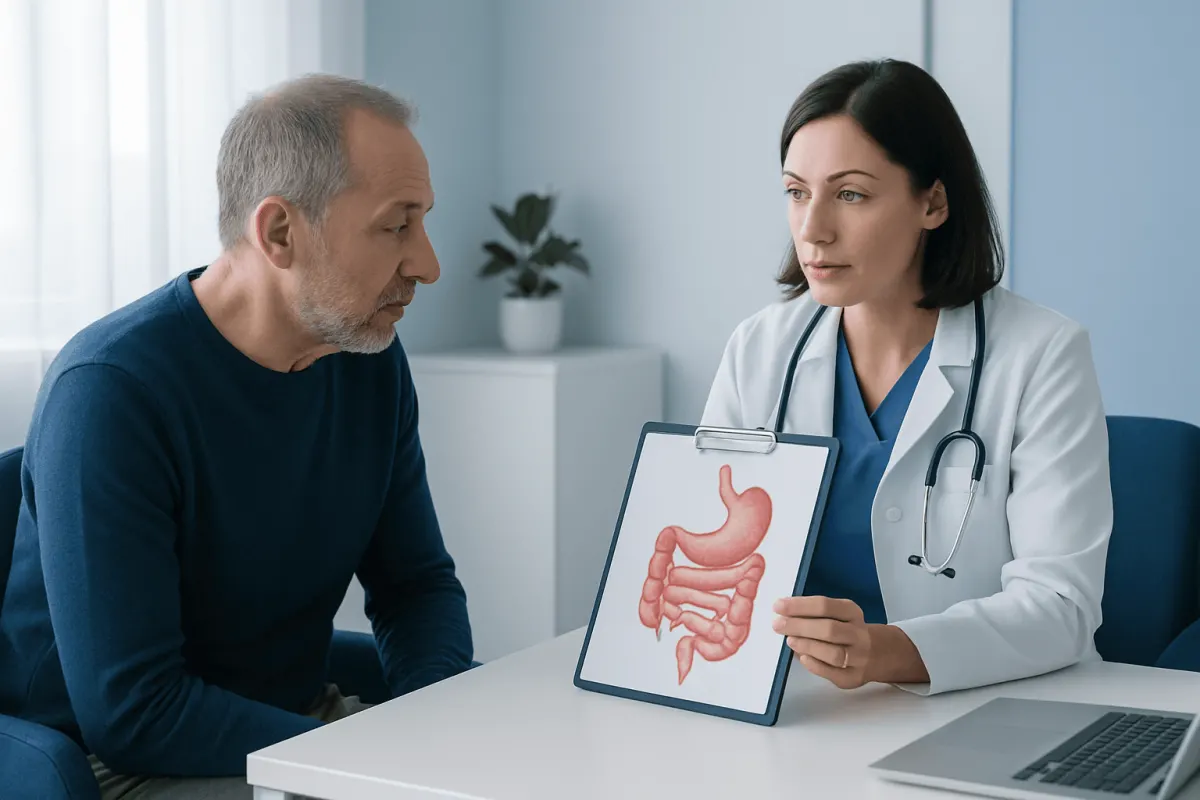
Ca duodenum means cancer of the duodenum. The duodenum is the first and shortest part of the small intestine. It receives food from the stomach and mixes it with digestive fluids from the liver, gallbladder and pancreas. Because of its location, a tumor in this area can affect digestion and may sometimes block the flow of bile or food.
The most common type is adenocarcinoma, which begins in gland-forming cells lining the bowel. Less common tumors in the duodenum include neuroendocrine tumors, lymphomas, gastrointestinal stromal tumors and sarcomas. These conditions can behave differently, so identifying the exact tumor type with a tissue sample is an essential part of diagnosis.
Duodenal cancer is part of the broader group of small bowel cancers. It is distinct from stomach, pancreatic and colorectal cancers, although symptoms and investigations can overlap. A specialist team can determine where the tumor began and recommend the most appropriate plan.
Symptoms and signs to notice
Early ca duodenum may not cause clear symptoms. When symptoms occur, they can resemble common digestive conditions such as indigestion, gastritis or peptic ulcer disease. For this reason, ongoing, worsening or unexplained symptoms should be discussed with a qualified clinician rather than self-treated for long periods.
Possible symptoms include upper abdominal pain or discomfort, nausea, vomiting, reduced appetite, feeling full unusually quickly and unintentional weight loss. Some people develop fatigue, breathlessness on exertion or paler skin because slow bleeding from the tumor can lead to iron-deficiency anemia.
A tumor near the opening where bile enters the duodenum may cause jaundice. This can make the skin or whites of the eyes appear yellow and may be accompanied by dark urine, pale stools or itching. These signs have several possible causes, but they need timely medical evaluation.
- Persistent upper abdominal pain or bloating
- Unexplained anemia, tiredness or weakness
- Black, tarry stools or visible blood in stool
- Repeated vomiting or difficulty keeping food down
- Unexplained weight loss, jaundice or loss of appetite
Causes and risk factors
In many people, there is no single identifiable cause of ca duodenum. Cancer develops when cells acquire changes that allow them to grow and survive abnormally. These changes may occur over time and are not usually the result of anything a person did or did not do.
Some medical conditions are associated with a higher risk. These include familial adenomatous polyposis (FAP), Lynch syndrome, Peutz-Jeghers syndrome, celiac disease and Crohn’s disease. People with inherited cancer syndromes may need individualized surveillance plans because they can develop polyps or cancers in several parts of the digestive tract.
Age, smoking, a diet high in processed meats and long-standing inflammation may also be relevant to overall gastrointestinal cancer risk, although individual risk is complex. A family history of bowel or small intestinal cancer does not mean a person will develop cancer, but it is useful information to share with a doctor or genetic counselor.
Some duodenal tumors arise from polyps. Polyps are growths that may be benign but can occasionally contain precancerous changes. When clinically appropriate, finding and removing certain polyps during endoscopy may reduce the chance that they progress.
How doctors diagnose duodenal cancer
Assessment starts with a review of symptoms, medical history, family history and physical examination. Blood tests may check for anemia, liver function changes, nutritional concerns and general health before further testing. These tests can support evaluation but cannot diagnose cancer on their own.
An upper gastrointestinal endoscopy is commonly used to examine the stomach and duodenum directly. A flexible camera is passed through the mouth while the person is sedated or otherwise made comfortable. If an abnormal area is seen, the doctor can take small samples, called biopsies, for laboratory examination. The biopsy establishes the cell type and often provides key information for treatment planning.
After cancer is confirmed, imaging helps show whether it is limited to the duodenum or has spread. This may include contrast-enhanced CT, MRI, endoscopic ultrasound or other imaging selected for the individual situation. Doctors may also assess the bile ducts and pancreas when a tumor is close to these structures.
Pathology testing may include molecular or biomarker analysis, particularly for advanced disease. These results can sometimes help specialists consider systemic treatments. The diagnosis and staging are ideally reviewed by a multidisciplinary team including gastroenterology, surgery, medical oncology, radiology, pathology and nutrition specialists.
Treatment options and planning
Treatment is tailored to the type of tumor, its exact position in the duodenum, whether it can be removed completely, its stage and the person’s health and preferences. A multidisciplinary discussion is important because tumors in this location can lie close to the pancreas, bile duct and important blood vessels.
For localized adenocarcinoma that can be removed, surgery is usually the main treatment with curative intent. Depending on the location and size of the tumor, surgery may involve removing a portion of the duodenum or a more extensive operation that also includes nearby structures, often called a pancreaticoduodenectomy or Whipple procedure. The Whipple procedure is a complex operation and requires careful preoperative assessment and postoperative support.
Chemotherapy may be recommended before or after surgery in selected cases, or as the main treatment when cancer has spread or cannot be safely removed. Chemotherapy uses medicines that travel through the bloodstream to treat cancer cells. In certain situations, radiation therapy may be considered to help control local disease, manage symptoms or complement other treatments.
If a tumor causes blockage, endoscopic or surgical procedures may help restore the passage of food or bile. Symptom control, nutrition support, pain management and emotional care are important throughout treatment. People can also benefit from discussing clinical trials where available and appropriate.
Living well during assessment and treatment
Nutrition can become challenging with ca duodenum, particularly when nausea, early fullness, weight loss or a blockage affects eating. A dietitian can help develop practical meals and snacks that match a person’s symptoms, nutritional needs and treatment plan. Small, frequent meals and adequate fluids may be easier for some people, but advice should be individualized.
It is generally helpful to avoid smoking and limit alcohol, as both can affect overall health and recovery. Gentle activity, rest, support from family or friends and attention to sleep can also be valuable. However, people should not use supplements, herbal products or restrictive diets as a replacement for recommended cancer care, and should ask their care team before starting any of them.
There is no sure way to prevent all cases of duodenal cancer. Maintaining a balanced diet, staying physically active, not smoking and attending recommended checks for inherited conditions support general health. People with FAP, Lynch syndrome, celiac disease or another relevant condition should ask their specialist whether monitoring of the upper digestive tract is advised.
For international patients, Acıbadem Health Point’s multidisciplinary specialists and JCI-accredited hospitals can assess and treat duodenal cancer while coordinating diagnostic, surgical, oncology and supportive care needs.
When to seek medical care
A person should arrange a medical appointment if they have persistent upper abdominal symptoms, reduced appetite, unexplained fatigue, anemia, vomiting, black stools or unintended weight loss. These symptoms are often caused by conditions other than cancer, but evaluation can identify the cause and help prevent complications.
Urgent medical care is needed for vomiting blood, passing large amounts of blood from the rectum, black tarry stool with dizziness or fainting, severe or worsening abdominal pain, inability to keep fluids down, or newly developing jaundice. These symptoms may indicate bleeding, obstruction or a bile-flow problem and should not be ignored.
People with a known inherited syndrome, a strong family history of digestive cancers, or long-standing celiac or inflammatory bowel disease should mention this when seeking care. Earlier investigation may be appropriate when symptoms are new or changing.
A diagnosis of ca duodenum can feel overwhelming, but questions are welcome at every stage. Patients may wish to ask about the tumor type, stage, treatment goals, expected benefits and side effects, nutritional support and whether a second specialist opinion would be useful.
Frequently asked questions
01Is ca duodenum the same as pancreatic cancer?
No. Ca duodenum begins in the first part of the small intestine, while pancreatic cancer begins in the pancreas. The organs are close together, so symptoms and imaging findings may overlap, but the diagnosis and treatment approach can differ.
02What is the first symptom of duodenal cancer?
There is no single first symptom. Some people have no symptoms initially, while others notice upper abdominal discomfort, nausea, fatigue from anemia or reduced appetite. Persistent or unexplained symptoms should be assessed by a doctor.
03Can an endoscopy detect ca duodenum?
Yes. Upper gastrointestinal endoscopy can allow a doctor to view much of the duodenum and take biopsies from suspicious areas. Imaging tests are then commonly used to understand the extent of disease and help plan treatment.
04Is ca duodenum curable?
When the cancer is found at a stage where it can be completely removed, treatment may be given with curative intent. The outlook depends on factors such as tumor type, stage, location, response to treatment and overall health. The treating team can explain what these factors mean in an individual case.
05What operation is used for duodenal cancer?
The operation depends largely on where the tumor is located. Some tumors may be treated by removing part of the duodenum, while tumors near the pancreas or bile duct may require a pancreaticoduodenectomy, also called a Whipple procedure. A specialist surgeon can explain the recommended approach and alternatives.
06Does duodenal cancer spread quickly?
Cancer behavior varies by tumor type and stage, so it is not possible to predict the pace of disease from symptoms alone. Prompt assessment, biopsy and staging scans help doctors understand the situation and recommend timely treatment. People should contact a clinician if concerning symptoms persist or worsen.
This article is for general information only and is not a substitute for professional medical advice. Please consult a qualified doctor about your individual situation.
Medical weight-loss options in Turkey — costs & eligibility
JCI-accredited · board-certified surgeons · reply within 24h
Add us as a Preferred Source to see more of our trusted health content across Google Search, AI Overviews and Discover.