Bypass vs Open-Heart Surgery: Key Differences
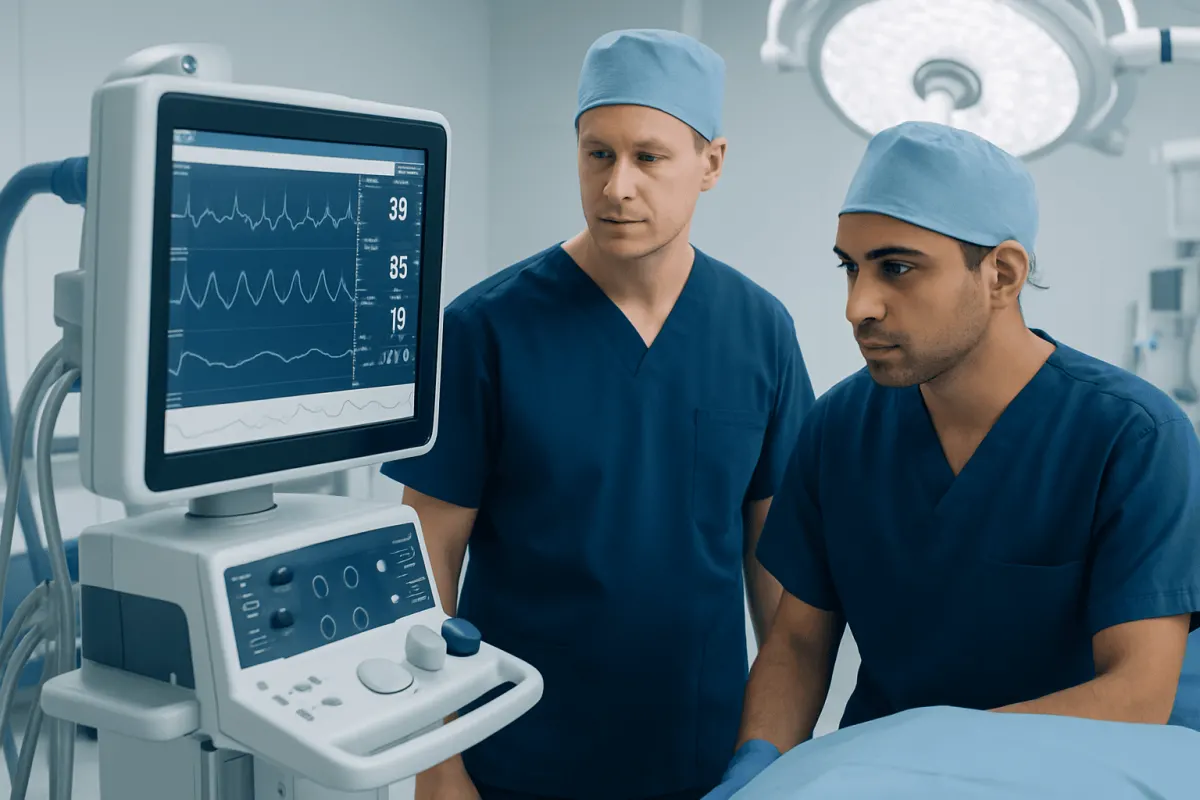
The difference between bypass and open heart surgery is that coronary artery bypass grafting (CABG) is a specific operation that creates new routes for blood to reach the heart muscle, while open-heart surgery is a broader term for operations performed with the chest opened to repair the heart or nearby vessels. Many bypass operations are open-heart procedures, but not every open-heart operation is a bypass.
Overview: What Is the Difference?
Coronary artery bypass grafting, usually shortened to CABG and commonly called bypass surgery, is an operation for coronary artery disease. It uses a healthy blood vessel taken from the chest, arm, or leg to create a new pathway around a narrowed or blocked coronary artery. This helps oxygen-rich blood reach the heart muscle beyond the blockage.
Open-heart surgery describes the surgical approach rather than one particular diagnosis or operation. It usually means the surgeon opens the chest, often through the breastbone, to operate on the heart, valves, major blood vessels, or structures present from birth. CABG is frequently performed as open-heart surgery, but surgeons may also use less-invasive approaches for selected patients.
The terms can therefore overlap, but they should not be used as exact synonyms. A person may have open-heart surgery for a valve problem without having bypass surgery, while someone having CABG may have a conventional open-chest operation or, in specific circumstances, a less-invasive or off-pump procedure.
How Bypass Surgery and Open-Heart Surgery Work
In a standard CABG operation, the surgeon connects one end of a graft vessel to the aorta or another blood source and the other end to a coronary artery beyond the blockage. The graft does not usually remove the plaque inside the diseased artery. Instead, it redirects blood around that area. More than one graft may be needed when several coronary arteries are affected.
Open-heart operations can address many other structural problems. Examples include repairing or replacing a narrowed or leaking heart valve, correcting certain congenital heart defects, repairing part of the aorta, or removing a heart tumor. The exact technique, incision, and length of surgery depend on the condition being treated.
Some operations use a heart-lung machine, also called cardiopulmonary bypass. This machine temporarily takes over circulation and oxygenation while the heart is stopped so the surgeon can work precisely. In off-pump bypass surgery, the heart continues beating and stabilizing devices help the surgeon sew the grafts. Neither approach is automatically best for every person; the choice is individualized.
Who May Be a Candidate?

Bypass surgery may be considered when coronary artery disease causes significant symptoms, such as angina, or when testing shows blockages that could place a large area of heart muscle at risk. It may be particularly helpful for some people with blockages in several major coronary arteries, left main coronary artery disease, reduced heart pumping function, diabetes with complex multivessel disease, or anatomy not well suited to stenting.
Not all coronary blockages require surgery. Medicines, heart-healthy lifestyle measures, and catheter-based procedures such as angioplasty and stenting may be appropriate alternatives for many people. A cardiologist and cardiac surgeon review the location and complexity of blockages, symptom pattern, test results, and the person’s preferences before recommending treatment.
Candidacy for another type of open-heart surgery depends on the underlying problem. For example, surgery for valve disease may be advised when a valve is severely narrowed or leaky, symptoms are affecting daily life, heart function is changing, or delaying intervention could damage the heart. Age alone does not decide suitability. Kidney function, lung health, frailty, prior procedures, stroke risk, and personal goals are all important considerations.
What Happens During the Procedure?
Before surgery, the care team confirms the diagnosis and plans the operation using tests such as coronary angiography, echocardiography, blood tests, and imaging when needed. The patient receives general anesthesia and is asleep throughout the operation. A breathing tube is used during surgery, and monitoring devices track heart rhythm, blood pressure, oxygen levels, and other key measures.
For conventional CABG or many other open-heart procedures, the surgeon makes an incision through the middle of the chest and gently separates the breastbone to reach the heart. In CABG, a graft vessel is prepared from the chest wall, arm, or leg. If a heart-lung machine is used, blood is redirected through it while the necessary grafts or repairs are completed.
Once the surgical work is finished, the heart is restarted if it was temporarily stopped, and the team checks blood flow and heart function. Temporary chest tubes drain fluid, and pacing wires may be placed for short-term rhythm support. The breastbone is closed with strong wires and the skin incision is closed. Patients are then transferred to an intensive care area for close observation.
- Preparation and anesthesia
- Chest access and graft-vessel preparation, when CABG is planned
- Use of a heart-lung machine or beating-heart technique when appropriate
- Completion and testing of grafts or structural repairs
- Monitoring in intensive care followed by inpatient recovery
Benefits, Limitations, and Possible Risks
The main potential benefit of bypass surgery is improved blood supply to the heart muscle. This can reduce angina, improve exercise tolerance and quality of life, and, for selected patterns of coronary disease, improve long-term outcomes. Surgery for valves or other structural conditions can similarly relieve symptoms, protect heart function, and reduce complications related to the untreated problem.
However, surgery does not cure the tendency to develop atherosclerosis. After CABG, continued treatment is essential, including medicines prescribed by the cardiology team, not smoking, regular activity as advised, and management of blood pressure, cholesterol, diabetes, sleep apnea, and other risk factors. Grafts can also narrow over time, particularly if these risk factors are not controlled.
All major heart operations have risks. These may include bleeding, infection, irregular heart rhythms, blood clots, stroke, heart attack, kidney problems, breathing complications, memory or concentration changes during recovery, and reactions to anesthesia. The likelihood of each risk varies with the operation and the person’s health. The surgical team discusses expected benefits and individualized risks before consent is given.
Recovery Timeline and Rehabilitation
Recovery begins in the intensive care unit, where many patients spend one or more days after a major heart operation. The breathing tube is usually removed once it is safe to breathe independently. Pain is managed with medication, and staff encourage gentle movement, coughing exercises, and use of a breathing device to help protect the lungs.
Hospital stay varies according to the procedure, recovery progress, and any complications. Before discharge, patients are usually able to walk short distances, eat and drink, and understand their medication and wound-care plan. Mild tiredness, reduced appetite, sleep disruption, and temporary swelling in the legs or around an incision can occur during the early weeks, but should be discussed with the care team if persistent or worsening.
At home, recovery is gradual. Many people need about six to twelve weeks for the breastbone to heal after a sternotomy, although energy and fitness may continue to improve beyond this period. Driving, lifting, returning to work, and resuming sexual activity should follow the surgeon’s individual advice. Cardiac rehabilitation provides supervised exercise, education, and emotional support and is an important part of recovery for many patients.
Prevention, Self-Care, and Follow-Up
For people with coronary artery disease, daily habits remain central before and after treatment. A heart-healthy eating pattern emphasizes vegetables, fruits, whole grains, beans, nuts, and lean protein sources while limiting highly processed foods, excess salt, and saturated fats. A clinician or dietitian can adapt this advice for people with diabetes, kidney disease, or other dietary needs.
Regular physical activity is beneficial when it is approved by the treating team. After surgery, activity should increase step by step rather than through sudden exertion. Taking prescribed antiplatelet medicines, cholesterol-lowering medicines, blood pressure treatments, or diabetes medicines consistently is also important. Patients should not stop or change medication without medical advice.
Follow-up appointments allow the team to check incision healing, blood pressure, heart rhythm, symptoms, and progress with rehabilitation. Emotional changes, including low mood, anxiety, or frustration, are common after major surgery and deserve attention. Speaking with a healthcare professional, joining rehabilitation, and involving trusted family or friends can support recovery.
When to Seek Medical Care
Anyone with new, recurring, or worsening chest pressure, chest pain, unusual shortness of breath, or a marked reduction in exercise tolerance should arrange prompt medical assessment. These symptoms can have several causes, but they should not be self-diagnosed, especially in people with known heart disease or risk factors such as diabetes, smoking, high blood pressure, or high cholesterol.
Emergency care is needed for possible heart attack symptoms, including persistent chest pressure or tightness, pain spreading to the arm, jaw, back, or upper abdomen, severe breathlessness, cold sweating, nausea, fainting, or sudden unexplained weakness. Symptoms may be less typical in women, older adults, and people with diabetes. Local emergency services should be contacted rather than driving oneself to hospital.
After surgery, urgent advice is appropriate for fever, increasing redness or drainage from an incision, a wound that opens, worsening shortness of breath, rapid weight gain or swelling, palpitations with dizziness, or chest pain that is new or severe. Acıbadem Health Point’s multidisciplinary specialists and JCI-accredited hospitals assess and treat heart conditions for international patients, with care plans guided by individual clinical needs.
Frequently asked questions
01Is bypass surgery always open-heart surgery?
Bypass surgery is often performed through an open-chest approach and is therefore commonly called open-heart surgery. However, selected bypass procedures may be performed with smaller incisions or without using a heart-lung machine. The term open-heart surgery also includes many operations that are not bypass procedures.
02What is the difference between bypass surgery and a heart stent?
Bypass surgery creates a new route for blood to travel around a blockage using a graft vessel. A stent is placed through a catheter to hold a narrowed artery open from inside. The most suitable treatment depends on the number, location, and complexity of blockages as well as the person’s overall health.
03How long does recovery from bypass surgery take?
Recovery differs between individuals, but healing after a conventional breastbone incision commonly takes about six to twelve weeks. Fatigue can last for several weeks, and full conditioning may take longer. Cardiac rehabilitation and follow-up care can help recovery progress safely.
04Can a person have bypass surgery without a heart-lung machine?
Yes. This is called off-pump or beating-heart bypass surgery. It may be considered in certain clinical situations, but it is not appropriate for every patient or every pattern of coronary disease. The cardiac surgeon explains which approach is safest and most effective for the individual.
05Does bypass surgery cure coronary artery disease?
Bypass surgery improves blood flow around specific blocked arteries, but it does not remove the underlying tendency to develop artery plaque. Long-term care still includes prescribed medicines, smoking cessation, healthy eating, physical activity, and management of blood pressure, cholesterol, and diabetes.
06What symptoms can return after bypass surgery?
New or recurring chest discomfort, shortness of breath, unusual fatigue, palpitations, or reduced ability to exercise should be reported to a clinician. These symptoms do not always mean a graft problem, but they require assessment. Sudden or severe symptoms may need emergency care.
This article is for general information only and is not a substitute for professional medical advice. Please consult a qualified doctor about your individual situation.
Heart care in Turkey — expert evaluation and treatment
JCI-accredited · board-certified surgeons · reply within 24h
Add us as a Preferred Source to see more of our trusted health content across Google Search, AI Overviews and Discover.