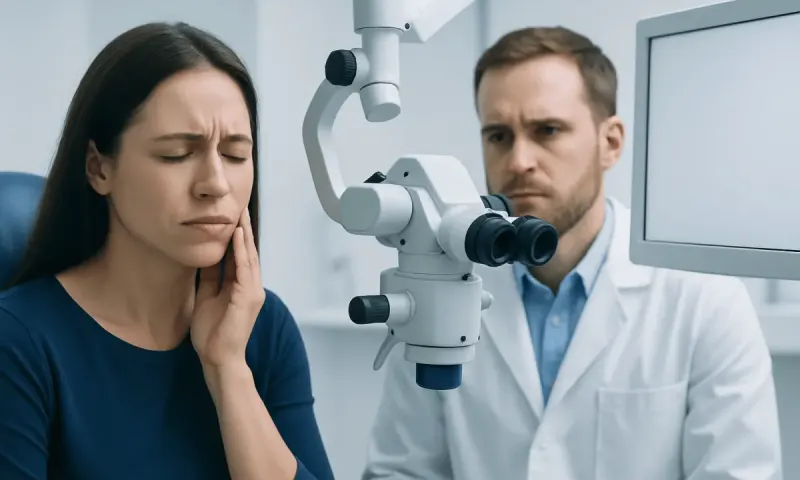
Bump Inside the Tongue: Causes and Treatment

Key Takeaways
- Many bumps inside the tongue are harmless and linked to irritation, minor trauma, or inflamed taste buds.
- A bump that lasts longer than two weeks, grows, bleeds, or feels firm should be checked by a dentist or doctor.
- Diagnosis usually relies on a mouth examination, and sometimes imaging, biopsy, or referral to an oral specialist.
- Treatment depends on the cause and may range from simple home care to medications or minor procedures.
- Good oral hygiene, avoiding irritants, and not picking at the area can support healing and reduce recurrence.
A bump inside the tongue can come from something minor, such as irritation or a blocked salivary gland, but persistent or changing lumps deserve proper evaluation. Understanding the possible causes helps people choose the right next step without unnecessary worry.
Overview
Finding a bump inside the tongue can be unsettling because the tongue is such a sensitive, visible part of the mouth. In many cases, the cause is straightforward: a small irritation from biting the tongue, a blocked salivary duct, an inflamed papilla, or a harmless cyst-like swelling.
Still, not every bump should be assumed to be minor. The tongue can also develop infections, benign growths, or, less commonly, more serious lesions that need prompt attention. The most practical approach is to notice what the bump looks and feels like, how long it has been there, and whether it is changing.
For international patients planning care away from home, this is one of those symptoms where a clear oral examination matters more than guesswork. A dentist, ENT specialist, or oral medicine doctor can usually narrow the possibilities quickly and explain whether simple observation or further testing is the right path.
Symptoms

A bump inside the tongue may feel like a raised spot, a lump, a blister, or a smooth nodule. Some are painful, especially when eating spicy, acidic, or hot foods, while others are noticed only when speaking or brushing the teeth. The location can also be a clue: bumps on the tip or sides of the tongue are often related to trauma, while deeper or firmer lumps may need closer inspection.
Associated symptoms can include redness, swelling, tenderness, a white or red patch, difficulty chewing, a bad taste, or a sore that does not heal. Some people also describe a tingling or burning sensation, particularly if the lining of the tongue is irritated or inflamed.
Warning signs are less common but important to note. These include a lump that keeps enlarging, becomes hard or fixed, bleeds easily, causes numbness, or is accompanied by a neck lump, unexplained weight loss, or trouble swallowing. Those features do not automatically mean a serious condition, but they do justify a timely medical review.
Causes & Risk Factors
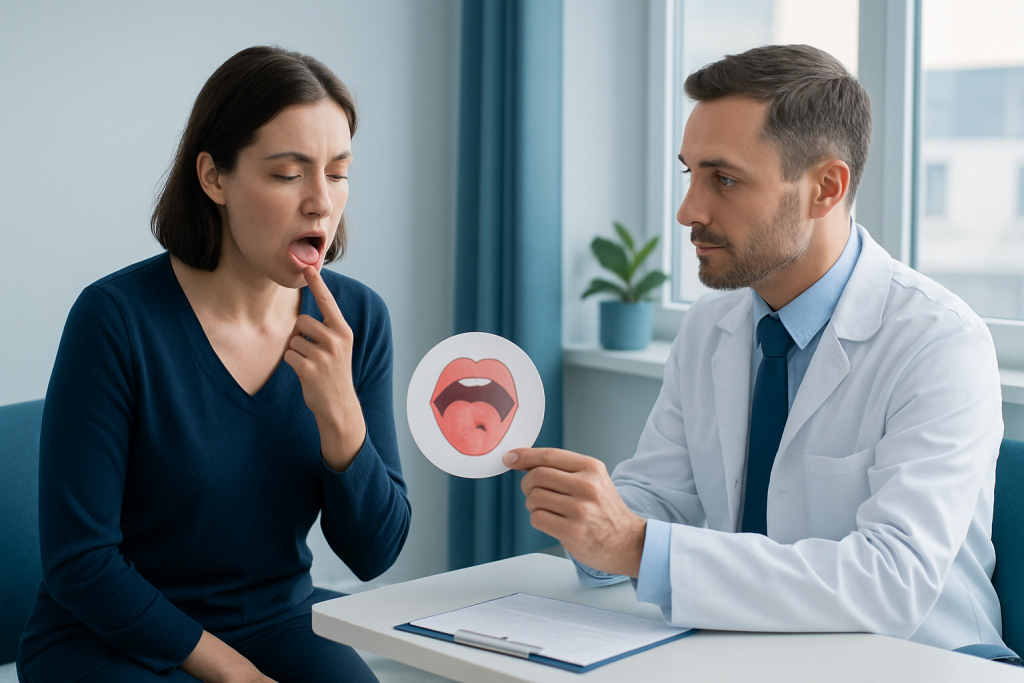
There is no single cause of a bump inside the tongue. One of the most common explanations is local irritation from accidental biting, sharp teeth, dental appliances, or repeated rubbing against a rough edge. Small trauma can create a swollen area that looks more dramatic than it is and usually settles as the tissue calms down.
Other frequent causes include inflamed taste buds, canker sores, mucoceles from blocked salivary glands, fibromas from ongoing friction, and infections such as oral thrush or viral lesions. In some people, benign growths or cysts form within the tongue tissue and may be noticed as a soft or firm lump.
Risk tends to rise when the mouth is exposed to ongoing irritation or delayed healing. Common contributors include:
- frequent tongue biting or Night Guards, and Tooth Wear" class="ahp-ilk">teeth grinding
- poorly fitting dentures, retainers, or braces
- smoking or smokeless tobacco use
- regular alcohol exposure
- dry mouth
- immune suppression or chronic illness
Less commonly, persistent tongue lumps can be related to precancerous or cancerous changes. That possibility is one reason long-lasting or unexplained bumps should not be ignored, especially in adults with a history of tobacco or alcohol use.
Diagnosis
Diagnosis usually starts with a careful history and a close look at the mouth. A clinician will often ask when the bump appeared, whether it hurts, whether it changes size, and whether there has been recent trauma or dental work. The shape, color, surface texture, and firmness of the lesion help guide the next step.
In many cases, a visual examination is enough to identify a likely cause and recommend simple monitoring. If the bump looks unusual, persists beyond a short healing period, or has features that need clarification, additional tests may be suggested. These can include a swab if infection is suspected, imaging for deeper masses, or a biopsy if the tissue needs microscopic analysis.
For people traveling from abroad, planning the diagnostic step carefully can be useful. If a biopsy or procedure is likely, the care team may explain whether it can be done in one visit or whether follow-up is needed after pathology results return. Clear communication helps patients coordinate timing, recovery, and any remote follow-up once they are back home.
Treatment Options
Treatment depends entirely on the cause. A bump from minor trauma often improves with time, softer foods, careful oral hygiene, and avoiding repeated rubbing or biting. If a sharp tooth or dental appliance is irritating the tongue, correcting that source is usually the most important part of treatment.
Inflammatory or infectious causes may be treated with medicine based on the specific diagnosis. For example, antifungal treatment may be used for thrush, while pain relief and mouth rinses can help comfort during healing from ulcers or inflamed tissue. If a cyst, fibroma, or another benign growth is causing symptoms or keeps returning, a minor procedure may be recommended to remove it.
When a lesion looks suspicious or does not behave like a simple irritation, the goal shifts to making a definitive diagnosis rather than assuming it will pass. That may mean biopsy, specialist assessment, and a treatment plan tailored to the tissue findings. Even then, many tongue lesions are treatable, and early evaluation generally makes the process simpler.
Prevention & Self-care
Not every tongue bump can be prevented, but many irritation-related ones can be reduced with everyday habits. Gentle brushing, flossing, and regular dental checkups help identify sharp edges, broken fillings, or appliance problems before the tongue becomes repeatedly inflamed.
Self-care can also make a meaningful difference while healing. Choosing softer foods, staying well hydrated, and avoiding very spicy, acidic, or hot items can limit discomfort. It is also wise not to squeeze, pop, or repeatedly touch the bump, since that can prolong irritation and increase the chance of infection.
Helpful habits include:
- using a soft-bristled toothbrush
- checking dentures, retainers, or braces for friction points
- limiting tobacco and alcohol exposure
- managing dry mouth with hydration and clinician-approved measures
- returning for review if the bump does not improve
For international patients, self-care should be balanced with practical follow-up planning. If a lesion is being observed rather than treated immediately, it helps to know where and when the next examination will happen, especially if travel schedules could delay reassessment.
When to See a Doctor
Medical or dental evaluation is recommended if the bump lasts more than two weeks, keeps growing, becomes firm, or keeps returning in the same spot. It should also be checked sooner if it is painful enough to interfere with eating or speaking, or if it is associated with fever, spreading swelling, or signs of infection.
More urgent assessment is appropriate if the bump bleeds without clear injury, has a red or white patch nearby, causes numbness, or is linked with difficulty swallowing, voice changes, or a lump in the neck. These symptoms do not confirm a serious problem, but they are not the kind that should be watched casually.
For people seeking care abroad, a structured evaluation can be reassuring because it replaces uncertainty with a clear diagnosis and plan. Acibadem Health Point’s multidisciplinary specialists and JCI-accredited hospitals diagnose and treat oral and tongue conditions for international patients, with coordinated care from first assessment through follow-up.
Frequently asked questions
01What is a bump inside the tongue most often caused by?
It is often caused by minor irritation, accidental biting, inflamed taste buds, or a small blocked salivary gland. Many of these settle with time and gentle care. A persistent bump, however, should be examined to confirm the cause.
02How long should a tongue bump last before it is checked?
If a bump does not improve within about two weeks, it is sensible to have it reviewed by a dentist or doctor. A shorter timeframe may be appropriate if it is growing, hard, bleeding, or causing significant discomfort. Early assessment can make treatment simpler.
03Can a bump on the tongue be cancer?
Most tongue bumps are not cancer, but persistent or unusual lesions do need attention because tongue cancer can sometimes begin as a lump, sore, or patch. Features such as firmness, non-healing, bleeding, or a neck lump deserve prompt evaluation. Only a clinician can distinguish a harmless bump from a more serious lesion.
04Should the bump be popped or squeezed?
No, it should not be popped or squeezed. That can worsen irritation, introduce infection, or make the tissue take longer to heal. It is better to keep the area clean and have it assessed if it does not improve.
05What kind of doctor treats a tongue bump?
A dentist is often the first professional to evaluate a tongue bump, and an ENT specialist or oral medicine/oral surgery doctor may also be involved. The right specialist depends on what the lesion looks like and whether it seems to be coming from the tongue tissue, saliva glands, or surrounding structures. If needed, they can arrange further tests or a biopsy.
06Is treatment usually surgical?
Not usually. Many tongue bumps are managed with observation, improved oral care, or medication if an infection or inflammation is present. Surgery or a minor procedure is typically reserved for lesions that are persistent, symptomatic, or need removal for diagnosis.
This article is for general information only and is not a substitute for professional medical advice. Please consult a qualified doctor about your individual situation.
Medical weight-loss options in Turkey — costs & eligibility
JCI-accredited · board-certified surgeons · reply within 24h
Add us as a Preferred Source to see more of our trusted health content across Google Search, AI Overviews and Discover.