Bump in the Ear Canal: Common Causes and Care
A bump in the ear canal is commonly caused by a blocked pore, inflamed hair follicle, small cyst, or local irritation. Although many bumps are harmless, pain, drainage, hearing changes, or a bump that persists should be assessed by a qualified clinician.
What does a bump in the ear canal mean?
A bump in the ear canal can have several causes, and most are not dangerous. It may be a pimple-like blocked pore, an irritated or infected hair follicle, a small skin cyst, a reaction to repeated friction, or—less commonly—a hard bony growth. The location is important because the ear canal is narrow and sensitive, so even a small swelling can feel uncomfortable or seem to affect hearing.
The safest approach is to avoid trying to identify or remove the bump at home. Fingernails, cotton swabs, earbuds, hairpins, and similar objects can scratch the canal, push wax deeper, worsen swelling, or introduce infection. A clinician can look into the ear with an otoscope and usually determine the likely cause quickly.
A bump that is painless and unchanged may not require urgent care, but it still deserves review if it lasts more than a short period or recurs. A new bump with pain, drainage, itchiness, fullness, or reduced hearing is more likely to need treatment or follow-up.
Common causes of a bump in the ear canal
One common explanation is a pimple or folliculitis, which is inflammation of a hair follicle near the outer part of the canal. It can develop when oil, dead skin, moisture, or bacteria block or irritate the follicle. These bumps are often tender, red, and painful when the outer ear is touched or moved.
Inflammation of the outer ear canal, often called swimmer’s ear or otitis externa, can also cause swelling that feels like a bump. This condition may occur after water remains in the ear, after scratching the canal, or in people with skin conditions such as eczema. It can cause itching at first, followed by pain, discharge, fullness, and reduced hearing if swelling becomes more pronounced.
Other possible causes include epidermoid cysts, trapped skin debris, earwax pressed against the canal wall, or irritation from hearing aids, earplugs, earbuds, or in-ear devices. Less often, hard smooth bumps are exostoses or osteomas—benign bony growths. Exostoses can be associated with repeated cold-water exposure and may gradually make the canal narrower.
Rarely, a persistent ulcerated, bleeding, rapidly enlarging, or unusually firm lesion needs further assessment to rule out a more serious skin or ear condition. This is one reason persistent changes should not be self-treated for long periods.
Symptoms that can help describe the problem

The symptoms accompanying a bump can provide useful clues, but they do not confirm a diagnosis. A sore, red bump near the entrance to the ear canal may fit with a pimple or inflamed follicle. Itching, tenderness, ear fullness, and pain when the outer ear is pulled can occur with inflammation or infection of the canal.
Hearing may sound muffled if swelling, wax, drainage, or a growth partly blocks the canal. A person may also notice moisture, clear fluid, yellowish discharge, an unpleasant odor, or a feeling that something is in the ear. These symptoms should be described to a doctor, especially if they are worsening.
Hard bony bumps are often painless unless they trap water or wax and lead to repeated inflammation. By contrast, severe pain, marked tenderness, swelling around the ear, fever, dizziness, or new facial weakness are not typical of a simple pimple and need prompt medical attention.
- Note when the bump first appeared and whether it is growing or changing.
- Tell the clinician about swimming, recent ear cleaning, earbud or hearing-aid use, and skin conditions.
- Report diabetes, immune suppression, or a history of recurrent ear infections, as these may affect evaluation and care.
How clinicians diagnose an ear canal bump
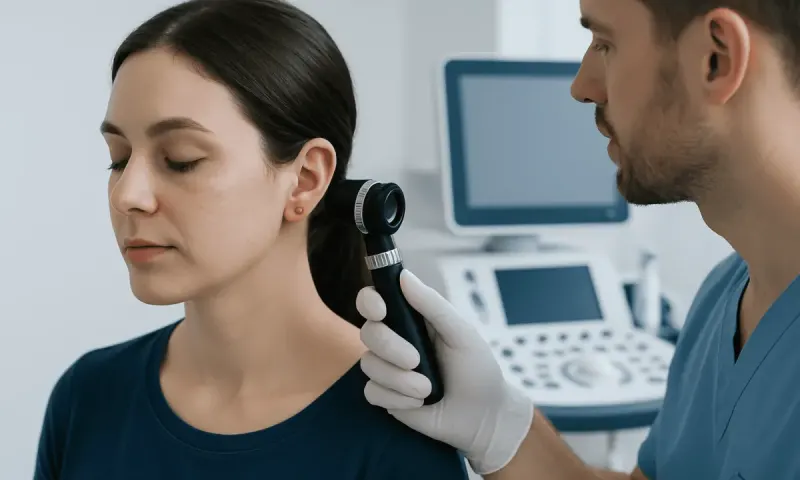
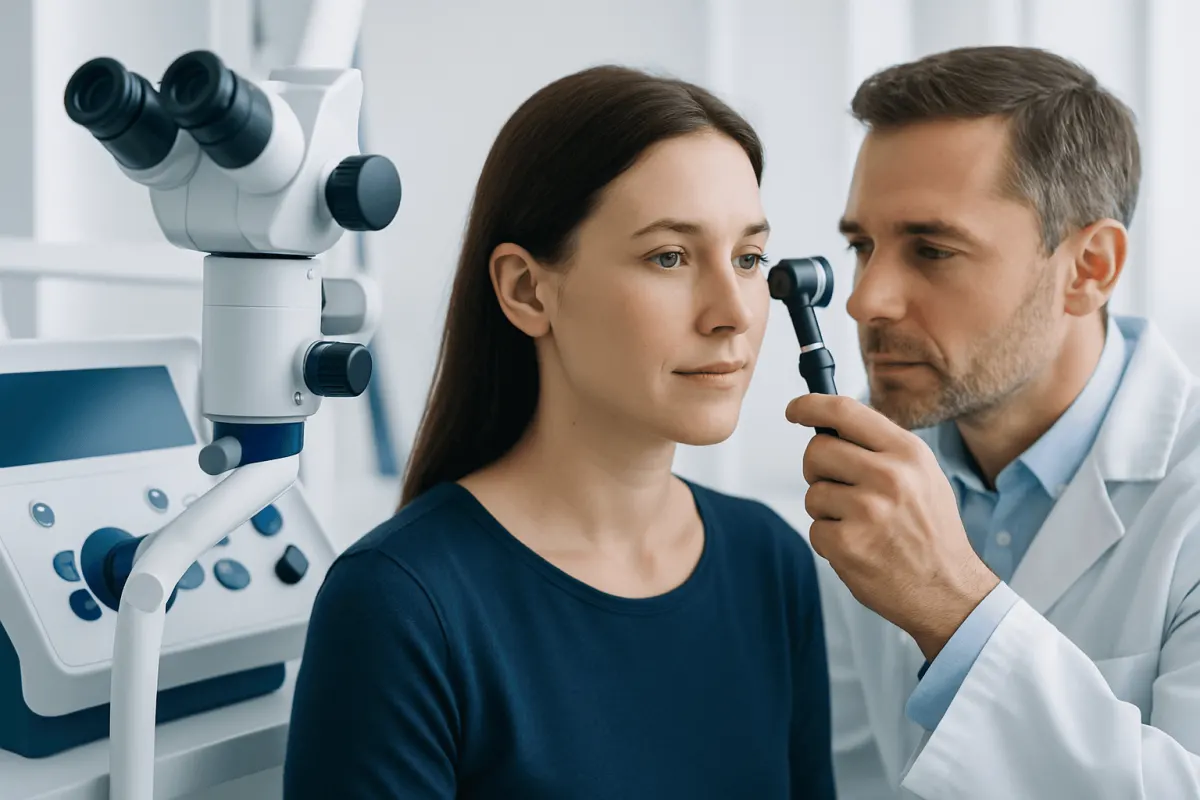
Diagnosis generally begins with a medical history and a careful examination of the outer ear and canal. The clinician uses an otoscope, a lighted instrument designed for viewing the canal and eardrum. This helps distinguish a skin bump from wax, discharge, swelling, a cyst, or a bony narrowing.
If there is discharge, a sample may occasionally be collected to identify infection in recurrent, severe, or treatment-resistant cases. Hearing testing may be considered when symptoms include ongoing muffled hearing, recurrent blockage, or concern that the eardrum or middle ear could also be involved.
Imaging is not routinely necessary for a small uncomplicated bump. It may be considered when a bony growth is suspected, the canal cannot be adequately examined, symptoms are persistent or recurrent, or there are concerning findings. A referral to an ear, nose, and throat specialist may be appropriate for uncertain diagnoses, repeated infections, or suspected canal growths.
Treatment options depend on the cause
Treatment is guided by the cause, severity, and whether the ear canal is blocked. A minor irritated follicle or pimple may settle with protection from further irritation and advice from a clinician. Warm compresses applied to the outside of the ear may soothe discomfort, but nothing should be inserted into the canal.
When an outer-ear infection is present, clinicians may prescribe medicated ear drops. The specific medicine depends on the examination findings and on whether the eardrum is intact. If swelling or debris blocks the canal, careful cleaning by a trained professional may be needed so that prescribed drops can reach the affected skin. This may be part of Infection Treatment: Diagnosis, Outlook, and Modern Treatment Approaches" class="ahp-ilk">ear infection treatment when infection is confirmed.
Cysts, persistent follicular bumps, or bony growths are treated only when they cause symptoms, recurrent infection, significant blockage, or diagnostic uncertainty. Depending on the finding, management may include monitoring, a minor procedure, or specialist treatment. People should not attempt to pop, cut, drain, or remove a bump themselves, as this can lead to bleeding, infection, or injury to the eardrum.
For international patients who require specialist evaluation, Acıbadem Health Point’s multidisciplinary specialists and JCI-accredited hospitals diagnose and treat ear conditions with individualized assessment and follow-up planning.
Protecting the ear canal and preventing irritation
Good ear care focuses on protecting the canal’s natural skin barrier. The ear is usually self-cleaning, and wax has a protective role. Cleaning only the outer ear with a soft cloth is generally sufficient. Cotton swabs and other objects should not be placed into the ear canal, even when there is itching or a sensation of blockage.
After swimming or bathing, gently drying the outside of the ear can help reduce retained moisture. People prone to swimmer’s ear may benefit from personalized prevention advice from a clinician, particularly if they have ear tubes, a perforated eardrum, past ear surgery, or recurrent infections. Homemade drops should not be used without medical advice because they may be unsafe in some situations.
Earbuds, earplugs, hearing aids, and other in-ear devices should be kept clean and should fit comfortably. Taking breaks from devices that rub the ear canal, avoiding sharing them, and addressing eczema or dermatitis with professional guidance can reduce repeated irritation. If wax buildup is frequent, a clinician can advise safe options rather than recommending self-instrumentation.
When to seek medical care
Medical assessment is advisable for any ear canal bump that persists, enlarges, repeatedly returns, or causes discomfort. An appointment is particularly important when there is ear pain, itching that does not improve, discharge, bleeding, hearing changes, or a feeling of blockage. A clinician can also check whether an apparent bump is actually wax or inflammation.
Prompt care is needed for severe or rapidly worsening pain, fever, swelling or redness spreading around the ear, pus-like drainage, substantial hearing loss, dizziness, or weakness of the face. People with diabetes, weakened immune systems, or previous ear surgery should seek advice early for new ear pain or discharge because infections may require closer monitoring.
Until the ear is assessed, it is sensible to keep it dry, avoid swimming if there is pain or drainage, and avoid inserting anything into the canal. Simple pain relief may be considered according to a clinician’s or pharmacist’s advice and the person’s health history.
Frequently asked questions
01Can a bump in the ear canal be a pimple?
Yes. A pimple-like bump can form when a pore or hair follicle near the outer ear canal becomes blocked or inflamed. It may be tender to touch, but it should not be squeezed or picked because this can worsen inflammation or infection.
02Why does my ear canal bump hurt when I touch my ear?
Pain when the outer ear is moved or pressed can occur when the canal skin is inflamed, such as with folliculitis or otitis externa. Because the canal is narrow, even mild swelling can be painful. A clinician should assess pain that is significant, worsening, or accompanied by discharge.
03Will a bump in the ear canal go away on its own?
Some small irritated follicles or pimples improve with time when the ear is left alone and protected from moisture and friction. However, a bump that persists, grows, recurs, or causes pain, drainage, or hearing changes should be examined. The correct treatment depends on what the bump is.
04Is it safe to use a cotton swab to remove a bump or wax?
No. Cotton swabs can push wax deeper, scratch the canal, and make a bump more inflamed or infected. They can also injure the eardrum if inserted too far. It is safer to have persistent blockage or a suspected bump assessed by a clinician.
05Can earwax feel like a bump in the ear canal?
Yes. Earwax can collect in one area and create a sensation of a lump, fullness, or reduced hearing. Only an examination can reliably distinguish wax from a skin lesion, swelling, or another cause. Avoid trying to dig wax out with objects.
06Are hard bumps in the ear canal serious?
Hard bumps may be benign bony growths, such as exostoses or osteomas, and they are often painless. They may need attention if they narrow the canal, retain water or wax, cause recurrent infections, or affect hearing. An ear specialist can confirm the diagnosis and discuss whether monitoring or treatment is appropriate.
This article is for general information only and is not a substitute for professional medical advice. Please consult a qualified doctor about your individual situation.
Hair transplant in Turkey — costs, graft counts & a free assessment
JCI-accredited · board-certified surgeons · reply within 24h
Add us as a Preferred Source to see more of our trusted health content across Google Search, AI Overviews and Discover.