Bubbles In Urine: Causes and When To See a Doctor

Key Takeaways
- Occasional bubbles in urine are often due to urine speed, toilet water, or dehydration.
- Persistent foamy urine can sometimes be linked to protein in the urine.
- Kidney, urinary tract, and metabolic conditions may contribute to this symptom.
- A urinalysis is often the first step in checking the cause.
- Medical attention is especially important if bubbles appear with swelling, pain, blood in the urine, or changes in urination.
Bubbles in urine are often harmless and may happen when urine hits the toilet water quickly or when a person is dehydrated. When the bubbles are persistent, frequent, or paired with other symptoms, they may point to protein in the urine or another urinary or kidney issue that deserves medical review.
Overview
Bubbles in urine are a common thing for people to notice, especially when they are looking more closely at the toilet bowl than usual. In many cases, the explanation is straightforward: urine may fall into the water quickly, the toilet may contain cleaning agents, or the urine may simply be more concentrated than usual.
Still, urine that looks persistently foamy rather than briefly bubbly can sometimes be a clue that something in the body deserves attention. One of the most important possibilities is protein in the urine, which may reflect a kidney problem or another condition affecting how the kidneys filter blood.
For international patients planning care abroad, this symptom is usually evaluated in a practical, step-by-step way. A doctor will typically start with a history, a urine test, and sometimes blood tests or imaging, then decide whether the finding is harmless or part of a larger picture that needs treatment.
Symptoms
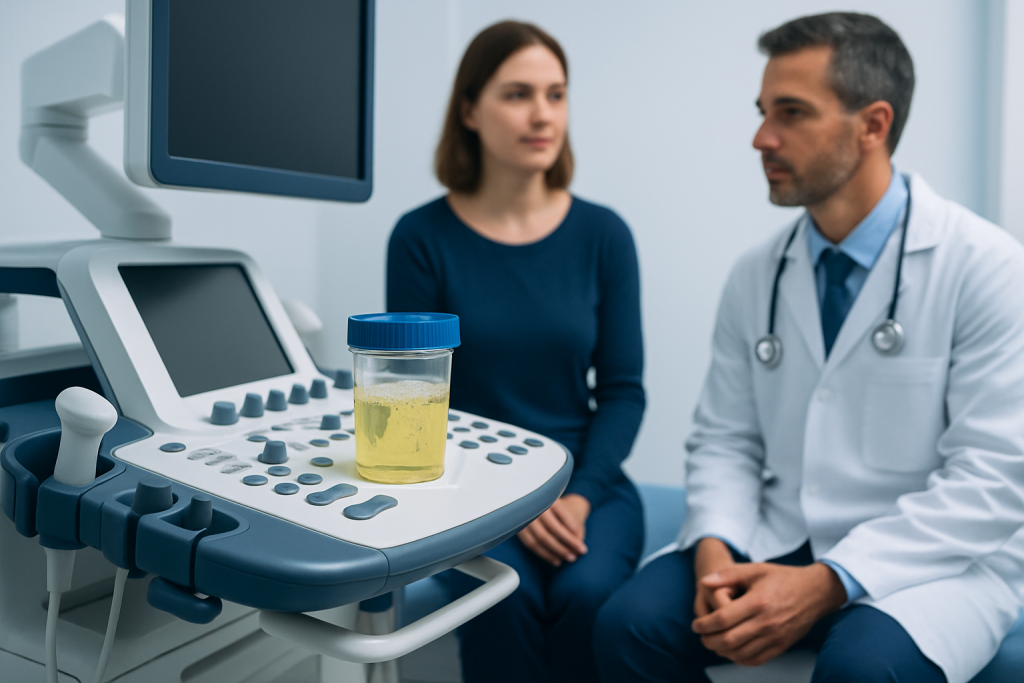
The main symptom is visible bubbles or foam in the urine stream or in the toilet after urination. Some people notice only a light ring of bubbles that disappears quickly, while others see a thicker foam that lingers longer on the surface.
What matters is not only how the urine looks, but also how often the change happens and whether it appears alongside other symptoms. A person may also notice swelling in the feet or around the eyes, fatigue, changes in how often they urinate, pain or burning with urination, cloudy urine, back pain, or blood in the urine.
- Brief bubbles that fade quickly are often less concerning
- Foam that happens repeatedly may deserve testing
- Swelling, blood, pain, or reduced urine output are important warning signs
Urine appearance can also change with hydration, diet, exercise, and certain medications. Because of that, doctors usually look for patterns rather than relying on a single observation.
Causes & Risk Factors

Not every bubbly urine sample points to disease. A fast stream of urine, a toilet bowl with residual soap or cleanser, and concentrated urine from not drinking enough fluids can all make bubbles more noticeable. After exercise, fever, or a long period without fluids, the urine may also appear more foamy than usual.
One of the best-known medical causes is proteinuria, meaning protein in the urine. Healthy kidneys keep protein in the bloodstream, so protein leaking into urine can suggest a problem with kidney filtering. This may happen with kidney inflammation, diabetes-related kidney disease, high blood pressure, certain infections, or other kidney disorders.
Other possible contributors include urinary tract infections, retrograde ejaculation in men, and less commonly some conditions that affect the urinary system’s structure or function. Risk tends to be higher in people with diabetes, hypertension, a personal or family history of kidney disease, autoimmune illness, or previous urinary problems.
Diagnosis
Diagnosis usually begins with a conversation about when the bubbles appear, how long they have been present, and whether they are accompanied by other symptoms. A doctor may also ask about hydration habits, exercise, recent illness, medications, supplements, and medical conditions such as diabetes or high blood pressure.
The most common first test is a urinalysis. This can check for protein, blood, glucose, infection markers, and signs of inflammation. If protein is found, the doctor may order a urine protein-to-creatinine ratio or a 24-hour urine collection to understand the amount more accurately.
Blood tests may be used to evaluate kidney function, blood sugar, and other related markers. If the cause is not clear, imaging such as an ultrasound may be recommended. For patients traveling from another country, these tests are often coordinated efficiently so that results can be reviewed in a clear, organized plan before return travel or follow-up at home.
Treatment Options
Treatment depends entirely on the cause. If the bubbles are related to dehydration or the way urine enters the toilet, no medical treatment may be needed beyond better hydration and observation. If an infection is present, a doctor may prescribe appropriate treatment based on test results.
When proteinuria is linked to kidney disease, treatment focuses on the underlying condition. That may include controlling blood pressure, managing diabetes carefully, adjusting medications, or treating inflammation or other kidney disorders. In some cases, a kidney specialist may be involved to guide longer-term care.
When a urinary or reproductive issue is responsible, treatment is tailored to that specific diagnosis. The key point is that the visible bubbles themselves are not the disease; they are a sign that helps clinicians decide what is happening deeper in the body.
Prevention & Self-care
Simple habits can reduce harmless causes of foamy-looking urine. Drinking enough water through the day is often the first step, especially in hot weather, during travel, or after exercise. It also helps to notice whether the urine looks different only after a long interval without fluids.
General kidney-friendly self-care matters as well. Keeping blood pressure and blood sugar under control, avoiding unnecessary overuse of pain relievers, and following prescribed treatment plans can all support urinary and kidney health. People with known kidney disease should follow the monitoring schedule their doctor recommends.
- Stay consistently hydrated unless a doctor has restricted fluids
- Keep track of new swelling, fatigue, or changes in urine color
- Manage diabetes and blood pressure as directed
- Use medications only as recommended by a clinician
For international patients, it can be helpful to bring previous lab reports, medication lists, and any old kidney or urine test results when seeking a second opinion abroad. That information often makes evaluation faster and more precise.
When to See a Doctor
Medical evaluation is a good idea if bubbles in urine happen repeatedly over several days, seem more like foam than brief bubbles, or appear together with other changes. This is especially true if there is swelling in the legs or face, pain when urinating, blood in the urine, fever, lower back pain, or a noticeable drop in urine amount.
People with diabetes, high blood pressure, known kidney disease, or a family history of kidney problems should be more attentive to this symptom. Even when the cause turns out to be minor, checking early can help rule out kidney-related issues before they progress.
Acibadem Health Point’s multidisciplinary specialists and JCI-accredited hospitals diagnose and treat urinary and kidney conditions for international patients, with care coordinated around testing, treatment, and follow-up needs.
Urgent care is warranted if bubbles are accompanied by severe swelling, very dark or bloody urine, strong pain, confusion, or signs of dehydration that do not improve with fluids. In most situations, though, the process begins calmly with a urine test and a clear explanation of what the result means.
Living With the Symptom While Waiting for Answers
Waiting for test results can make any urinary change feel more significant than it may actually be. It helps to observe the symptom in a practical way: note when it appears, whether it happens after hydration changes or exercise, and whether it is present every time or only occasionally.
If the doctor suspects a kidney or urinary cause, follow-up is often straightforward and purposeful. Many patients feel reassured once the urine tests, blood work, and clinical history are brought together, because the symptom becomes easier to interpret in context.
The most useful approach is neither to ignore persistent foamy urine nor to assume the worst. A measured evaluation usually provides the answer and, if needed, a treatment plan that fits the person’s overall health.
Frequently asked questions
01Are bubbles in urine always a sign of kidney disease?
No. Brief bubbles are often caused by a strong urine stream, concentrated urine, or soap in the toilet bowl. Persistent foamy urine, however, should be checked because it can sometimes be linked to protein in the urine and kidney problems.
02What does foamy urine mean?
Foamy urine means the urine looks like it has a layer of bubbles or suds that stays visible for a while. It can be harmless, but it may also suggest proteinuria or another urinary issue, so the pattern matters.
03Can dehydration cause bubbles in urine?
Yes. When urine is more concentrated from not drinking enough fluids, it can look darker and may form more bubbles. If the appearance improves with better hydration, that is often reassuring.
04What tests are used to find the cause?
A urinalysis is usually the first test. Depending on the result, a doctor may also order blood tests for kidney function or a urine protein measurement to see how much protein is present.
05Should a person see a doctor if the bubbles come and go?
If they are occasional and clearly linked to hydration or toilet conditions, they may not be concerning. If they keep returning, become more foamy, or come with swelling, pain, blood, or changes in urination, a medical review is recommended.
06Can bubbles in urine be related to exercise?
Yes, sometimes. After intense exercise, urine can be temporarily more concentrated or may contain small amounts of protein for a short period. If it keeps happening or does not settle, it should be evaluated.
This article is for general information only and is not a substitute for professional medical advice. Please consult a qualified doctor about your individual situation.
Joint and spine care in Turkey — expert assessment & treatment
JCI-accredited · board-certified surgeons · reply within 24h
Add us as a Preferred Source to see more of our trusted health content across Google Search, AI Overviews and Discover.