Brown Discharge Before Period: Causes and When to Worry

Key Takeaways
- Brown discharge before a period is often old blood, especially when it appears lightly and without other symptoms.
- Hormonal shifts, ovulation, early pregnancy, birth control, and stress can all change the timing of bleeding.
- Infection, cervical changes, fibroids, polyps, and other gynecologic conditions may also cause spotting.
- A doctor should review brown discharge if it is frequent, heavy, foul-smelling, painful, or occurs with pregnancy concerns.
- Tracking cycle timing and symptoms can help a clinician identify the cause more accurately.
Brown discharge before a period is often caused by old blood leaving the body more slowly than usual. In many cases it is harmless, but patterns, timing, and associated symptoms help show whether medical review is needed.
Overview
Brown discharge before a period usually means that a small amount of blood has taken longer to leave the uterus or vagina, so it has oxidized and turned brown. For many women, this happens at the edges of a menstrual cycle and does not point to a serious problem.
The timing matters. Discharge that appears once or twice just before menstruation may fit a normal premenstrual pattern, while repeated spotting between periods, discharge after sex, or color changes with pain or odor deserve a closer look. For Myomectomy Recovery for International Patients: The Usual Travel Timeline" class="ahp-ilk">international patients planning care from abroad, a simple symptom diary can be especially helpful during a short consultation because it gives the doctor a clearer picture of the cycle pattern.
Brown discharge is a symptom, not a diagnosis. The goal is to understand whether it reflects a typical cycle change, a hormonal shift, a pregnancy-related issue, or a condition that needs treatment.
Symptoms
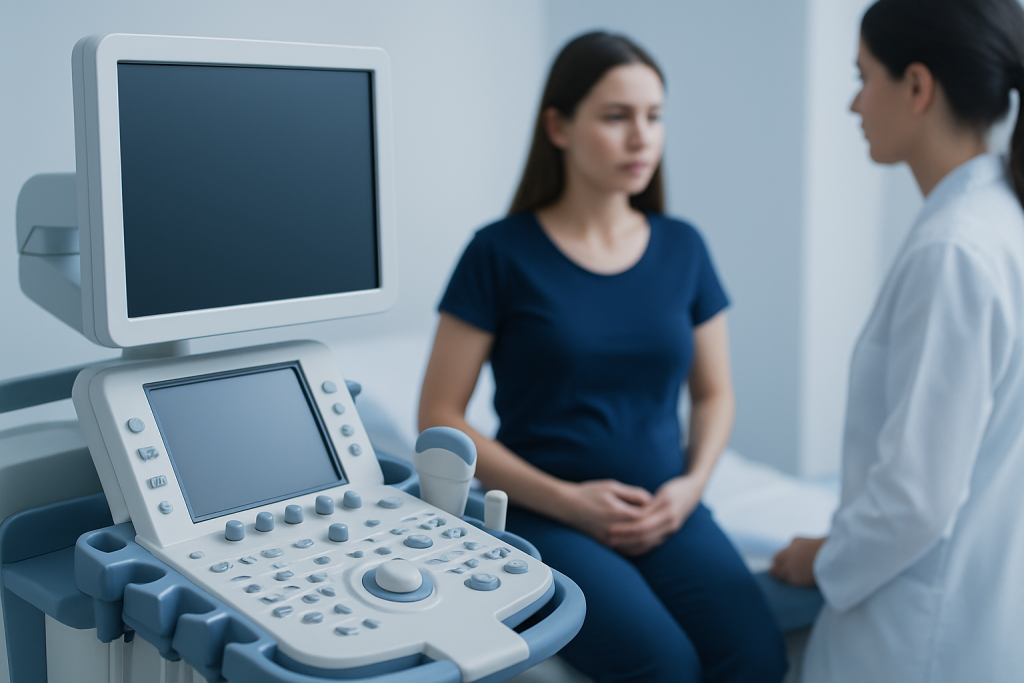
Brown discharge before a period can range from a faint stain on underwear to a light flow that appears for a day or two. Some women notice it only when wiping, while others see it begin before their usual menstrual bleeding.
By itself, the discharge may not be painful or unpleasant. However, symptoms that accompany it can point toward a different cause and help guide evaluation.
- Pelvic pain or cramping that feels stronger than usual
- Foul odor or itching
- Bleeding after sex
- Irregular cycles or missed periods
- Breast tenderness, nausea, or fatigue that could suggest pregnancy
- Bleeding that becomes heavier than expected
These details are useful whether a person is seen locally or is seeking a second opinion while traveling. They help the clinician decide which tests, if any, are most appropriate.
Causes & Risk Factors

The most common explanation is old blood mixed with normal vaginal secretions. When menstrual blood leaves the body slowly, it can look brown rather than red. This often happens right before a period begins or as it is ending.
Hormonal changes are another frequent reason. Stress, weight change, intense exercise, thyroid problems, and changes in sleep or routine can affect ovulation and the lining of the uterus, leading to spotting before menstruation. Hormonal contraception can also cause breakthrough bleeding, especially when starting, stopping, or changing a method.
Other possible causes include:
- Early pregnancy, including implantation bleeding
- Infections such as cervicitis or sexually transmitted infections
- Uterine polyps or fibroids
- Endometriosis or adenomyosis
- Perimenopause, when hormone levels begin to shift
- Cervical irritation, including after a pelvic exam or intercourse
Risk is higher when cycles are irregular, there is a history of gynecologic conditions, or bleeding patterns change suddenly. A doctor usually considers the person’s age, pregnancy possibility, contraceptive use, and any related symptoms before deciding on the next step.
Diagnosis
Doctors usually begin with questions about the menstrual cycle, recent sexual activity, contraceptive use, medications, and any pain, odor, or itching. A physical or pelvic exam may be recommended depending on the situation and the patient’s comfort.
Testing is selected based on the likely cause. It may include a pregnancy test, swabs for infection, cervical screening if due, blood tests for hormone or thyroid concerns, or imaging such as pelvic ultrasound when structural causes are suspected. The purpose is not to test everything, but to match the workup to the pattern being described.
For women arranging care from another country, it helps to bring prior test results, a list of medicines, and notes about cycle timing. Even a brief record of when the brown discharge appears and how long it lasts can make the visit more efficient and reduce unnecessary repeat testing.
Treatment Options
Treatment depends entirely on the cause. When brown discharge is part of a normal cycle variation, reassurance and observation may be all that is needed. If the issue is linked to hormonal contraception, a clinician may suggest adjusting the method or monitoring for a few cycles.
Infections are treated with the appropriate medicine after evaluation, and structural issues such as fibroids or polyps may require targeted management. If pregnancy is the reason for the spotting, the care plan changes based on how far along the pregnancy is and whether any warning signs are present.
Common approaches may include:
- Watchful waiting when the pattern is mild and clearly cycle-related
- Medication for infection or hormone-related conditions
- Imaging or procedures for suspected polyps, fibroids, or cervical issues
- Review of contraceptive methods and menstrual tracking
Because treatment choices vary so widely, it is best to avoid self-treating persistent spotting without an assessment. A focused evaluation usually clarifies whether the discharge is simply old blood or part of a condition that benefits from care.
Prevention & Self-care
Not every episode of brown discharge can be prevented, but cycle awareness can make the pattern easier to understand. Recording the first day of each period, any spotting, and related symptoms helps identify whether the discharge happens only just before menstruation or at unpredictable times.
General self-care supports hormonal balance and vaginal health. Regular sleep, balanced meals, managing stress, and avoiding smoking can help reduce cycle disruption in some people. Using contraception consistently and attending routine cervical screening when recommended also supports early detection of problems.
Helpful habits include:
- Track bleeding dates, flow, and symptoms in a notebook or app
- Use condoms when infection exposure is a concern
- Avoid douching or scented vaginal products
- Seek review if spotting becomes a repeating pattern
For patients traveling for care, it can be useful to plan follow-up before leaving, especially if a treatment or test result needs review after returning home. That continuity makes it easier to interpret whether symptoms settle as expected.
When to See a Doctor
Medical advice is recommended if brown discharge before a period is new, frequent, or changing in pattern. It is also important to seek assessment if the discharge comes with pelvic pain, fever, itching, a bad smell, bleeding after sex, or a missed period.
Pregnancy concerns should always be taken seriously. If pregnancy is possible, a test should be done, since early pregnancy spotting can look similar to premenstrual brown discharge but may need different guidance.
Prompt review is especially sensible when the person is postmenopausal, has a history of fibroids or polyps, or notices heavier bleeding than usual. Acibadem Health Point’s multidisciplinary specialists and JCI-accredited hospitals can diagnose and treat this condition for international patients, with coordinated evaluation and follow-up when needed.
In most cases, brown discharge before a period is explainable and manageable. The key is recognizing when it fits a familiar cycle pattern and when it is the body’s way of signaling that a checkup would be helpful.
Frequently asked questions
01Is brown discharge before a period normal?
It can be normal, especially if it appears briefly right before menstruation and there are no other symptoms. Brown color usually means older blood leaving the body more slowly. If it keeps happening or the pattern changes, a doctor should review it.
02Can brown discharge mean pregnancy?
Yes, it can sometimes happen in early pregnancy, including around implantation, but it is not specific to pregnancy. A home pregnancy test and a clinician’s guidance can help distinguish early pregnancy spotting from premenstrual bleeding. If pregnancy is possible, testing should not be delayed.
03What causes brown discharge besides a period?
Hormonal changes, birth control, infection, cervical irritation, fibroids, polyps, and perimenopause can all contribute. Sometimes the discharge is simply old blood from a previous bleed. The associated symptoms and cycle timing usually provide the best clues.
04Should brown discharge with odor or itching be checked?
Yes, it should be assessed because odor and itching can suggest infection or irritation. These symptoms are not typical of simple old blood alone. A clinician may recommend an exam or swab tests to find the cause.
05Can stress cause brown discharge before a period?
Stress can affect hormones and disrupt ovulation, which may lead to spotting before a period. This does not mean stress is the only cause, but it can be part of the picture. If the spotting continues, other causes should still be considered.
06When is brown discharge an emergency?
It is usually not an emergency, but urgent care is appropriate if there is severe pain, heavy bleeding, dizziness, fainting, or possible pregnancy with significant pain or bleeding. Those situations may need prompt evaluation. For most mild cases, a scheduled appointment is enough.
This article is for general information only and is not a substitute for professional medical advice. Please consult a qualified doctor about your individual situation.
Persistent digestive symptoms? Get evaluated in Turkey
JCI-accredited · board-certified surgeons · reply within 24h
Add us as a Preferred Source to see more of our trusted health content across Google Search, AI Overviews and Discover.