Broken Pelvis Recovery: Healing and Safe Movement
Broken pelvis recovery varies widely: stable fractures may improve steadily over 6 to 12 weeks, while unstable or surgically treated fractures often require several months of healing and rehabilitation. A personalized plan for pain control, safe mobility, nutrition and follow-up imaging helps the pelvis heal while reducing complications from inactivity.
Broken Pelvis Recovery: What to Expect
Broken pelvis recovery usually involves gradual bone healing, pain management and a carefully paced return to standing, walking and everyday activities. Many stable pelvic fractures heal in about 6 to 12 weeks, although fatigue, stiffness and reduced walking endurance can continue for several additional months. More complex fractures, fractures involving more than one part of the pelvic ring, or injuries treated with surgery commonly need a longer recovery.
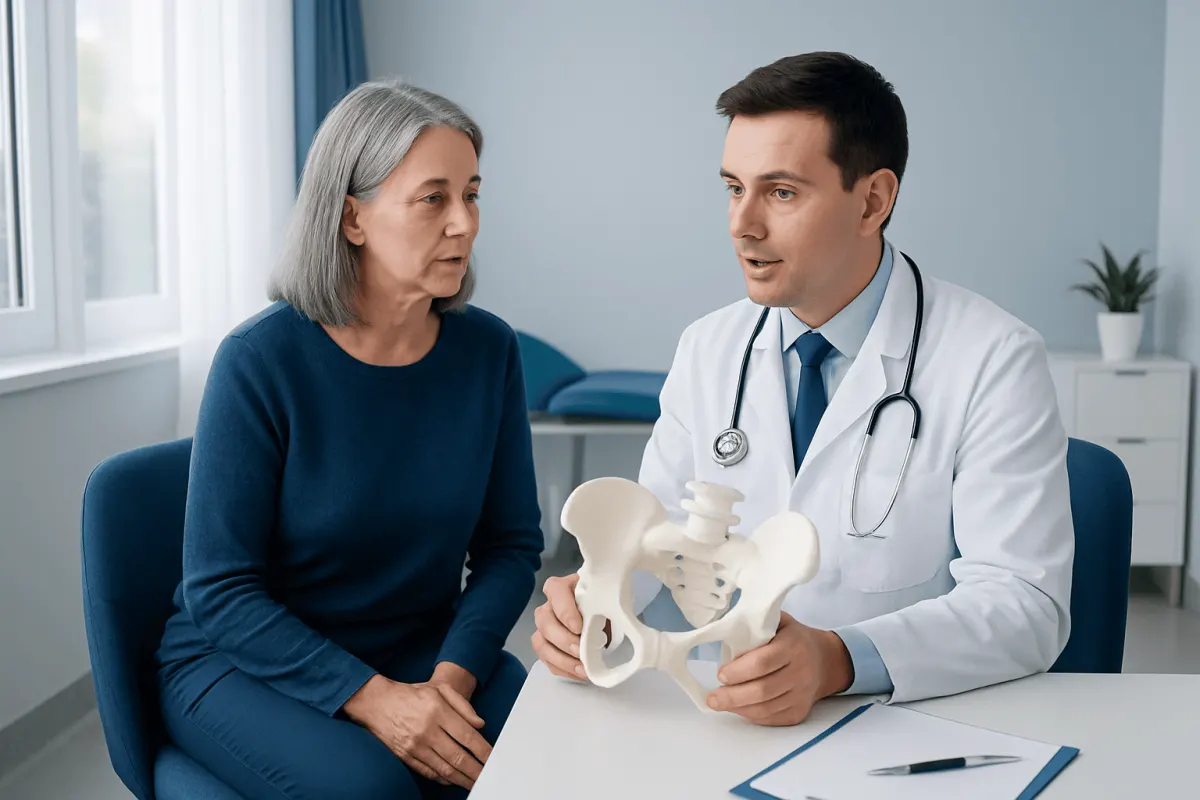
The pelvis is a ring of bones that supports the spine and transfers weight through the hips and legs. Because it is close to major blood vessels, nerves, the bladder and reproductive organs, a pelvic fracture should always be assessed by a qualified clinician. The recovery plan depends on whether the fracture is stable, displaced, associated with other injuries, and whether the person can safely put weight through the affected side.
Recovery is rarely identical from one person to another. Older adults with osteoporosis may sustain a fracture after a low-energy fall, while younger people may have a more complex injury after substantial trauma. In both situations, regular review by an orthopedic team helps ensure that pain, mobility and bone alignment are progressing as expected.
How the Injury Is Assessed and Treated
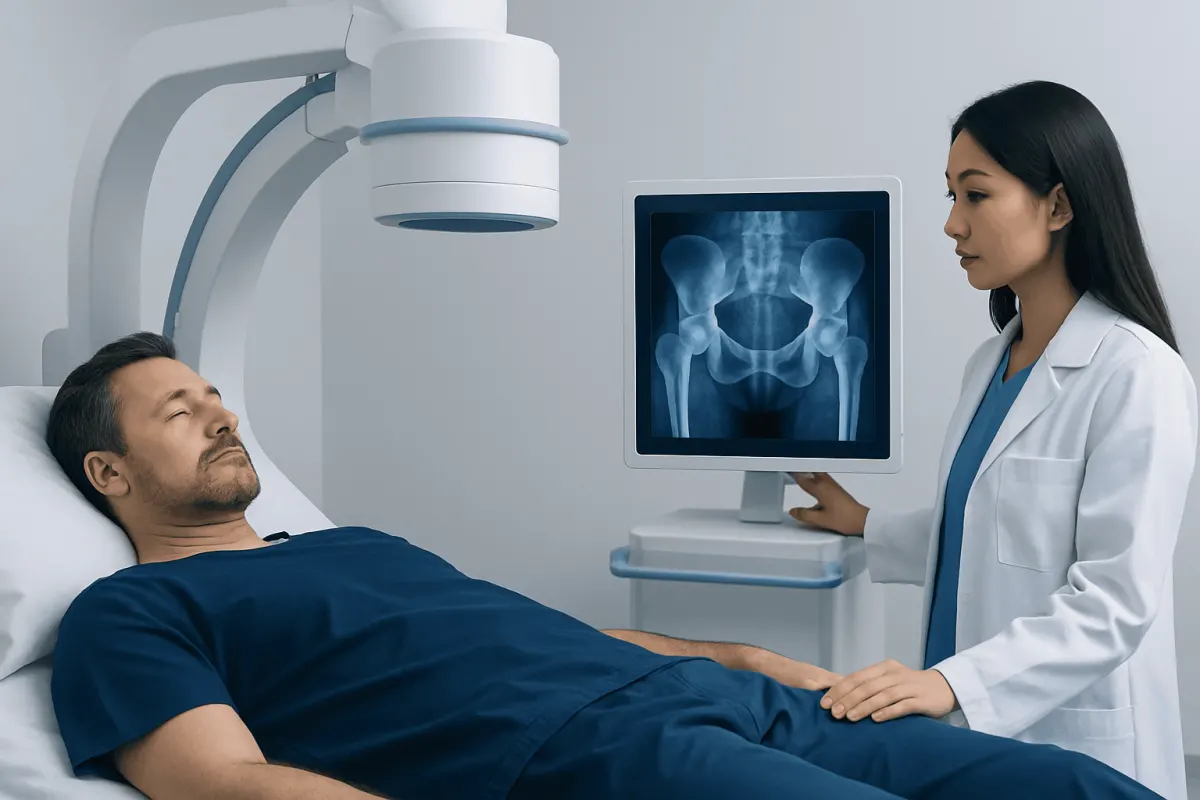
After a pelvic injury, clinicians first assess urgent concerns such as bleeding, shock, nerve changes and injury to nearby organs. X-rays are commonly used to identify the fracture, while a CT scan may provide a clearer picture of the fracture pattern and whether the pelvic ring is stable. Blood tests, urine testing and additional imaging may be needed when associated injuries are suspected.
Stable, non-displaced fractures can often be treated without an operation. This approach may include prescribed pain relief, mobility aids such as crutches or a walker, prevention of blood clots when appropriate, and physiotherapy. The central goal is to allow safe movement while avoiding forces that could shift the healing bone.
Unstable or displaced fractures may require surgery to restore alignment and stabilize the pelvis. During pelvic fracture fixation, an orthopedic surgeon may use plates, screws, rods or external stabilization devices, selected according to the injury pattern. Orthopedic care coordinates fracture assessment, surgical decision-making and rehabilitation planning.
Not every fracture needs surgery, and surgery is not chosen simply to speed recovery. The decision is based on stability, alignment, pain and function, associated injuries, and the person’s overall health. The treating team explains the expected benefits, limitations and possible risks of each option.
Broken Pelvis Recovery Timeline: Week by Week
First days to week 1: Care focuses on confirming the fracture type, controlling pain, monitoring for complications and establishing safe transfers from bed to chair. Some people need hospital care, particularly after high-energy trauma or surgery. Others with a stable fracture may begin protected movement at home with a walker or crutches and support from family or rehabilitation professionals.
Weeks 2 to 4: Pain often begins to settle, but movement can still be limited. Physiotherapy may focus on safe walking technique, gentle range-of-motion exercises, breathing exercises and maintaining strength in unaffected areas. The treating clinician determines whether no weight-bearing, partial weight-bearing or weight-bearing as tolerated is appropriate.
Weeks 5 to 8: Many stable fractures show meaningful healing during this phase. Walking distance and independence with basic daily tasks may improve, although sitting, stairs, turning in bed and getting into a car can remain uncomfortable. Follow-up visits and imaging, when needed, help confirm that healing remains on track before activity is increased.
Weeks 9 to 12 and beyond: Some people can gradually return to more normal walking and low-impact activities, while others need ongoing rehabilitation for strength, balance and endurance. After complex injuries or surgery, recovery may extend for several months. Return to driving, work, sport and lifting should be individualized and approved by the care team.
How Long Does It Take to Walk Normally After a Pelvic Fracture?
Walking normally after a pelvic fracture may take anywhere from several weeks to several months. With an uncomplicated stable fracture, some people progress from a walker or crutches toward more natural walking over roughly 6 to 12 weeks. However, walking without pain, limping or fear of falling can take longer, especially in older adults or after a complex fracture.
Whether a person may walk early is determined by fracture stability, bone alignment, surgery if performed, pain control and overall balance. Some patients are allowed to bear weight as tolerated, while others must keep weight off one or both legs for a period of time. Following these instructions is important because premature loading can affect fracture alignment or delay recovery.
Rehabilitation helps restore hip and core strength, posture, balance and confidence. A physiotherapist may progress the person from bed mobility to transfers, assisted walking, stair practice and eventually endurance training. A limp that persists can reflect weakness, stiffness, pain or altered walking habits and should be discussed at follow-up rather than ignored.
How Long Is Bed Rest for a Broken Pelvis?
Bed rest for a broken pelvis is generally kept as short as safely possible. Complete, prolonged bed rest can lead to muscle loss, constipation, pressure injuries, chest infections and blood clots, particularly in older adults. Instead, the care team usually encourages supported changes of position and early, protected movement once the person is medically stable.
The exact period in bed depends on the injury and any other medical problems. A person with a stable fracture may be helped to sit, stand or walk with an aid relatively early, whereas someone with an unstable fracture, major associated injuries or recent surgery may initially need more time in bed and closer monitoring. Even when walking is restricted, clinicians may recommend ankle movements, breathing exercises and other safe activities.
Patients should not interpret early mobilization as permission to place unrestricted weight on the pelvis. The orthopedic team’s weight-bearing instructions take priority. Asking for a written plan can help patients and caregivers understand permitted walking, transfers, stairs, bathing and sleeping positions during the early weeks.
What Is the Fastest Way to Heal a Broken Pelvis?
The fastest safe way to heal a broken pelvis is to follow the individualized treatment plan rather than trying to push through pain or return to full activity too soon. This includes attending follow-up appointments, using crutches or a walker as instructed, taking prescribed medicines safely, and completing recommended physiotherapy. Bone healing cannot be rushed, but appropriate protection and rehabilitation can support steady progress.
Nutrition and general health also matter. Adequate protein, calories, calcium and vitamin D support bone health, although supplements should be discussed with a clinician, particularly for people with kidney disease or other health conditions. Avoiding smoking and nicotine is important because they can impair bone healing. Limiting alcohol and managing long-term conditions such as diabetes can also support recovery.
Practical self-care includes preventing falls, keeping essential items within reach, using safe footwear and accepting help with demanding tasks. Maintaining hydration, a fiber-rich diet and gentle activity as permitted can help reduce constipation related to limited movement or pain medicines. Persistent pain should be reviewed, as it may need treatment adjustment rather than simply being endured.
- Follow weight-bearing and activity restrictions exactly.
- Attend physiotherapy and practice only the exercises recommended for the current stage.
- Support sleep, nutrition and smoking cessation.
- Report new or worsening symptoms promptly.
What Are Signs of a Pelvic Fracture Not Healing Properly?
Signs that a pelvic fracture may not be healing as expected include pain that is worsening rather than gradually improving, persistent inability to progress with walking or daily activities, a new or increasing limp, or pain that returns sharply after it had been settling. New sensations of instability, grinding or movement in the pelvic area also warrant medical review.
Other concerning signs can include fever, increasing redness, drainage or swelling around a surgical wound, and persistent numbness, weakness or tingling in the legs. Problems passing urine or stool, blood in the urine, unexplained abdominal or pelvic swelling, or new sexual function concerns should be assessed because the pelvis is close to several important organs and nerves.
Delayed union, nonunion and malunion are terms clinicians use when bone healing is slower than expected, fails to unite or heals in a poor position. These conditions cannot be diagnosed from symptoms alone. The orthopedic team may use examination and repeat imaging to assess bone alignment and healing, then adjust the rehabilitation plan or discuss further treatment if necessary.
When to Seek Medical Care
Emergency care is needed after a significant fall, collision or crushing injury with pelvic, hip, groin or lower back pain, especially when the person cannot stand or bear weight. Urgent assessment is also important for severe pain, fainting, dizziness, pale or clammy skin, abdominal swelling, heavy bleeding, blood in the urine, loss of bladder or bowel control, or new weakness or numbness.
During recovery, patients should contact their clinician promptly if pain suddenly increases, mobility declines, a wound becomes red or drains fluid, fever develops, or there are symptoms of a blood clot such as new one-sided leg swelling or pain. Sudden shortness of breath, chest pain or coughing blood requires emergency medical attention.
Regular follow-up is a key part of broken pelvis recovery. Acıbadem Health Point’s multidisciplinary specialists and JCI-accredited hospitals assess and treat pelvic fractures for international patients, including orthopedic evaluation and rehabilitation planning. The recovery plan should always be individualized by the treating medical team.
Frequently asked questions
01Can a broken pelvis heal without surgery?
Yes. Many stable, non-displaced pelvic fractures can heal without surgery using pain control, mobility support, activity restrictions and rehabilitation. Surgery may be recommended when the fracture is unstable, displaced or associated with injuries that require stabilization.
02Is a broken pelvis the same as a hip fracture?
No. A hip fracture usually involves the upper part of the femur, or thigh bone, near the hip joint. A pelvic fracture affects one or more bones of the pelvic ring, although both injuries can cause groin or hip-area pain and difficulty walking.
03Can someone walk with a pelvic fracture?
Some people with stable fractures can walk with a walker or crutches under medical guidance. Others need to avoid or limit weight-bearing for a period of time. The correct approach depends on the fracture pattern and must be determined by the treating team.
04Why does a pelvic fracture hurt more at night?
Pain may feel more noticeable at night because there are fewer distractions, and changing position in bed can place pressure on sore muscles and healing bone. Pain that is progressively worsening, severe despite prescribed treatment, or accompanied by fever or new symptoms should be reviewed promptly.
05When can a person drive after a pelvic fracture?
Driving should wait until the person can safely sit, move the legs, perform an emergency stop and is no longer taking medicines that impair alertness. Clearance timing varies considerably based on pain, mobility, the affected side and whether surgery was performed. The treating clinician should provide individualized advice.
06Does a pelvic fracture increase the risk of future fractures?
A fracture after a low-energy fall can sometimes indicate reduced bone strength, including osteoporosis. Clinicians may recommend bone health assessment, fall-risk review and measures to protect future bone health. A fracture caused by major trauma does not necessarily mean bone weakness is present.
This article is for general information only and is not a substitute for professional medical advice. Please consult a qualified doctor about your individual situation.
Joint and spine care in Turkey — expert assessment & treatment
JCI-accredited · board-certified surgeons · reply within 24h
Add us as a Preferred Source to see more of our trusted health content across Google Search, AI Overviews and Discover.