Breast Reconstruction After Radiation: What Options Are Still Possible?

Breast reconstruction after radiation is often still an option, but treatment usually needs more careful timing and technique because radiation can affect skin, tissue healing, and implant outcomes. A personalized plan with breast and reconstructive specialists helps match the safest and most effective approach to each patient’s cancer care, anatomy, and goals.
Overview
Breast reconstruction after radiation can be more challenging than reconstruction in non-radiated tissue, but many women still have good options. Radiation therapy is an important part of breast cancer treatment for some patients because it helps reduce the risk of cancer returning. At the same time, it can change the quality of the skin and deeper tissues, which influences how reconstruction is planned.
Radiated tissue may become firmer, less elastic, and less able to heal smoothly. This can affect both the look and feel of a reconstructed breast and may increase the risk of complications such as delayed wound healing, scar tightening, capsular contracture around an implant, or fat loss in transferred tissue. For this reason, surgeons usually individualize treatment rather than using one standard method for everyone.
Reconstruction may be immediate, delayed-immediate, or delayed. In many patients who need radiation, delayed reconstruction is often recommended so the chest wall can recover after cancer treatment before the final reconstructive procedure. However, some patients may begin the process earlier with temporary tissue support and complete reconstruction later.
The main reconstruction paths are implant-based reconstruction and autologous reconstruction, which uses the patient’s own tissue from another part of the body. A consultation for breast reconstruction typically includes discussion of cancer treatment history, the extent of radiation changes, body shape, medical conditions, lifestyle, and personal preferences.
How Radiation Affects Reconstruction
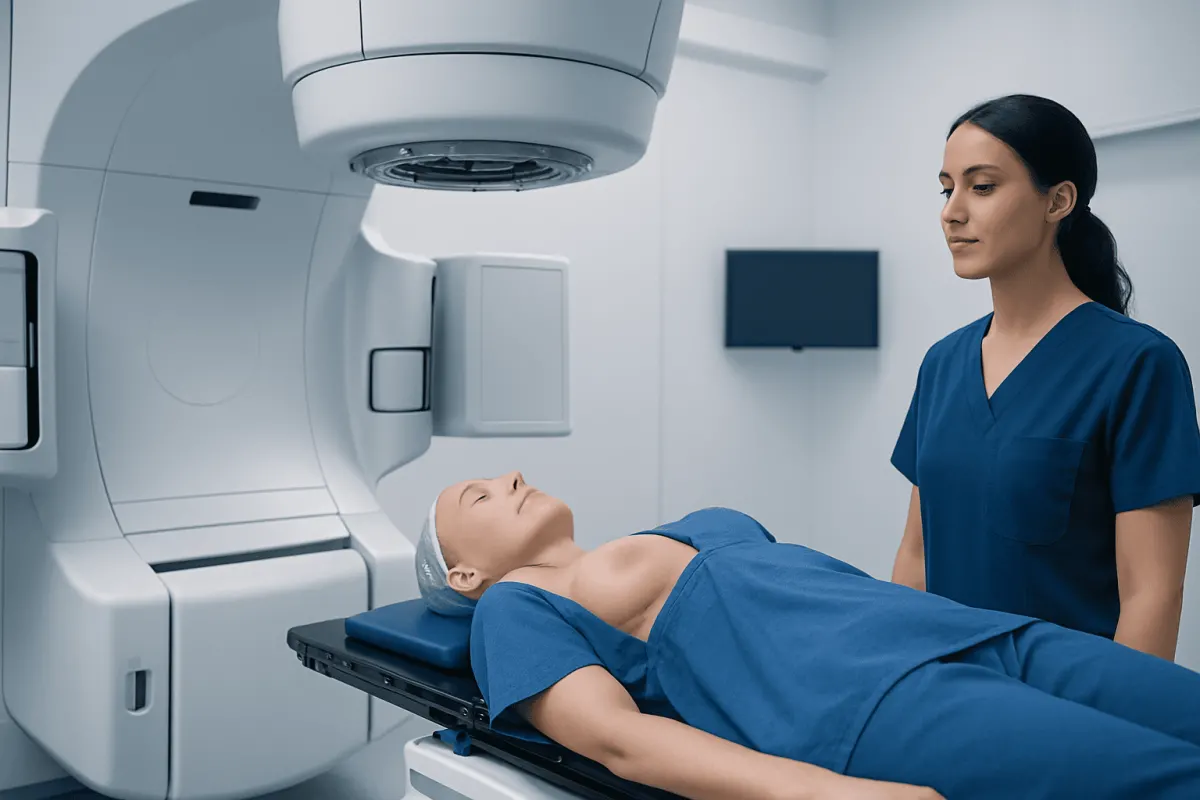
Radiation works by damaging cancer cells, but it can also affect healthy tissue in the treated area. After radiation, the skin may look darker or feel tighter, and the deeper tissues may become less flexible and less well supplied with blood. These changes can continue to evolve over time, which is why the timing of reconstruction matters.
These tissue effects are especially important for implant reconstruction. An implant depends on the surrounding skin and soft tissue for support and coverage. If the skin envelope is tight or scarred, the implant may sit less naturally or the body may form a thicker scar capsule around it, leading to firmness, distortion, discomfort, or the need for revision surgery.
Autologous flap reconstruction may tolerate a radiated chest better because it brings in healthy, well-vascularized tissue from another area, such as the abdomen, back, or thigh. This can help improve softness and contour in a chest wall that has been stiffened by radiation. Even so, flap surgery is still major surgery and requires careful patient selection.
Not every patient experiences radiation changes in the same way. The impact depends on factors such as radiation dose and field, smoking history, diabetes, body weight, prior surgeries, infection history, and whether there is significant scarring from mastectomy or earlier reconstruction. A specialist exam helps determine how severe these effects are and what choices remain realistic.
What Reconstruction Options May Still Be Possible

Implant-based reconstruction may still be possible after radiation, especially if tissue quality is reasonably preserved and the patient prefers a shorter operation and recovery. In some cases, reconstruction is done in stages using a tissue expander first and a permanent implant later. Techniques such as adding healthy tissue coverage or adjusting pocket placement may help in selected patients, but implants in radiated tissue generally carry a higher risk of firmness, asymmetry, or revision than in non-radiated tissue.
Autologous reconstruction uses the patient’s own tissue and is often considered one of the most reliable approaches when radiation has significantly damaged the chest wall. Common flap options may use tissue from the abdomen, back, buttock, or thigh, depending on anatomy and surgical suitability. Because the transferred tissue has its own blood supply, it can create a softer, more natural-feeling breast and improve the condition of the radiated area.
Some patients may be candidates for a combination approach, such as a flap plus an implant, or procedures that improve contour with fat transfer. Patients who previously had implants and then developed radiation-related tightness, pain, or distortion may need implant revision or, in some cases, breast prosthesis removal before a different reconstruction plan is chosen.
Symmetry procedures on the other breast may also be part of treatment, particularly if one breast has changed size or shape over time. Depending on the situation, this may involve aesthetic breast surgery to improve overall balance. The goal is not only to rebuild volume, but also to restore proportion, comfort, and confidence in a way that fits the patient’s expectations.
Timing: Immediate, Delayed, or Staged Reconstruction
The best time for reconstruction after radiation depends on the cancer treatment plan and the condition of the tissues. If radiation is known in advance to be likely after mastectomy, surgeons may discuss whether immediate final reconstruction is wise or whether a staged approach would be safer. In many cases, final reconstruction is delayed until after radiation is completed and the tissues have had time to recover.
There is no single waiting period that is right for everyone. Surgeons often prefer to allow several months after radiation before major reconstruction so inflammation settles and the chest wall can be assessed more accurately. The right interval depends on healing, ongoing cancer therapy, general health, and whether the patient needs additional treatment such as chemotherapy or endocrine therapy.
Some patients undergo delayed-immediate reconstruction. This means a temporary step is performed around the time of mastectomy to preserve shape or skin, and the final reconstruction is done later after radiation. This strategy can help maintain options, but it is not suitable for all patients.
Because timing involves both cancer safety and reconstructive outcomes, decisions are usually made jointly by the breast surgeon, plastic surgeon, radiation oncologist, and medical oncologist. A team-based plan helps avoid unnecessary delays and supports realistic expectations about how many operations may be needed.
Assessment and Planning Before Surgery
Preoperative planning usually begins with a detailed review of the patient’s breast cancer history, operations, pathology results, and radiation treatment. The surgeon examines the skin quality, scars, chest wall shape, and any signs of tightness, pain, fluid collection, or prior implant problems. Photographs and measurements may be taken to compare options and help guide surgical planning.
Medical factors also matter. Smoking, diabetes, obesity, poor nutrition, certain autoimmune conditions, and circulation problems can all affect healing. If flap reconstruction is being considered, the surgeon may assess donor areas such as the abdomen or thighs and, in some cases, request imaging to map blood vessels.
Past problems with scars or wound healing are also important to mention. For example, patients who form thick scars like keloid scars may need additional discussion about incision placement and scar care, although keloids are different from the tissue tightening caused by radiation. The overall pattern of healing can still influence planning.
During this stage, patients benefit from asking practical questions: how many stages are expected, what recovery will be like, whether hospital stay is needed, what scars are likely, and what limitations may affect work, exercise, and travel. A clear conversation about priorities helps align the surgical plan with daily life as well as cosmetic goals.
Treatment Considerations, Recovery, and Self-Care
The treatment choice after radiation is not only about what can be done surgically, but also about what is most likely to heal well and remain stable over time. Implant reconstruction may involve a shorter operation, but flap reconstruction may offer better long-term softness and lower risk of implant-related problems in a heavily radiated chest. Some patients value the shorter recovery of implants, while others prioritize the use of natural tissue despite a longer surgery.
Recovery varies by method. Implant procedures usually involve less initial recovery than flap surgery, but revision procedures may be more likely if radiation has caused tightness or asymmetry. Flap surgery generally requires a longer operation and healing period because both the chest and donor site must recover, but it can be especially helpful when the skin and soft tissue have become firm or damaged after treatment.
Self-care after reconstruction focuses on wound care, avoiding smoking or nicotine exposure, maintaining good nutrition, and gradually returning to activity as advised by the surgical team. Gentle shoulder movement and rehabilitation may be recommended to reduce stiffness and improve comfort, especially after mastectomy and radiation. Patients should follow instructions closely and report swelling, redness, increasing pain, fever, or wound changes promptly.
When care is coordinated across specialties, patients often feel more confident about their path forward. Near the end of planning or recovery, some international patients choose centers where oncology, breast surgery, plastic surgery, imaging, and rehabilitation are closely linked. Acıbadem Health Point’s multidisciplinary specialists and JCI-accredited hospitals diagnose and treat this condition for international patients.
When to See a Doctor and Questions to Ask
A patient should seek specialist advice if she has had breast radiation and is considering reconstruction now, even if she was previously told her choices were limited. Techniques continue to evolve, and a second opinion from a reconstructive surgeon with experience in post-radiation cases can be useful. It is also important to be reviewed if there is a painful implant, hardening, visible distortion, skin breakdown, or concerns about symmetry.
Urgent medical review is needed for signs of infection, worsening redness, fever, sudden swelling, severe pain, or wounds that are opening rather than healing. Any new breast or chest wall lump should also be assessed promptly to distinguish a reconstructive issue from cancer recurrence or another condition.
Helpful questions include whether an implant or flap is more suitable, how radiation has changed the tissues, what complications are most relevant, whether more than one operation is likely, and how reconstruction may affect future imaging or follow-up. Patients may also ask whether prior surgery or radiation changes resemble tissue injury patterns seen in other reconstructive settings, such as burns, where scar quality and blood supply strongly influence healing.
Most importantly, patients should know that reconstruction after radiation is often still possible. The best results usually come from realistic goals, careful timing, and a plan tailored to the individual rather than a one-size-fits-all approach.
Frequently asked questions
01Can breast reconstruction be done after radiation therapy?
Yes, breast reconstruction is often still possible after radiation therapy. The exact method depends on how radiation affected the skin and chest tissues, the patient’s general health, and her treatment goals.
02Is implant reconstruction safe after radiation?
Implant reconstruction can be appropriate for some patients after radiation, but it usually carries a higher risk of firmness, distortion, and revision compared with non-radiated tissue. A surgeon will assess whether the chest wall has enough healthy, flexible tissue to support an implant well.
03Why is flap reconstruction often recommended after radiation?
Flap reconstruction uses the patient’s own tissue, which brings a new blood supply into an area affected by radiation. This often helps create a softer result and may better tolerate the scarring and tightness that radiation can cause.
04How long should someone wait for reconstruction after radiation?
There is no single waiting period that fits everyone. Many surgeons prefer to wait several months after radiation so tissues can settle, but the right timing depends on healing, cancer treatment, and the planned reconstructive method.
05Can reconstruction be revised if radiation caused problems later?
Yes, revision is often possible if radiation leads to hardening, pain, poor symmetry, or implant-related issues. The revision may involve changing the implant approach, adding tissue, or converting to autologous reconstruction.
06Will reconstruction after radiation look natural?
Many patients achieve a natural-looking result, but outcomes vary because radiated tissue behaves differently from untreated tissue. Careful planning, realistic expectations, and selecting the most suitable technique all improve the final appearance.
This article is for general information only and is not a substitute for professional medical advice. Please consult a qualified doctor about your individual situation.
Oncology care in Turkey — second opinion and treatment plan
JCI-accredited · board-certified surgeons · reply within 24h
Add us as a Preferred Source to see more of our trusted health content across Google Search, AI Overviews and Discover.