Breast Augmentation in Turkey All-Inclusive Price: What Is Included

Key Takeaways
- An all-inclusive package normally covers surgery, implants, anaesthesia, hospital care, transfers, hotel nights and interpreting — flights and later revision surgery are usually separate.
- Costs are quoted in bands rather than fixed figures, because implant type, technique, hospital and length of stay all change the total.
- Accreditation (such as JCI) and verifiable surgeon credentials matter far more than the headline price.
- Most patients plan around 7–10 days in Turkey, though the exact timing is decided by the operating surgeon.
- Arrangements for aftercare in the UK — stitch checks, dressings and follow-up imaging — should be agreed before travelling.
- A patient coordinator can organise records, video consultations, visa guidance and accommodation before any commitment is made.
All-inclusive breast augmentation packages in Turkey typically bundle the surgeon's fee, implants, anaesthesia, hospital stay, airport transfers, hotel nights and interpreting support into one planned quotation. This guide explains what those packages usually contain, what they leave out, and how to plan travel, recovery and aftercare from the UK.
What an All-Inclusive Package Actually Means
When UK patients search for a boob job turkey all inclusive price, they are usually asking one practical question: what does the quoted figure actually buy? In Turkish medical travel, “all-inclusive” generally refers to a coordinated package that bundles the clinical elements of breast augmentation with the logistics of the trip, so that a patient receives one planned estimate rather than a series of separate bills. It is a coordination model, not a clinical promise — the surgery itself is still assessed, planned and performed individually.
Packages exist because international patients cannot easily arrange transport, translation, accommodation and hospital admission from another country. Bringing these into one arrangement reduces uncertainty and makes budgeting more realistic. It also means the hospital or coordination team takes responsibility for the schedule: pre-operative tests, the operating date, the overnight stay, the first dressing change and the final check before flying home are all mapped out in advance.
Crucially, an inclusive package should never be read as a guarantee of outcome. Breast augmentation is a surgical procedure with individual healing, individual anatomy and individual risk. A well-prepared package makes the journey predictable; the medical result remains a matter for the surgeon’s assessment and the patient’s own recovery.
What Is Typically Included — and What Is Not
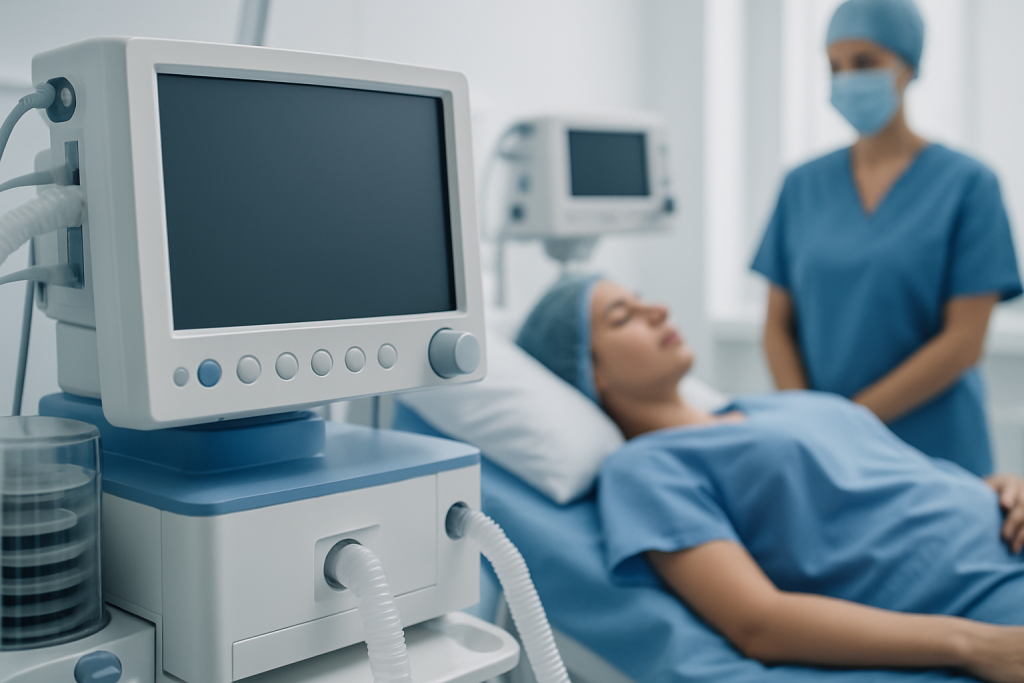
Although the exact contents vary between hospitals, most credible packages for breast augmentation share a recognisable core. Reading the written quotation line by line is the single most useful thing a patient can do before committing.
- Usually included: the surgeon’s fee; the anaesthetist and operating theatre; CE-marked or FDA-cleared breast implants; standard pre-operative blood tests and assessment; one or more nights of inpatient hospital care; nursing care and standard post-operative medication during admission; a post-surgical support bra; airport and hospital transfers; several nights of hotel accommodation; and an interpreter or English-speaking patient host.
- Often included: a video consultation before travel; a companion’s hotel bed; the first post-operative wound check; a written discharge summary and operative note for the patient’s UK GP.
- Usually not included: international flights; travel and medical-repatriation insurance; extra hotel nights if discharge is delayed; upgraded or specialist implants; combined procedures such as a lift or fat transfer; treatment of complications after returning home; and any future revision surgery.
Ambiguity is the main risk. Phrases such as “hospital stay included” should specify how many nights, and “implants included” should specify the brand family and whether an upgrade carries a supplement. A reputable coordination team will put all of this in writing and explain what would happen — clinically and financially — if the stay needed to be extended for medical reasons.
Understanding the Boob Job Turkey All Inclusive Price

Honest cost planning works in bands, not fixed figures. A boob job turkey all inclusive price is normally quoted as a range until the surgeon has reviewed photographs, measurements and medical history, because the same words — “breast augmentation” — can describe very different operations. Someone requesting a modest implant through a standard approach and someone requiring an implant combined with a lift after weight loss or breastfeeding are not comparable cases.
The main variables that move a quotation up or down include: the implant type and manufacturer; whether the implant is placed above or below the muscle; whether a breast lift, reduction or fat transfer is added; the grade of hospital and whether it holds international accreditation; the number of inpatient nights; the seniority and sub-specialisation of the surgeon; the standard of hotel and length of stay; and the exchange rate at the time of payment. Packages at the lower end of the market are usually lower because something has been removed — fewer hospital nights, a smaller facility, a shorter follow-up — rather than because care is inherently cheaper.
A realistic budget should therefore add a contingency to whatever band is quoted: return flights, insurance that explicitly covers elective surgery abroad, spending money, two or three spare hotel nights, and the possibility of paid private follow-up in the UK. Patients should also be wary of pressure tactics such as time-limited discounts, deposits demanded before any medical assessment, or quotations issued without a surgeon having reviewed the case.
Accreditation, Surgeon Credentials and Safety Checks
Price is the easiest thing to compare and the least useful thing to compare alone. The more meaningful questions concern where the operation takes place and who performs it. Joint Commission International (JCI) accreditation is a voluntary, externally audited standard covering infection control, medication safety, surgical checklists, emergency response and patient rights; it does not guarantee an individual result, but it does indicate that systems are reviewed against international benchmarks.
Surgeon credentials deserve the same scrutiny. Patients can reasonably ask whether the surgeon is a board-certified plastic, reconstructive and aesthetic surgeon in Turkey, how regularly they perform breast augmentation, whether they hold membership of recognised professional societies, and who would manage a complication such as bleeding, infection or an anaesthetic problem. It is equally reasonable to ask for the name and specification of the implant to be recorded on an implant card and in the discharge summary, so that UK clinicians have the details years later.
Other practical safety checks include confirming that the surgery takes place in a licensed hospital rather than an outpatient room, that a named anaesthetist is involved, that intensive care support is available on site, and that pre-operative screening covers blood tests, cardiac assessment where indicated, and a discussion of smoking, medication and thrombosis risk. Any clinic unwilling to answer these questions clearly is best avoided, regardless of the package price.
Planning the Trip: Consultations, Travel and Timing
The journey usually begins remotely. Patients send photographs, measurements, a medical history and any relevant imaging, and a coordination team arranges a video consultation with the surgeon. This is the point at which goals are discussed, implant options are explained, and — importantly — the surgeon may advise that a different or additional procedure would suit the patient better, or that surgery is not appropriate at present. A written, individualised plan should follow before any travel is booked.
For most patients, a stay of roughly seven to ten days is planned, although the operating surgeon decides the actual schedule based on the procedure and the patient’s recovery. A typical itinerary involves arrival and transfer, a face-to-face consultation and pre-operative tests the following day, surgery, one or two nights in hospital, several days of hotel rest with wound checks, and a final review with written clearance before the return flight. Flights should ideally be booked with flexible dates.
Practical preparation matters as much as the clinical plan. UK travellers should confirm current entry requirements for Turkey, arrange insurance that explicitly covers elective cosmetic surgery abroad and any complications, travel with a companion where possible, and bring a full list of medications including hormonal contraception. Patients are usually asked to stop smoking well in advance and to pause certain medicines or supplements only on medical advice — never on their own initiative.
Recovery in Turkey and Flying Home Safely
The early recovery period is spent close to the hospital for a reason. Swelling, tightness across the chest, bruising and discomfort are expected in the first days and are managed with prescribed medication, a supportive bra and gradual, gentle mobilisation. Nursing staff or the coordination team check dressings, monitor for signs of infection or bleeding, and advise on sleeping position, arm movement and washing. Being on hand means any concern is assessed in person rather than over a message.
Flying is only appropriate once the surgeon has confirmed it is safe. Air travel after surgery carries a raised risk of venous thromboembolism, so patients are usually advised on hydration, walking in the cabin, and — where recommended — compression stockings or other preventive measures. Lifting cabin baggage into overhead lockers should be avoided entirely; assistance can be requested from the airline in advance.
Recovery does not end at the airport. Most people are advised to keep the support garment on as directed, avoid strenuous exercise, heavy lifting and swimming for several weeks, and return to work only when comfortable — office roles typically sooner than physical ones. Final breast shape settles gradually over months as swelling resolves, which is why patients are encouraged to judge results patiently rather than in the first fortnight.
Aftercare Once You Are Back in the UK
Good medical travel plans for the return journey as carefully as the outbound one. Before flying home, patients should have a discharge summary, an operative note, the implant identification card, a list of medications and clear written instructions on wound care, garment use and activity restrictions. Sharing these documents with the NHS GP is strongly advisable: UK clinicians can only help effectively if they know exactly what was done.
Remaining follow-up may involve stitch or dressing checks, scar care advice and a review appointment. Some patients arrange this privately in the UK, some through the international team by video, and some through a combination. It is worth clarifying in advance who to contact out of hours, how quickly the hospital responds to messages, and what the pathway would be if a complication such as infection, fluid collection, implant malposition or capsular contracture developed months later. NHS services will always treat urgent problems, but they are not obliged to fund revision of elective cosmetic surgery performed abroad.
Longer term, patients should know that breast implants are not lifetime devices and may need replacement or removal at some point, and that any new lump, pain, swelling or change in breast shape should be assessed by a doctor rather than waited out. Keeping implant details safely stored makes future care simpler.
When to Speak to a Patient Coordinator
A patient coordinator is most useful early — before deposits, before flights and before a decision has been made. Their role is organisational rather than clinical: gathering medical records, arranging a video consultation with an appropriate surgeon, explaining what a written quotation covers, outlining visa and travel documentation, arranging transfers, accommodation and interpreters, and mapping the timeline from arrival to discharge clearance. They can also arrange a second opinion if a patient wants one before proceeding.
It is entirely appropriate to ask a coordinator direct questions: which hospital, which surgeon, which accreditation, how many nights, what happens if the stay must be extended, what is excluded, and who manages problems after returning home. Answers should arrive in writing. Patients who feel rushed, or who are asked to commit before a surgeon has reviewed their case, should pause.
Acıbadem Health Point coordinates care for international patients across Acıbadem’s JCI-accredited hospitals, where multidisciplinary specialists — including plastic and reconstructive surgeons, anaesthetists and nursing teams — assess and treat patients considering breast surgery. Whichever provider is chosen, the safest approach is the same: a documented consultation first, a transparent written plan second, and travel only once both are clear. Anyone considering breast augmentation should discuss their individual suitability, risks and alternatives with a qualified doctor.
Frequently asked questions
01Does an all-inclusive package in Turkey cover my flights?
In most cases it does not. Packages usually cover surgery, implants, anaesthesia, hospital care, transfers, hotel nights and interpreting, while international flights and travel insurance are arranged and paid for separately. Patients should confirm this in the written quotation and budget for flexible flight dates in case discharge is delayed.
02Why are prices quoted as a range rather than a fixed figure?
Because breast augmentation is individualised. The implant type and placement, whether a lift or fat transfer is added, the hospital and its accreditation, the number of inpatient nights and the surgeon's experience all affect the total. A meaningful figure can only be issued after a surgeon has reviewed photographs, measurements and medical history.
03How long should I plan to stay in Turkey?
Many patients plan around seven to ten days, allowing time for pre-operative tests, surgery, an inpatient stay, wound checks and a final review before flying. The exact duration is decided by the operating surgeon based on the procedure and individual recovery, so travel dates should be kept flexible where possible.
04What happens if I have a problem after I return to the UK?
Urgent problems such as fever, spreading redness, heavy swelling or severe pain should be assessed promptly by a UK doctor or urgent care service. Patients should also contact their international team, who can advise and liaise clinically. It is important to clarify before travelling who to contact and what the pathway is for later complications or revision.
05How can I check that a hospital and surgeon are appropriately qualified?
Ask whether the hospital holds international accreditation such as JCI, and whether the surgeon is board certified in plastic, reconstructive and aesthetic surgery with recognised professional society membership. It is also reasonable to ask how often they perform breast augmentation and who manages anaesthetic or surgical complications on site.
06Will my NHS GP look after me after surgery abroad?
An NHS GP can assess and treat urgent problems and provide general care, but the NHS is not obliged to fund revision of elective cosmetic surgery performed privately abroad. Sharing the discharge summary, operative note and implant card with the practice helps UK clinicians provide safe, informed care.
07When is the best time to contact a patient coordinator?
As early as possible — ideally before paying any deposit or booking flights. A coordinator can arrange a video consultation, explain exactly what a package includes and excludes, and outline travel, visa and accommodation logistics, so that any decision is made with full written information.
This article is for general information only and is not a substitute for professional medical advice. Please consult a qualified doctor about your individual situation.
Explore treatments in Turkey — costs, top hospitals & a free quote
JCI-accredited · board-certified surgeons · reply within 24h
Add us as a Preferred Source to see more of our trusted health content across Google Search, AI Overviews and Discover.