Breast Augmentation in Turkey: Cost, Clinics and What to Expect

Key Takeaways
- Most breast augmentation trips to Turkey involve roughly six to eight days in the country, with the surgeon deciding when it is safe to fly.
- Packages commonly bundle consultation, surgery, hospital stay, implants, anaesthesia, transfers, accommodation and interpreting support — always ask for the inclusions in writing.
- Costs vary by implant type, surgical complexity, hospital standard and length of stay; no reputable provider can give a final figure before a proper assessment.
- Accreditation (such as JCI), a hospital-based operating theatre and verifiable surgeon credentials matter more than headline pricing.
- Aftercare planning before you travel — including who reviews your wounds in the UK and how you contact the surgical team — is an essential part of the decision.
- A patient coordinator can arrange a video consultation, explain what is and is not included, and help with travel and visa questions before any commitment is made.
Many UK patients considering breast augmentation abroad want to know what a trip to Turkey actually involves, what a package typically covers and how costs are planned. This guide explains the patient journey step by step — from first video consultation to aftercare once you are home.
What a “boob job turkey” search really means for UK patients
People who search online for a boob job turkey package are usually asking three practical questions: what does the trip involve, what is included in the price, and is it safe to travel abroad for surgery? Breast augmentation — the surgical placement of implants, sometimes combined with a lift — is one of the most frequently requested aesthetic procedures by international patients travelling to Turkey, alongside patients from Germany, the Gulf and North America. Turkey has invested heavily in private hospital infrastructure and international patient services, which is why coordinated medical travel has become a recognised route rather than an unusual one.
It is important to be clear about what this article is and is not. It describes the journey: how care is planned, what happens on each day, and what to organise before and after flying. It is not a substitute for a clinical assessment. Whether implants are appropriate for you, which technique suits your anatomy, and what result is realistic are questions only a qualified surgeon can answer after examining you and reviewing your medical history.
Breast augmentation is elective surgery under general anaesthesia. That means the decision deserves the same scrutiny you would give any operation at home: understanding the risks, the recovery, the long-term implications of implants, and who will care for you if something does not go to plan. Travelling abroad does not change those principles — it simply adds logistics that need to be planned properly.
What a typical treatment package includes
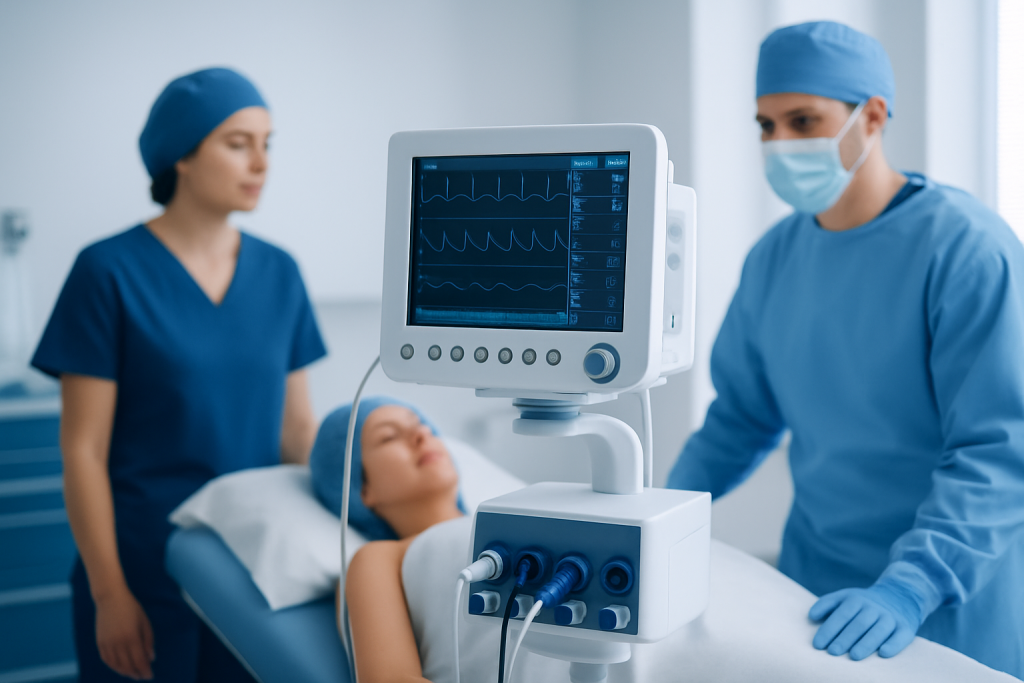
Most international patient packages in Turkey are designed to remove the guesswork from a short trip. While the exact contents vary between hospitals, a comprehensive package for breast augmentation commonly covers the following elements. The key is to receive the list in writing before you commit, so that there are no assumptions on either side.
- Pre-operative consultation with the plastic surgeon and anaesthetist, plus routine blood tests and any imaging the team requires
- The operation itself, including theatre and anaesthesia fees
- The breast implants or the surgical materials used
- An overnight or short inpatient hospital stay, depending on the surgeon’s plan
- Post-operative garments such as a support bra, plus medication prescribed during the stay
- Follow-up appointment and wound check before you fly home
- Airport and hospital transfers, hotel accommodation for the agreed number of nights, and an interpreter or English-speaking coordinator
Items that are frequently not included are international flights, travel insurance, extra hotel nights if recovery takes longer than expected, and any treatment for complications after you return home. Some patients also choose add-ons such as a breast lift, fat transfer or a different implant profile, which change both the surgical plan and the cost.
Ask specifically what happens if the surgeon advises against operating after examining you in person — a small but genuine possibility — and what the policy is on revision surgery. Reputable providers will explain these scenarios openly rather than treating them as unlikely.
How much is a boob job in Turkey? Planning your costs realistically

When patients ask how much is a boob job in Turkey, the honest answer is that a meaningful figure only exists after a proper assessment. Cost is not a single number but a band that shifts according to several variables, and any provider quoting a fixed price before seeing your photographs, measurements and medical history is quoting a marketing figure rather than a clinical one.
The factors that move the price include the type and brand of implant selected, whether a lift or fat transfer is combined with augmentation, the complexity of the surgery (for example, revision of previous implants), the standard and accreditation level of the hospital, the seniority of the surgeon, the length of hospital and hotel stay, and the level of coordination services included. Broadly, packages sit in tiers: a lower band for straightforward augmentation with standard inclusions, a mid band for hospital-based care with more comprehensive support, and a higher band for complex or combined procedures in premium accredited facilities.
UK patients often compare Turkish packages with private prices at home. Where a difference exists, it usually reflects local operating costs, staffing and currency rather than a lower standard of care — but that assumption is only safe if you have verified the hospital and the surgeon. A quote that sits far below everything else should prompt questions about what has been left out: is the surgery in a full hospital or a day clinic, who administers the anaesthesia, and what implants are being used?
Finally, budget for the things a package does not cover: flights, insurance that explicitly covers surgery abroad, a companion’s costs, and a contingency for extra nights. Building that buffer into your planning is more useful than chasing the lowest headline figure.
Choosing a clinic: accreditation and surgeon credentials
Accreditation is the most objective signal available to a patient who cannot visit in advance. Joint Commission International (JCI) accreditation is an internationally recognised standard covering patient safety, infection control, medication management and emergency response. It does not guarantee an individual outcome, but it tells you the institution is audited against consistent criteria. Ask whether the operation will take place in a JCI-accredited hospital with a full intensive care unit on site, or in a smaller outpatient clinic — for general anaesthesia, that distinction matters.
Surgeon credentials deserve the same scrutiny. Confirm that the operating surgeon is a qualified specialist in plastic, reconstructive and aesthetic surgery, registered with the Turkish Ministry of Health, and ask about their specific experience with breast surgery. You should know the name of your surgeon before you travel, not on the morning of the operation. Request a video consultation with that surgeon rather than only with a sales adviser.
Other useful questions include: which implant manufacturer is used and will you receive an implant card and batch details for your records; what the hospital’s complication and readmission pathway looks like; who is responsible for you overnight; and what written aftercare instructions you will be given in English. Be cautious of any communication that promises a guaranteed result, uses heavy discounting or pressure deadlines, or discourages you from asking about risks.
Consultation, planning and the days before surgery
The journey usually begins remotely. You share medical history, current medication, previous surgery, photographs and your goals with a patient coordinator, who passes the file to the surgical team. A video consultation then allows the surgeon to discuss what is realistic, which implant type and placement may suit you, and what the recovery is likely to involve. This is also the moment to raise anything about your health — blood-thinning medication, smoking, previous anaesthetic problems, a family history of clotting disorders or breast disease — because it may change the plan or the timing.
Once a provisional plan is agreed, coordination covers the practical layer: proposed dates, an indicative cost range, hotel and transfer arrangements, an interpreter if needed, and guidance on visa or entry requirements for UK travellers. Many patients also request a second opinion at this stage, which is a reasonable and sensible thing to ask for.
On arrival you are typically seen in person a day before surgery for examination, measurements, blood tests, and consultations with the anaesthetist. Implant size and placement are confirmed face to face — not by email. You will be asked to fast before surgery and to follow specific instructions about medication, alcohol and smoking. If the surgeon considers surgery unsuitable or unsafe at that point, they should say so; that is a sign of good practice, not of a wasted trip.
Recovery in Turkey and when it is safe to fly home
Breast augmentation is commonly performed under general anaesthesia and often involves a short hospital stay, with the surgeon deciding whether one night or longer is appropriate. Most patients are encouraged to walk gently soon afterwards, which supports circulation. Discomfort, swelling, tightness and bruising in the first days are usual, and a supportive garment is normally worn for several weeks as directed.
Most breast augmentation itineraries allow around six to eight days in Turkey so that the team can review wounds, change dressings and confirm you are stable before departure. However, the timing of your flight is a clinical decision, not a fixed rule — your surgeon may advise a longer stay. Flying after surgery carries a raised risk of venous thromboembolism (blood clots), so patients are usually advised about hydration, movement during the flight, and in some cases compression stockings or other measures. Never book a non-changeable return flight assuming a set discharge date.
Practical points that make recovery easier include travelling with a companion, arranging assistance at the airport, packing loose front-fastening clothing, and planning for a period at home with limited lifting, driving or exercise. Your surgeon will give individual guidance on when to resume work, driving, sport and heavy lifting; these timelines vary between patients and should not be assumed from someone else’s experience.
Aftercare once you are back in the UK
Aftercare is the part of medical travel that is most often underplanned. Before you leave the UK, establish who will remove sutures if needed, who will look at your wounds if you are worried, and how you contact the surgical team in Turkey — ideally a named coordinator, a direct message channel and an out-of-hours route. Take home written operation notes, the implant card with manufacturer and batch numbers, and a clear list of post-operative instructions in English.
Register the details with your GP and keep your own copy. NHS services will provide urgent and emergency care if you become unwell, but the NHS is not obliged to manage routine follow-up or revision of private surgery performed abroad, and elective corrections may need to be arranged privately. Travel insurance that explicitly covers planned surgery overseas is worth reviewing carefully, as standard policies frequently exclude it.
Contact a doctor promptly if you develop a high temperature, increasing pain, spreading redness, wound discharge, a sudden change in breast shape or size, or any calf pain, breathlessness or chest pain. Implants are also not lifetime devices: long-term follow-up, awareness of possible future revision, and continuing with routine breast awareness and NHS screening invitations remain important regardless of where surgery took place.
When to speak to a patient coordinator
A patient coordinator is useful earlier than most people expect — not at the point of booking, but at the point of questioning. A coordinator can arrange a video consultation with a plastic surgeon, clarify exactly what a package does and does not include, outline an indicative cost range once the surgeon has reviewed your case, and explain travel timing, accommodation and interpreter support. They can also arrange a second opinion if you are weighing up options, or explain why a procedure may not be advisable for you at this time.
Good coordination is characterised by clear written information, no pressure to commit, and a willingness to answer awkward questions about risk, revision and complications. If communication feels rushed or evasive at the enquiry stage, that is meaningful information about how it may feel after surgery.
Acıbadem Health Point coordinates care for international patients across Acıbadem’s JCI-accredited hospitals, where multidisciplinary specialists assess, plan and follow up aesthetic and reconstructive breast procedures, including support with travel arrangements, interpreting and post-discharge communication. Whichever provider you consider, the sensible sequence is the same: assessment first, written information second, and a decision only when you feel fully informed. Discuss your plans with your GP or a qualified surgeon before committing to surgery abroad.
Frequently asked questions
01How long should I plan to stay in Turkey for breast augmentation?
Most itineraries allow around six to eight days, covering pre-operative assessment, surgery, a short hospital stay and a wound check before departure. The exact length depends on your surgeon's assessment and how your recovery progresses. It is wise to book flexible flights rather than assume a fixed discharge date.
02Is a cheaper package abroad a warning sign?
Not automatically, as costs in Turkey reflect local operating and staffing expenses. However, an unusually low price can indicate that surgery takes place in a day clinic rather than a hospital, that fewer nights or fewer services are included, or that the surgeon's credentials are unclear. Always compare written inclusion lists rather than headline figures.
03Will the NHS look after me when I return home?
NHS services will provide urgent and emergency care if you become unwell after surgery abroad. Routine follow-up, dressing changes or revision of privately funded surgery overseas are generally not the NHS's responsibility and may need to be arranged privately. Agreeing your aftercare pathway before you travel avoids difficulty later.
04Can I get a firm price before I travel?
You can usually receive an indicative range once a surgeon has reviewed your photographs, measurements and medical history, and a more precise figure after the in-person consultation. Implant choice, combined procedures and length of stay all affect the total. Be cautious of any fixed quote given without a clinical assessment.
05When can I fly after breast augmentation?
Flying is a clinical decision made by your surgeon, based on your wounds, pain levels and general recovery. Because air travel after surgery raises the risk of blood clots, teams usually give specific advice on hydration, movement during the flight and any preventive measures. Do not book a non-refundable return ticket around an assumed date.
06What documents should I bring home from Turkey?
Ask for your operation notes, discharge summary, the implant card showing manufacturer and batch numbers, and written post-operative instructions in English. Share these with your GP and keep your own copy. They are important for any future assessment, imaging or revision surgery.
07How do I check a surgeon's credentials from the UK?
Request the surgeon's full name, specialist qualification in plastic, reconstructive and aesthetic surgery, and Turkish Ministry of Health registration, and ask about their experience with breast procedures. A direct video consultation with the operating surgeon — not only with an adviser — is a reasonable request. Hospital accreditation, such as JCI, adds a further layer of verified standards.
This article is for general information only and is not a substitute for professional medical advice. Please consult a qualified doctor about your individual situation.
Explore treatments in Turkey — costs, top hospitals & a free quote
JCI-accredited · board-certified surgeons · reply within 24h
Add us as a Preferred Source to see more of our trusted health content across Google Search, AI Overviews and Discover.