When a Brain Cyst Needs Treatment and When Watching Is Enough
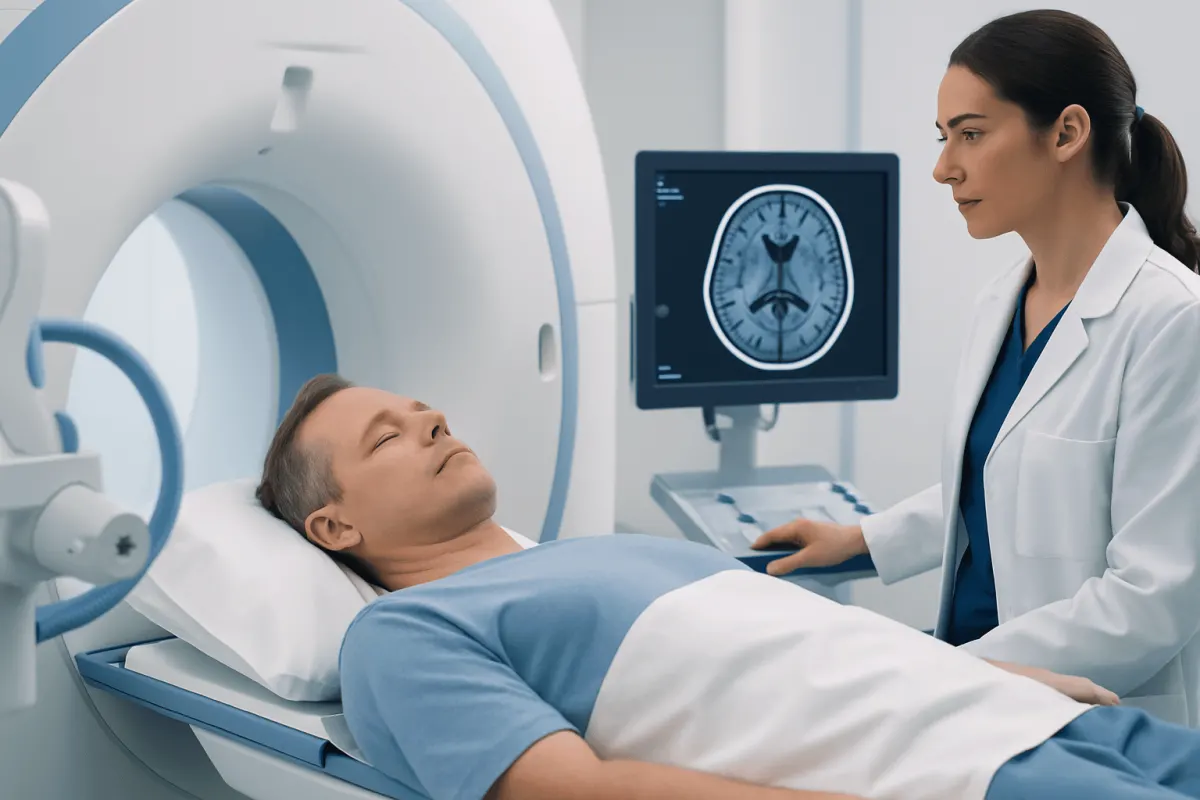
Brain cyst treatment is tailored to the type of cyst and its effects on nearby brain structures. Many brain cysts do not need removal, while symptomatic or enlarging cysts may be treated with minimally invasive drainage, fenestration or surgery to relieve pressure and protect neurological function.
Overview: How Brain Cyst Treatment Works
Brain cyst treatment aims to manage a fluid-filled or tissue-lined sac in or around the brain when it is causing symptoms, growing, blocking normal cerebrospinal fluid flow or creating pressure on nearby structures. The right approach depends on the cyst’s type, size, location and behavior over time. Some cysts are present from birth, while others can develop after infection, injury, surgery or other conditions.
For many people, treatment means careful observation rather than an operation. A neurologist or neurosurgeon may recommend follow-up magnetic resonance imaging (MRI) or computed tomography (CT) scans to confirm that the cyst remains stable. If a cyst is responsible for symptoms or causes complications such as hydrocephalus, treatment can involve opening the cyst to improve fluid movement, draining it, removing part or all of its wall, or placing a shunt in selected circumstances.
Brain cysts are not all the same. Arachnoid cysts, for example, form in layers of tissue surrounding the brain and spinal cord and are often incidental findings. Other lesions that appear cyst-like on imaging need careful assessment to establish exactly what they are. The care team uses imaging findings, symptoms and, when necessary, specialist testing to create an individualized plan.
How Serious Is a Cyst on Your Brain?
A cyst on the brain can range from clinically insignificant to a condition requiring prompt specialist care. Its seriousness is determined by its location, whether it is growing, whether it affects brain tissue or fluid circulation, and whether it is associated with symptoms. A small, stable cyst found by chance may never cause a health problem or require treatment.
A cyst can become more concerning if it presses on important areas of the brain, obstructs cerebrospinal fluid pathways or contributes to raised pressure inside the skull. Possible effects may include persistent headaches, nausea or vomiting, seizures, balance problems, weakness, changes in vision, speech difficulties or developmental concerns in children. These symptoms can have many causes, so they should be assessed rather than assumed to be from a cyst.
How the cyst looks on the scan, where it sits and what surrounds it all matter, so the imaging has to be read carefully. A neurosurgical review helps clarify whether a lesion can be observed safely or whether it needs treatment. The goal is to avoid unnecessary procedures while identifying the relatively uncommon situations in which delaying care may risk neurological harm.
Candidacy for Treatment and Diagnostic Assessment

A person may be considered for brain cyst treatment when symptoms and imaging findings suggest that the cyst is affecting normal brain function. Surgery is more likely to be discussed for cysts that are enlarging, causing pressure effects, blocking fluid flow, producing hydrocephalus, or clearly linked to seizures or focal neurological symptoms. Treatment may also be considered when repeated imaging shows a meaningful change over time.
Assessment usually begins with a detailed medical history and neurological examination. MRI is often the preferred scan because it provides detailed images of the brain, cyst contents and nearby structures. CT may be used in urgent settings or to evaluate certain features. Depending on symptoms, clinicians may also request eye examinations, seizure testing, neuropsychological assessment or additional laboratory tests.
If you have a brain cyst, it is easy to blame it for everything — but not every symptom comes from the cyst. Specialists consider other potential explanations, such as migraine, medication effects, inner-ear conditions, sleep problems or unrelated neurological disorders. This careful evaluation supports realistic expectations about whether a procedure is likely to improve a particular symptom.
- Observation may suit stable cysts without pressure effects or related symptoms.
- Intervention may be appropriate when a cyst causes obstruction, compression or progressive neurological concerns.
- Urgent assessment is needed if there are sudden or severe neurological symptoms.
Brain Cyst Surgery: Step by Step
If intervention is recommended, the procedure is planned using detailed imaging and the cyst’s location. The neurosurgical team explains the intended technique, alternatives, expected benefits and possible complications. General anesthesia is commonly used for operations involving the brain, and the specific approach is chosen to minimize disruption to normal tissue while addressing the cyst safely.
One common method is fenestration, in which the surgeon creates a small opening in the cyst wall so its fluid can communicate with normal cerebrospinal fluid spaces and be absorbed. In suitable locations, this may be performed through an endoscope inserted through a small opening in the skull. In other cases, a craniotomy, which involves temporarily opening a section of the skull, provides the safest access.
Some cysts may require partial or more complete removal of the cyst wall. If normal fluid circulation remains impaired or a cyst cannot be adequately managed with fenestration, a shunt may be considered. A shunt is a small tube system designed to divert fluid to another area of the body where it can be absorbed. The technique depends on anatomy and is not necessary for every cyst.
Planning may involve navigation technology, microscopy, endoscopy and monitoring during the operation where appropriate. These tools help with precision, but no procedure is risk-free. Ask your neurosurgeon why the proposed approach is the preferred one for your situation.
Benefits, Risks and Expected Results
The potential benefit of brain cyst surgery is relief of pressure or restoration of normal fluid flow. When a cyst is clearly responsible for symptoms, treatment may improve headaches, balance concerns, neurological deficits or other pressure-related effects. It may also prevent worsening when a cyst is progressively affecting surrounding structures. Results vary because symptoms can have more than one cause, and neurological recovery may take time.
Possible risks depend on the cyst’s site and the type of procedure. They can include bleeding, infection, cerebrospinal fluid leakage, seizures, stroke, injury to nearby brain structures, anesthesia-related complications or a need for further surgery. A cyst can occasionally refill or recur after drainage or fenestration. Shunts can become blocked, infected or require revision over time.
Follow-up imaging is often used to assess cyst size, fluid circulation and postoperative healing. A successful outcome is not always defined by complete disappearance of the cyst on a scan; it may instead mean that pressure has been relieved, fluid flow has improved and symptoms have stabilized or improved. Ongoing follow-up allows the team to respond to new symptoms or imaging changes.
What Is the Survival Rate for Brain Cyst Surgery?
There is no single survival rate that applies to all brain cyst surgery because brain cysts include different conditions and procedures, and individual risk depends strongly on cyst location, the reason for surgery, age, other health conditions and whether urgent complications are present. Many planned procedures for appropriately selected patients are performed safely, but a personal estimate should come from the treating neurosurgical team.
For most non-cancerous cysts, surgery is intended to address a structural or fluid-flow problem rather than a life-threatening disease. The surgical team reviews imaging and medical factors to explain the likely risks in the individual case. Ask about experience with the proposed procedure, the chance your symptoms will improve, whether the cyst could come back and what happens if further treatment is needed.
Seeking care at a center with coordinated neuroradiology, neurology, neurosurgery, anesthesia and rehabilitation support can help ensure that decisions are based on a complete assessment. Acıbadem Health Point’s multidisciplinary specialists and JCI-accredited hospitals evaluate and treat neurological conditions for international patients when treatment is needed.
Recovery Timeline and Hospital Stay
Recovery after brain cyst treatment varies by procedure. After a minimally invasive endoscopic procedure, some people may leave hospital within a few days if they are recovering well and have no complications. A more extensive craniotomy, treatment for hydrocephalus or surgery performed for urgent neurological problems can require a longer stay. The care team monitors consciousness, strength, speech, pain, wound healing and signs of fluid-flow problems.
In the first days after surgery, tiredness, headache, scalp discomfort and temporary changes in concentration can occur. Imaging may be performed before discharge or during follow-up. Patients are usually advised to arrange support at home, attend follow-up appointments and gradually increase activity as instructed. Driving, work, sports and heavy lifting should only resume after clearance from the treating clinician.
Many people continue improving over several weeks, although the timeline is individual. Rehabilitation may be recommended if there are changes in balance, strength, speech, thinking skills or daily functioning. Contact the clinical team promptly for worsening headache, repeated vomiting, fever, wound redness or drainage, a seizure, new weakness, confusion or other concerning symptoms.
Can You Live a Normal Life With a Cyst on Your Brain?
Yes, many people with a brain cyst live normal, active lives, particularly when the cyst is small, stable and does not affect nearby structures. Some cysts are discovered incidentally and remain unchanged for years. In these circumstances, a specialist may recommend observation and occasional imaging rather than restricting ordinary activities.
Living well with a cyst mostly comes down to two things: stick to the monitoring plan you agreed on, and speak up when something new or different appears. People with seizures, vision changes, balance difficulties or other neurological symptoms may need individualized advice about driving, work safety, exercise and other activities. These precautions are based on the symptom or associated condition, not simply on the presence of a cyst.
After successful treatment, many individuals return to usual routines, though recovery time differs. The best outlook comes from understanding the specific diagnosis, keeping follow-up appointments and discussing practical concerns with the treating team. Emotional support can also be helpful while adjusting to an unexpected imaging finding or a surgical recommendation.
When to Seek Medical Care
Medical assessment is appropriate for persistent or worsening headaches, seizures, unexplained vomiting, changes in vision, new weakness or numbness, trouble walking, speech changes, confusion or significant changes in behavior or alertness. These symptoms do not necessarily mean that a cyst is responsible, but they require timely evaluation to identify the cause.
Emergency care is needed for a sudden severe headache unlike usual headaches, loss of consciousness, a first seizure, prolonged seizure activity, sudden one-sided weakness, difficulty speaking, severe confusion or rapidly worsening drowsiness. Prompt assessment is especially important after head injury or when symptoms develop quickly.
People who already know they have a brain cyst should follow their clinician’s advice on repeat imaging and contact the care team if symptoms change. A planned consultation with a neurologist or neurosurgeon can provide clear information about monitoring, treatment options and everyday safety.
Frequently asked questions
01What is brain cyst treatment?
Brain cyst treatment can include observation with repeat imaging, symptom management or surgery. The approach depends on the cyst type, location, size, growth pattern and whether it is causing pressure, blocked fluid flow or neurological symptoms.
02Do all brain cysts need surgery?
No. Many brain cysts are stable, cause no symptoms and do not need surgery. A specialist may recommend periodic MRI or CT scans instead, particularly when there is no evidence of pressure on the brain or obstruction of cerebrospinal fluid flow.
03How serious is a cyst on your brain?
The seriousness varies widely. A small, stable cyst may be harmless, while a cyst that presses on vital structures or blocks fluid circulation can require prompt treatment. Imaging and a neurological assessment are needed to determine the individual level of concern.
04What is the survival rate for brain cyst surgery?
A single survival rate cannot accurately describe all brain cyst operations because the conditions, procedures and patient circumstances differ. Most planned procedures for suitable patients are carefully assessed for safety, and the neurosurgeon can explain personal risks based on the cyst and overall health.
05How long do you stay in hospital after brain cyst removal?
Hospital stay can range from a few days after an uncomplicated minimally invasive procedure to longer after a craniotomy, urgent surgery or treatment of complications. Discharge depends on neurological recovery, pain control, mobility, wound care and follow-up imaging when needed.
06Can you live a normal life with a cyst on your brain?
Many people can live a normal life with a brain cyst, especially if it is stable and causes no symptoms. Regular follow-up may be advised, and activity recommendations may change only if the cyst or related symptoms affect safety.
This article is for general information only and is not a substitute for professional medical advice. Please consult a qualified doctor about your individual situation.
Joint and spine care in Turkey — expert assessment & treatment
JCI-accredited · board-certified surgeons · reply within 24h
Add us as a Preferred Source to see more of our trusted health content across Google Search, AI Overviews and Discover.