Brain Aneurysm Coiling in Turkey: Treatment Cost Factors
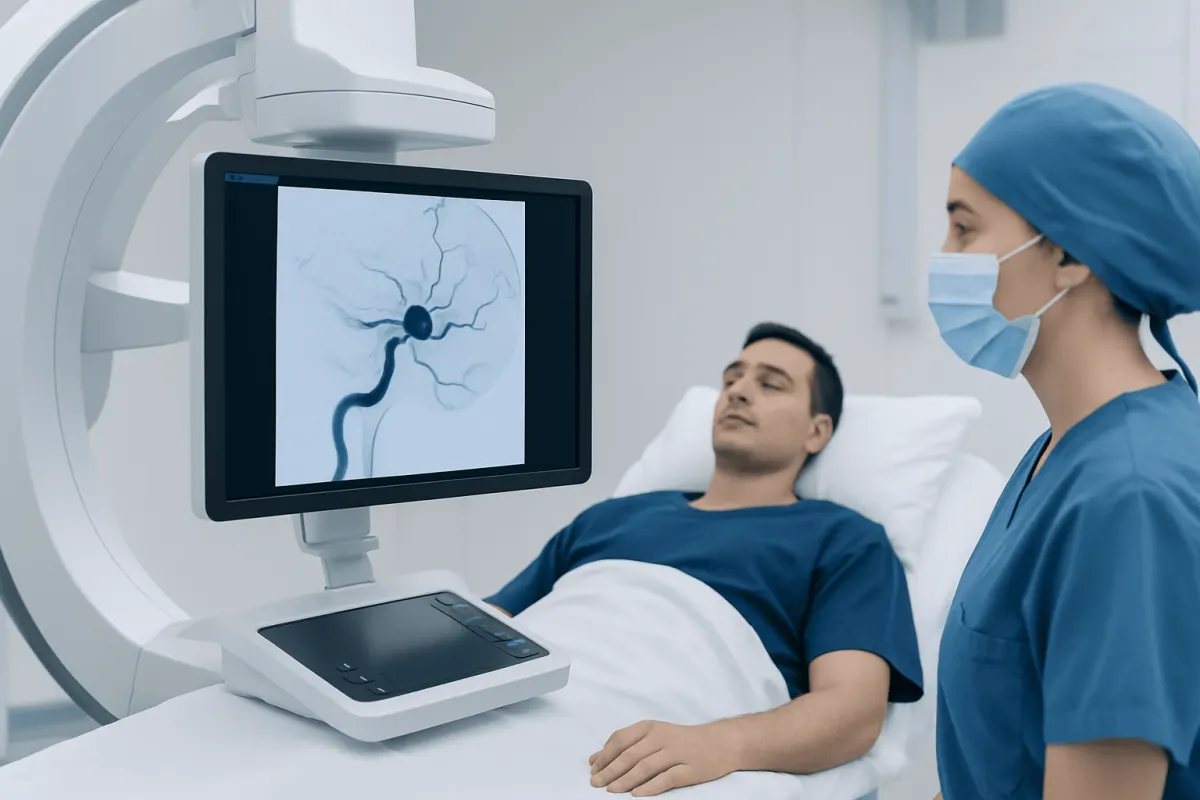
Brain Aneurysm Coiling: Who Is a Candidate, Risks, and Expected Results" class="ahp-ilk">Brain aneurysm coiling is a minimally invasive procedure that blocks blood flow into an aneurysm to reduce the risk of bleeding or rebleeding. For international patients considering treatment in Turkey, a clear plan should address clinical urgency, the devices and imaging required, hospital services, travel timing and follow-up after returning home.
Overview: What Is Brain Aneurysm Coiling?
A brain aneurysm is a weak area in the wall of an artery in the brain that forms a bulge. Some aneurysms never cause symptoms, while others may leak or rupture, causing bleeding around the brain. A ruptured aneurysm is a medical emergency and requires urgent specialist care. Unruptured aneurysms are assessed individually, because their likelihood of causing future problems varies.
Brain aneurysm coiling, also called endovascular coiling or embolization, is a minimally invasive treatment. A specialist guides a thin tube, called a catheter, through an artery—usually from the groin or wrist—to the aneurysm. Small soft metal coils are placed inside the aneurysm to encourage clotting and reduce blood flow into the bulge. In selected cases, additional devices such as balloons, stents or flow-diverting implants may be used to support the repair.
Coiling is one of the main treatments considered for suitable aneurysms. The alternative may be microsurgical clipping, which involves placing a small clip across the neck of the aneurysm through an operation on the skull. The most appropriate approach depends on the aneurysm’s location, shape and size, whether it has ruptured, and the person’s overall health.
Who May Need Coiling and How Treatment Is Chosen
Coiling may be considered for a ruptured aneurysm, where the immediate goal is to prevent further bleeding, or for an unruptured aneurysm judged to have a meaningful risk of rupture. Not every unruptured aneurysm needs treatment. For some people, regular imaging and management of risk factors may be safer than a procedure.
A neurovascular team reviews detailed brain and blood-vessel imaging, such as CT angiography, MR angiography or catheter angiography. They consider the aneurysm’s dimensions, neck width, branching vessels, changes over time and location. Individual factors, including age, smoking, high blood pressure, previous aneurysm bleeding, family history and other medical conditions, also inform the discussion.
Some aneurysms are not ideally suited to simple coiling. Wide-necked, large, complex or recurrent aneurysms may require stent-assisted coiling, balloon-assisted coiling, flow diversion, clipping, or a combination of approaches. A recommendation should explain the expected benefits, possible risks, available alternatives and the importance of longer-term imaging surveillance.
What Influences the Cost of Brain Aneurysm Coiling in Turkey?

There is no single standard price for brain aneurysm coiling in Turkey. A reliable estimate depends on the treatment plan rather than the procedure name alone. The most important cost driver is usually clinical complexity, including whether the aneurysm is ruptured and whether urgent admission, intensive monitoring or treatment for complications is required.
Device requirements can substantially affect the overall estimate. Simple coiling may use a different combination and number of implants than wide-neck treatment supported by a balloon or stent. Flow-diverting devices, where clinically appropriate, may have different costs and follow-up needs. The final device selection is made during planning and can occasionally change during the procedure if anatomy or safety requires it.
Other factors commonly included in planning are specialist consultations, diagnostic imaging, catheter angiography, operating or angiography-suite use, anesthesia, physician and nursing care, laboratory testing, medicines, hospital accommodation and possible intensive care. Patients should also ask whether the estimate includes post-procedure scans, discharge medications, pathology or laboratory services where relevant, and planned follow-up visits.
For international patients, non-clinical expenses should be considered separately. These may include travel, accommodation for the patient and companion, airport transfers, travel insurance, translation support and changes to flights if recovery takes longer than expected. A written, itemized estimate helps patients compare plans fairly and understand which costs could change if additional care becomes medically necessary.
Preparing for Treatment as an International Patient
Planning usually begins with a review of available records. Helpful documents include brain scan images in their original digital format, radiology reports, discharge summaries, a list of medicines and allergies, medical history, and contact details for the current treating clinician. Up-to-date imaging may be needed if previous scans are incomplete or no longer reflect the current situation.
A remote opinion can help determine whether travel is appropriate and how soon treatment may be needed. However, remote review does not replace an in-person assessment, and the plan may change after examination or additional imaging. Anyone with sudden severe headache, loss of consciousness, weakness, speech difficulty, seizures or new confusion should seek emergency care immediately rather than arranging routine international travel.
Before booking travel, patients should ask about expected admission length, recovery time before flying, whether a companion is recommended and the anticipated follow-up schedule. They should also discuss medications. Certain treatments, particularly those involving a stent or flow-diverting device, may require antiplatelet medicines before and after the procedure. These medicines must only be started, stopped or adjusted under the direction of the treating team.
A practical plan includes a clear route for communication before arrival, language support where needed, copies of records for the journey and arrangements for care after returning home. It is sensible to avoid making non-refundable travel commitments until the clinical team has reviewed the available information and advised on timing.
What Happens During and After Coiling
Coiling is performed in a specialized angiography suite by an interventional neuroradiologist, neurointerventional specialist or another appropriately trained physician, supported by anesthesia and nursing teams. The procedure is often performed under general anesthesia, although the approach can differ according to the clinical situation. Real-time X-ray imaging guides the catheter through the blood vessels to the aneurysm.
After treatment, patients are monitored closely for neurological changes, blood pressure control and access-site bleeding. The length of stay varies. People treated after aneurysm rupture may need a longer hospital and intensive care stay because the bleeding itself can cause complications requiring close observation. Patients treated electively for an unruptured aneurysm may have a shorter recovery, although this remains individual.
As with any procedure involving brain blood vessels, coiling has risks. These can include blood clot formation, stroke, aneurysm rupture during treatment, bleeding, reaction to contrast material, vessel injury, infection and incomplete blockage of the aneurysm. The team also monitors for recurrence or reopening of the aneurysm over time. Discussing these issues openly helps patients give informed consent.
Recovery instructions should cover wound care at the wrist or groin, activity limits, medication use and warning signs that need urgent assessment. Follow-up imaging is an important part of care because some aneurysms need additional monitoring or, less commonly, further treatment. The timing and method of surveillance are tailored to the aneurysm and the procedure performed.
Questions to Ask About a Treatment Estimate
Before accepting a treatment plan, patients can request an explanation in plain language of why coiling is recommended and whether clipping, observation or another endovascular method is also reasonable. The discussion should identify whether the aneurysm is ruptured or unruptured and whether the recommendation is urgent, time-sensitive or elective.
It is helpful to ask for a written estimate that states what is included and what may be charged separately. Examples include initial consultations, angiography, implants, anesthesia, hospital room, intensive care if needed, laboratory testing, blood products, medicines, follow-up imaging, discharge planning, interpreter services and transport. Patients should ask how unforeseen medical needs are handled and who will explain any revision to the estimate.
Questions about experience and safety are also appropriate. Patients may ask which specialists will be involved, whether a multidisciplinary neurovascular meeting reviews complex cases, what imaging is needed, and how results will be communicated to their doctor at home. They should receive records in a usable format, including procedure reports, discharge summaries, imaging and a medication plan.
Acıbadem Health Point’s multidisciplinary specialists and JCI-accredited hospitals can assess and treat brain aneurysms for international patients, with care planning coordinated around the individual clinical needs. Any provider should prioritize an individualized medical evaluation and transparent discussion of the anticipated treatment pathway.
Follow-up, Self-care and When to Seek Urgent Help
After discharge, patients should follow their clinician’s instructions about rest, returning to daily activities, driving, work and travel. Keeping blood pressure well controlled, avoiding smoking and attending scheduled follow-up visits can support long-term vascular health. A clinician can advise on safe physical activity and on managing other conditions such as diabetes or high cholesterol.
Follow-up imaging may use MR angiography, CT angiography or catheter angiography. It checks whether the aneurysm remains adequately sealed and whether the treated blood vessel is open, especially when a stent or flow-diverting device has been used. Patients should not miss these appointments simply because they feel well.
Urgent medical assessment is needed for a sudden, severe headache unlike usual headaches; fainting; seizure; new weakness or numbness; facial drooping; trouble speaking or understanding; vision changes; severe vomiting; confusion; or sudden loss of balance. After a catheter procedure, significant swelling, bleeding, pain, coolness or color change in the arm or leg used for access also needs prompt advice.
People who have been treated abroad should know where to seek emergency care after returning home and should share their procedure report and medication list with local clinicians. Ongoing coordination between the treating neurovascular team and the patient’s local doctor can make follow-up clearer and safer.
Frequently asked questions
01How much does brain aneurysm coiling in Turkey cost?
The cost varies because each aneurysm and treatment plan is different. Important factors include whether treatment is urgent, the type and number of coils or other implants needed, imaging, anesthesia, hospital stay and follow-up care. A written itemized estimate is the most useful way to understand expected charges.
02Is coiling less invasive than brain aneurysm clipping?
Yes. Coiling is performed through a catheter placed in an artery, usually at the wrist or groin, rather than through an opening in the skull. However, less invasive does not mean suitable for every aneurysm, and both treatments have important benefits and risks.
03How long will an international patient need to stay in Turkey?
The required stay depends on whether the aneurysm has ruptured, the complexity of the procedure and the person’s recovery. Patients should receive travel advice from their treating team before arranging a return flight. It is wise to allow flexibility in travel plans in case additional monitoring is needed.
04Will follow-up imaging be needed after coiling?
Yes, follow-up imaging is commonly recommended after coiling to confirm that the aneurysm remains adequately treated. The type and timing of scans depend on the aneurysm, devices used and results of earlier follow-up. The treating team should provide a written surveillance schedule.
05Can an unruptured brain aneurysm be monitored instead of treated?
In some cases, yes. Monitoring may be appropriate when the estimated risk of treatment outweighs the expected benefit or when the aneurysm has lower-risk features. The decision should be made with a neurovascular specialist after reviewing imaging and individual risk factors.
06What records should a patient send before traveling for aneurysm treatment?
Useful records include recent scan images, radiology reports, previous angiography results, medical history, medication and allergy lists, and discharge summaries. Original image files are often more helpful than reports alone. The receiving team may request additional or more recent imaging before confirming the treatment plan.
This article is for general information only and is not a substitute for professional medical advice. Please consult a qualified doctor about your individual situation.
Explore treatments in Turkey — costs, top hospitals & a free quote
JCI-accredited · board-certified surgeons · reply within 24h
Add us as a Preferred Source to see more of our trusted health content across Google Search, AI Overviews and Discover.