Bowel Surgery for Cancer: Steps, Recovery and Outlook
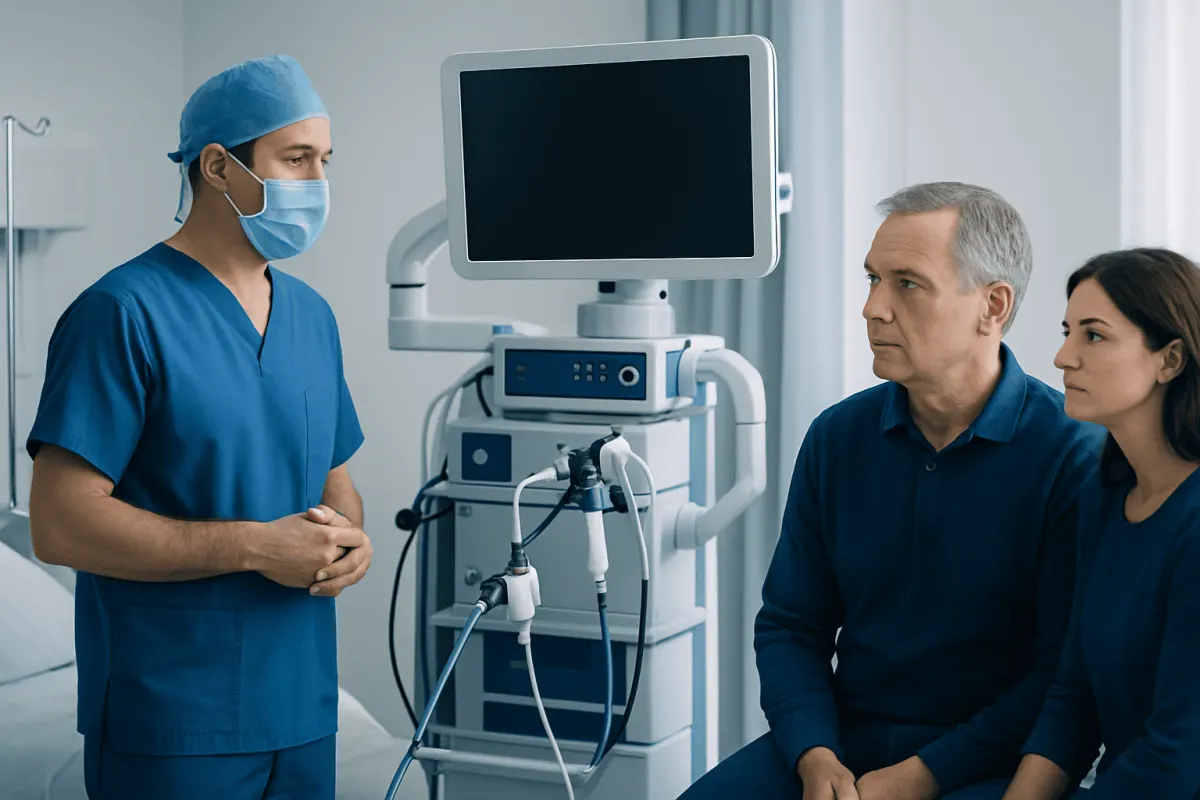
Bowel surgery for cancer removes the section of bowel containing the tumour, usually together with nearby lymph nodes, and reconnects the healthy ends when possible. The approach, need for a stoma and recovery timeline depend on the cancer location, stage, planned treatments and the person’s health.
Overview: how bowel surgery cancer treatment works
Bowel surgery cancer treatment is an operation to remove a bowel tumour along with a margin of healthy tissue and nearby lymph nodes. For many people with colon cancer, surgery is the primary treatment with the aim of removing all visible cancer. In rectal cancer, surgery may be combined with chemotherapy, radiotherapy or both, depending on the tumour’s location and stage.
The operation is often called a bowel resection, colectomy or colon resection. The surgeon removes the affected portion of the large bowel and, where safe, joins the remaining healthy bowel ends together. This join is called an anastomosis. The removed tissue is examined by a pathologist, whose report helps the cancer team confirm the stage and decide whether additional treatment may be useful.
Care is planned by a multidisciplinary team that may include colorectal surgeons, medical oncologists, radiation oncologists, radiologists, pathologists, specialist nurses and dietitians. The goal is to select an approach that treats the cancer while preserving bowel function and quality of life as far as possible.
Who may be a candidate for surgery?
Suitability for bowel cancer surgery is based on more than the diagnosis alone. The team considers where the cancer started, how deeply it has grown into the bowel wall, whether it has spread, and whether it is causing obstruction, bleeding or a perforation. General health, heart and lung function, nutrition, previous operations and personal treatment goals are also important.
People with cancer confined to the bowel or nearby lymph nodes are often considered for surgery intended to remove the disease. Surgery can also be appropriate when cancer has spread to a limited number of other sites, such as the liver or lungs, if all visible disease may be treated. In other situations, surgery may be used to relieve a blockage, bleeding or other symptoms rather than to cure the cancer.
Before an elective operation, assessment may include blood tests, imaging, an electrocardiogram and review of medications. Colonoscopy and biopsy results help establish the diagnosis, while CT, MRI or other scans help stage the cancer. Some people benefit from prehabilitation, including nutrition support, stopping smoking, gentle activity and management of anaemia or long-term conditions before surgery.
Not every bowel tumour requires the same operation. A cancer care team can explain whether surgery is recommended first or whether treatment such as chemotherapy or radiotherapy should come before surgery.
Procedure steps: what happens during bowel cancer surgery?
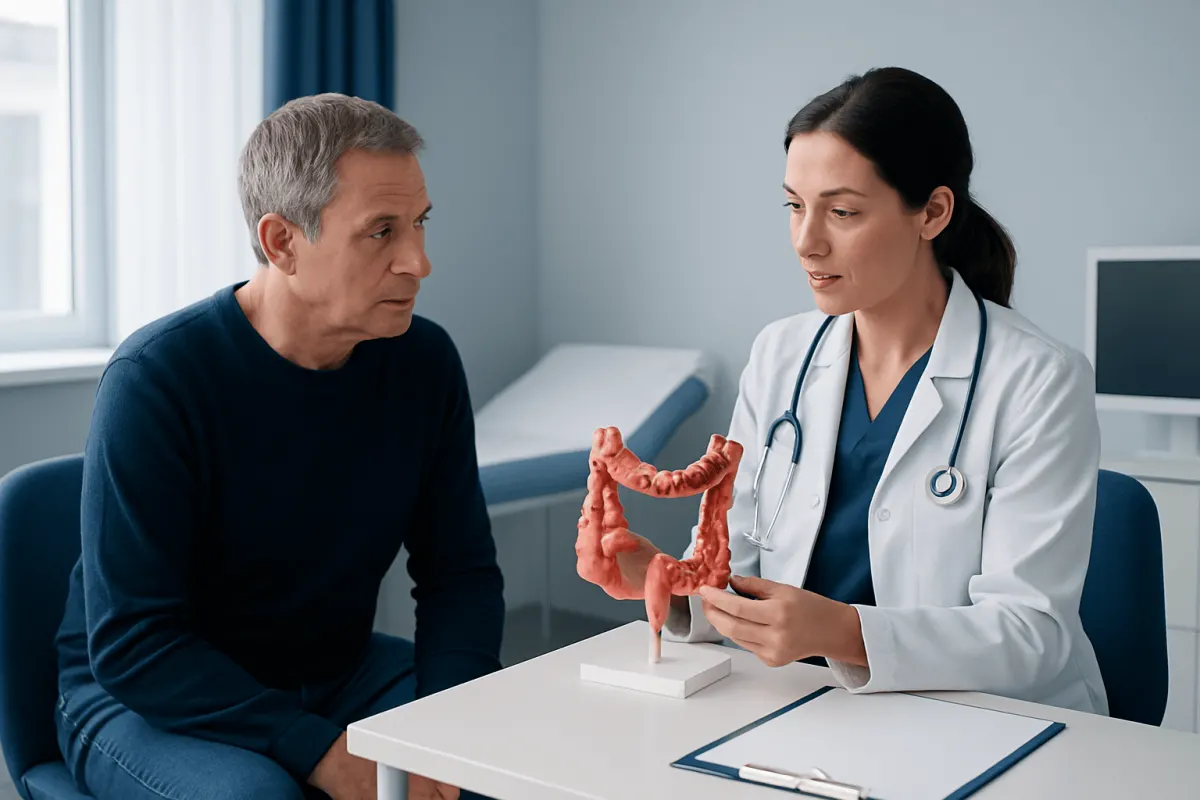
After admission, the patient meets the surgical and anaesthetic teams, confirms the operative plan and receives instructions about fasting, bowel preparation when needed, and medicines. Compression devices and medication may be used to lower the risk of blood clots. The operation is performed under general anaesthesia, so the patient is asleep and does not feel pain during the procedure.
The surgeon may use an open incision or a minimally invasive technique such as laparoscopic or robotic surgery. Minimally invasive surgery uses several small incisions and a camera; it may support a shorter initial recovery for suitable patients, but it is not appropriate in every case. The choice depends on the tumour, anatomy, prior surgery, urgency and the surgeon’s assessment.
During the operation, the surgeon identifies the bowel segment containing the cancer, removes it with its blood supply and regional lymph nodes, and checks that the planned margins are clear of the tumour. The remaining bowel may then be joined together. If a join is not safe or needs protection while it heals, the surgeon creates a stoma, an opening on the abdomen that directs stool into a pouch.
A stoma may be temporary or permanent. Its likelihood is higher for some rectal operations, emergency surgery, low bowel joins and certain medical circumstances. If a stoma is planned or possible, a stoma care nurse provides education and practical support before and after the operation. The surgical team can discuss colon cancer treatment options and the likely operative approach in individual circumstances.
Benefits, limitations and possible risks
The principal benefit of surgery is removal of the known bowel tumour and the lymph nodes most likely to contain microscopic spread. This provides important staging information and, in many cases, offers the best chance of long-term disease control. Surgery can also treat or prevent problems caused by a tumour narrowing the bowel, including obstruction, pain or bleeding.
All major operations carry risks. General surgical risks include bleeding, infection, blood clots, chest infection, reactions to anaesthesia and injury to nearby structures. Bowel-specific risks include a leak from the bowel join, bowel blockage from scar tissue, delayed return of bowel function and changes in stool frequency or urgency. A leak is uncommon but serious and may require antibiotics, drainage, further procedures or another operation.
After a section of colon is removed, bowel habits can be temporarily unpredictable. Some people have looser, more frequent stools; others experience constipation, gas or urgency. Symptoms often settle as the bowel adapts, although recovery can take time. Removing a larger portion of bowel or having rectal surgery can lead to more persistent changes.
The team balances these risks against the expected benefits and explains alternatives when they exist. Pathology results after surgery may show that chemotherapy is advisable to reduce the risk of recurrence, while some people may need monitoring alone.
What to expect after bowel cancer surgery?
Immediately after bowel cancer surgery, patients are monitored for pain, blood pressure, oxygen levels, urine output and signs that the bowel is waking up. Pain relief is tailored to support comfort and early movement. Depending on the operation and recovery plan, there may be intravenous fluids, a urinary catheter, drains or a temporary tube through the nose; these are removed as soon as it is safe to do so.
Early walking, leg exercises and deep breathing are important parts of recovery because they help reduce the risk of blood clots and chest complications. Many patients begin with small sips of fluid and progress gradually to food as nausea improves and bowel function returns. Passing gas or stool is one sign that the bowel is functioning again, but timing varies.
After discharge, tiredness is expected and can be substantial in the first weeks. The wound should be kept clean and monitored according to the hospital’s instructions. Patients should take prescribed medicines as directed, avoid heavy lifting until cleared by the surgical team and increase walking gradually. A follow-up appointment reviews wound healing, pathology findings and next treatment steps.
People with a stoma receive guidance on changing the pouch, protecting the skin and recognising common concerns. Stoma nurses are valuable ongoing sources of support; most people gain confidence with care over time. Contact the care team if the stoma stops working, becomes unusually swollen or changes colour, or if there is persistent leakage or severe skin irritation.
How long does it take to recover from bowel surgery?
Recovery from bowel surgery occurs in stages. A hospital stay may range from several days to longer, particularly after open surgery, an emergency operation or complications. Laparoscopic and robotic operations may allow an earlier discharge for some people, but a shorter stay does not mean that internal healing is complete.
At home, many people can manage light daily activities within a few weeks, but fatigue and reduced stamina are common. Return to driving, work, exercise and lifting should be discussed with the surgeon because timing depends on the operation, wound healing, pain medicines, job demands and individual progress. Physically demanding work may require a longer period away.
Recovery of appetite and bowel habits may take several weeks or months. Small regular meals, adequate fluid intake and gradual dietary changes can be helpful, especially if stools are loose or frequent. A dietitian can provide individual advice when weight loss, poor appetite, a stoma or ongoing bowel symptoms are concerns.
It is important not to compare recovery too closely with another person’s. Age, overall fitness, cancer treatment before or after surgery, complications and emotional wellbeing all affect the timeline. Persistent symptoms should be discussed rather than managed alone.
Can you live a normal life after colon cancer surgery?
Many people return to active, fulfilling lives after colon cancer surgery. The exact meaning of “normal” differs from person to person, and it may take time to regain confidence with eating, exercise, work, travel and social activities. Follow-up care is an important part of life after treatment, helping the team monitor recovery and look for any sign that cancer has returned.
Some long-term changes are possible. Bowel movements may be more frequent, looser or more urgent, particularly after rectal surgery. Others may have constipation, bloating or sensitivity to certain foods. Keeping a food and symptom diary can help identify patterns, while clinicians may suggest dietary adjustments, medication or pelvic floor support when appropriate.
People living with a stoma can usually resume many usual activities, including work, swimming, travel and exercise, once they have healed and learned routine stoma care. Specialist advice can help with clothing, diet, physical activity and intimacy. Emotional adjustment is also meaningful; support from loved ones, nurses, counsellors or patient groups may be beneficial.
Survivorship follow-up commonly includes appointments, blood tests, colonoscopy and imaging at intervals chosen by the oncology team. These plans are individual and may change according to pathology results and any additional treatment.
How soon can you fly after colon resection surgery?
Flying after colon resection surgery should be discussed with the operating surgeon before travel is booked. Air travel can increase the risk of blood clots, and long periods of sitting may be difficult while the abdomen is still healing. The suitable timing depends on whether the surgery was open or minimally invasive, whether complications occurred, the length of the journey and the person’s individual clot risk.
As a general principle, patients should wait until they are medically stable, mobile, eating and drinking adequately, and no longer need close postoperative monitoring. The surgical team may advise delaying travel longer after a major abdominal operation or if there has been infection, a bowel leak, a blood clot, ongoing severe pain or another complication. Airlines may also have their own medical clearance requirements.
When travel is approved, patients may be advised to walk regularly during the journey, perform ankle movements while seated, stay hydrated and wear compression stockings if recommended. Some people need preventive anticoagulant medication, but this should only be used when prescribed by the treating clinician. Carrying a summary of the operation, medication list and contact information for the care team is sensible, especially for international travel.
Acıbadem Health Point’s multidisciplinary specialists and JCI-accredited hospitals provide assessment, surgery and coordinated follow-up for international patients undergoing bowel cancer care.
When to seek medical care
Before surgery, medical assessment is important for symptoms that may suggest bowel cancer, including blood in the stool, an ongoing change in bowel habit, unexplained iron-deficiency anaemia, persistent abdominal pain, unintended weight loss or a feeling that the bowel does not empty fully. These symptoms can have causes other than cancer, but they should not be ignored.
After bowel surgery, patients should contact their surgical team promptly for fever, worsening abdominal pain, repeated vomiting, inability to keep fluids down, increasing abdominal swelling, persistent diarrhoea, no bowel or stoma output when advised to expect it, redness or discharge from the wound, or pain and swelling in a leg. Urgent medical care is needed for chest pain, shortness of breath, fainting, heavy bleeding or severe sudden abdominal pain.
Keeping scheduled postoperative and oncology appointments supports safe recovery. The team can address pain, nutrition, bowel changes, stoma care and emotional concerns, as well as explain whether further cancer treatment is recommended.
Frequently asked questions
01What is bowel surgery for cancer?
Bowel surgery for cancer removes the part of the bowel containing the tumour, a margin of nearby healthy tissue and regional lymph nodes. The remaining bowel is often reconnected, although some people need a temporary or permanent stoma. The precise operation depends on whether the cancer is in the colon, rectum or another bowel area.
02What should a person expect after bowel cancer surgery?
Early recovery includes pain management, walking, breathing exercises and gradual reintroduction of food and fluids. Tiredness, appetite changes and altered bowel habits are common during the first weeks. The care team will review wound healing, pathology results and whether any further treatment is needed.
03Can you live a normal life after colon cancer surgery?
Many people return to work, exercise, travel and other valued activities after healing from colon cancer surgery. Some may have ongoing changes in bowel frequency, stool consistency or urgency, but these can often be managed with medical and dietary support. Follow-up surveillance remains an important part of long-term care.
04How long does it take to recover from bowel surgery?
Initial hospital recovery usually takes days, while recovery at home commonly continues for several weeks. Energy levels, bowel function and confidence with daily activities may take longer to return, particularly after open surgery or if additional cancer treatment is needed. The surgeon can give the most appropriate estimate for the individual operation and health status.
05How soon can you fly after colon resection surgery?
The operating surgeon should clear a person for flying after colon resection surgery, as the recommended timing is individual. Travel may need to be delayed until the person is mobile, stable and recovering without complications, especially after a major abdominal operation. For approved travel, walking regularly and following advice on clot prevention are important.
06Will I need a stoma after bowel cancer surgery?
Not everyone needs a stoma. It may be used when the bowel cannot be safely joined immediately, when a low bowel join needs temporary protection or when surgery involves removal of the rectum or anus. If a stoma is needed, specialist nurses provide training and support for daily care.
This article is for general information only and is not a substitute for professional medical advice. Please consult a qualified doctor about your individual situation.
Persistent digestive symptoms? Get evaluated in Turkey
JCI-accredited · board-certified surgeons · reply within 24h
Add us as a Preferred Source to see more of our trusted health content across Google Search, AI Overviews and Discover.