Botox Before and After Pictures: When Results Show
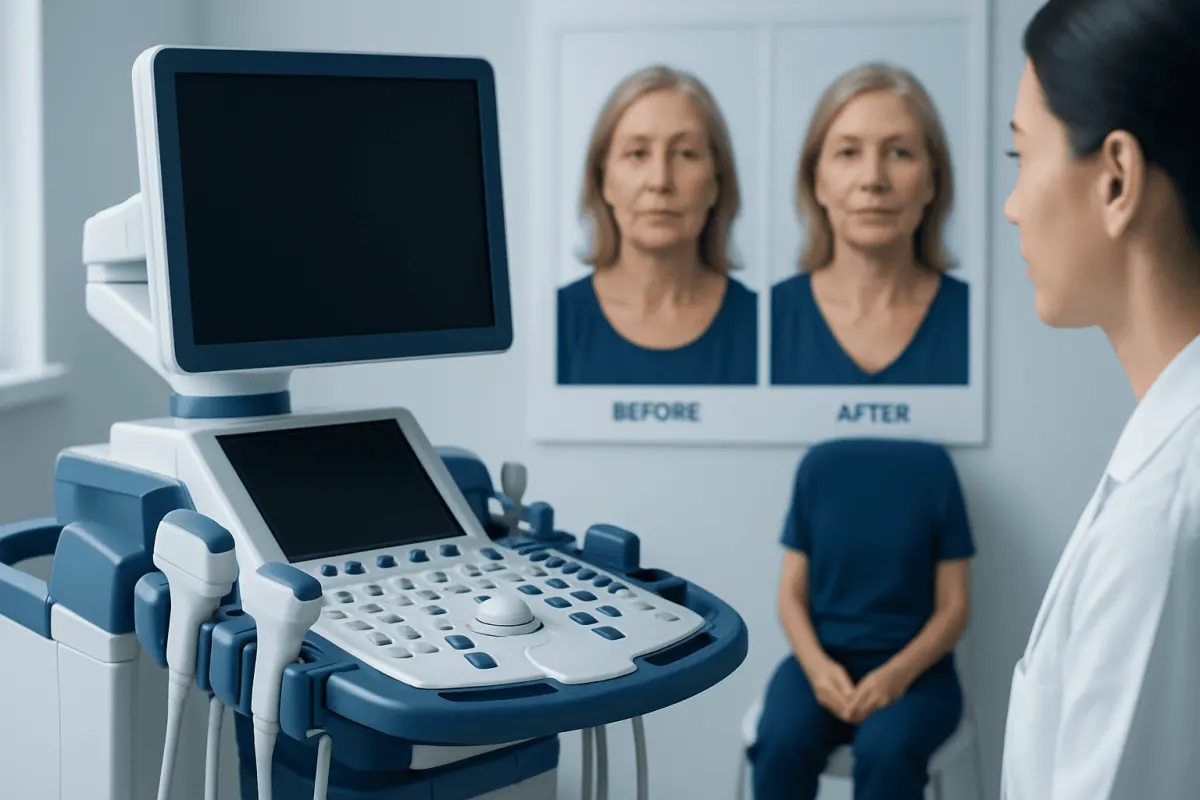
Botox before and after pictures can help illustrate the usual reduction in dynamic facial lines, but they cannot predict an individual result. Changes usually begin within several days and become clearer around 10 to 14 days, depending on the area treated, dose, muscle strength and injection technique.
Overview: How to Read Botox Before and After Pictures
Botox before and after pictures usually show a reduction in lines caused by repeated facial movements, such as forehead creases, frown lines between the eyebrows and crow’s feet around the eyes. Botox is a brand name for botulinum toxin type A, a prescription medicine that temporarily reduces activity in selected muscles. When the muscles relax, the overlying skin may appear smoother at rest and during expression.
Before and after pictures of Botox on the face are useful only when they are compared thoughtfully. A meaningful comparison uses the same lighting, camera angle, facial expression and time of day. A relaxed face may look very different from a face that is frowning, raising the eyebrows or smiling, even without treatment.
Images cannot show all aspects of a safe or satisfying result. They do not reveal the person’s facial anatomy, prior procedures, skin quality, treatment plan or whether movement was intentionally preserved. A consultation with a qualified clinician is the best way to discuss realistic goals, likely benefits and possible limitations.
What Botox Can and Cannot Change
Botox is most effective for dynamic wrinkles: lines that become more visible when a person moves facial muscles. Common treatment areas include horizontal forehead lines, glabellar lines (often called the “11 lines”), lines at the outer corners of the eyes and sometimes lines around the nose, chin or neck. Botox results pictures may show that these lines look softer rather than completely erased.
Lines that remain visible when the face is fully relaxed are called static lines. Botox may still improve their appearance by preventing repeated folding of the skin, but it may not remove them completely. Skin thinning, sun damage, volume loss and changes in skin elasticity can also contribute to static lines and may require different approaches.
Botox does not add volume, fill deep folds, tighten loose skin or improve every concern related to facial aging. Depending on the concern, a clinician may discuss skin-care measures, resurfacing procedures or other injectable treatments. The appropriate option depends on medical history, examination findings and the person’s preferences.
Botox Pictures Day by Day: How Long Does It Take to Look Good After Botox?
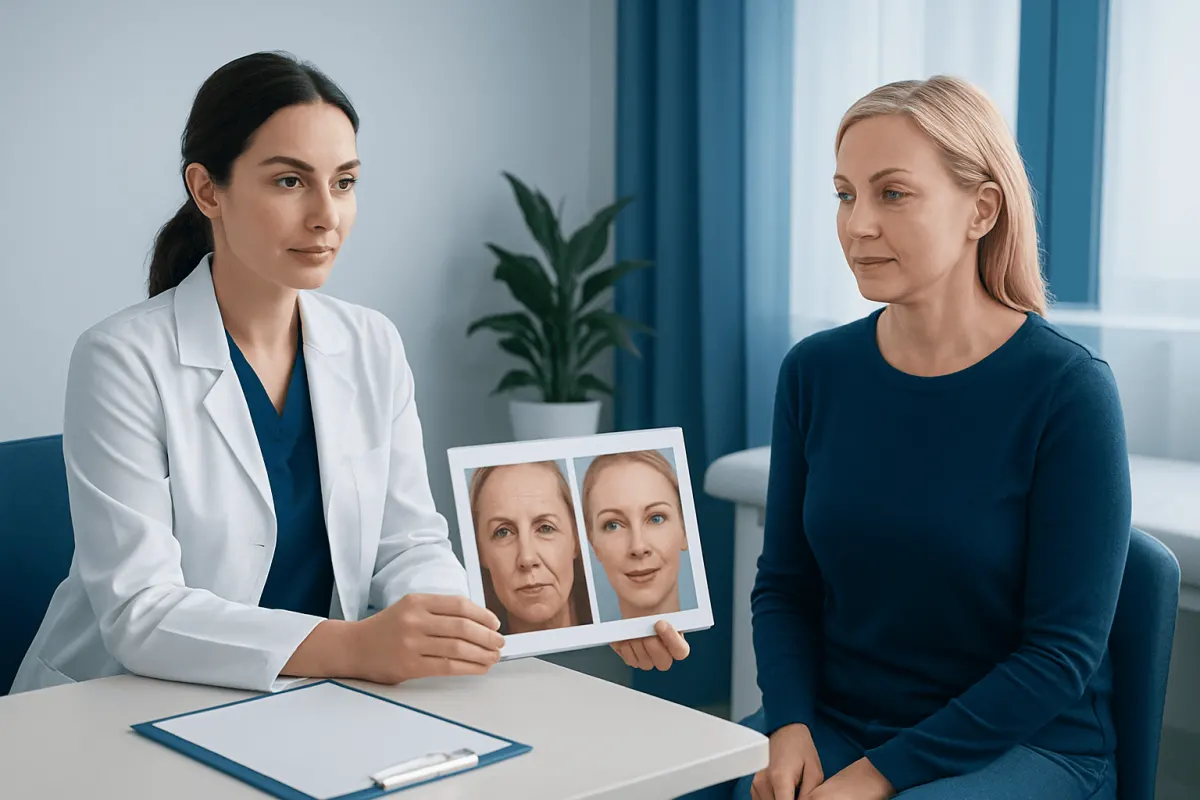
How long does it take to look good after Botox? Most people start to notice a change within 3 to 5 days, although the timing varies. The effect generally continues to develop over the first 1 to 2 weeks. For this reason, clinicians commonly recommend waiting about 14 days before judging the final cosmetic result or considering whether an adjustment is needed.
In the first day or two, the injection sites may have small red marks, mild swelling or bruising. These effects are usually short-lived and do not indicate the final outcome. Botox pictures day by day may therefore look inconsistent, especially if photographs are taken soon after injections.
By the end of the first week, treated muscles often begin to move less strongly. At around 10 to 14 days, the difference is usually easier to see in standardized photographs taken both at rest and while making the expression that previously created the line. The effect then gradually wears off over time, often over several months.
- Day 0–2: small bumps, redness or bruising may be visible.
- Days 3–5: early muscle relaxation may begin.
- Days 7–10: softening of expression lines is often more apparent.
- Days 10–14: the result is commonly assessed as established.
How Do the 11 Lines on My Face Look Before and After Botox Injections?
How do the 11 lines on my face look before and after Botox injections? The “11 lines” are vertical frown lines between the eyebrows, usually caused by the corrugator and procerus muscles contracting during frowning or concentration. Before treatment, they may appear as one or two vertical creases that deepen when the eyebrows are drawn together.
After carefully placed Botox injections, these lines commonly look softer when frowning because the responsible muscles cannot contract as strongly. If the lines are mainly dynamic, they may become difficult to see during expression. If they are deeply etched into the skin at rest, they may improve but remain partly visible.
The glabellar area requires detailed knowledge of facial anatomy. Over-treatment or treatment placed inappropriately can affect eyebrow position or eyelid movement. A trained clinician evaluates the natural brow shape, eyelid position, muscle pattern and facial balance before recommending treatment.
Botox Results Pictures Eyes and Forehead: Why Outcomes Differ
Botox results pictures eyes commonly focus on crow’s feet, the fine lines that extend from the outer corners of the eyes during smiling or squinting. Appropriate treatment can soften these lines while allowing a natural smile. The skin around the eyes is thin, however, and its appearance is also influenced by hydration, sun exposure, under-eye volume and skin elasticity.
Forehead results can vary even more. Some people naturally use their forehead muscles to help hold the eyebrows in a preferred position. Reducing those muscles too much may make the forehead feel heavy or alter brow shape. For this reason, a conservative and individualized plan is often preferred, particularly for a first treatment.
Comparing Botox results photos from different people may lead to unrealistic expectations. Age, muscle strength, baseline asymmetry, skin condition, treatment history and the amount of product used all influence the final appearance. The best outcome is not necessarily the least movement; for many people, it is softened lines with expression that still feels like their own.
What Does 10 Years of Botox Look Like?
What does 10 years of Botox look like? There is no single appearance associated with using Botox for 10 years. Some people who receive periodic, appropriately planned treatment find that targeted expression lines remain less pronounced over time because the treated muscles have repeatedly been prevented from contracting as forcefully. Others may still develop static lines as skin changes naturally with age.
Long-term appearance is shaped by many factors beyond Botox, including genetics, sun exposure, smoking, sleep, stress, skin care, weight changes and overall health. Botox does not stop the normal aging process. It is also not necessary to maintain a completely frozen appearance; treatment frequency and goals can be adjusted over time.
Regular review is important because facial anatomy and aesthetic preferences can change. A clinician should reassess the treatment plan at each visit rather than automatically repeating the same injection pattern. People who wish to pause treatment can generally do so; muscle activity and lines gradually return toward their usual baseline as the effect wears off.
What I Wish I Knew Before Getting Botox?
What I wish I knew before getting Botox? A helpful first point is that the best result is personal, not copied from a photograph. Bringing concerns and goals to a consultation can be more useful than requesting a particular number of injections or trying to recreate another person’s Botox results. The clinician can explain what is medically suitable for the individual face.
It is also important to know that Botox is temporary, develops gradually and may need a follow-up assessment after about two weeks. It should not be scheduled immediately before a major event if there is no time to allow for the result to settle or for a minor bruise to fade. People should disclose medicines, supplements, allergies, neurological conditions, pregnancy or breastfeeding status, and previous cosmetic treatments.
Aftercare instructions may vary, so the treating clinician’s advice should take priority. In general, people are often advised to avoid rubbing or massaging treated areas right after injections and to ask when it is appropriate to resume strenuous exercise, cosmetic treatments or facial procedures. Only prescription-quality botulinum toxin obtained and administered through appropriate medical channels should be used.
When to Seek Medical Care
Most effects after Botox injections are mild and temporary, such as tenderness, redness, swelling, headache or bruising. Contact the treating clinician if symptoms are persistent, worsening or concerning, or if there is unexpected facial asymmetry, a drooping eyelid, significant discomfort or a result that differs from what was discussed.
Urgent medical care is needed for symptoms such as trouble breathing, swallowing or speaking, widespread muscle weakness, severe allergic-type symptoms, or changes in vision. These reactions are uncommon but should be assessed promptly. Anyone with a new or unexplained medical concern should seek advice from a qualified healthcare professional.
For international patients, Acıbadem Health Point’s multidisciplinary specialists and JCI-accredited hospitals can assess and provide medically supervised aesthetic treatment plans when appropriate. A proper consultation helps determine whether Botox is suitable and supports safe expectations for treatment and recovery.
Frequently asked questions
01Are Botox before and after pictures reliable?
They can be helpful when the images use the same lighting, camera angle, facial expression and timing. However, photographs cannot predict an individual outcome because facial anatomy, muscle activity, skin quality and treatment goals differ. A clinical consultation provides more personalized guidance.
02How long do Botox results last?
The visible effect commonly lasts for several months, but duration varies from person to person and by treatment area. Muscle activity gradually returns as the medicine’s effect fades. A clinician can advise when reassessment or repeat treatment may be appropriate.
03Will Botox make my face look frozen?
Not necessarily. A frozen appearance is more likely when facial movement is reduced more than the individual wants or needs. A skilled clinician can tailor placement and amount to soften lines while preserving natural expression.
04Can Botox remove deep wrinkles at rest?
Botox can reduce the muscle movement that makes dynamic wrinkles deepen, so static lines may also look softer over time. However, deeply etched lines may not disappear completely. Other skin-focused or volume-restoring approaches may sometimes be discussed during a consultation.
05Why do my Botox results look uneven at first?
Early redness, swelling or bruising can temporarily make one side look different. The muscles may also respond at slightly different rates during the first 1 to 2 weeks. If asymmetry remains after the usual settling period, the treating clinician should assess it.
06Is Botox safe around the eyes?
Botox is commonly used for lines around the outer eyes when administered by a qualified professional. The area requires careful assessment because nearby muscles affect eyelid and eyebrow movement. Patients should report any prior eyelid drooping, eye conditions or facial procedures before treatment.
This article is for general information only and is not a substitute for professional medical advice. Please consult a qualified doctor about your individual situation.
Explore treatments in Turkey — costs, top hospitals & a free quote
JCI-accredited · board-certified surgeons · reply within 24h
Add us as a Preferred Source to see more of our trusted health content across Google Search, AI Overviews and Discover.