Booty Pain: Causes, Relief and When to Worry

Key Takeaways
- Booty pain is a symptom, not a diagnosis, and the source may be the muscles, nerves, joints, skin, or nearby organs.
- A detailed description of the pain—sharp, aching, burning, one-sided, or triggered by sitting—helps narrow the cause.
- Home care such as gentle movement, posture changes, and short-term rest may help mild cases.
- Red flags such as fever, numbness, weakness, trouble controlling urine or stool, or a growing lump need prompt medical attention.
- If pain keeps returning, limits walking or sitting, or follows an injury, a doctor can check for conditions that need targeted treatment.
Booty pain is a common complaint that can arise from strained muscles, irritated nerves, joint problems, skin conditions, or injuries around the lower back, hips, and pelvis. Most causes improve with rest and simple self-care, but persistent, severe, or unusual pain deserves medical evaluation.
Overview
Booty pain is a broad, everyday way of describing discomfort in the buttocks. It may feel like a deep ache, a sore muscle, a burning line of pain, or tenderness when sitting, walking, or climbing stairs. Because the buttocks sit at the crossroads of the lower back, hips, pelvis, and legs, the true source is not always the spot that hurts most.
Some people develop booty pain after exercise or long hours of sitting. Others notice it after a fall, during pregnancy, with sciatica, or alongside hip or lower-back problems. In many cases, the pain is temporary and improves with basic self-care, but a careful evaluation matters when symptoms are strong, recurrent, or changing.
For international patients planning care, a doctor usually starts by asking where the pain is, how it feels, what makes it better or worse, and whether there are symptoms in the back, leg, groin, or skin. That history often points to the next step, whether the concern is muscular strain, nerve irritation, joint inflammation, or a less common cause.
Symptoms
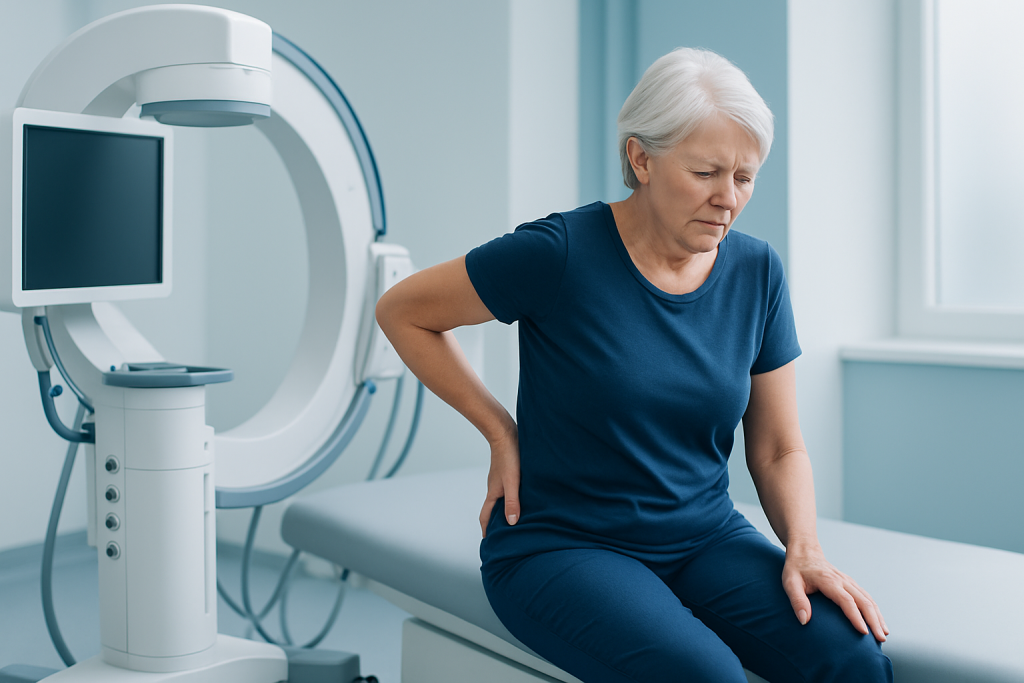
Booty pain does not look the same in every person. A muscle strain may cause a dull ache and stiffness, especially after activity. Nerve-related pain often feels sharp, electric, burning, or shoots from the lower back into the buttock and down the leg. Pain from the tailbone can be worse when sitting on hard surfaces or when rising from a chair.
The location also matters. Pain at the top of the buttock may be linked to the lower back or sacroiliac joint. Pain closer to the sitting bone can point toward hamstring tendon irritation. Tenderness on the surface of the skin may suggest a boil, cyst, rash, or infected hair follicle rather than a deep muscle problem.
Other symptoms can help narrow the cause:
- numbness, tingling, or weakness in the leg
- swelling, redness, warmth, or a lump
- pain that worsens with sitting, bending, or walking
- pain after a fall or direct blow
- fever, fatigue, or unexplained weight loss
If booty pain is paired with bowel or bladder changes, groin numbness, or rapidly worsening weakness, urgent medical assessment is important because those findings can signal a serious nerve problem.
Causes & Risk Factors

There are many possible causes of booty pain, and several can occur at the same time. One of the most common is muscle strain in the gluteal muscles, which may happen after sports, lifting, sudden twisting, or unfamiliar exercise. Prolonged sitting, especially on hard seats or during long trips, can also irritate muscles and soft tissues around the buttocks.
Nerve irritation is another major cause. Sciatica occurs when a nerve root in the lower back is compressed or inflamed, sending pain into the buttock and down the leg. Piriformis syndrome, sacroiliac joint dysfunction, and lumbar spine conditions can create similar symptoms. Hip arthritis, bursitis, tendon problems, and stress injuries may also be felt in the buttock rather than directly in the hip.
Some causes are outside the musculoskeletal system. Skin infections, abscesses, hemorrhoids, shingles, and inflammatory conditions can all create pain in or around the buttocks. Risk can be higher in people who sit for long periods, do repetitive physical work, have diabetes, carry extra body weight, smoke, have poor posture, or have had previous back, hip, or pelvic injuries.
Diagnosis
Diagnosis begins with a conversation and a physical examination. A clinician may ask when the pain started, whether it followed an injury, whether it is constant or only appears with movement, and whether it stays in one spot or travels down the leg. The examination may include checking the lower back, hips, pelvis, walking pattern, strength, reflexes, and skin.
Testing depends on the suspected cause. For many mild muscle-related cases, no tests are needed at first. If a nerve problem, joint disorder, fracture, infection, or another structural issue is suspected, the doctor may recommend imaging such as X-rays, ultrasound, or MRI. Blood tests are sometimes used when inflammation or infection is a concern.
When patients travel for care, it helps to bring any prior imaging reports, medication lists, and a timeline of symptoms. That information can make it easier for the care team to compare past and current findings and decide whether treatment can begin conservatively or whether more detailed evaluation is needed.
Treatment Options
Treatment depends on the underlying cause, but many people improve with conservative measures. Short periods of rest can help after a strain, though complete inactivity is usually not the goal. Gentle movement, walking as tolerated, and changing positions frequently may reduce stiffness and prevent deconditioning.
Common approaches may include cold or warm compresses, posture changes, targeted stretching, and physical therapy. A therapist can help loosen tight muscles, strengthen supporting structures, and correct movement patterns that keep the pain returning. If the pain is linked to the lower back, hip, or sacroiliac joint, treatment often focuses on the region as a whole rather than the buttock alone.
Depending on the diagnosis, a clinician may suggest anti-inflammatory or pain-relieving medicines, topical treatments, injections, or treatment for skin infection, shingles, or another specific cause. Surgery is uncommon for simple booty pain, but it may be considered when there is a fracture, severe nerve compression, a draining abscess, or another problem that does not improve with nonsurgical care.
For patients arranging evaluation from abroad, coordinated follow-up matters. The plan may include a diagnosis visit, therapy instructions for the hotel or recovery period, and a clear schedule for remote or in-person review after travel. Acibadem Health Point’s multidisciplinary specialists and JCI-accredited hospitals diagnose and treat this condition for international patients.
Prevention & Self-care
Not every episode of booty pain can be prevented, but a few habits can lower the chance of recurrence. Regular movement is important, especially for people who sit for work or during long journeys. Standing up every so often, using supportive seating, and keeping the lower back and hips mobile can reduce strain on the buttocks.
Warm-ups before exercise, gradual training increases, and attention to form can help protect the gluteal muscles and hips. Core and hip-strengthening exercises may also improve stability. If footwear is worn out, posture is poor, or the workstation is awkward, small corrections can make a noticeable difference over time.
At home, people with mild pain can often try simple steps:
- rest from the triggering activity for a short period
- alternate between gentle activity and breaks
- use cold or warm compresses depending on what feels better
- avoid sitting too long without changing position
- sleep in a position that does not increase pain
Self-care should stay gentle. If a stretch or exercise sharply worsens symptoms, it is better to stop and ask a clinician or physiotherapist for guidance.
When to See a Doctor
Medical advice is worthwhile when booty pain lasts more than a few days without improvement, keeps returning, or interferes with walking, sitting, sleep, or daily activities. It is also a good idea to seek evaluation if the pain follows a fall, sports injury, or car accident, even when the skin looks normal.
Prompt care is especially important if there is fever, a spreading rash, redness or swelling, a firm lump, drainage, numbness, weakness, or pain that shoots below the knee. These clues can point to infection, nerve compression, or another condition that benefits from earlier treatment.
Emergency assessment is appropriate if the person cannot control the bladder or bowels, develops numbness in the groin or inner thighs, has sudden severe weakness, or experiences intense pain with a major injury. Those symptoms should not be watched at home.
Living With Recurrent Booty Pain
When booty pain keeps coming back, the goal is not only relief but pattern recognition. Some people notice flare-ups after long flights, intense workouts, cycling, or long hours at a desk. Others find that one-sided pain is tied to a gait issue, an old back injury, or a repetitive work posture. Tracking these triggers can help a clinician choose the most useful next step.
Recurrent pain can also be easier to manage when recovery is planned in advance. People who travel for treatment may benefit from a short period of reduced activity, scheduled physiotherapy, and clear instructions about when to resume exercise or long-distance sitting. This is especially useful when a diagnosis such as sciatica, sacroiliac irritation, or tendon pain needs follow-up after returning home.
In general, booty pain is treatable, and many causes improve once the source is identified. A thoughtful assessment can separate a short-lived strain from a problem that needs targeted care, which often brings faster and more lasting relief.
Frequently asked questions
01Is booty pain usually serious?
Most booty pain is caused by muscle strain, sitting pressure, or irritation around the lower back and hips, and it often improves with simple care. It becomes more concerning when it is severe, keeps returning, or comes with numbness, weakness, fever, or a lump.
02Can sciatica feel like buttock pain only?
Yes. Sciatica often starts in the lower back or buttock and may later travel down the leg, but some people mainly notice buttock pain at first. A clinician can help tell the difference between sciatica and other causes such as piriformis irritation or hip problems.
03Why does booty pain get worse when sitting?
Sitting can put pressure on the tailbone, muscles, tendons, or irritated nerves. If the pain is consistently worse on sitting, the cause may be related to the coccyx, hamstring tendon, gluteal tissue, or the lower back.
04Can exercise help or worsen booty pain?
Gentle movement often helps, but the wrong exercise or too much activity too soon can make symptoms flare. The safest approach is to reduce the activity that triggered the pain and then return gradually, ideally with guidance if the pain keeps coming back.
05When should someone get imaging for booty pain?
Imaging is not always needed, especially for mild pain that improves with time. It is more useful when there has been an injury, when pain is persistent or severe, or when the doctor suspects a fracture, infection, nerve compression, or another structural problem.
06Can buttock pain come from the hip or back?
Yes. Pain felt in the buttock may actually start in the lower back, sacroiliac joint, or hip. That is why a careful physical examination is important before deciding on treatment.
This article is for general information only and is not a substitute for professional medical advice. Please consult a qualified doctor about your individual situation.
Hair transplant in Turkey — costs, graft counts & a free assessment
JCI-accredited · board-certified surgeons · reply within 24h
Add us as a Preferred Source to see more of our trusted health content across Google Search, AI Overviews and Discover.