Bone Tumor Symptoms, Diagnosis and Treatment Options

Bone tumor symptoms most often include persistent or worsening bone pain, swelling, a lump, or reduced movement near a joint, although many bone tumors are noncancerous. A timely medical assessment helps identify the type of tumor and guides treatment, which may range from monitoring to surgery, medicines, radiation therapy, or chemotherapy.
Overview: understanding bone tumor symptoms
Bone tumor symptoms may include pain that does not settle, swelling around a bone or joint, a new lump, or difficulty using an arm or leg. These symptoms do not automatically mean cancer: many bone tumors are benign, and pain is far more commonly caused by injury, arthritis, infection, or other noncancerous conditions. Still, symptoms that persist, worsen, occur at night, or are associated with an unexplained lump deserve medical assessment.
A bone tumor is an abnormal growth of cells within a bone. It may be benign, meaning it does not spread to distant organs, or malignant, meaning it is cancerous. Some malignant tumors begin in bone, such as osteosarcoma, chondrosarcoma, and Ewing sarcoma. More commonly in adults, cancer found in bone has spread there from another part of the body; this is called bone metastasis.
Bone tumors can occur at any age, although certain types are more common in children, teenagers, or older adults. The outlook and treatment plan depend on the exact diagnosis, the site and size of the tumor, whether it has spread, and the person’s overall health. Early evaluation helps clinicians protect bone function and plan the most suitable care.
What are the 7 warning signs of a bone tumor?
There is no single symptom that confirms a bone tumor, and some tumors cause no symptoms at first. However, clinicians may investigate the following seven warning signs, especially when they are persistent, progressive, or unexplained:
- Bone pain that continues for weeks or becomes steadily worse.
- Pain at rest or pain that regularly wakes a person from sleep.
- Swelling, tenderness, warmth, or a visible change over a bone.
- A new or enlarging lump near a bone or joint.
- Reduced joint movement, limping, weakness, or difficulty bearing weight.
- A fracture after a minor injury, particularly if the bone seemed painful beforehand.
- Unexplained fatigue, fever, weight loss, or generally feeling unwell alongside local bone symptoms.
These signs can also occur with common musculoskeletal problems. For example, sports injuries may cause swelling and pain, while infection can cause tenderness and fever. The important pattern is persistence or progression rather than the presence of one symptom alone.
Children and adolescents may describe pain vaguely or may start avoiding activities they previously enjoyed. Parents or caregivers should arrange assessment when a child has ongoing localized pain, a limp, nighttime pain, or a swelling that does not improve as expected.
What does a sarcoma lump look like?

A sarcoma lump is often described as a firm, deep-seated mass that gradually enlarges. It may occur in soft tissue near a bone or arise from bone itself, and the skin over it can look completely normal. Some lumps are painless at first, while others are tender or painful when they press on muscles, nerves, or nearby structures.
There is no reliable appearance or feel that can distinguish a sarcoma from a benign lump at home. A lump may be round or irregular, fixed or mobile, and small or large. Features that should be checked promptly include a mass that is growing, is deep beneath the skin, feels firm, returns after removal, or is associated with persistent pain or reduced function.
It is sensible not to massage, repeatedly press, or attempt to drain a new unexplained lump. A clinician may arrange an ultrasound, X-ray, MRI, or other imaging depending on its location. If a biopsy is needed, it should be planned by the specialist team that would manage any future surgery, because biopsy placement can affect treatment planning.
Causes and risk factors for bone tumors
In most people, the exact cause of a primary bone tumor is not known. Bone cancer is not contagious, and it is usually not caused by everyday activity, a minor injury, or normal exercise. An injury may draw attention to a painful area where a tumor was already present, but it does not generally cause the tumor.
A small number of people have factors that can raise the likelihood of certain bone tumors. These include some inherited cancer syndromes, previous radiation therapy, and selected long-standing bone conditions. These factors are uncommon, and having one does not mean a person will develop bone cancer.
Age is also relevant. Osteosarcoma and Ewing sarcoma occur more often in children, adolescents, and younger adults, whereas chondrosarcoma is more frequently diagnosed in adults. In older adults, a new lesion in bone may also lead doctors to consider whether another cancer has spread to the bone. A careful assessment identifies the most likely cause and avoids assumptions based on age alone.
Diagnosis: how doctors investigate a suspected bone tumor
Diagnosis begins with a medical history and physical examination. The clinician will ask when symptoms started, whether pain occurs at night or at rest, whether there has been an injury, and whether there are symptoms elsewhere in the body. They will examine the painful area, nearby joints, nerves, circulation, and mobility.
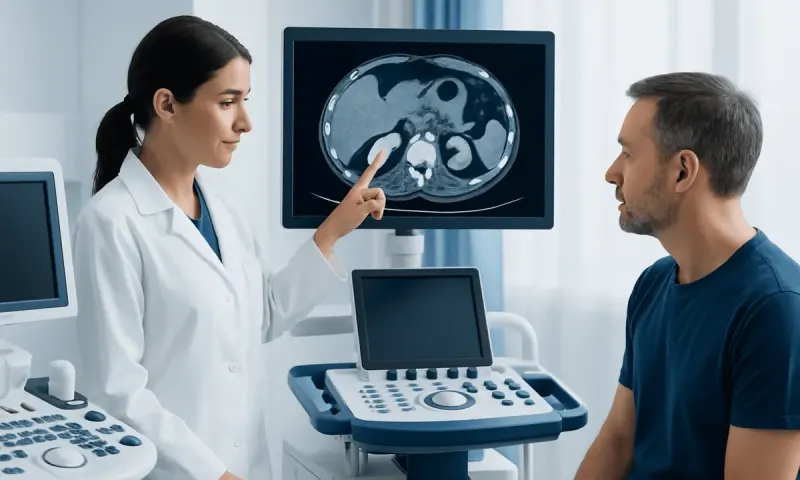
Imaging is central to assessment. An X-ray is often the first test for a painful bone or suspected bone lesion. Depending on the findings, clinicians may use MRI to show the relationship between a tumor and nearby tissues, CT to examine bone detail, or nuclear medicine and PET-based scans to assess other areas of the body. Blood tests can support the evaluation but usually cannot diagnose a bone tumor on their own.
If imaging raises concern, a biopsy may be required to identify the cells involved. A pathologist examines the tissue under a microscope and may perform molecular tests when appropriate. The biopsy should be coordinated with an orthopedic oncology or sarcoma team so that the sample is obtained safely and does not compromise later surgery.
After diagnosis, staging tests show whether a malignant tumor has spread. This information helps the team discuss likely outcomes and recommend a personalized treatment plan. Bone cancer is best assessed in specialist centers because its diagnosis and treatment require close coordination among several disciplines.
What are the treatment options for bone tumors?
cancer Treatment Options: Surgery, Chemo, Radiation & Beyond" class="ahp-ilk">Treatment options for bone tumors depend first on whether the tumor is benign or malignant. Some benign tumors need only observation with repeat imaging, particularly when they are small and not causing symptoms. Others may need treatment if they cause pain, weaken a bone, affect joint function, or have features that make the diagnosis uncertain.
Surgery is often used to remove a symptomatic benign tumor or a malignant tumor. For bone cancer, surgeons aim to remove the tumor with an appropriate margin while preserving as much function as possible. Limb-sparing surgery may involve reconstruction with metal implants, bone grafts, or other techniques; amputation is now needed in a smaller group of carefully selected cases when it offers the safest cancer control.
Chemotherapy may be used before surgery, after surgery, or both for some tumor types, especially osteosarcoma and Ewing sarcoma. Radiation therapy can be important for tumors that are difficult to remove completely, for tumors known to respond to radiation, or to relieve symptoms when cancer has spread. Chemotherapy treatment and radiation therapy are planned according to the tumor type and the individual’s needs.
Rehabilitation is an important part of care after surgery or intensive treatment. Physiotherapy, pain management, nutritional support, and psychological support can help a person regain mobility and adapt to changes in daily life. Regular follow-up checks for recovery, treatment effects, and any sign that the tumor has returned.
What is the newest treatment for bone cancer?
There is not one newest treatment that suits every type of bone cancer. Advances are increasingly focused on tailoring treatment to the specific tumor type, its genetic and molecular features, its location, and whether it has spread. Standard treatment for many primary bone cancers still relies on expert surgery combined with chemotherapy and, for selected tumors, radiation therapy.
For some advanced, recurrent, or rare bone cancers, specialist teams may consider targeted medicines, immunotherapy, or clinical trials. These approaches can be useful in particular circumstances, but they are not appropriate for every patient and do not replace established treatment when surgery or chemotherapy is likely to be effective. Molecular testing may help determine whether a targeted option or trial is relevant.
Modern surgical methods also continue to develop. These can include detailed preoperative imaging, computer-assisted planning, customized reconstruction, and techniques designed to preserve limb function where safe. The best approach is decided by a multidisciplinary team that includes orthopedic oncology surgeons, medical oncologists, radiation oncologists, radiologists, pathologists, and rehabilitation specialists.
At Acıbadem Health Point, multidisciplinary specialists in JCI-accredited hospitals assess and treat bone tumors for international patients, coordinating diagnostics, surgical planning, and supportive care when needed.
When to seek medical care
Medical care should be sought for persistent bone pain, an unexplained swelling or lump, pain that is worsening rather than improving, or pain that occurs at rest or repeatedly at night. An appointment is also appropriate after a minor injury that causes unusually severe pain, ongoing pain, or difficulty using the affected limb.
Urgent assessment is needed for sudden severe pain with inability to bear weight or use a limb, especially after little or no trauma, because a weakened bone can fracture. Prompt medical care is also important for rapidly increasing swelling, numbness, new weakness, fever with a painful swollen area, or symptoms that significantly affect daily activities.
People should avoid self-diagnosing based on symptoms alone. Most musculoskeletal pain and lumps are not bone cancer, but a clinician can determine whether imaging or specialist referral is appropriate. Keeping a brief record of when pain occurs, what makes it better or worse, and whether a lump is changing can be helpful at the appointment.
Frequently asked questions
01Can bone tumors be benign?
Yes. Many bone tumors are benign, meaning they do not spread to distant parts of the body. However, benign tumors can still cause pain, weaken a bone, affect movement, or require monitoring or treatment depending on their type and location.
02Does bone tumor pain always occur at night?
No. Night pain can be a reason to seek assessment when it is persistent or recurrent, but many bone tumors do not cause night pain. Bone pain has many more common causes, including injury, overuse, arthritis, and inflammation.
03Can an X-ray diagnose a bone tumor?
An X-ray can show abnormalities in bone and is often the first imaging test. It may suggest the type of lesion, but MRI, CT, other scans, and sometimes a biopsy are needed to confirm the diagnosis and plan treatment.
04Is a painful lump always cancer?
No. Painful lumps are often caused by benign conditions such as injury, inflammation, cysts, or infection. A lump should be assessed if it is enlarging, deep, firm, persistent, or associated with unexplained pain or reduced movement.
05Can bone cancer be treated without surgery?
In some situations, radiation therapy, chemotherapy, targeted treatment, or other systemic therapies may be used without surgery. However, surgery is a key part of treatment for many localized primary bone cancers, and the best approach depends on the exact tumor type and location.
06What happens after bone tumor treatment?
Follow-up usually includes clinical examinations and scheduled imaging to monitor healing, function, and any signs of recurrence. Rehabilitation and supportive care may help manage pain, restore mobility, and address emotional or practical concerns during recovery.
This article is for general information only and is not a substitute for professional medical advice. Please consult a qualified doctor about your individual situation.
Joint and spine care in Turkey — expert assessment & treatment
JCI-accredited · board-certified surgeons · reply within 24h
Add us as a Preferred Source to see more of our trusted health content across Google Search, AI Overviews and Discover.