Bone Marrow Tumors: Diagnosis, Outlook, and Treatment
A bone marrow tumor is an abnormal growth involving the blood-forming tissue inside bones. The outlook and treatment depend on whether it is benign, a blood cancer such as multiple myeloma or lymphoma, or cancer that has spread to the marrow from another site.
Overview: What Does a Bone Marrow Tumor Mean?
A bone marrow tumor is an abnormal collection of cells in the soft, blood-forming tissue found inside many bones. Bone marrow normally produces red blood cells, white blood cells, and platelets. A tumor can arise from marrow cells themselves, such as plasma cells or lymphocytes, or it can result from cancer spreading to the marrow from another part of the body.
The term is sometimes used loosely to describe several different conditions. These include blood cancers such as multiple myeloma, leukemia, and lymphoma, as well as metastatic cancer involving bone marrow. Some marrow abnormalities are not cancer, and some slow-growing conditions may be monitored before treatment is needed. Identifying the precise cell type is therefore essential.
Symptoms and treatment are determined by the underlying condition rather than by the phrase “bone marrow tumor” alone. A specialist team usually combines laboratory testing, imaging, pathology, and an individual assessment of health needs to develop an appropriate care plan.
Symptoms and Possible Effects on the Body
Symptoms can be subtle at first and may overlap with common health problems. When abnormal cells crowd the marrow, they can reduce normal blood-cell production. This may lead to anemia, which can cause tiredness, weakness, shortness of breath with activity, paleness, or dizziness.
Low white blood cell levels may increase susceptibility to infections, while low platelets can contribute to easy bruising, nosebleeds, bleeding gums, or small red-purple spots on the skin. Some marrow cancers also affect bone structure and may cause persistent bone pain, fractures after minor injury, or high calcium levels.
Other possible features include unexplained weight loss, recurrent fever, night sweats, swollen lymph nodes, reduced appetite, or kidney problems. These symptoms do not necessarily mean cancer, but persistent, worsening, or unexplained symptoms should be discussed with a clinician.
- Ongoing fatigue or symptoms of anemia
- Frequent or unusually severe infections
- Persistent bone or back pain
- Unexplained bruising or bleeding
- Unintentional weight loss, fever, or night sweats
Causes and Risk Factors

In most people, there is no single identifiable cause of a bone marrow cancer. These conditions develop when genetic changes accumulate in certain cells, allowing them to grow or survive abnormally. Such changes are usually acquired during life rather than inherited directly from a parent.
Risk can vary with age, family history, immune-system conditions, prior cancer treatment, and certain environmental exposures. However, having a risk factor does not mean a person will develop cancer, and many people diagnosed with marrow-related cancers have no known risk factors.
Metastatic involvement of the bone marrow has a different origin: cancer cells from another primary cancer travel through the blood or lymphatic system and settle in the marrow. The diagnostic process focuses on determining whether a marrow abnormality began there or represents spread from another location.
How a Bone Marrow Tumor Is Diagnosed
Diagnosis starts with a medical history, physical examination, and blood tests. A complete blood count can reveal low or high levels of blood cells, while kidney function, calcium, protein measurements, and other specialized tests may provide clues about the type of disorder. Urine testing may also be useful in selected cases.
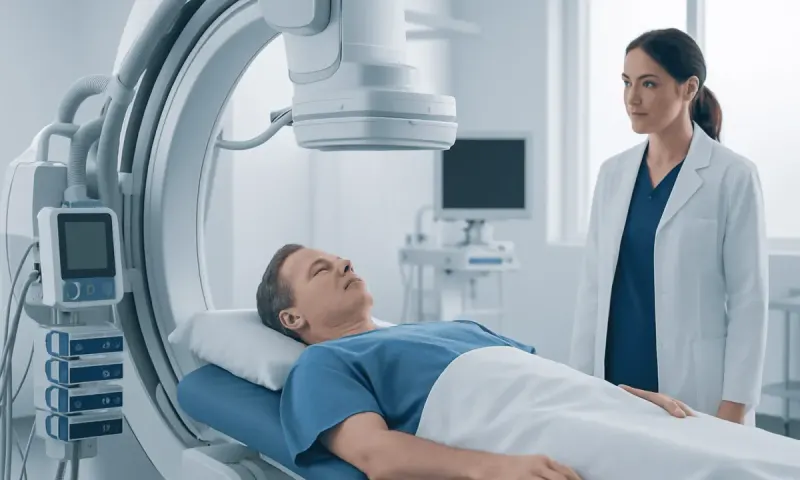
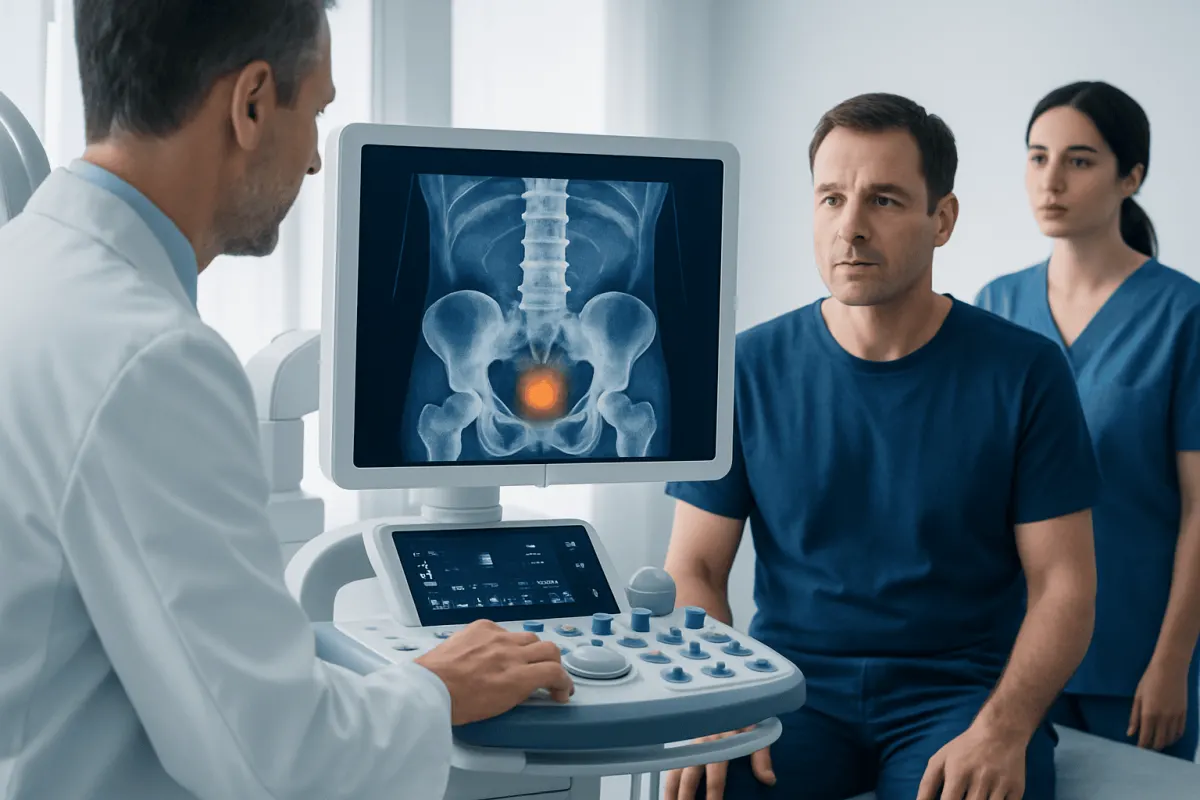
Imaging can assess bones, lymph nodes, and internal organs. Depending on the situation, clinicians may use X-rays, CT, MRI, PET-CT, or other scans. These tests help identify bone damage, masses, or sites that may be suitable for biopsy.
A bone marrow aspiration and biopsy are often central to diagnosis. A clinician removes a small liquid sample and a tiny core of marrow, commonly from the back of the hip bone, using local anesthesia. A pathologist examines the cells and may perform flow cytometry, chromosome testing, and molecular tests. These results help classify the disease, estimate risk, and guide treatment choices.
Conditions such as multiple myeloma require careful assessment of marrow findings alongside blood proteins, bone imaging, kidney function, and symptoms. In many cases, diagnosis is most accurate when reviewed by hematology, oncology, radiology, and pathology specialists together.
What Is the Most Effective Treatment for Bone Marrow Cancer?
There is no single most effective treatment for every bone marrow cancer. The best approach depends on the exact diagnosis, how active or advanced the disease is, laboratory and genetic findings, symptoms, prior treatment, and the person’s general health. For some early or low-risk conditions, active monitoring may be safer than immediate treatment.
For active multiple myeloma and several other marrow cancers, treatment commonly uses combinations of medicines that work in different ways. These may include chemotherapy, corticosteroids, targeted medicines, immunomodulatory drugs, monoclonal antibodies, or other immunotherapies. Combination treatment is selected to control disease while considering likely side effects and a patient’s preferences.
Autologous stem cell transplant may be recommended for some people with multiple myeloma or certain lymphomas who are fit enough for the procedure. It usually follows high-dose treatment designed to reduce cancer cells, after which previously collected blood-forming stem cells are returned to help marrow recovery. Bone marrow transplant is not appropriate for every diagnosis or every patient, but it can be an important part of treatment for selected cases.
Supportive care is also essential. This may include treatment for anemia, infection prevention, pain management, bone-strengthening medicines, kidney support, nutrition guidance, and emotional support. Good supportive care can improve daily functioning during and after cancer treatment.
What Are the Modern Treatment Options for Cancer?
Modern cancer care increasingly uses treatments tailored to the cancer’s biology and to the person receiving care. In marrow-related cancers, options may include chemotherapy, targeted therapy, immunotherapy, antibody-based medicines, cellular therapies, radiation therapy, and stem cell transplant. The treatment plan may change over time as the disease responds or if it returns.
Targeted therapies act on particular pathways that cancer cells depend on. Immunotherapies help the immune system recognize or attack cancer cells. In selected blood cancers, cellular approaches such as CAR T-cell therapy may be considered when standard treatments have not worked or the disease has relapsed. Eligibility depends on the cancer type, prior therapies, health status, and availability.
Radiation therapy can be useful when a localized bone lesion causes pain, threatens bone stability, or presses on nearby nerves. Surgery is less commonly used for marrow cancers themselves, but it may be needed to stabilize a weakened bone or manage complications. Medical oncology care coordinates systemic treatments and supportive management across the course of disease.
Clinical trials may offer access to carefully studied emerging therapies. A patient should discuss possible benefits, uncertainties, travel needs, and alternatives with the treating team before deciding whether a trial is suitable.
What Is the Survival Outlook for Bone Marrow Cancer?
The survival outlook for bone marrow cancer varies considerably. It cannot be accurately predicted from the term “bone marrow tumor” alone because the outlook differs among multiple myeloma, leukemia, lymphoma, metastatic cancer, and noncancerous marrow disorders. Some conditions can be controlled for many years, while others require urgent or intensive treatment.
Important factors include the specific diagnosis and subtype, stage or disease burden, chromosome and molecular findings, age, kidney and heart function, other health conditions, and response to initial therapy. Advances in testing and treatment have improved options for many people, but individual outcomes remain personal and should be discussed with the specialist team.
Survival statistics can be helpful for understanding broad population trends, but they cannot forecast an individual person’s future. They may reflect people treated years earlier and may not fully represent newer therapies. A clinician can explain what the diagnosis means in practical terms and review goals of care at each stage.
What Is the Latest Treatment for Bone Cancer?
The latest treatment for bone cancer depends on what is meant by “bone cancer.” Primary bone cancers, which start in bone tissue, differ from marrow cancers such as myeloma and from cancers that have spread to bone. Their treatments may include surgery, chemotherapy, radiation therapy, targeted medicines, and clinical trials, depending on the exact tumor type.
For marrow-based cancers, newer approaches include increasingly precise targeted medicines, antibody therapies, bispecific antibodies, and selected cellular therapies. These treatments are not interchangeable, and a therapy that is new or effective for one cancer may not be suitable for another. Specialist pathology and molecular testing help determine relevant options.
When a marrow cancer has damaged bone, treatment may also focus on lowering fracture risk, relieving pain, and preserving mobility. Radiation oncology may be involved when focused radiation is appropriate for painful or high-risk bone areas. Rehabilitation and orthopedic input can also be valuable for maintaining safe movement and independence.
When to Seek Medical Care
Medical assessment is appropriate for persistent fatigue, repeated infections, unexplained bruising or bleeding, unintentional weight loss, ongoing fever, or bone pain that does not improve. A clinician can determine whether common causes, such as infection or nutritional deficiency, may be responsible and whether further testing is needed.
Urgent medical attention is needed for severe shortness of breath, chest pain, confusion, sudden weakness, uncontrolled bleeding, a high fever in a person receiving cancer treatment, or severe back pain with new weakness, numbness, or bladder or bowel changes. These symptoms may have several causes but should not be delayed.
People diagnosed with a bone marrow tumor benefit from regular follow-up and clear communication with their care team. Acıbadem Health Point’s multidisciplinary specialists and JCI-accredited hospitals diagnose and treat marrow-related cancers for international patients, with care plans based on the individual diagnosis and clinical needs.
Frequently asked questions
01Is a bone marrow tumor always cancer?
No. The phrase can describe different marrow abnormalities, including noncancerous conditions, blood cancers, or cancer that has spread from another part of the body. A biopsy and related tests are usually needed to determine the cause.
02How painful is a bone marrow biopsy?
The procedure is usually performed with local anesthesia, so the skin and deeper tissues are numbed. People may feel pressure, pulling, or a brief sharp sensation during aspiration, followed by soreness at the site for a short time.
03Can a bone marrow tumor be cured?
Whether cure is possible depends on the exact tumor type. Some conditions can be cured, some can be controlled for long periods, and others are treated to reduce symptoms and slow disease progression. The specialist team can explain treatment goals for the individual diagnosis.
04Can blood tests detect bone marrow cancer?
Blood tests can show abnormal blood-cell counts, proteins, kidney function, calcium levels, and other changes that raise suspicion for a marrow disorder. However, blood tests alone may not confirm the diagnosis, and a bone marrow biopsy is often required.
05What happens if bone marrow cancer is not treated?
The effects depend on the specific condition and how active it is. Active disease may worsen blood counts, increase infection or bleeding risks, damage bones or organs, and cause additional symptoms. Some slow-growing disorders are safely monitored, but this decision should only be made with specialist guidance.
06Can lifestyle changes treat a bone marrow tumor?
Lifestyle measures cannot replace medical treatment for cancer. Nutritious eating, physical activity adapted to ability, infection precautions, avoiding tobacco, and attending follow-up visits can support overall health alongside clinician-directed care.
This article is for general information only and is not a substitute for professional medical advice. Please consult a qualified doctor about your individual situation.
Medical weight-loss options in Turkey — costs & eligibility
JCI-accredited · board-certified surgeons · reply within 24h
Add us as a Preferred Source to see more of our trusted health content across Google Search, AI Overviews and Discover.