Bone Marrow Transplant: Who Needs It and What to Expect

A bone marrow transplant, also called a hematopoietic stem cell transplant, can help restore healthy blood-forming cells after certain cancers, bone marrow failure conditions, immune disorders, or intensive treatments. Understanding who may benefit, how donors are matched, and what recovery involves can help patients and families prepare with more confidence.
Overview: What Is a Bone Marrow Transplant?
A bone marrow transplant is a treatment that replaces or restores the body’s blood-forming stem cells. These stem cells live mainly in the bone marrow, the soft tissue inside certain bones, and develop into red blood cells, white blood cells, and platelets. The procedure is more accurately called a hematopoietic stem cell transplant because stem cells may be collected from bone marrow, the bloodstream, or umbilical cord blood.
The goal of transplant depends on the condition being treated. In some diseases, transplant allows doctors to give high-dose chemotherapy or radiation and then rescue the marrow with healthy stem cells. In other conditions, donor stem cells are used to replace an unhealthy immune or blood-forming system with one that can function more normally.
There are two main transplant types. An autologous transplant uses the patient’s own stem cells, collected and stored before intensive treatment. An allogeneic transplant uses stem cells from another person, such as a matched sibling, unrelated donor, partially matched family member, or cord blood unit.
Who May Need a Bone Marrow Transplant?
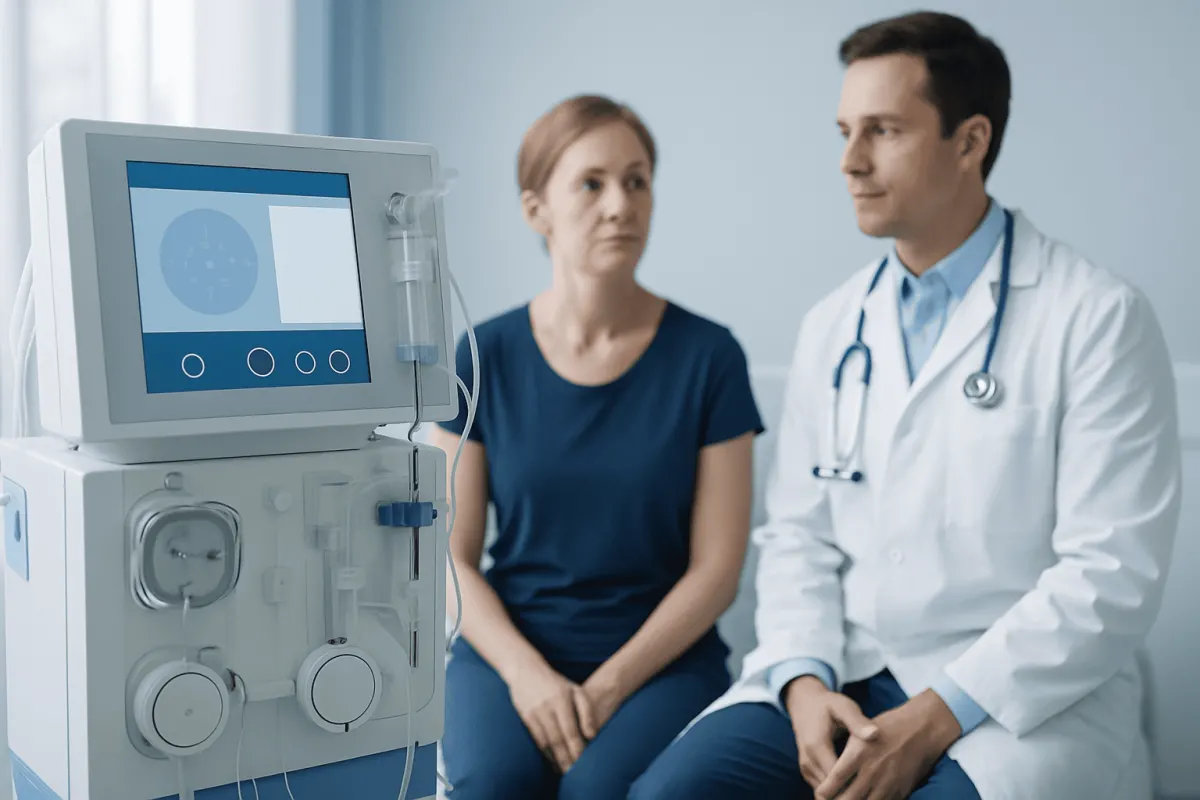
A bone marrow transplant may be considered when a disease directly affects the marrow, blood, lymphatic system, or immune system, or when standard treatment is unlikely to provide enough disease control. It is not the right option for every patient, and the decision is based on diagnosis, stage or risk category, response to previous treatment, organ function, age, and overall health.
Common conditions that may be treated with stem cell transplant include certain leukemias, lymphomas, multiple myeloma, myelodysplastic syndromes, myeloproliferative neoplasms, aplastic anemia, some inherited blood disorders such as thalassemia or sickle cell disease, and selected immune deficiencies or metabolic disorders. In cancer care, transplant is usually part of a broader treatment plan that may include chemotherapy, targeted therapy, immunotherapy, radiation therapy, or supportive care.
Patients are evaluated by a transplant team before any decision is made. This assessment may include blood tests, heart and lung testing, imaging, infection screening, dental review, medication review, and discussion of fertility preservation when relevant. The team also considers practical support, because recovery requires frequent visits, careful monitoring, and a reliable caregiver for many patients.
Autologous vs Allogeneic Transplant: Key Differences

In an autologous transplant, stem cells are collected from the patient during a period when the disease is well controlled or before high-dose therapy. After conditioning treatment, the stored cells are returned through a vein, similar to a blood transfusion. This approach is often used in multiple myeloma and some lymphomas, where the main purpose is to help the marrow recover after intensive treatment.
In an allogeneic transplant, stem cells come from a donor. The donor’s cells can create a new blood-forming and immune system. In some cancers, the donor immune cells may also help recognize and attack remaining cancer cells, an effect known as graft-versus-tumor activity.
Allogeneic transplant is more complex because the donor and patient immune systems must be carefully matched and managed. Possible donor sources include:
- A matched sibling donor
- A matched unrelated donor from a registry
- A haploidentical, or half-matched, family donor
- Umbilical cord blood from a cord blood bank
Each donor option has advantages and limitations. The transplant team weighs match quality, urgency, donor availability, patient condition, and disease characteristics before recommending the safest and most effective approach.
What to Expect Before and During the Procedure
Before transplant, the care team explains the treatment plan, possible benefits, risks, hospital stay, medications, and follow-up schedule. Patients usually have a central venous catheter placed to make chemotherapy, blood products, medications, and stem cell infusion easier and more comfortable. They may also meet specialists in nutrition, infectious diseases, psychology, rehabilitation, or social work.
Stem cell collection depends on the transplant type. For many donors and autologous transplants, stem cells are collected from the bloodstream using a process called apheresis. In some cases, stem cells are collected directly from bone marrow in an operating room while the donor is under anesthesia. Cord blood stem cells are collected and stored after birth and are selected from a bank when needed.
Most patients receive conditioning treatment before the stem cell infusion. Conditioning may include chemotherapy, immunosuppressive medication, radiation therapy, or a combination. Its purpose may be to destroy cancer cells, make space in the marrow, and reduce the chance that the patient’s immune system will reject donor cells.
The stem cell infusion itself is usually not a surgery. The cells are infused through the central line while the healthcare team monitors temperature, blood pressure, oxygen levels, and symptoms. After infusion, the new cells travel through the bloodstream to the marrow, where they begin producing blood cells in a process called engraftment.
Recovery, Monitoring, and Possible Side Effects
The early recovery period focuses on waiting for engraftment and preventing complications while blood counts are low. During this time, patients are more vulnerable to infection, anemia, and bleeding. They may need antibiotics, antiviral or antifungal medicines, blood or platelet transfusions, fluids, nutrition support, and close monitoring of kidney, liver, lung, and heart function.
Common short-term side effects can include fatigue, nausea, mouth sores, appetite changes, diarrhea, hair loss, skin changes, and increased sensitivity to infection. These effects vary widely depending on the conditioning regimen, transplant type, and the patient’s overall health. The care team provides supportive treatments to reduce discomfort and help the body recover.
Allogeneic transplant has additional immune-related risks, including graft-versus-host disease, often called GVHD. This occurs when donor immune cells react against the patient’s tissues, commonly affecting the skin, digestive tract, or liver. GVHD can be mild, moderate, or more serious, and it is managed with preventive medicines, early recognition, and specialist follow-up.
Long-term follow-up is essential. Patients may need revaccination, screening for late effects, medication adjustments, hormone or fertility evaluation, bone health checks, and monitoring for disease recurrence. Emotional recovery is also important, as transplant can affect sleep, mood, family routines, work, and daily independence.
Preparing for Transplant and Self-Care Afterward
Preparation begins with understanding the treatment plan and asking practical questions. Patients and caregivers should know who to contact for urgent symptoms, which medications to take, how to care for the central line, and what restrictions apply after discharge. A written medication list and appointment schedule can reduce confusion during a demanding period.
Infection prevention is a major part of self-care, especially when the immune system is recovering. The transplant team may recommend frequent hand hygiene, avoiding sick contacts, safe food handling, mask use in certain settings, and avoiding crowded or high-risk environments for a period of time. Patients should follow the specific instructions given by their transplant center, as recommendations vary by immune status and local practice.
Nutrition, movement, and rest support recovery. Many patients benefit from small, frequent meals, adequate fluids, gentle activity as approved, and physical therapy when strength is reduced. It is important not to start supplements, herbal products, or over-the-counter medicines without medical advice because they may interact with transplant medications or affect the liver, kidneys, or immune system.
Caregivers play a central role after transplant. They may help with transportation, meal preparation, medication reminders, temperature checks, symptom tracking, and emotional support. Planning ahead for housing near the transplant center, work leave, school needs, and financial paperwork can make the recovery period more manageable.
When to See a Doctor and Questions to Ask
Patients should contact their healthcare team promptly for fever, chills, shortness of breath, chest pain, new bleeding or bruising, severe vomiting or diarrhea, confusion, reduced urination, worsening rash, yellowing of the skin or eyes, or any symptom the transplant team has identified as urgent. After transplant, even mild symptoms can need early evaluation because the immune system may not respond in the usual way.
Before agreeing to transplant, patients may wish to ask: Why is transplant being recommended now? What are the alternatives? What type of transplant is planned? How will a donor be found? What are the expected hospital and follow-up needs? What complications are most relevant in this case? How will quality of life, fertility, work, travel, and vaccinations be managed?
A transplant decision is best made through shared discussion between the patient, family, and experienced specialists. For international patients seeking evaluation, Acıbadem Health Point’s multidisciplinary teams and JCI-accredited hospitals provide diagnosis and treatment planning for bone marrow transplant and related blood disorders. Individual recommendations should always come from a qualified transplant physician familiar with the patient’s full medical record.
Frequently asked questions
01Is a bone marrow transplant the same as a stem cell transplant?
In everyday language, these terms are often used interchangeably. Medically, hematopoietic stem cell transplant is the broader term because the stem cells may come from bone marrow, circulating blood, or umbilical cord blood. The goal is to restore healthy blood and immune cell production.
02How is a bone marrow donor matched?
Donor matching is usually based on human leukocyte antigen, or HLA, markers that help the immune system recognize cells as self or foreign. A close match can reduce the risk of rejection and some immune complications. If a matched sibling is not available, the team may search donor registries, consider a partially matched family donor, or use cord blood.
03Is the stem cell infusion painful?
The infusion is usually given through a vein and is not a surgical operation. Patients are monitored closely during the infusion, and some may notice temporary symptoms such as an unusual taste, flushing, chills, or mild nausea. The team is present to manage any reaction promptly.
04How long does recovery take after a bone marrow transplant?
Early blood count recovery often takes several weeks, but immune recovery can take months or longer, especially after an allogeneic transplant. The exact timeline depends on the transplant type, conditioning treatment, complications, and the patient's general health. Regular follow-up is needed even after the patient feels stronger.
05Can a bone marrow transplant cure cancer?
For some blood cancers and marrow disorders, transplant may offer a chance of long-term disease control or cure. However, outcomes vary depending on the diagnosis, disease status at transplant, donor match, age, and other health factors. A transplant physician can explain the expected goals in an individual case.
06What are the main risks of an allogeneic transplant?
Allogeneic transplant risks include infections, organ side effects, graft failure, disease recurrence, and graft-versus-host disease. These risks are carefully assessed before treatment and monitored closely afterward. Preventive medicines, infection precautions, and early reporting of symptoms help the team manage complications.
07Can patients travel after a bone marrow transplant?
Travel may be restricted during the early recovery period because patients need frequent monitoring and rapid access to the transplant team. Later, travel may be possible when blood counts, immune recovery, medications, and vaccination status are stable. Patients should ask their doctor before making travel plans, especially for international trips.
This article is for general information only and is not a substitute for professional medical advice. Please consult a qualified doctor about your individual situation.
Oncology care in Turkey — second opinion and treatment plan
JCI-accredited · board-certified surgeons · reply within 24h
Add us as a Preferred Source to see more of our trusted health content across Google Search, AI Overviews and Discover.