Bone Marrow Transplant in Babies: When It Is Needed
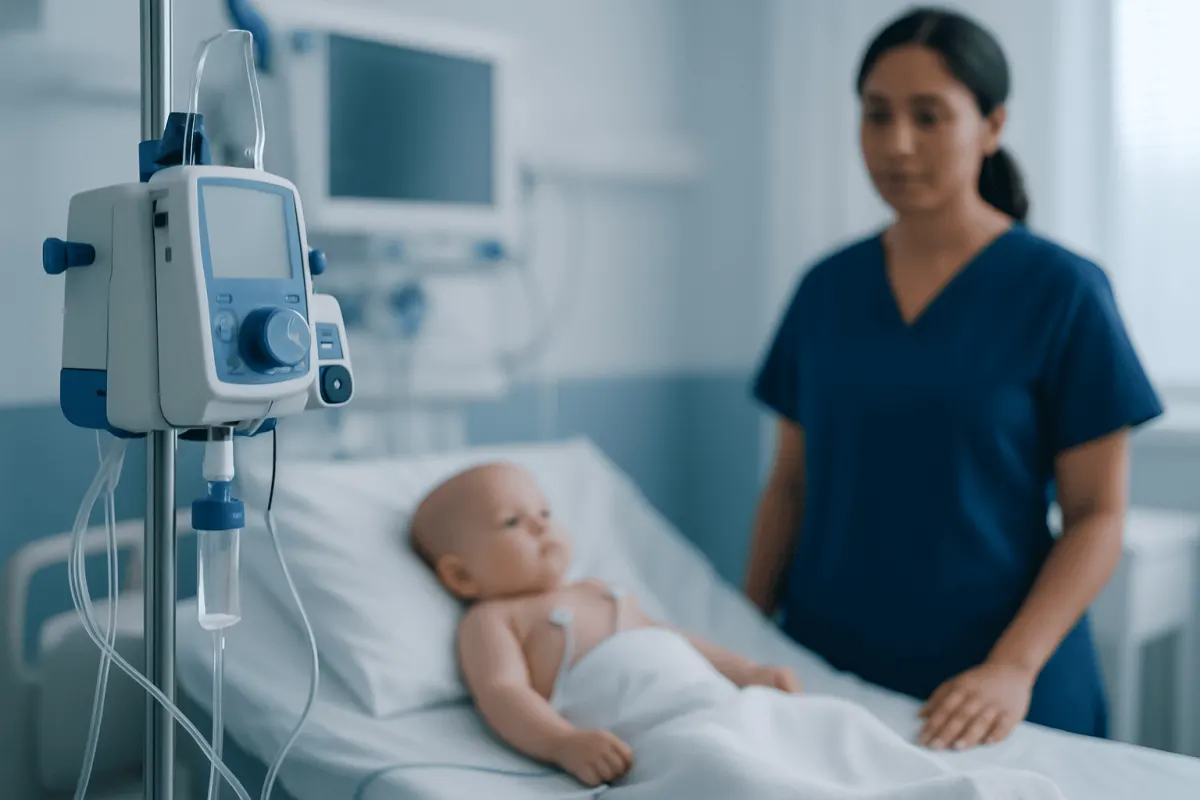
A bone marrow transplant in a baby, also called a hematopoietic stem cell transplant, replaces damaged or abnormal blood-forming cells with healthy stem cells. It may be recommended for certain severe blood disorders, immune deficiencies, cancers, or inherited conditions when specialists believe it offers the best chance of long-term disease control or cure.
Overview: What Does Bone Marrow Mean for a Baby?
Bone marrow is the soft tissue inside many bones. It contains hematopoietic stem cells, which make red blood cells, white blood cells and platelets. These blood cells carry oxygen, fight infection and help the body control bleeding. A serious disorder affecting the marrow, immune system or blood cells can prevent these functions from working normally.
A bone marrow transplant in babies is more accurately called a hematopoietic stem cell transplant. During this treatment, healthy blood-forming stem cells are given through a vein, much like a blood transfusion. The cells travel to the bone marrow spaces, where they may grow and begin producing healthy blood and immune cells.
Transplantation is a complex treatment used only for selected conditions. A pediatric transplant team weighs the expected benefits against important short- and long-term risks. Parents and caregivers are supported throughout the process, and decisions are usually made with input from specialists in pediatric hematology, oncology, immunology, infectious diseases and other relevant fields.
Why Might a Baby Need a Bone Marrow Transplant?
A transplant may be considered when a baby has a condition that severely affects blood production or immune function. Some inherited blood disorders, bone marrow failure syndromes, severe combined immune deficiency and certain rare metabolic or genetic diseases may be treated with donor stem cells. In some circumstances, transplantation is also part of treatment for leukemia or other cancers affecting the blood and marrow.
The reason for transplantation differs from one child to another. For some inherited conditions, replacing blood-forming cells can provide a source of healthy cells that make missing or abnormal proteins. For marrow failure, the goal may be to restore the ability to produce normal blood cells. For cancer, the transplant process may allow intensive treatment and then rebuild blood formation afterward.
Examples of conditions evaluated by specialist teams can include leukemia, severe aplastic anemia, thalassemia, sickle cell disease and severe inherited immune deficiencies. A diagnosis alone does not automatically mean that transplant is necessary. The child’s symptoms, genetic findings, response to other treatment, age, general health and donor options all help guide the recommendation.
Types of Stem Cell Transplant and Donor Matching

An allogeneic transplant uses stem cells from another person. The donor may be a brother or sister, another relative, an unrelated volunteer donor or, in selected situations, a partially matched family donor. Doctors perform human leukocyte antigen, or HLA, testing to compare the child’s and donor’s tissue types. Closer matching can lower some transplant-related risks, although a successful transplant may still be possible without a fully matched sibling.
An autologous transplant uses the child’s own stem cells. This approach is used for certain cancers but does not correct many inherited marrow or immune disorders because the child’s cells carry the underlying condition. The most appropriate source of stem cells depends on the diagnosis and treatment goal.
Stem cells may be collected from bone marrow, circulating blood or donated umbilical cord blood. Bone marrow donation is performed under anesthesia in a donor, while peripheral blood stem cell collection involves a process called apheresis. The transplant team explains the expected donor procedure, safety considerations and alternatives before donation is arranged.
- Matched sibling donors are often preferred when available for some inherited conditions.
- Unrelated donor registries and cord blood banks may provide additional options.
- Donor availability can affect timing, but urgent treatment decisions are individualized.
How Doctors Diagnose and Prepare a Baby for Transplant
Before recommending a transplant, doctors confirm the diagnosis as clearly as possible. Assessment may include blood counts, blood chemistry tests, immune studies, genetic testing, bone marrow examination and imaging when needed. The team also reviews the baby’s infection history, growth, nutrition, heart, lung, liver and kidney function.
Pre-transplant evaluation helps identify factors that may need treatment before the procedure. For example, doctors may treat active infections, optimize nutrition, update plans for blood transfusions or assess whether medications need adjustment. Parents are encouraged to ask why transplant is being considered now, what alternatives exist and what outcomes are realistic for their child’s specific condition.
Many babies receive a central venous catheter before treatment. This is a soft tube placed into a large vein that allows blood samples, fluids, nutrition, medications and stem cells to be given without repeated needle sticks. The healthcare team provides instructions on line care and signs of infection that should be reported promptly.
What Happens During the Transplant Process?
For many allogeneic transplants, the child first receives conditioning treatment. Conditioning may include chemotherapy, immune-suppressing medicines and, less often in young children, radiation. Its purpose may be to make space in the marrow, reduce diseased cells or suppress the immune system enough for donor cells to establish themselves. The intensity of conditioning is tailored to the child’s diagnosis and health.
On transplant day, the stem cells are infused through the central line. The infusion itself is usually not painful and may take several hours. The most intensive part of care is often the following weeks, while the new cells travel to the marrow and begin to produce blood cells, a process called engraftment.
During this period, babies usually stay in hospital or close to the transplant center. Low white blood cell counts raise infection risk, while low platelets and red blood cells can increase bleeding risk and cause anemia. Care may include protective infection-control measures, transfusions, intravenous nutrition or fluids, anti-nausea medicines, pain relief and preventive antimicrobial medicines when indicated.
In selected cases, a child may receive bone marrow transplant treatment as part of a carefully coordinated pediatric care plan. Families should expect frequent communication with the transplant team, since needs can change quickly during conditioning, infusion and early recovery.
Possible Risks, Side Effects and Follow-Up Care
Stem cell transplantation can be lifesaving, but it has important risks. The degree of risk depends on the underlying disease, the child’s condition before treatment, donor match, conditioning approach and complications that arise during recovery. The transplant team monitors babies closely and explains which concerns are most relevant in their situation.
Early side effects can include fever, infections, mouth or digestive tract inflammation, nausea, diarrhea, fatigue, bleeding, liver changes and effects on the kidneys or lungs. Babies may not be able to describe discomfort, so caregivers and clinicians watch closely for changes in feeding, sleep, breathing, alertness, crying, skin color, temperature and wet diapers.
With an allogeneic transplant, graft-versus-host disease can occur when donor immune cells attack the child’s tissues. It may affect the skin, liver, gut or other organs. Medicines that reduce immune activity can help prevent or treat it, but they can also increase susceptibility to infections. Some effects, including growth, hormonal, fertility, learning or organ-related concerns, may appear later and require long-term monitoring.
Follow-up remains essential after discharge. Appointments, blood tests, medication reviews and recommended revaccination plans help the team track engraftment, immune recovery and the child’s development. Families should not stop or change anti-rejection, infection-prevention or other prescribed medicines without medical advice.
Prevention, Home Care and Supporting the Family
Most conditions requiring a bone marrow transplant cannot be prevented through lifestyle changes. However, early diagnosis can be important. Families with a known inherited blood, immune or metabolic condition may benefit from genetic counseling before or during pregnancy. Newborn screening and prompt assessment of unusual infections, persistent paleness, bruising, poor growth or unexplained blood-count abnormalities can help identify conditions that need specialist review.
After transplant, infection prevention is a major part of home care. The transplant team gives individualized advice about hand hygiene, visitors, food safety, pets, nursery or daycare attendance, masks and avoiding people who are unwell. Recommendations change over time as the immune system recovers, so family members should follow the child’s current plan rather than relying on general advice alone.
Feeding and growth are especially important in infancy. Some babies need temporary nutritional support because treatment can affect appetite, swallowing or the digestive system. Parents should seek advice from the clinical team or a pediatric dietitian before using supplements, herbal products or non-prescribed remedies, as these may interact with treatment or carry infection risks.
Parents and caregivers may experience considerable stress while a baby is undergoing transplant care. Social workers, psychologists, nurses and patient-support organizations can provide practical and emotional support. Keeping a written record of medications, temperatures, symptoms and questions can also make appointments and urgent calls easier to manage.
When to Contact the Medical Team
Parents should contact the transplant team urgently if a baby has a fever or feels unusually unwell, especially during and after transplant treatment. A fever may be the first sign of infection when immunity is reduced. Families should use the temperature threshold and contact instructions provided by their own center, because these are specific to the child’s stage of treatment.
Other reasons to seek urgent advice include trouble breathing, blue or gray lips, unusual sleepiness or difficulty waking, persistent vomiting, refusal to feed, fewer wet diapers, severe diarrhea, bleeding, new bruising, a widespread rash, severe pain, a swollen or red central line site, or contact with certain contagious infections. Parents should not give fever-reducing medicines to mask symptoms before seeking advice unless their clinical team has specifically instructed them to do so.
For planned transplant assessment, a referral to a pediatric hematology or transplant center is appropriate when a baby has a diagnosed condition for which transplantation may be beneficial. Acıbadem Health Point’s multidisciplinary specialists and JCI-accredited hospitals evaluate and treat appropriate transplant conditions for international patients, with care coordinated around the child and family.
Frequently asked questions
01Can a newborn have a bone marrow transplant?
Yes, stem cell transplantation can be performed in newborns and young infants when there is a strong medical reason, such as a severe inherited immune or blood disorder. The timing is individualized and depends on the diagnosis, the baby’s health, infection status and the availability of suitable donor cells.
02Is a bone marrow transplant painful for a baby?
The stem cell infusion is given through a vein or central line and is generally similar to receiving a transfusion. The overall treatment can still be demanding because conditioning therapy, infections, mouth sores and other side effects may cause discomfort. Pediatric teams use age-appropriate comfort measures and pain management throughout care.
03How long does a baby stay in hospital for a bone marrow transplant?
The hospital stay varies widely depending on the transplant type, the child’s condition and whether complications occur. Many babies remain under close inpatient care through conditioning and early engraftment, then continue frequent outpatient visits after discharge. The transplant center can provide a more personalized estimate.
04Can parents stay with their baby during transplant treatment?
Many pediatric transplant programs encourage a parent or caregiver to be closely involved in a baby’s care. Visiting, overnight stay and infection-control policies vary by hospital and may change during periods of high infection risk. The care team can explain practical arrangements before admission.
05What is the success rate of bone marrow transplant in babies?
Outcomes vary substantially by diagnosis, donor match, age, disease stage, treatment approach and complications. For some conditions, transplant can be curative, while for others it is used to improve long-term control or survival. The transplant specialist is best placed to discuss expected outcomes for an individual baby.
06Will a baby need medicines after a donor stem cell transplant?
Most babies who receive donor cells need medicines after transplant, often including drugs to reduce graft-versus-host disease risk and prevent or treat infections. The duration and combination of medicines depend on immune recovery and the child’s clinical progress. Families should follow the prescribed plan and ask the team before making any changes.
This article is for general information only and is not a substitute for professional medical advice. Please consult a qualified doctor about your individual situation.
Oncology care in Turkey — second opinion and treatment plan
JCI-accredited · board-certified surgeons · reply within 24h
Add us as a Preferred Source to see more of our trusted health content across Google Search, AI Overviews and Discover.