Boils Often Heal With Warm Compresses, but Some Need Drainage

You notice a sore red bump that gets bigger and angrier each day, and by the third morning it hurts to sit down or pull on a shirt. That is usually a boil, also called a furuncle: a painful, pus-filled lump caused by infection around a hair follicle.
Many boils settle with warm compresses and good skin care. Some need medical drainage, antibiotics, or a closer look for an underlying skin or health condition.
Overview: what “boil and skin” usually means
Boil and skin concerns most often refer to a boil, a common bacterial skin infection that forms a painful lump under or within the skin. A boil usually starts when bacteria enter through a tiny break in the skin or around a hair follicle. The area becomes inflamed, swollen, and filled with pus as the body responds to the infection.
Doctors may call a boil a furuncle. When several nearby boils join together more deeply under the skin, this is called a carbuncle. Boils can develop anywhere, but they are especially common in areas where friction, sweat, and hair follicles are present, such as the face, neck, armpits, buttocks, groin, and thighs.
Most small boils are not dangerous and get better with simple home care. They can still be very uncomfortable, and some need professional treatment to ease pain, drain pus safely, and stop the infection spreading. A boil also has to be told apart from other skin lumps, such as cysts, inflamed acne nodules, or a skin cancer that is changing over time.
How a boil looks and feels
A boil often begins as a small, firm, red bump that is tender to the touch. Over several days, it may become larger, softer, and more painful as pus collects inside. The center may turn yellow-white, forming a visible “head.” Some boils eventually open and drain on their own.
The skin around the boil may feel warm, swollen, and irritated. In larger or deeper infections, the area can become throbbing and sore enough to make sitting, walking, shaving, or wearing tight clothing uncomfortable. Nearby lymph nodes may also become swollen as the immune system reacts.
Symptoms can vary depending on size and location. A small boil on the leg may be mild, while one on the face, inside the nose, near the ear, or in the groin can be more painful and may need closer medical attention. Recurrent boils may suggest ongoing bacterial colonization, friction, ingrown hairs, or an underlying health issue.
- Red, tender lump under the skin
- Increasing size over a few days
- Pus-filled center or drainage
- Warmth and swelling around the area
- Pain, especially with pressure or movement
Causes and risk factors

Boils are most commonly caused by bacteria, especially Staphylococcus aureus, entering the skin through a tiny cut, insect bite, scratch, or irritated hair follicle. Friction from shaving, tight clothing, or sweating can make the skin more vulnerable. Although boils are localized, the bacteria that cause them can sometimes spread through close skin contact or by sharing towels, razors, or clothing.
Anyone can get a boil, but some factors increase the risk. These include diabetes, weakened immune defenses, obesity, poor circulation, eczema, and other skin conditions that damage the skin barrier. Repeated exposure to friction and moisture can also contribute, especially in the armpits, groin, or under skin folds.
Recurring boils may point to chronic bacterial colonization in the nose or on the skin, repeated ingrown hairs, or a condition such as hidradenitis suppurativa, which can cause painful lumps in body folds and is sometimes mistaken for simple boils. In some cases, what seems like a recurrent “boil” may actually be an inflamed cyst or another skin disorder that needs a different treatment plan.
Diagnosis and how doctors tell it apart from other skin problems
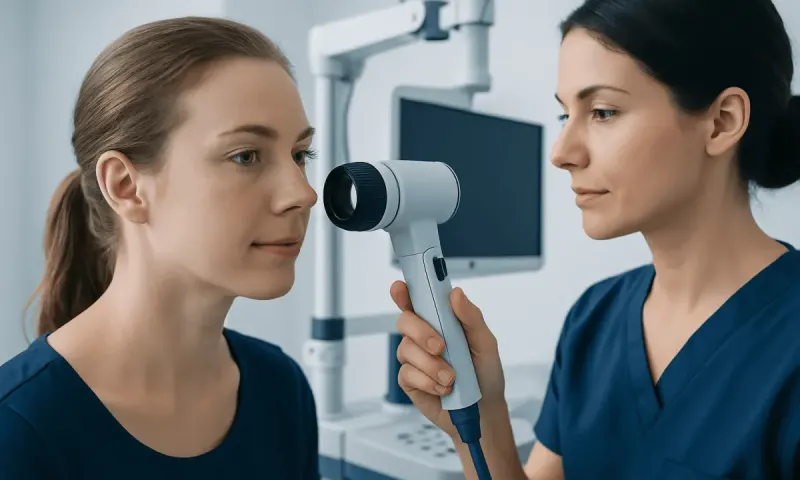
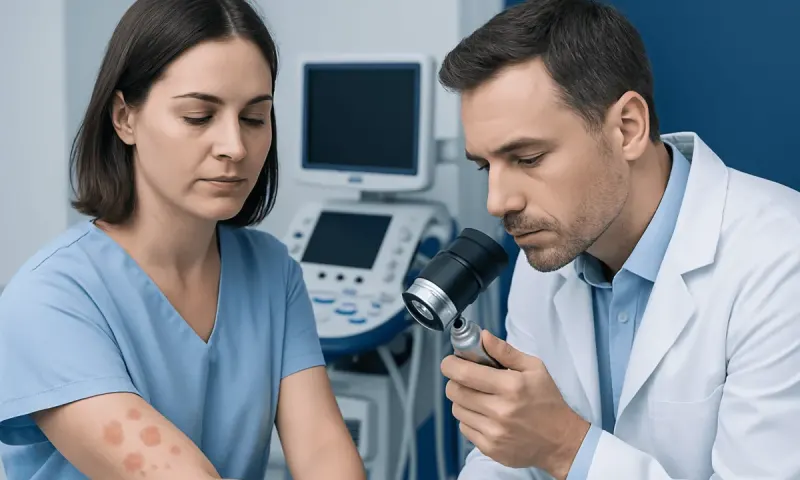
Doctors usually diagnose a boil by examining the skin and asking about symptoms, timing, recurrence, and any fever or spreading redness. The appearance of a tender, pus-filled lump near a hair follicle is often enough to make the diagnosis. A clinician will also check whether the infection is limited to one area or involves deeper tissues.
If the boil is large, recurrent, unusually severe, or not improving, the doctor may take a sample of the drainage for laboratory testing. This can help identify the bacteria and guide antibiotic choices, especially if resistant bacteria such as MRSA are a concern. Blood sugar testing may be considered when boils happen repeatedly or heal slowly, because diabetes can raise the risk of skin infections.
Several skin conditions can look similar to a boil. These include epidermoid cysts, acne nodules, abscesses, ingrown hairs, infected insect bites, and inflammatory skin disease. In selected cases, clinicians may recommend a dermatology review, skin ultrasound, or additional assessment if the lesion is atypical, persistent, or suspicious for another problem.
Treatment options: from home care to drainage
Many small boils can be managed at home with warm compresses applied several times a day. Warmth can increase circulation, reduce discomfort, and help the boil come to a head and drain naturally. The skin should be kept clean, and any drainage should be covered with a clean dressing. Please do not squeeze, pop, or cut the boil. That pushes infection deeper and spreads bacteria to the skin around it.
When a boil is larger, very painful, deep, or not draining on its own, a doctor may perform abscess drainage in a sterile setting. This procedure relieves pressure and removes infected material safely. Some patients also need antibiotics, especially if there is surrounding cellulitis, fever, multiple boils, facial involvement, immune suppression, or recurrence. If the infection spreads into surrounding skin, treatment may overlap with care for cellulitis.
People with repeated boils may need a broader prevention plan. This can include reviewing shaving habits, reducing friction and moisture, treating underlying skin disease, and in some cases using medical decolonization strategies under professional guidance. If a recurrent lesion turns out to be a cyst rather than a true boil, a doctor may discuss options such as sebaceous cyst removal after the inflammation settles.
Some patients do benefit from seeing a specialist, particularly when the diagnosis is unclear or boils keep coming back. Acıbadem Health Point’s multidisciplinary specialists and JCI-accredited hospitals diagnose and treat skin infections and related conditions for international patients when a more advanced assessment is needed.
Prevention and self-care for healthier skin
Preventing boils focuses on protecting the skin barrier and reducing bacterial spread. Gentle daily washing, prompt cleansing of minor cuts, and avoiding shared personal items can help. Clean towels, fresh clothing, and regular laundering are especially helpful when a boil is draining.
People who shave areas prone to boils may benefit from changing razors often, shaving less closely, or using alternative hair-removal methods if advised by a clinician. Loose, breathable clothing can reduce friction and trapped sweat. For those with repeated infections, keeping skin folds dry and managing body weight may also help lower irritation.
Your general health matters too. Good blood sugar control, balanced nutrition, enough sleep, and quitting smoking all help your body heal and fight infection. If boils keep returning, ask your doctor whether screening for diabetes, nasal bacterial colonization, eczema, or another underlying condition would be worthwhile.
- Wash hands before and after touching the area
- Use warm compresses, not squeezing
- Keep the boil covered if it drains
- Do not share razors, towels, or clothing
- Seek advice for recurrent boils or slow healing
When to seek medical care
Medical care is advisable if a boil is very painful, larger than expected, on the face or spine, or not improving after several days of home care. A doctor should also assess a boil that keeps coming back, drains for a long time, or is surrounded by spreading redness. These features can suggest a deeper infection or a need for drainage or antibiotics.
Urgent evaluation is important if there is fever, chills, fast spreading swelling, red streaks, severe tenderness, or a general feeling of being unwell. People with diabetes, cancer treatment, immune suppression, or poor circulation should seek care earlier because complications are more likely. Infants and older adults may also need earlier assessment.
Even when symptoms seem mild, see a qualified doctor if you are unsure what the lump is. Some lesions that look like boils are not infections at all, and a careful examination points to the right treatment while avoiding unnecessary antibiotics or delays.
Frequently asked questions
01Is a boil the same as a pimple?
No. A boil is usually a deeper bacterial infection around a hair follicle, while a pimple is more commonly related to acne and blocked pores. Boils tend to be larger, more painful, and more likely to fill with pus.
02Can a boil go away on its own?
Yes, many small boils improve with warm compresses and basic skin care. They may drain naturally and then heal over time. If the boil becomes larger, more painful, or does not improve, medical treatment may be needed.
03Should a person pop or squeeze a boil?
No. Squeezing can push infection deeper into the skin and may spread bacteria to nearby tissue. It can also increase pain, delay healing, and raise the risk of scarring.
04Are boils contagious?
The boil itself is a localized infection, but the bacteria that cause it can spread through skin contact or shared items such as towels and razors. Good hand hygiene and not sharing personal items can reduce this risk. Covering draining boils also helps protect others.
05Why do boils keep coming back?
Recurrent boils can happen because of ongoing friction, shaving, skin irritation, bacterial colonization, or an underlying condition such as diabetes or hidradenitis suppurativa. A doctor may look for triggers and recommend a prevention plan. Repeated boils should not be ignored, especially if they occur in the same area.
06When are antibiotics needed for a boil?
Antibiotics are not necessary for every boil. They are more commonly used when there is fever, spreading redness, multiple boils, facial involvement, immune suppression, or recurrence. A clinician decides based on the size, severity, and overall health of the patient.
This article is for general information only and is not a substitute for professional medical advice. Please consult a qualified doctor about your individual situation.
Hair transplant in Turkey — costs, graft counts & a free assessment
JCI-accredited · board-certified surgeons · reply within 24h
Add us as a Preferred Source to see more of our trusted health content across Google Search, AI Overviews and Discover.