

Body Aches: Causes and Treatment
- 9 min read
- Published November 28, 2026
Key Takeaways
- Body aches may affect muscles, joints, or the whole body and can come from many different causes.
- Viral illnesses, physical strain, dehydration, stress, and poor sleep are frequent reasons for temporary aches.
- Persistent, severe, or one-sided body pain may need medical assessment to look for infection, inflammatory disease, medication effects, or another condition.
- Simple measures such as hydration, rest, gentle movement, and heat or cold can help many mild cases.
- A doctor should be seen sooner if body aches come with fever, shortness of breath, weakness, swelling, rash, or other concerning symptoms.
Body aches are a common symptom, not a diagnosis, and they can range from a temporary reaction to infection or overexertion to a sign of an underlying condition. Understanding the pattern of the pain helps determine whether rest and self-care are enough or a medical evaluation is needed.
Overview
Body aches are one of the body’s most common ways of signaling that something is off balance. The feeling may be dull and widespread, or it may seem concentrated in the muscles, joints, back, or limbs. For some people, the discomfort appears with a cold or flu-like illness; for others, it follows hard exercise, stress, or a poor night of sleep.
Because body aches are a symptom rather than a disease, the main task is to look at the full picture: where the pain is felt, how long it has been present, and what else is happening at the same time. A short-lived ache that improves with rest often has a very different meaning from pain that keeps returning or begins to interfere with daily movement.
In international-patient care, this symptom is often evaluated in a stepwise way. A doctor may first review recent travel, infections, activity changes, medications, and any chronic conditions, then decide whether basic testing, imaging, or specialty input is needed. That practical approach helps narrow down the cause without unnecessary testing.
Symptoms
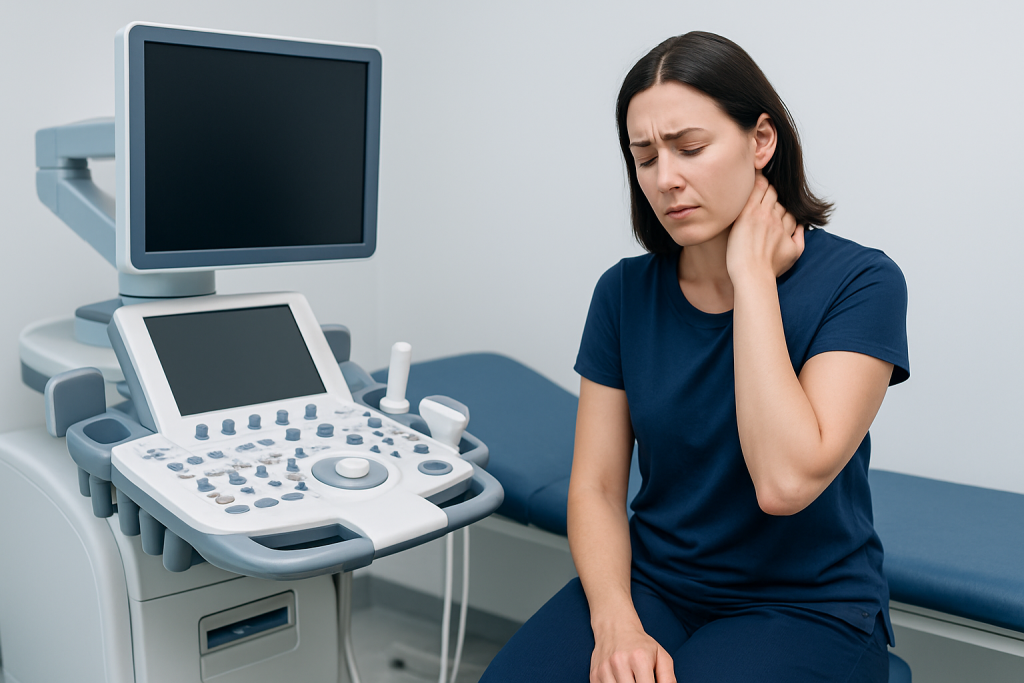
Body aches can feel different from person to person. Some describe soreness or heaviness, while others notice stiffness, tenderness to touch, or a deep “all over” discomfort. The pain may be mild enough to ignore during the day or strong enough to make getting out of bed, climbing stairs, or turning the neck uncomfortable.
Common patterns include aches that are widespread during a viral illness, soreness in specific muscle groups after exercise or physical work, or joint-centered pain with stiffness after rest. Some people also notice fatigue, headache, low-grade fever, chills, reduced appetite, or difficulty sleeping, which can offer clues to the underlying cause.
- Generalized muscle soreness
- Joint stiffness or swelling
- Fatigue or low energy
- Headache or fever
- Difficulty moving comfortably
Symptoms that develop suddenly, keep worsening, or occur with weakness, numbness, shortness of breath, or chest discomfort deserve prompt medical attention. The combination of symptoms is often more informative than the ache itself.
Causes & Risk Factors

Temporary body aches are often linked to common, reversible triggers. Viral infections are a major reason, especially when aches appear with fever, cough, congestion, sore throat, or a general sense of being unwell. Overexertion, unusual exercise, lifting strain, dehydration, and sleep deprivation can also make muscles feel tender and heavy.
Stress and anxiety may contribute as well. When the body stays tense for long periods, muscles can remain contracted and sore, especially in the neck, shoulders, jaw, and back. In some people, body aches may also be related to medication side effects, vitamin deficiencies, thyroid disorders, inflammatory conditions, or chronic pain syndromes.
Risk factors often depend on the cause. A recent infection, intense physical activity, heavy labor, autoimmune disease, advancing age, and poor recovery after illness can all make body aches more likely. Travel can add another layer: long flights, interrupted sleep, unfamiliar exercise routines, and exposure to new infections may all play a role.
Less commonly, body aches may signal a more serious issue such as a bacterial infection, nerve problem, or muscle breakdown. This is why persistent pain that does not match a clear explanation should not be dismissed.
Diagnosis
Doctors usually begin by asking where the pain is, when it started, and what makes it better or worse. They may also ask about recent illness, injuries, travel, vaccination, new medicines, exercise changes, sleep, stress, and any history of autoimmune, endocrine, or neurological conditions.
A physical examination helps determine whether the ache seems to come from muscles, joints, nerves, or another source. Depending on the findings, the evaluation may include blood tests to look for inflammation, infection, anemia, thyroid problems, muscle injury, or other metabolic causes. If joint swelling, weakness, or other specific signs are present, additional testing may be recommended.
Imaging is not always needed for body aches, but it may be useful if there is concern about injury, arthritis, spinal problems, or an internal cause of pain. The goal is not simply to name the symptom, but to understand the pattern well enough to choose the right treatment and avoid unnecessary medication use.
Treatment Options
Treatment depends on the cause, and in many mild cases the body improves with simple supportive care. Rest can help after exertion or a viral illness, but gentle movement is often better than complete immobility, especially if the aches are related to stiffness. Hydration, balanced meals, and adequate sleep support recovery as well.
Home comfort measures may include warm showers, heating pads, cool compresses, stretching, and pacing daily activity. Over-the-counter pain relievers may be appropriate for some adults, but they should be used carefully and only as directed on the package or by a doctor, especially in people with stomach, kidney, liver, or heart concerns.
If an infection, inflammatory condition, hormonal issue, or medication side effect is identified, treatment is aimed at the cause rather than just the pain. That may involve antiviral or antibiotic therapy in selected cases, changes in medication, physical therapy, or specialist follow-up. For travelers receiving care abroad, physicians often provide a clear written plan for continued treatment and follow-up after returning home.
When body aches are part of a chronic condition, a longer-term strategy may be helpful. This can include rehabilitation, posture and strengthening work, sleep support, stress management, and regular monitoring to track whether symptoms are improving or changing.
Prevention & Self-care
Not every episode of body aches can be prevented, but several habits can lower the chance of recurring discomfort. Gradually increasing exercise rather than jumping into a strenuous routine helps muscles adapt. Staying hydrated, especially during illness, hot weather, or travel, also supports normal muscle function.
Good sleep routines matter more than many people realize. Inadequate sleep can heighten pain sensitivity and slow recovery. Managing stress through breathing exercises, regular movement, or other calming routines may reduce muscle tension that builds over time.
- Warm up before exercise and cool down afterward
- Take breaks during long periods of sitting or standing
- Use proper lifting and posture techniques
- Prioritize sleep and hydration during travel or illness
- Seek care early for lingering infections or unexplained fatigue
If the aches are related to an ongoing medical condition, keeping follow-up appointments and noting symptom patterns can help a doctor adjust the plan sooner. Small changes, tracked over time, often reveal triggers that are not obvious at first glance.
When to See a Doctor
Medical evaluation is a good idea when body aches last more than a few days without a clear reason, keep returning, or are strong enough to disrupt walking, working, or sleeping. It is also sensible to seek care if the pain begins after a new medicine, a recent infection, a significant injury, or a long trip that involved unusual exertion or dehydration.
Some symptoms call for more prompt attention. These include fever that does not settle, shortness of breath, chest pain, confusion, rash, swelling, severe weakness, numbness, or pain that is focused in one area and worsening. In those situations, the goal is to rule out a problem that needs timely treatment rather than waiting for the aches to pass.
For international patients who prefer coordinated evaluation in one setting, Acibadem Health Point’s multidisciplinary specialists and JCI-accredited hospitals can help diagnose and treat body aches when a more detailed workup is needed. A doctor can also advise whether the best next step is primary care, rehabilitation, or a specialist consultation.
Frequently asked questions
01Are body aches always caused by the flu or another infection?
No. Infections are a common cause, but body aches can also come from exercise, dehydration, stress, poor sleep, medication effects, and chronic medical conditions. The surrounding symptoms and the duration of the pain usually help identify the cause.
02What can someone do at home for mild body aches?
Rest, hydration, gentle stretching, and warm or cool compresses are often helpful. It is usually better to resume light movement as tolerated than to stay completely still for long periods. If an over-the-counter pain reliever is being considered, it should be used according to the label and with attention to personal medical conditions.
03When are body aches considered serious?
They are more concerning when they are severe, persistent, one-sided, or linked to fever, weakness, swelling, rash, shortness of breath, chest pain, or confusion. Those features may suggest a condition that needs medical evaluation rather than simple self-care.
04Can stress really cause the whole body to ache?
Yes. Ongoing stress can keep muscles tense and may also increase pain sensitivity, making aches feel more widespread. Stress-related discomfort is common, but other causes should still be considered if the symptoms are new or ongoing.
05Should body aches after travel be checked by a doctor?
Sometimes, especially if the aches are paired with fever, unusual fatigue, digestive symptoms, cough, or a rash. Travel can expose someone to infections, dehydration, and sleep disruption, so a doctor may want to review the full travel history.
06How do doctors figure out the cause of body aches?
They start with questions about the pattern of pain, recent activities, illnesses, medicines, and other symptoms, then do a physical examination. Blood tests or imaging may be added if the history or exam suggests infection, inflammation, injury, or another specific condition.
This article is for general information only and is not a substitute for professional medical advice. Please consult a qualified doctor about your individual situation.
Joint and spine care in Turkey — expert assessment & treatment
JCI-accredited · board-certified surgeons · reply within 24h
Add us as a Preferred Source to see more of our trusted health content across Google Search, AI Overviews and Discover.



How can we help you today?
Meet an Acibadem specialist by secure video, before you travel.
Book a video visit