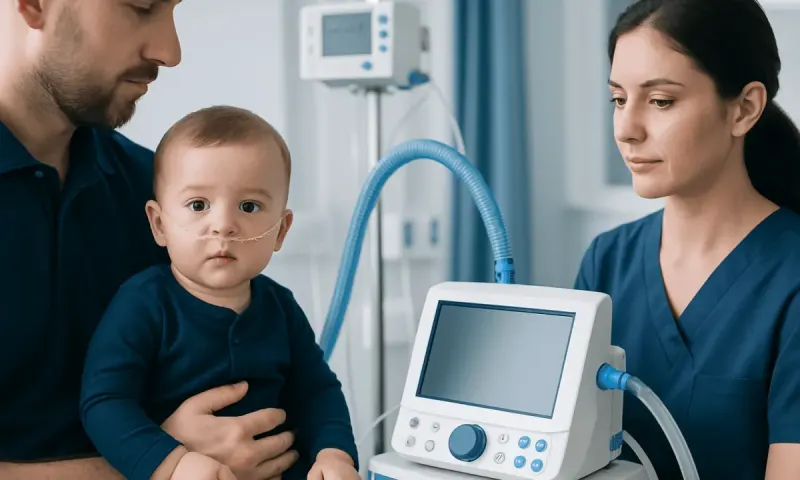
Blue Lips in Infants: When Urgent Care Is Needed
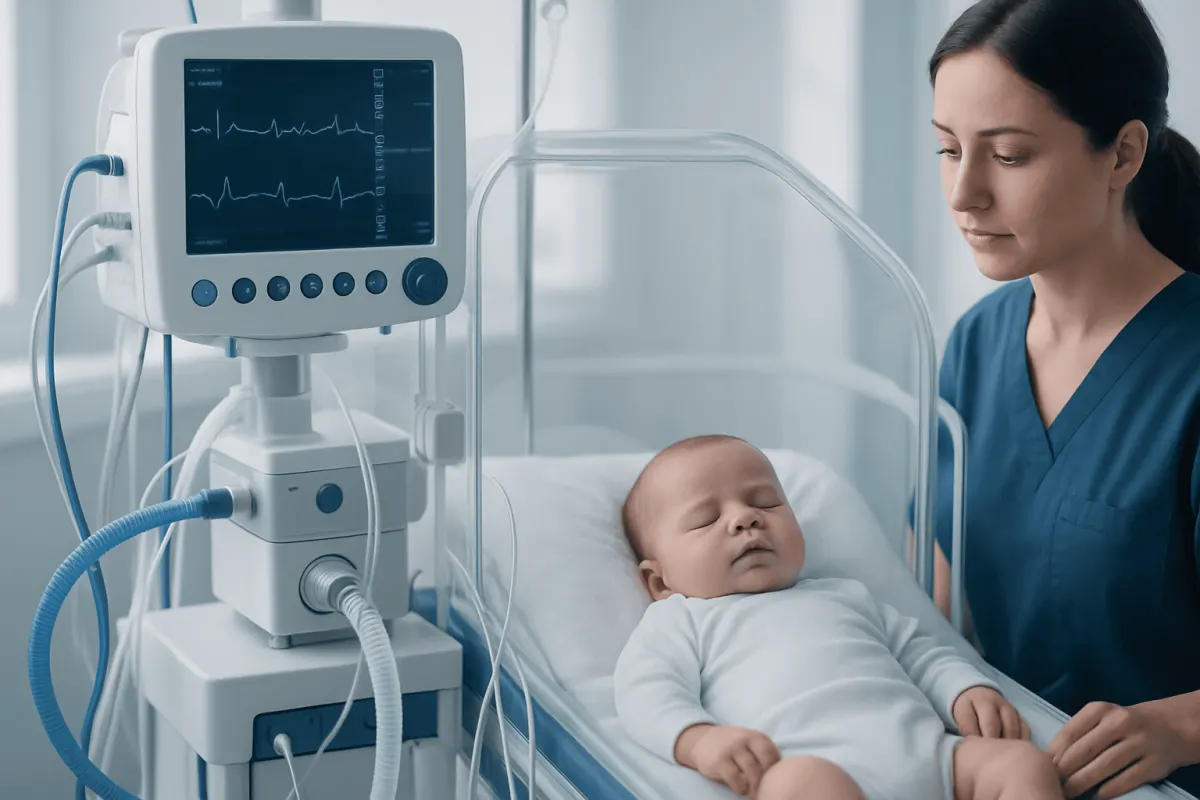
Blue lips in infants may be a temporary response to cold, particularly when only the skin around the mouth is affected. However, blue coloring of the lips, tongue, gums, or face can signal low oxygen levels and needs prompt medical assessment, especially when it occurs with breathing changes, poor feeding, or unusual sleepiness.
Overview: what blue lips can mean in an infant
Blue lips in infants are often described medically as cyanosis, a blue, gray, or dusky discoloration that can occur when blood contains less oxygen than usual or when circulation to the skin is reduced. The most important distinction is whether the blue color involves the moist areas inside the mouth, such as the tongue, gums, and inner lips. Blue coloring in these areas may reflect a problem affecting oxygen delivery and should be treated as urgent.
Not every bluish appearance means an infant has a serious illness. Newborns and young babies can briefly develop bluish hands, feet, or skin around the mouth when they are cold, crying intensely, or adjusting after a feed. This is often related to immature circulation and usually improves when the baby is calm and comfortably warm. It should not, however, be assumed to be harmless if the color persists, recurs without a clear reason, or is accompanied by other symptoms.
Parents and caregivers do not need to determine the exact cause at home. Their role is to notice the pattern, check how the baby is breathing and behaving, and seek timely medical care when warning signs are present. A phone photograph or video taken in good light can sometimes help a clinician understand what was seen, but it must never delay emergency care.
Central versus peripheral blue coloring
Clinicians often separate cyanosis into central and peripheral patterns. Central cyanosis involves the tongue, gums, inside of the mouth, or central face. It can occur when oxygen levels in the blood are low, such as with certain heart, lung, airway, or severe infection-related conditions. A baby with possible central cyanosis needs immediate medical assessment, particularly if the color does not quickly resolve.
Peripheral cyanosis usually affects the hands, feet, nail beds, or skin around the mouth while the tongue and gums remain pink. In newborns, this can occur when blood flow to the extremities temporarily slows in a cool environment. It may improve after removing wet clothing, adding an appropriate layer, and settling the baby in a comfortably warm room.
Lighting, skin tone, shadows, and food or dye stains can sometimes make lips appear darker or bluish. Looking at the tongue and gums in natural light can be more informative than judging the outer lips alone. If there is any uncertainty, especially in a very young infant, it is safer to contact a healthcare professional for advice.
Symptoms that may occur alongside blue lips

The appearance of blue lips is only one part of the assessment. Breathing changes are especially important. Concerning signs include fast breathing, repeated pauses in breathing, grunting, wheezing, nostrils widening with breaths, or skin pulling in between the ribs, below the ribs, or above the collarbones. An infant may also appear pale, gray, sweaty, unusually quiet, or difficult to wake.
Feeding behavior can provide useful clues. A baby who becomes breathless, tires quickly, sweats excessively, coughs repeatedly, or cannot finish usual feeds may need evaluation. Fewer wet diapers than expected, repeated vomiting, fever in a young infant, or signs of dehydration can also indicate that the child is unwell.
Caregivers should pay attention to whether the episode happened during sleep, feeding, crying, bathing, illness, or exposure to cold. They should note how long it lasted, whether it has happened before, and whether the tongue or gums changed color. These observations can support clinical evaluation, but persistent or severe symptoms should be managed as an emergency rather than monitored at home.
Possible causes and risk factors
Some infants develop a temporary bluish color because they are cold or because their circulation is still adapting after birth. This is more common in newborns, particularly during the first days of life. Color changes can also be noticed while crying or straining, when the skin around the mouth may look darker even though the tongue and gums remain pink.
More significant causes may involve the lungs or airways. Examples include bronchiolitis, pneumonia, severe wheezing, aspiration, or an airway obstruction. Premature babies and infants with a history of breathing difficulties may be more vulnerable to changes in oxygen levels. Infections can also make an infant breathe faster, feed poorly, and appear less alert.
Some babies are born with structural heart differences, including certain forms of congenital heart disease, that affect how blood moves through the heart and lungs. These conditions may cause blue coloring, poor feeding, slow growth, rapid breathing, or fatigue. Blood disorders and rare metabolic conditions may also alter color or oxygen transport. A professional assessment is needed because the visible color alone cannot identify the cause.
Risk may be higher when an infant was born prematurely, has a known heart or lung condition, has recently been ill, or has been exposed to smoke or respiratory irritants. Avoiding tobacco smoke and vaping aerosols around babies is an important protective measure for respiratory health.
How doctors evaluate blue lips in infants
A clinician will first assess the infant’s breathing effort, alertness, temperature, heart rate, circulation, and feeding history. They may inspect the mouth and skin, listen to the heart and lungs, and ask when the color change began and what was happening at the time. The examination is tailored to the baby’s age and current condition.
A small sensor placed on the hand or foot, called pulse oximetry, may be used to estimate oxygen saturation. Depending on the findings, clinicians may request blood tests, a chest X-ray, viral testing, an electrocardiogram, or an echocardiogram, which uses sound waves to examine the heart. These tests are not needed for every infant, but they can help clarify whether the concern is related to breathing, circulation, infection, or another cause.
For a newborn, clinicians may also consider normal transitional circulation after birth as well as conditions that require early treatment. Prompt assessment is valuable because infants can change condition quickly and may not show the same symptoms as older children. Parents should share any pregnancy, birth, newborn screening, premature birth, or previous hospital history that may be relevant.
Treatment and safe care at home
Treatment depends entirely on the underlying cause. If an infant has low oxygen levels or breathing difficulty, care may include oxygen, airway support, treatment for an infection, fluids, or monitoring in hospital. Infants with a heart-related cause may need assessment by pediatric cardiology specialists and a treatment plan suited to the specific heart condition.
When a clinician confirms that a baby’s bluish hands, feet, or skin around the mouth are related to mild cold exposure, gentle warming and observation may be appropriate. The baby should be dressed comfortably for the environment, with wet clothing removed promptly. Overheating should be avoided, and infants should not be placed near direct heat sources, heating pads, hot water bottles, or very hot baths.
Caregivers should not give medication, use oxygen equipment, or attempt to treat possible breathing problems at home unless this has been specifically prescribed and explained by the infant’s medical team. If the baby seems unwell, it is important not to delay assessment while trying repeated home measures. At Acıbadem Health Point, multidisciplinary specialists in JCI-accredited hospitals assess heart, lung, and newborn conditions for international patients when specialist evaluation is needed.
When to seek medical care
Seek emergency medical help immediately if an infant has blue, gray, or dusky tongue, gums, or inner lips; difficulty breathing; pauses in breathing; limpness; marked sleepiness; poor responsiveness; choking; or a sudden major change in color. Emergency care is also needed when blue coloring follows a possible choking event or occurs with severe illness, repeated vomiting, or a seizure.
Contact a pediatric clinician promptly if blue coloring keeps returning, does not improve after the baby is calm and comfortably warm, occurs during feeds, or is associated with poor feeding, sweating, fever, cough, wheeze, or fewer wet diapers. For infants younger than three months, fever or a significant change in behavior deserves especially timely medical advice.
While waiting for help, keep the infant in a safe position, observe breathing, and avoid placing anything in the mouth unless a trained professional has instructed otherwise. If there is concern about choking and the caregiver knows infant first aid, they should follow established emergency first-aid guidance while arranging urgent help. A baby who is not breathing normally or is unresponsive requires emergency services immediately.
Frequently asked questions
01Can cold weather cause blue lips in infants?
Cold exposure can temporarily make an infant’s hands, feet, or skin around the mouth look bluish because circulation to the skin decreases. The tongue and gums should remain pink. If the inside of the mouth looks blue, or the infant seems unwell, urgent medical assessment is needed.
02Is blue around a baby's mouth always an emergency?
Not always. A brief bluish appearance only in the skin around the mouth can happen with crying, cold exposure, or normal circulation changes in young babies. It should be evaluated urgently if the lips, tongue, or gums are blue or if there are breathing, feeding, or alertness changes.
03What should a parent do if their baby's lips turn blue during feeding?
The feeding should be stopped and the baby’s breathing, color, and responsiveness should be checked. Blue coloring during feeds can be associated with breathing, swallowing, or heart-related concerns and should be discussed with a pediatric clinician promptly. Emergency help is needed if the baby has central blue coloring, breathing difficulty, choking, or reduced responsiveness.
04Can a pulse oximeter diagnose the cause of blue lips in infants?
A pulse oximeter can provide useful information about estimated oxygen saturation, but it cannot identify the cause of a color change on its own. Readings may also be inaccurate if the sensor is poorly positioned or the baby is moving. A clinician interprets oxygen readings together with the baby’s examination and medical history.
05Can congenital heart disease cause blue lips in infants?
Some forms of congenital heart disease can reduce oxygen delivery to the body and cause central cyanosis. Other possible signs include rapid breathing, tiring during feeds, sweating with feeds, or poor weight gain. Not all heart conditions cause blue coloring, so assessment is needed to determine the reason.
06Should parents wait to see if blue lips go away?
Parents should not wait if the tongue, gums, or inner lips are blue, or if the baby has any breathing difficulty, unusual sleepiness, limpness, or poor responsiveness. A brief color change limited to the outer skin around the mouth in an otherwise well, warm baby may be less concerning, but recurrent or uncertain episodes should still be discussed with a healthcare professional.
This article is for general information only and is not a substitute for professional medical advice. Please consult a qualified doctor about your individual situation.
Explore treatments in Turkey — costs, top hospitals & a free quote
JCI-accredited · board-certified surgeons · reply within 24h
Add us as a Preferred Source to see more of our trusted health content across Google Search, AI Overviews and Discover.