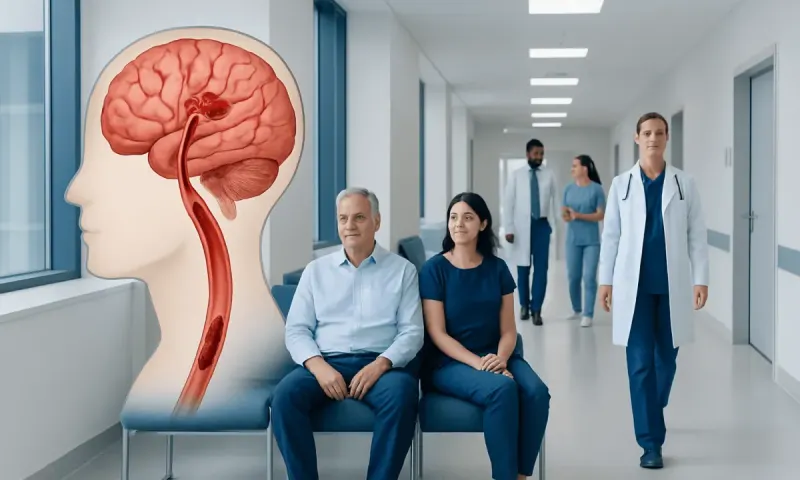
How the Blood Brain Barrier Protects and Supplies the Brain
Ever wondered why some medicines work well everywhere in the body but barely touch the brain? The answer lies in a highly selective protective layer called the blood brain barrier. It keeps harmful substances out of the brain while letting essential nutrients through.
Understanding how it works can help explain why some brain diseases develop, why certain medicines struggle to reach the brain, and when it is important to get checked.
Overview: what the blood brain barrier is
The blood brain barrier is the brain’s natural protective filter. It is formed by tightly joined cells lining tiny blood vessels in the brain, supported by nearby cells and specialized structures. Together, they help control which substances can move from the bloodstream into brain tissue.
This system is essential because the brain needs a very stable environment to function properly. Oxygen, water, and selected nutrients must enter in carefully regulated amounts, while many toxins, germs, and large molecules are blocked or limited. In simple terms, the blood brain barrier protects the brain while also supplying it.
Think of it as a living gate rather than a solid wall. It responds constantly to signals from the body and the brain, and it can become more or less permeable depending on the circumstances. That matters in both health and disease.
Why the blood brain barrier matters
The brain has limited ability to tolerate sudden chemical changes. Even small shifts in salts, immune activity, or fluid balance can affect nerve signaling. The blood brain barrier helps prevent these changes by carefully regulating transport between the blood and the central nervous system.
Its protective role extends beyond blocking harmful substances. It also helps remove waste products, supports communication between blood vessels and brain cells, and participates in immune regulation. That is why doctors now see the barrier as an active part of brain health, not just a passive shield.
The barrier is also highly relevant in medicine. Some drugs cannot cross it easily, which can make brain disorders more difficult to treat. At the same time, when the barrier becomes disrupted, unwanted substances can enter brain tissue and contribute to swelling, inflammation, or nerve cell injury.
Researchers continue to study the blood brain barrier in relation to stroke, dementia, infections, autoimmune disease, epilepsy, and brain tumors. It is especially important in conditions such as brain tumors and stroke, where barrier dysfunction can influence both symptoms and treatment planning.
How it works: structure and function

The main building blocks of the blood brain barrier are endothelial cells, which line brain capillaries. Unlike many blood vessels elsewhere in the body, these cells are linked by very tight junctions. These junctions reduce gaps between cells, making it harder for substances to leak through.
Other nearby cells also play key roles. Astrocytes, a type of supporting brain cell, help maintain barrier function. Pericytes help stabilize blood vessels and influence blood flow. The basement membrane provides structural support. Together, these parts form what is sometimes called the neurovascular unit.
Selected substances can still cross the barrier through specialized transport systems. For example, glucose, amino acids, and certain other nutrients enter through controlled pathways. Some small fat-soluble molecules may pass more easily, while many large proteins, bacteria, and immune cells are tightly restricted unless inflammation or injury changes the barrier.
This selectivity protects you, but it also makes treatment harder. Some important medications do not enter the brain well. In carefully selected cases, advanced care teams may use targeted approaches such as brain tumor treatment strategies or other specialized neurological therapies designed around how the barrier behaves.
What can disrupt the blood brain barrier
The blood brain barrier can be disrupted by many different medical conditions. Acute causes include head trauma, bleeding, severe high blood pressure, lack of oxygen, and infections affecting the brain or its surrounding tissues. In these situations, inflammation and vessel injury can make the barrier more permeable.
Chronic or progressive conditions may also affect the barrier over time. These include multiple sclerosis, some forms of dementia, epilepsy, diabetes-related vascular damage, and brain tumors. Inflammation, immune activation, and changes in the small blood vessels can all contribute.
Disruption does not always mean the barrier has completely failed. In many cases, it becomes only partially leaky or behaves abnormally in certain regions of the brain. Even so, small changes can matter because the brain is so sensitive to fluid shifts and inflammatory molecules.
Risk factors depend on the underlying problem but may include uncontrolled blood pressure, smoking, vascular disease, infections, autoimmune conditions, head injury, and older age. In some people, barrier changes are part of a broader neurological disorder rather than a separate disease on their own.
Signs and symptoms linked to blood brain barrier problems
The blood brain barrier itself does not cause a unique set of symptoms that can be felt directly. Instead, symptoms come from the condition affecting the brain and the consequences of inflammation, swelling, or altered nerve function. Because of this, symptoms can vary widely.
Possible symptoms may include headache, confusion, weakness, numbness, balance problems, seizures, memory changes, speech difficulty, vision changes, fever, or altered consciousness. Symptoms may develop suddenly, as in stroke or infection, or gradually, as in some inflammatory or degenerative disorders.
Emergency warning signs include sudden one-sided weakness, facial drooping, trouble speaking, seizure, fainting, severe confusion, or a sudden severe headache. These symptoms require urgent medical attention because they may point to a serious neurological event rather than a blood brain barrier problem alone.
- Sudden difficulty speaking or understanding speech
- New weakness or numbness in the face, arm, or leg
- Seizure or loss of consciousness
- High fever with confusion, stiff neck, or severe headache
- Persistent vomiting, severe dizziness, or worsening drowsiness
How doctors evaluate blood brain barrier dysfunction
Doctors usually assess the underlying neurological condition rather than trying to diagnose “blood brain barrier damage” as a standalone problem. Evaluation often begins with a detailed history, symptom review, and neurological examination. The timing of symptoms and associated features help guide next steps.
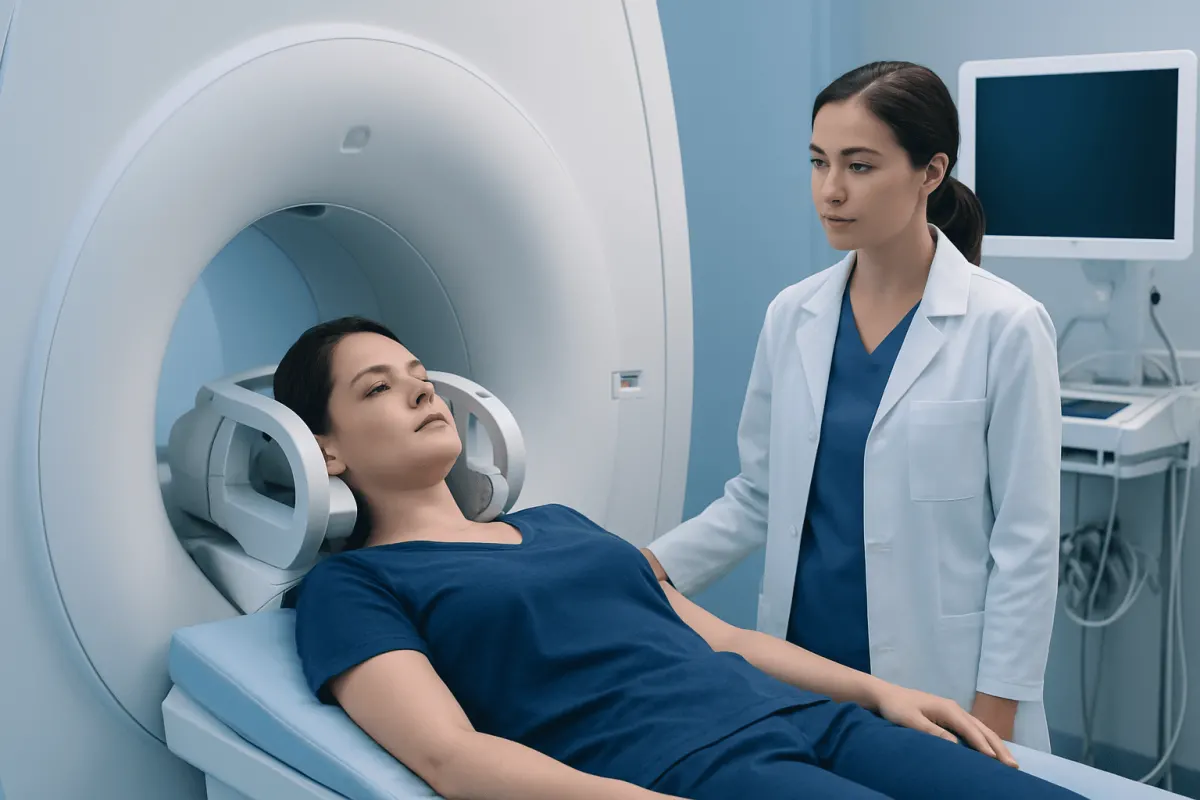
Brain imaging is commonly used. Magnetic resonance imaging can show inflammation, swelling, stroke, tumors, or areas where contrast leakage suggests barrier disruption. Computed tomography may be used urgently, especially when bleeding, trauma, or stroke is suspected. In some cases, more advanced imaging or vascular studies are recommended.
Laboratory testing may include blood tests to look for infection, inflammation, autoimmune activity, or metabolic problems. If appropriate, doctors may also examine cerebrospinal fluid through lumbar puncture to look for infection, immune changes, or other neurological disease markers. Testing is individualized based on the person’s symptoms and overall health.
When a structural lesion is suspected, the care pathway may involve neurology, neurosurgery, neuroradiology, or oncology specialists. For example, evaluation of brain aneurysm or tumor-related findings may require coordinated imaging and specialist review to understand the effect on nearby brain tissue and blood vessels.
Treatment and medical management
There is usually no single medicine given simply to “fix” the blood brain barrier. Treatment focuses on the cause of disruption and on protecting the brain from further injury. This may include controlling blood pressure, treating infection, reducing inflammation, managing seizures, restoring blood flow after stroke, or addressing a tumor or autoimmune disorder.
In some conditions, doctors may use corticosteroids or other anti-inflammatory therapies to reduce swelling around the brain. Infections require prompt antimicrobial treatment. Stroke care may involve time-sensitive emergency therapies and rehabilitation. Tumors may require a combination of surgery, radiation, and medical oncology approaches depending on the diagnosis.
When surgery is needed, planning often takes the blood brain barrier into account because it affects imaging findings, swelling, and medication delivery. Depending on the condition, specialists may discuss options such as neurosurgery or targeted neurological care. Recovery and outlook depend primarily on the underlying disease, how quickly treatment begins, and the overall extent of brain involvement.
If you are travelling from abroad for a complex neurological problem, Acıbadem Health Point’s specialist teams work across JCI-accredited hospitals, bringing imaging, neurology, neurosurgery, and rehabilitation together in one coordinated plan.
Brain health, prevention, and when to seek medical care
There is no guaranteed way to “strengthen” the blood brain barrier directly through a single supplement or lifestyle habit. However, general vascular and neurological health measures may help support the blood vessels and metabolic balance on which the barrier depends. These include controlling blood pressure, managing diabetes, avoiding smoking, staying physically active, sleeping well, and following treatment plans for chronic conditions.
Preventing head injury is also important. Wearing seat belts, using appropriate sports protection, reducing fall risk, and seeking prompt care after significant head trauma can lower the chance of brain injury that may affect the barrier. Vaccination, hand hygiene, and early treatment of serious infections can also help reduce neurological complications.
Medical care should be sought urgently for sudden neurological symptoms such as weakness, speech problems, seizure, severe confusion, loss of consciousness, or a sudden severe headache. Non-urgent medical review is appropriate for ongoing memory changes, persistent headaches, repeated balance problems, or gradual changes in thinking or behavior.
If you have new or unexplained neurological symptoms, see a qualified clinician. Changes in the barrier are usually a sign of another condition, so getting the diagnosis right and early matters far more than trying to treat the barrier yourself.
Frequently asked questions
01What is the blood brain barrier in simple terms?
The blood brain barrier is a protective filtering system between the bloodstream and the brain. It allows essential nutrients to enter while limiting many harmful substances, germs, and toxins.
02Can the blood brain barrier be damaged?
Yes. It can become disrupted in conditions such as stroke, infection, inflammation, trauma, high blood pressure, and brain tumors. In most cases, this disruption is part of an underlying medical condition rather than a separate disease.
03What symptoms happen when the blood brain barrier is disrupted?
There is no single symptom specific only to blood brain barrier dysfunction. Symptoms usually come from the brain condition involved and may include headache, confusion, weakness, seizures, balance problems, or changes in thinking.
04Can doctors test the blood brain barrier?
Doctors usually evaluate it indirectly through brain imaging, neurological examination, and tests for the underlying cause. MRI with contrast, blood tests, and sometimes cerebrospinal fluid analysis can help show whether there is inflammation, leakage, or brain injury.
05Can medications cross the blood brain barrier?
Some can, but many cannot cross easily. This is one reason certain neurological conditions can be challenging to treat, and why specialists sometimes choose treatments based on how well drugs reach the brain.
06How can someone support blood brain barrier health?
The best approach is to support overall brain and blood vessel health. Managing blood pressure, diabetes, sleep, exercise, smoking, and infection risk may help protect the systems that keep the barrier working well.
This article is for general information only and is not a substitute for professional medical advice. Please consult a qualified doctor about your individual situation.
Explore treatments in Turkey — costs, top hospitals & a free quote
JCI-accredited · board-certified surgeons · reply within 24h
Add us as a Preferred Source to see more of our trusted health content across Google Search, AI Overviews and Discover.