Bladder Cancer Diagnosis: Tests Used to Confirm It
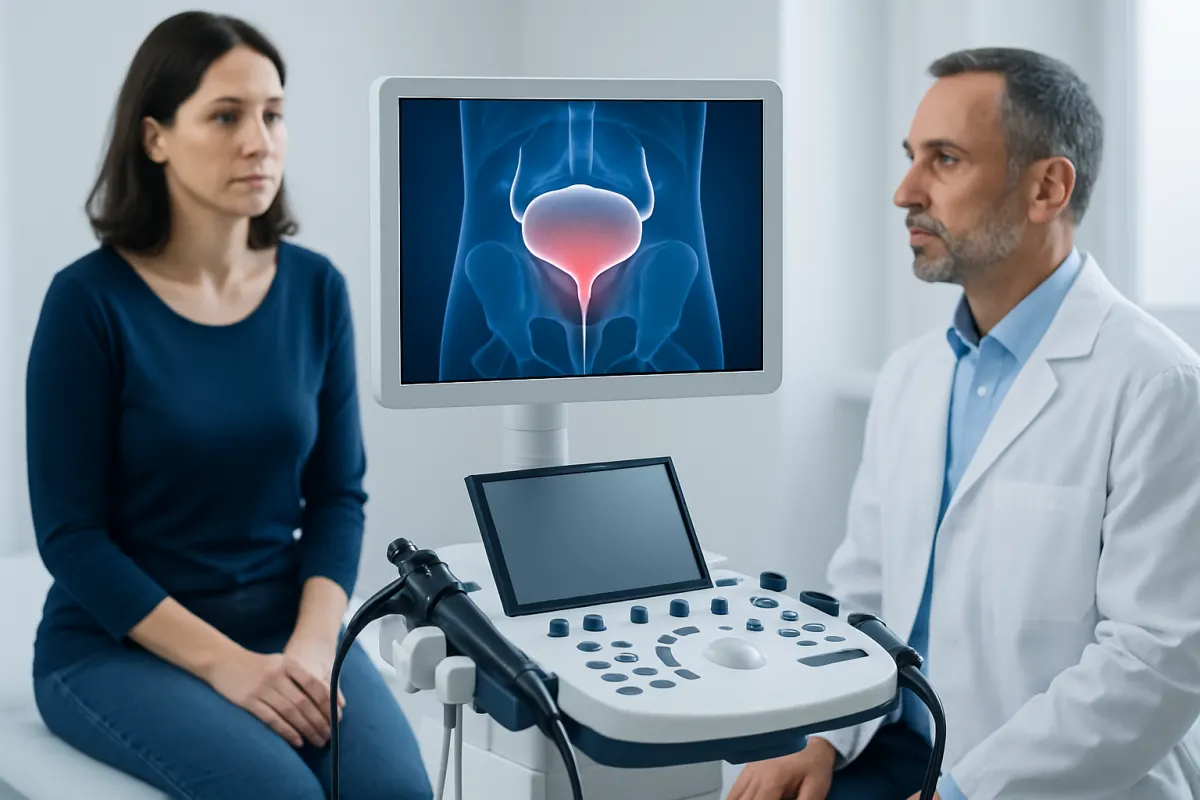
Bladder Prostate Cancer Diagnosis: Tests and Next Steps" class="ahp-ilk">cancer diagnosis typically starts with evaluating symptoms such as blood in the urine and may include urine testing, imaging, cystoscopy and biopsy. These steps help the care team identify whether cancer is present, how deeply it has grown and which treatment approach may be appropriate.
Overview: How Bladder Cancer Is Diagnosed
Bladder cancer diagnosis is a step-by-step process that confirms whether abnormal cells are present in the bladder and, if they are, identifies their type, grade and extent. It commonly includes a medical history, urine testing, cystoscopy, imaging and removal of a small tissue sample for laboratory examination.
Blood in the urine, called hematuria, is one of the most common signs prompting evaluation. It can be visible or found only on a urine test, and it does not always mean cancer. Infection, urinary stones, kidney conditions, medicines and other conditions can also cause hematuria, so a careful assessment is important.
The diagnostic pathway is tailored to the person’s symptoms, age, medical history and test findings. A urologist usually leads this assessment and may work with radiologists, pathologists and oncology specialists if cancer is confirmed.
Symptoms and Situations That May Lead to Testing
Blood in the urine may appear pink, red or tea-colored, or may be detected only with laboratory testing. Even when it happens once and then stops, it should be discussed with a doctor. Painless visible blood in the urine deserves timely medical assessment, particularly in adults.
Other possible symptoms include needing to urinate more often, urgency, burning or discomfort during urination, difficulty passing urine, pelvic discomfort, or repeated urinary tract infection-like symptoms without a clear infection. These symptoms are common in non-cancerous urinary conditions as well, including infection or an enlarged prostate.
Bladder cancer may also be discovered while investigating another urinary problem. In some cases, a bladder abnormality is noticed during imaging or a procedure performed for prostate disease. When bladder cancer is diagnosed during prostate surgery, tissue review, cystoscopy and appropriate staging tests may still be needed to clarify the origin and extent of the finding.
Tests Used for Bladder Cancer Diagnosis

A clinician generally begins by asking about urinary symptoms, smoking history, workplace chemical exposure, prior pelvic radiation, medications and family history. Physical examination and basic urine testing can help identify infection, bleeding and other potential explanations for symptoms.
Urinalysis checks for blood and signs of infection. Urine cytology examines shed cells under a microscope and can be particularly useful for detecting some high-grade cancers, although a normal result cannot rule out bladder cancer. Some urinary marker tests may be used in selected circumstances, but they do not replace cystoscopy.
Cystoscopy is a procedure in which a urologist passes a thin, flexible camera through the urethra to view the bladder lining. It is often performed with local anesthetic in an outpatient setting. It can reveal growths, areas of inflammation, stones or other changes that may need sampling.
Imaging may include a CT urogram, which examines the kidneys, ureters and bladder, or other scans when CT is not suitable. Imaging helps look for causes of bleeding, assess the upper urinary tract and, after cancer is confirmed, evaluate whether disease may have extended beyond the bladder.
Biopsy, TURBT and Understanding the Results
If cystoscopy shows a suspicious area, the urologist usually removes or samples it through a procedure called transurethral resection of bladder tumor (TURBT). A narrow instrument is passed through the urethra, so there is no external incision. TURBT can both establish the diagnosis and remove visible tumors in many early bladder cancers.
A pathologist examines the tissue to determine whether cancer is present. The report describes the cell type, most commonly urothelial carcinoma, and the grade. Low-grade tumors tend to have cells that look more like typical bladder cells, while high-grade tumors are more abnormal and are more likely to behave aggressively.
The report also assesses how far the tumor has grown into the bladder wall. Non-muscle-invasive bladder cancer is limited to the inner lining or connective tissue beneath it. Muscle-invasive bladder cancer has reached the bladder muscle and usually requires more extensive evaluation and treatment planning.
Additional imaging, blood tests or selected scans may be recommended to stage confirmed cancer. Results are considered together rather than in isolation, because treatment decisions depend on tumor stage, grade, number, size, location, recurrence history and a person’s overall health.
What Happens After a Bladder Cancer Diagnosis?
After a bladder cancer diagnosis, the care team reviews the pathology and staging information to explain the cancer type, grade and stage. People may be referred to a urologic oncologist or a multidisciplinary team that includes urology, medical oncology, radiation oncology, radiology and pathology specialists.
For non-muscle-invasive disease, TURBT may be followed by bladder-based treatment, such as medication placed directly into the bladder, and scheduled cystoscopies to monitor for recurrence. For muscle-invasive disease, treatment may involve surgery to remove the bladder, chemotherapy, radiation therapy with chemotherapy in selected cases, immunotherapy or a combination of approaches. Bladder cancer information can help patients understand the disease and treatment planning process.
It is reasonable to ask for a clear copy of the pathology report, the cancer stage, the purpose of each recommended test, potential benefits and side effects, and the expected follow-up schedule. A second pathology review or second opinion may be helpful in some situations, especially before major treatment decisions.
Recovery After Diagnostic Procedures and Treatment
Bladder cancer recovery time varies greatly depending on what was done. After an office cystoscopy, many people return to routine activities the same day or the following day. Mild burning with urination, urinary frequency or a small amount of blood in the urine can occur briefly; drinking fluids if medically appropriate may help.
After TURBT, recovery often takes longer because tissue has been removed. Temporary burning, urgency, fatigue and blood in the urine may occur, and a clinician may advise avoiding strenuous activity for a period of time. The care team should be contacted promptly for heavy bleeding, inability to pass urine, fever, worsening pain or symptoms that do not improve as expected.
Bladder cancer treatment recovery time after bladder removal, chemotherapy, radiation or immunotherapy is more individualized. Recovery depends on the treatment plan, other health conditions and whether urinary reconstruction was needed. A person’s bladder cancer recovery rate cannot be described by one number, as outcomes vary substantially according to stage, grade, treatment response and follow-up care.
Acıbadem Health Point’s multidisciplinary specialists and JCI-accredited hospitals support diagnosis and treatment planning for international patients with bladder cancer.
Can Bladder Cancer Come Back?
Yes. Bladder cancer can come back after treatment, particularly non-muscle-invasive bladder cancer. Recurrence may occur in the bladder or, less commonly, elsewhere in the urinary tract. The possibility of recurrence is one reason regular surveillance is an essential part of care.
Follow-up commonly includes cystoscopy at intervals determined by the original tumor’s risk features. Urine cytology, urine tests, imaging and additional procedures may also be used when appropriate. The schedule is not identical for everyone: tumors that are low grade and low risk may require less intensive monitoring than high-grade, multiple or recurrent tumors.
Keeping follow-up appointments is important even when there are no symptoms. Patients should also report new blood in the urine, persistent urinary changes or unexplained pelvic symptoms rather than waiting until the next scheduled visit.
How Long Can You Have Bladder Cancer Without Knowing?
There is no reliable way to estimate how long an individual can have bladder cancer without knowing it. Some bladder tumors grow slowly and may cause little or no noticeable change for a period of time, while others can grow or spread more quickly. Symptoms alone cannot determine the cancer’s stage or how long it has been present.
Early bladder cancer may be detected after a urine test finds microscopic blood, before a person notices symptoms. Conversely, visible blood may occur intermittently, so it should not be ignored simply because it goes away. Prompt evaluation is the safest way to identify the cause.
Regular population-wide screening for bladder cancer is not currently recommended for people at average risk. However, people with blood in the urine or ongoing urinary symptoms should seek individualized medical advice, especially if they smoke now or in the past, have certain workplace exposures, or have a history of bladder cancer.
What Is the Life Expectancy for Untreated Bladder Cancer?
Life expectancy for untreated bladder cancer cannot be predicted accurately for an individual. It depends on whether the cancer is non-muscle-invasive or muscle-invasive, its grade, whether it has spread, the person’s general health and the biology of the tumor. A doctor can provide more meaningful guidance after reviewing pathology and staging results.
Some low-risk superficial tumors may grow slowly, but they still need professional monitoring and treatment because they can recur or change over time. Muscle-invasive or metastatic bladder cancer can progress and may cause serious complications if not treated. Delaying assessment or treatment can reduce available options in some cases.
Anyone who is uncertain about recommended care should discuss concerns openly with the treating team. Supportive care can also help manage symptoms and maintain quality of life, whether it is provided alongside cancer treatment or when cancer-directed treatment is not chosen.
When to Seek Medical Care
Medical care should be sought promptly for visible blood in the urine, especially if it is painless, recurrent or accompanied by clots. A doctor should also assess blood detected on a urine test when there is no clear explanation, persistent burning with urination, unexplained urinary urgency or frequency, or recurring symptoms thought to be urinary infections.
Urgent medical attention is appropriate if a person cannot urinate, has large blood clots in the urine, develops fever with urinary symptoms, experiences severe flank or pelvic pain, or feels faint or unwell. These symptoms can have causes other than bladder cancer but require timely evaluation.
Stopping smoking, if relevant, is one practical step that supports overall urinary and cancer health. A doctor can recommend suitable smoking-cessation support and explain the appropriate investigations based on a person’s symptoms and medical history.
Frequently asked questions
01How is bladder cancer confirmed?
Bladder cancer is confirmed by examining tissue under a microscope. A urologist usually identifies a suspicious area with cystoscopy and removes or biopsies it during a transurethral resection procedure. The pathology report then establishes whether cancer is present and provides key information about grade and depth.
02Is cystoscopy painful?
Flexible cystoscopy is often done using local anesthetic gel and may cause pressure, brief discomfort or an urge to urinate. Some people have mild burning or frequency for a short time afterward. The care team can explain the type of cystoscopy planned and options for comfort or anesthesia.
03How long does it take to get bladder biopsy results?
Timing varies by hospital and by the complexity of the tissue assessment. Results are often discussed after the pathology laboratory has completed processing and specialist review. The treating team can provide the most accurate expected timeframe and arrange a follow-up appointment to explain the findings.
04Can a urine test diagnose bladder cancer?
A urine test can detect blood, infection and abnormal cells, but it usually cannot diagnose bladder cancer by itself. Urine cytology may detect certain cancers, especially high-grade disease, yet a normal result does not rule cancer out. Cystoscopy and tissue testing are generally needed for confirmation.
05What is the recovery time after TURBT?
Recovery after TURBT differs according to the size, number and location of tumors removed, as well as the person’s overall health. Mild blood in the urine, burning and urinary urgency may occur temporarily. The urology team will give individualized activity advice and explain symptoms that require prompt contact.
06Does bladder cancer always cause blood in the urine?
No. Blood in the urine is common in bladder cancer, but some people have other urinary symptoms or no noticeable symptoms. Also, blood in the urine has many non-cancerous causes. Any visible blood or unexplained persistent urinary symptom should be assessed by a qualified clinician.
This article is for general information only and is not a substitute for professional medical advice. Please consult a qualified doctor about your individual situation.
Oncology care in Turkey — second opinion and treatment plan
JCI-accredited · board-certified surgeons · reply within 24h
Add us as a Preferred Source to see more of our trusted health content across Google Search, AI Overviews and Discover.