Bilirubin Blood Test: What Low and High Levels Mean — and What to Do Next

Your blood test came back and the bilirubin number is flagged — should you worry? It depends on which direction it went. Low bilirubin is usually not medically significant. High bilirubin is a different story: it may suggest a problem with the liver, the bile ducts, or how fast your red blood cells are breaking down.
One thing to keep in mind: a bilirubin blood test is a single piece of the puzzle. The result makes the most sense when your doctor looks at it alongside your symptoms, your medical history, and other liver tests.
Overview: what bilirubin low and high levels usually mean
So what is bilirubin, exactly? It’s a substance your body makes when old red blood cells are broken down. Your liver processes it and clears it out through bile — which is why this one blood test can tell us a lot about liver function, bile flow, and how quickly your red blood cells are being destroyed.
In general, low bilirubin levels are usually not considered harmful by themselves and often do not need any specific treatment. High bilirubin levels are more clinically important because they can be linked to liver inflammation, bile duct blockage, inherited conditions such as Gilbert syndrome, or increased breakdown of red blood cells.
Don’t panic over one abnormal result — it doesn’t always mean serious illness. We interpret bilirubin alongside your symptoms, age, medicines, alcohol use, hydration, and other blood tests, especially liver function tests and a complete blood count.
What the bilirubin test measures
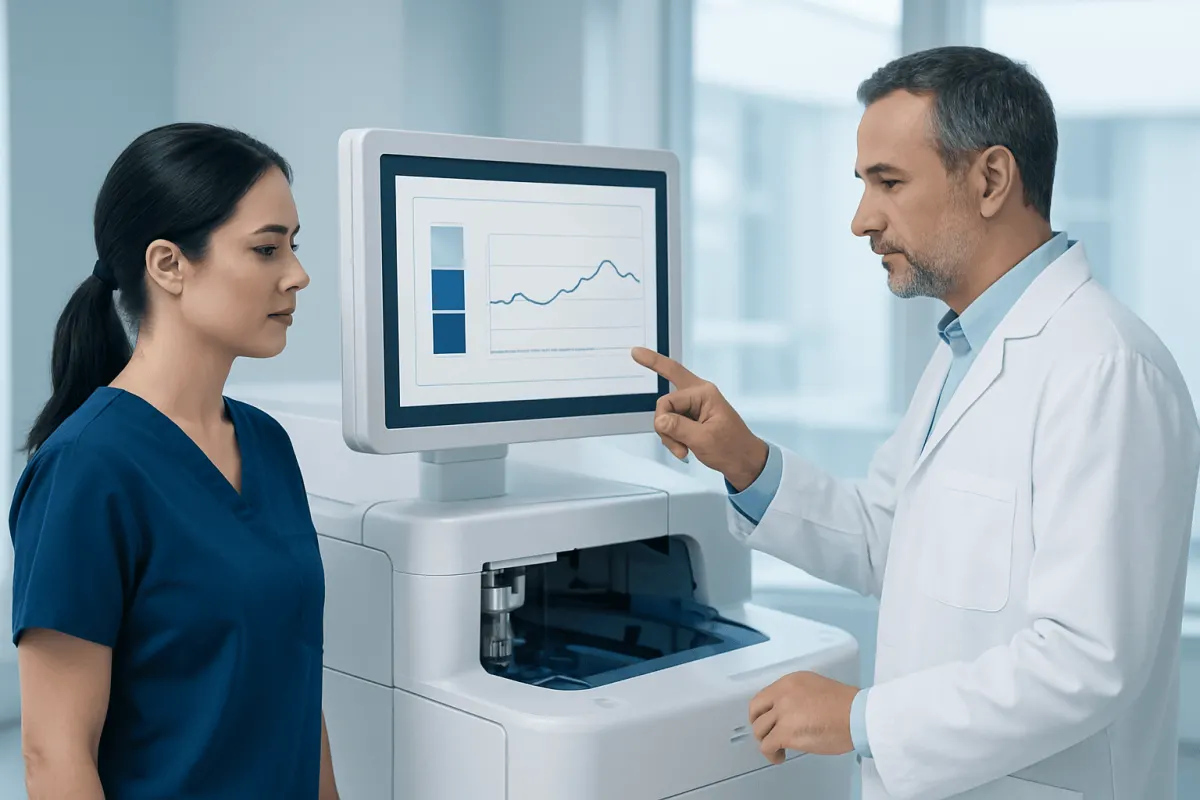
The bilirubin blood test measures the amount of bilirubin circulating in the blood. Laboratories may report total bilirubin alone or break it into direct bilirubin and indirect bilirubin. These values help clinicians understand whether bilirubin is building up before it reaches the liver, inside the liver, or after it leaves the liver through the bile ducts.
Indirect bilirubin, also called unconjugated bilirubin, is formed first when red blood cells are broken down. It travels to the liver, where it is changed into direct, or conjugated, bilirubin. Direct bilirubin then passes into bile and leaves the body mainly through the intestines.
Why does this distinction matter? Because different patterns point to different causes. Higher indirect bilirubin may show up with hemolysis or Gilbert syndrome. Higher direct bilirubin may point toward liver cell injury or blocked bile ducts — sometimes we need imaging or a procedure like ERCP to check bile drainage.
Normal bilirubin range and how to read the numbers

Reference ranges vary a little from lab to lab, so always read your report against that lab’s own range. For adults, a normal total bilirubin is often about 0.1 to 1.2 mg/dL — but exact cutoffs differ.
Many reports also list direct bilirubin and indirect bilirubin separately. The following table gives a typical adult reference guide, but it is not a substitute for a doctor’s interpretation.
- Total bilirubin: often about 0.1 to 1.2 mg/dL
- Direct bilirubin: often about 0.0 to 0.3 mg/dL
- Indirect bilirubin: commonly calculated from total minus direct bilirubin
Newborns and infants can have different expected bilirubin values, especially in the first days after birth. Bilirubin interpretation by age is important because temporary newborn jaundice is common, while similar numbers in an older child or adult may need a different workup.
A result just slightly outside the range may not mean disease at all — especially if you feel well and the other tests look fine. Often we simply repeat the test, or compare it with your previous results, before deciding what comes next.
Low bilirubin levels: causes, symptoms, and next steps
Low bilirubin is usually less medically concerning than high bilirubin. In many adults, a low or low-normal result has no symptoms and does not reflect an illness. It may simply represent normal biological variation or differences in testing methods between laboratories.
Some studies have explored associations between lower bilirubin and certain long-term health conditions, but these findings do not mean that a low bilirubin result itself is a disease that needs treatment. In day-to-day clinical care, doctors rarely focus on isolated low bilirubin unless there are other abnormal findings.
Low values may occasionally be influenced by recent medications, supplements, laboratory factors, or sample handling. Most people with low bilirubin do not have symptoms caused by the low level itself.
So what happens next? Usually, we look at the full picture rather than trying to ‘raise’ your bilirubin. If your other liver tests are normal and you have no symptoms, you may not need any treatment. If you have unexplained fatigue, weight loss, or abnormal blood counts, your doctor will look for another underlying issue — not the bilirubin number itself.
High bilirubin levels: causes, symptoms, and what to do next
High bilirubin can develop for several reasons, and doctors often group them into three broad categories: increased bilirubin production, reduced liver processing, or impaired bile flow. Increased production can happen when red blood cells break down faster than normal, known as hemolysis. Reduced processing may occur in hepatitis, cirrhosis, inherited conditions, or medication-related liver injury. Impaired bile flow can occur with gallstones, inflammation, strictures, or tumors affecting the bile ducts or pancreas.
Common symptoms of high bilirubin include jaundice, which is yellowing of the skin or whites of the eyes, dark urine, pale stools, itching, nausea, or upper abdominal discomfort. Some people have no symptoms, and the abnormality is found on routine blood work. When jaundice appears with fever, confusion, severe pain, vomiting, or worsening weakness, urgent medical assessment is important.
Doctors usually investigate high bilirubin with additional tests such as AST, ALT, alkaline phosphatase, gamma-glutamyl transferase, albumin, prothrombin time, and a complete blood count. Depending on the pattern, imaging may be needed to look for gallstones or blockage, and some patients may need evaluation for conditions such as hepatitis or gallstones.
Treatment depends on the cause, not just the bilirubin number. For example, management may involve treating hemolysis, stopping a medicine that is irritating the liver, managing viral or fatty liver disease, or relieving a blockage. In selected cases, doctors may use procedures such as endoscopic ultrasound or liver transplantation when advanced liver disease is present and appropriate.
How the test is done and what results are paired with it
A bilirubin test is usually done with a standard blood sample taken from a vein in the arm. The test is often part of a liver panel or Metabolic Panel: Uses and Results" class="ahp-ilk">comprehensive metabolic panel, especially when a person has jaundice, abdominal symptoms, abnormal liver enzymes, or a history of liver or gallbladder disease.
Preparation depends on the lab and the reason for testing. Some people may be asked to fast for a period beforehand, while others may not need special preparation. It is helpful to tell the clinician about all medicines, supplements, alcohol use, and any recent illness, because these factors can affect interpretation.
Bilirubin is rarely interpreted in isolation. Doctors usually review it alongside AST, ALT, alkaline phosphatase, albumin, and blood counts. This combination helps identify whether the issue is mainly related to the liver cells, bile ducts, or blood cell breakdown.
If results are borderline or unexpected, the doctor may repeat the test. Repeat testing can help distinguish a temporary fluctuation from a persistent pattern that needs more detailed evaluation.
Factors that can skew bilirubin results
Several everyday and medical factors can influence bilirubin results. Fasting, dehydration, vigorous exercise, alcohol use, intercurrent illness, and some prescription medicines may change bilirubin levels or affect how the body processes bilirubin. Certain antibiotics, hormonal medicines, and other drugs may also alter liver tests more broadly.
Inherited traits matter too. People with Gilbert syndrome may have mild, intermittent elevations in unconjugated bilirubin, especially during illness, stress, fasting, or lack of sleep. This condition is usually benign, but it can cause confusion if the result is viewed without the rest of the clinical picture.
Laboratory issues can also play a role. Problems with blood sample collection, transport, storage, or hemolysis in the sample tube may affect the reported result. That is one reason doctors may recommend repeating the test if the number does not match the symptoms or previous history.
With all these variables, trying to diagnose yourself from one bilirubin number can lead you astray. Bring the result to a qualified clinician — they can tell whether it reflects normal variation, a temporary trigger, or something that actually needs treatment.
When to seek medical care and practical self-care steps
Medical advice should be sought promptly if bilirubin is high and there is yellowing of the eyes or skin, dark urine, pale stools, fever, persistent vomiting, severe abdominal pain, marked itching, swelling, confusion, or unusual sleepiness. These symptoms may point to a problem involving the liver or bile ducts that should not be ignored.
For mild abnormalities without urgent symptoms, practical next steps include following up for repeat blood work, avoiding excess alcohol, reviewing medicines with a clinician, staying well hydrated, and not starting supplements promoted as “liver cleanses” without medical guidance. If there is a history of viral hepatitis, gallstones, anemia, or family liver conditions, sharing that history can help direct testing.
One honest note: self-care supports your liver, but it can’t replace a diagnosis. A balanced diet, regular meals, sensible weight management, vaccination when appropriate, and keeping conditions like diabetes under control all help — but treatment should always target the actual cause of the abnormal bilirubin.
For people seeking specialist evaluation, Acıbadem Health Point’s multidisciplinary teams in JCI-accredited hospitals assess liver, biliary, and blood-related causes of bilirubin abnormalities for international patients.
Frequently asked questions
01Is low bilirubin dangerous?
Usually not. In most adults, low bilirubin is not considered medically significant on its own and often does not cause symptoms or require treatment. Doctors are more likely to focus on other abnormal test results or symptoms if they are present.
02What is the most common reason for high bilirubin?
There is no single cause for everyone, but common reasons include liver inflammation, gallstones or other bile duct blockage, and increased breakdown of red blood cells. Mild inherited conditions such as Gilbert syndrome can also cause intermittent elevations, especially during stress or fasting.
03Can dehydration affect bilirubin levels?
Yes, dehydration and fasting can sometimes influence bilirubin results, particularly in people who are prone to mild bilirubin elevations. That is why a doctor may repeat the test after hydration or under more routine conditions if the result is only slightly abnormal.
04What symptoms suggest high bilirubin needs urgent attention?
Urgent evaluation is important if jaundice appears together with fever, severe abdominal pain, persistent vomiting, confusion, worsening drowsiness, or signs of dehydration. These symptoms may suggest a more serious liver or bile duct problem that needs prompt care.
05Can bilirubin be high while other liver tests are normal?
Yes. This can happen in benign inherited conditions such as Gilbert syndrome or in some forms of hemolysis. Even so, the pattern should still be reviewed by a clinician to make sure nothing more significant is being missed.
06How is high bilirubin treated?
Treatment depends on the cause rather than the bilirubin number alone. A doctor may recommend monitoring, medication changes, treatment for hepatitis, management of hemolysis, or a procedure to relieve bile duct blockage if needed.
This article is for general information only and is not a substitute for professional medical advice. Please consult a qualified doctor about your individual situation.
Explore treatments in Turkey — costs, top hospitals & a free quote
JCI-accredited · board-certified surgeons · reply within 24h
Add us as a Preferred Source to see more of our trusted health content across Google Search, AI Overviews and Discover.