Large, Hard Stools Usually Point to Constipation
Ever sat on the toilet and thought, “That was far bigger and harder than usual”? Big poop usually means a bowel movement is larger, harder, or more difficult to pass than usual, often because stool has stayed in the colon too long.
Much of the time it comes down to constipation, diet, hydration, or bowel habits. But if the symptoms keep coming back, it is worth having a doctor take a look.
What big poop usually means
Big poop usually refers to stool that is unusually large, wide, hard, or difficult to pass. The most common explanation is constipation: stool remains in the colon longer than normal, more water is absorbed, and the bowel movement becomes drier, firmer, and bulkier. A single episode is often not serious, especially after a change in routine, diet, or hydration.
People may notice that a large bowel movement causes straining, discomfort, a feeling of incomplete emptying, or brief pain around the anus or rectum. Sometimes the stool is large because the body has gone several days without a bowel movement. In other cases, stool size increases when fiber intake rises quickly, although fiber usually helps bowel regularity over time.
The pattern is what counts. If large stools show up only now and then, with nothing else going on, simple self-care usually sorts it out. If it happens often, hurts, or comes with bleeding or belly symptoms, a doctor may look for causes such as constipation or other digestive conditions.
Common symptoms that can happen with a large stool
A large bowel movement may come with symptoms before, during, or after passing stool. Some people feel bloated or uncomfortably full in the abdomen. Others notice cramping, gas, reduced appetite, or a strong urge to go that is difficult to relieve.
During a bowel movement, symptoms may include straining, pain, a sense that the stool is stuck, or the need to sit on the toilet for a long time. Afterward, there may still be a feeling of incomplete emptying. Repeated straining can sometimes irritate the anal area and contribute to hemorrhoids or small tears called fissures.
Symptoms that can occur alongside big poop include:
- Hard, dry, or lumpy stool
- Fewer bowel movements than usual
- Bloating or abdominal pressure
- Rectal discomfort or pain
- Brief spotting of bright red blood from irritation or straining
- Nausea or loss of appetite when constipation is more significant
Context matters. A bit of discomfort after one hard bowel movement is not the same thing as ongoing pain, repeated bleeding, or severe constipation that just will not budge.
Why big poop happens: causes and risk factors
The colon absorbs water from stool. When stool moves slowly, too much water is removed and the bowel movement becomes harder and larger. This is why constipation is the leading reason for big poop. Common triggers include not drinking enough fluids, eating too little fiber, ignoring the urge to have a bowel movement, travel, stress, low physical activity, and changes in daily routine.
Some medicines can also contribute, including certain pain medicines, iron supplements, calcium supplements, and drugs that slow bowel activity. Hormonal and medical conditions may play a role as well, such as pregnancy, thyroid disorders, diabetes, and neurologic conditions. In children and older adults, withholding stool or reduced mobility can make the problem worse.
Diet can affect stool size in different ways. A low-fiber diet may lead to small, hard stools and incomplete emptying, while a sudden increase in fiber without enough water can briefly produce bulky stools that feel difficult to pass. Sometimes recurrent episodes are related to bowel function disorders or conditions affecting the colon, including irritable bowel syndrome.
Less commonly, a large stool or change in bowel habits may be linked to an obstruction or another structural problem in the digestive tract. This is one reason persistent symptoms should not be ignored, especially if they are new, progressive, or associated with alarm signs.
How doctors evaluate the problem
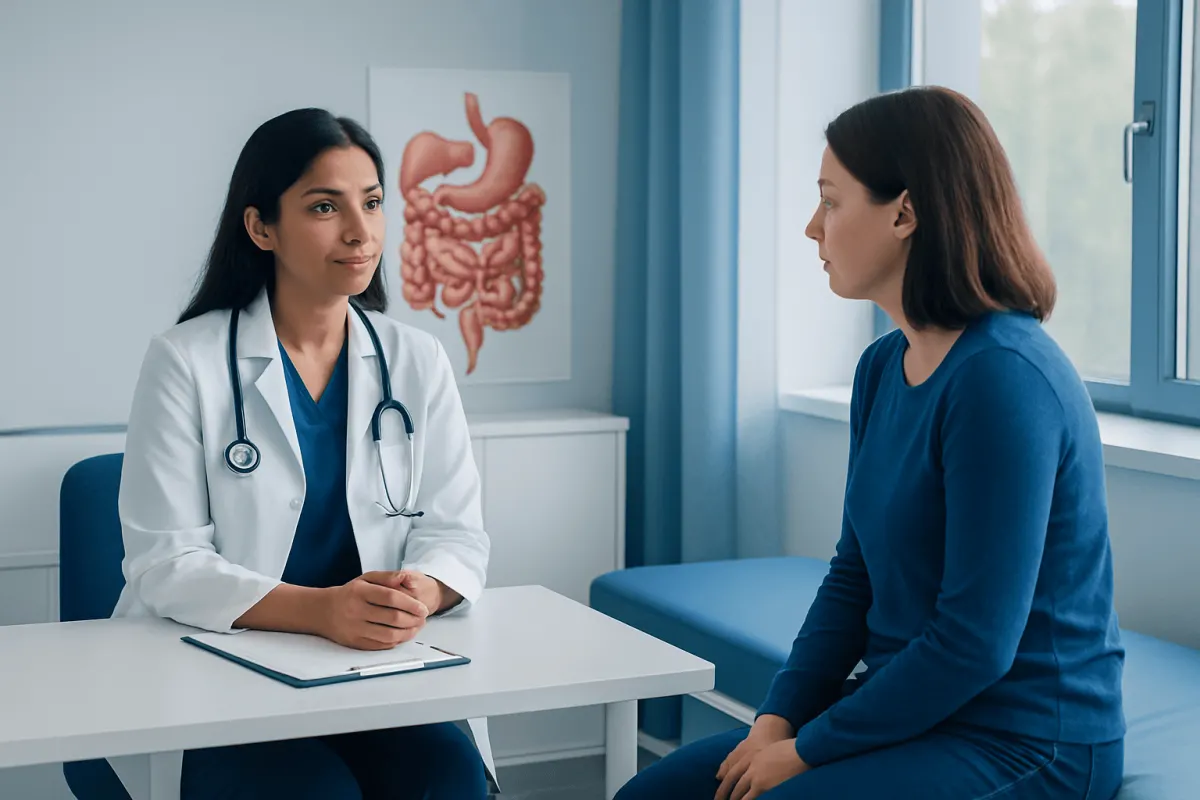
Evaluation starts with a careful history. A doctor may ask how long the issue has been happening, how often bowel movements occur, what the stool looks like, whether there is pain or bleeding, what medicines are being taken, and whether there are any warning signs such as fever, vomiting, or weight loss. Diet, hydration, activity, and toilet habits are also important.
A physical examination may include an abdominal exam and, when appropriate, a rectal exam to check for impacted stool, hemorrhoids, fissures, or other local causes of pain and difficulty passing stool. In many cases, no extensive testing is needed if symptoms are mild and clearly related to constipation.
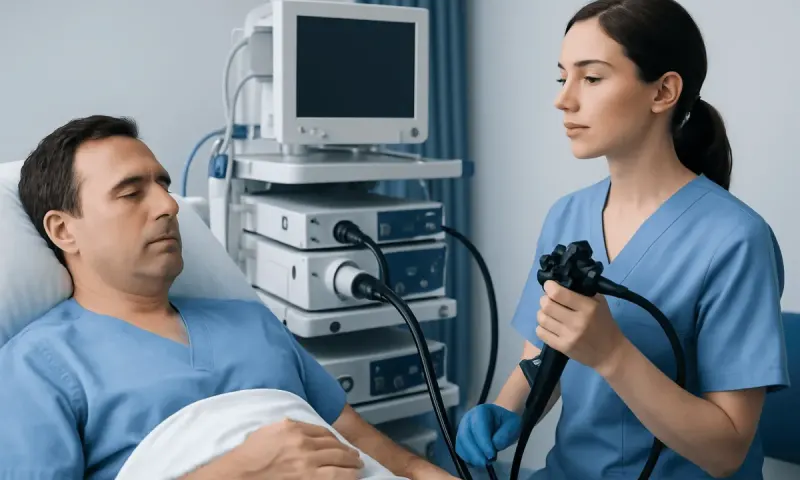
If symptoms are persistent, recurrent, or concerning, further tests may be recommended. These can include blood tests, stool tests, imaging, or endoscopic evaluation such as colonoscopy to assess the colon. Some patients may also benefit from specialist assessment through gastroenterology care when routine measures do not help or when an underlying digestive disorder is suspected.
Treatment options and what often helps
Treatment depends on the cause, severity, and how long symptoms have been present. For many people, the goal is to soften stool, restore regular bowel movements, and reduce straining. This usually begins with practical steps such as drinking enough fluids, eating balanced amounts of fiber, staying active, and responding to the urge to use the toilet instead of delaying it.
Doctors may suggest short-term medicines to relieve constipation, but the safest choice depends on age, medical history, and other medications. It is best not to overuse laxatives without medical guidance, especially if there is severe pain, vomiting, or concern for blockage. Stool softeners, osmotic agents, or other therapies may be considered by a clinician when lifestyle steps are not enough.
If there is fecal impaction, treatment may need to be more structured and supervised. When an underlying condition is found, treatment focuses on that cause. For example, management may differ if symptoms are related to pelvic floor dysfunction, IBS, medication effects, or a colon problem. In selected cases, evaluation by specialists in general surgery may be necessary if there is a structural issue, though surgery is not a routine treatment for simple constipation.
Most people feel much better once their bowel habits settle back into a rhythm. Your doctor can put together a plan that eases things now and keeps your bowel healthy in the long run.
Prevention and self-care at home
Preventing big poop is usually about keeping stool soft and moving regularly through the colon. Gradual, consistent changes tend to work better than sudden extremes. Drinking fluids regularly throughout the day can help, especially in hot weather, during exercise, or when fiber intake increases.
A balanced diet with fruits, vegetables, legumes, and whole grains supports healthy stool formation. It can help to increase fiber slowly rather than all at once. Regular physical activity also encourages bowel movement by stimulating normal gut motility.
Everyday toilet habits make a real difference. Going to the toilet when the urge appears, allowing enough time, and using a footstool to support a more natural position may reduce straining. Keeping track of which foods, medicines, or routines worsen symptoms can also be useful.
Self-care steps that often help include:
- Drink adequate fluids unless a doctor has advised fluid restriction
- Increase dietary fiber gradually
- Stay physically active most days
- Do not ignore the urge to have a bowel movement
- Review medicines with a clinician if constipation started after a new prescription
- Seek advice before using repeated over-the-counter laxatives
When to seek medical care
Medical care is appropriate if a large or difficult bowel movement becomes a pattern, causes significant pain, or does not improve with simple measures. Persistent constipation can affect quality of life and may sometimes signal a medical condition that needs treatment.
A person should seek prompt medical attention if big poop is accompanied by severe abdominal pain, vomiting, a swollen abdomen, inability to pass gas, black stool, heavy rectal bleeding, fever, or sudden weakness. These symptoms can suggest a more urgent problem and should not be managed at home alone.
It is also wise to arrange a medical review for unexplained weight loss, new bowel changes in older adults, repeated pencil-thin stools, or a family history of colon disease. Near the end of the diagnostic process, some patients may need specialist input; Acıbadem Health Point’s multidisciplinary specialists and JCI-accredited hospitals diagnose and treat digestive conditions for international patients.
If this keeps happening, or you simply cannot work out why, get it checked sooner rather than later. Finding the cause beats treating yourself over and over.
Frequently asked questions
01Is big poop normal sometimes?
Yes. An occasional large bowel movement can happen after eating differently, traveling, delaying a bowel movement, or becoming mildly constipated. If it is not painful and does not happen often, it is usually not a sign of serious disease.
02Does big poop always mean constipation?
Not always, but constipation is the most common reason. Stool can also be bulky after dietary changes, especially when fiber intake increases. What matters is whether the stool is hard, difficult to pass, and associated with straining or other symptoms.
03Can a large stool cause bleeding?
Yes, sometimes. Passing a hard or large stool can irritate hemorrhoids or cause a small anal fissure, leading to a small amount of bright red blood. However, any recurrent, heavy, or unexplained bleeding should be assessed by a doctor.
04What helps soften a large hard stool?
Drinking enough fluids, gradually increasing fiber, staying active, and not delaying bowel movements often help. Some people may also need a doctor-recommended medicine to soften stool or relieve constipation safely. Severe pain or suspected blockage should not be treated without medical advice.
05When should someone worry about big poop?
It deserves medical attention if it happens often, causes significant pain, or comes with symptoms such as vomiting, severe abdominal swelling, fever, black stool, or weight loss. A new and persistent change in bowel habits, especially in older adults, also needs evaluation.
06Can children have big poop for the same reasons as adults?
Often yes, especially due to constipation, withholding stool, low fluid intake, or changes in routine. Children may avoid the toilet after a painful bowel movement, which can make stools larger and harder over time. A pediatrician should assess ongoing symptoms, abdominal pain, or stool accidents.
This article is for general information only and is not a substitute for professional medical advice. Please consult a qualified doctor about your individual situation.
Persistent digestive symptoms? Get evaluated in Turkey
JCI-accredited · board-certified surgeons · reply within 24h
Add us as a Preferred Source to see more of our trusted health content across Google Search, AI Overviews and Discover.