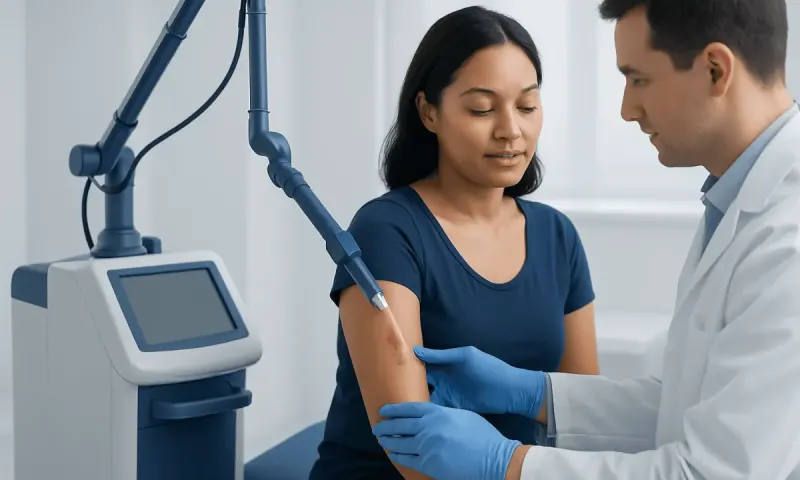
Best Treatment for Brown Spots on the Face?
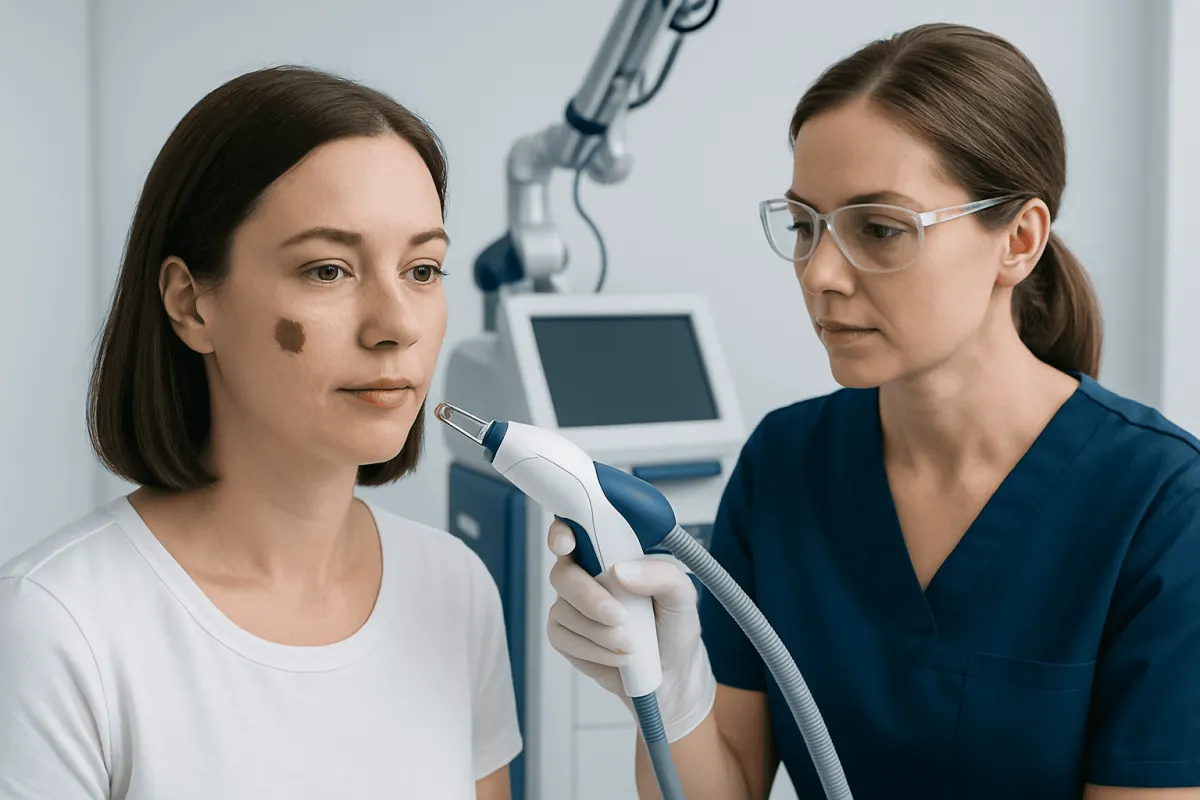
The best treatment for brown spots on face begins with identifying why the spots developed. Daily broad-spectrum sunscreen is essential, while topical medicines, chemical peels, lasers, or other procedures may help when selected by a qualified dermatologist for the specific type of pigmentation.
Overview: choosing treatment safely
The best treatment for brown spots on face is not one product or procedure for everyone. It is a plan based on the cause of the discoloration, the person’s skin type and tone, the location and appearance of the spots, and whether there are any warning signs that require assessment first. For many people, daily sun protection combined with a carefully chosen topical treatment is the safest starting point.
Brown facial spots may be caused by sun exposure, inflammation after acne or injury, hormonal changes, certain medicines, or natural skin aging. Common examples include solar lentigines, often called age or sun spots, and post-inflammatory hyperpigmentation. Melasma can also cause larger, symmetrical brown or gray-brown patches, commonly on the cheeks, forehead, upper lip, or nose.
It is important not to assume every brown mark is a cosmetic concern. A dermatologist can examine the skin and, if needed, use dermoscopy or arrange a biopsy to distinguish benign pigmentation from a skin lesion needing different care. Safe treatment starts with a correct diagnosis rather than with the strongest available product.
Why brown spots develop and why the cause matters
Melanin is the pigment that gives skin its color. When pigment-producing cells are stimulated, they may create a localized area of darker skin. Ultraviolet and visible light are major triggers, which is why sun-exposed areas such as the face, hands, chest, and shoulders commonly develop uneven color over time.
Acne, eczema, burns, insect bites, cosmetic irritation, and skin procedures can leave post-inflammatory hyperpigmentation. This can occur in any skin tone, but it is often more noticeable and longer lasting in richly pigmented skin. Hormonal influences may contribute to melasma, including during pregnancy or with hormonal contraception in some people.
Some medicines and medical conditions can also affect pigmentation. A clinician should review relevant health history and medications before recommending treatment. This matters because treatment for sun spots may differ from treatment for melasma or acne-related marks, and overly aggressive care may produce irritation that makes discoloration more noticeable.
- Sun-related spots are often discrete, flat, tan to brown marks in regularly exposed areas.
- Post-inflammatory marks usually develop where acne, a rash, injury, or irritation occurred.
- Melasma often appears as broader, symmetrical patches and may fluctuate with light and hormonal changes.
What is the most effective way to remove brown spots from the face?
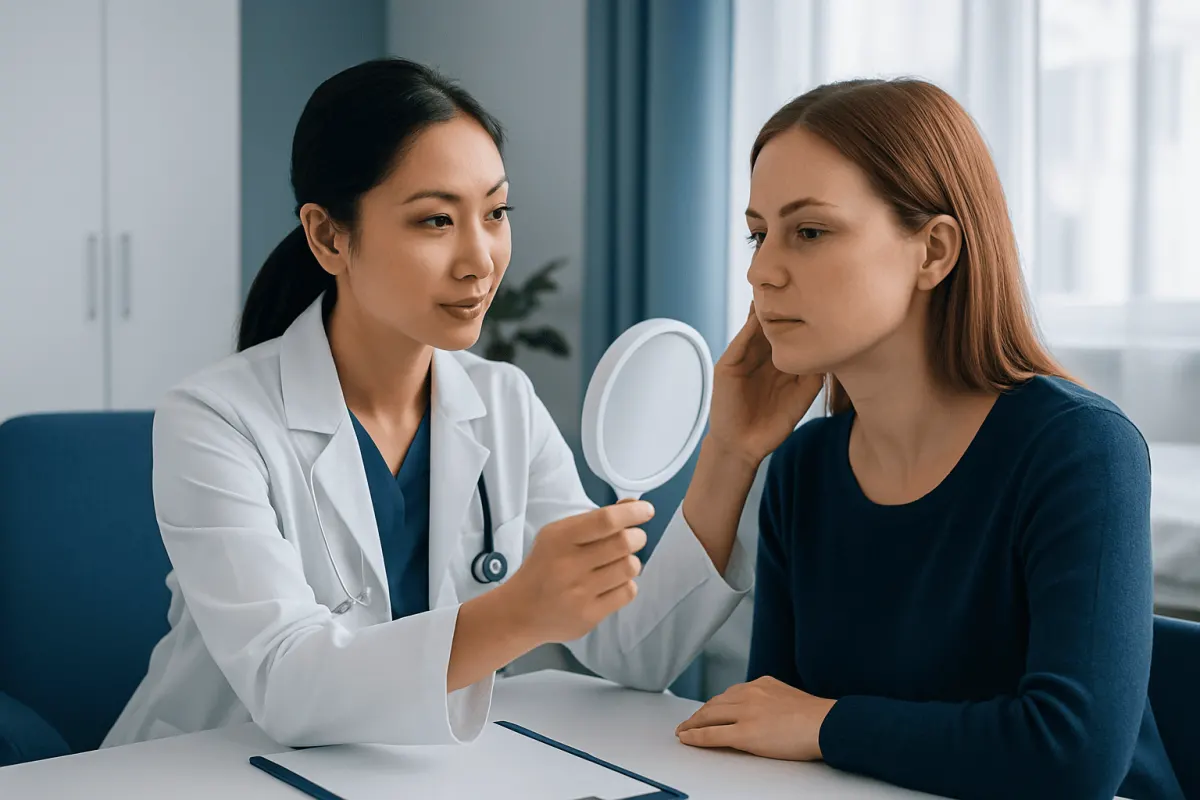
The most effective way to remove brown spots from the face is to first confirm the diagnosis, then combine strict photoprotection with a treatment matched to the pigment type and depth. For superficial sun spots, a dermatologist may recommend a topical pigment-reducing medicine or a procedure such as a chemical peel, intense pulsed light, or laser treatment. For melasma and post-inflammatory hyperpigmentation, gentler, gradual treatment and trigger control are often preferred.
Broad-spectrum sunscreen with SPF 30 or higher is a core part of every plan. It should be applied every morning and reapplied during prolonged outdoor exposure. For melasma or easily triggered pigmentation, a tinted sunscreen containing iron oxides may offer additional protection against visible light. Hats, shade, and avoiding intentional tanning further support results.
Topical options may include azelaic acid, retinoids, vitamin C, niacinamide, and, under medical supervision, hydroquinone or other prescription combinations. These products usually work gradually over weeks to months. A clinician can help prevent common problems such as irritation, uneven lightening, or inappropriate long-term use of strong depigmenting agents.
At-home acid peels, unregulated bleaching creams, and vigorous scrubbing can cause burns or inflammation. This may lead to darker marks, particularly in people prone to post-inflammatory hyperpigmentation. A slow, skin-barrier-conscious approach is generally safer than attempting rapid removal.
What is the highest rated dark spot remover for face?
There is no single highest rated dark spot remover for face that is proven to be best for every person. Online ratings often reflect fragrance, texture, cost, or short-term brightness rather than whether a product is appropriate for a particular diagnosis, skin tone, or sensitive skin condition. Reviews, including searches for the “best treatment for brown spots on face reddit,” can be useful for learning about user experiences, but they cannot replace medical evaluation or evidence-based guidance.
A suitable over-the-counter product usually has a clear active ingredient, is used as directed, and is paired with daily sunscreen. Azelaic acid, niacinamide, vitamin C, and gentle retinoid products can be reasonable options for some people. Introducing only one active product at a time and using a moisturizer can make it easier to identify irritation.
Products that promise instant, permanent, or universal spot removal should be approached cautiously. Avoid products without full ingredient lists and any product containing unregulated topical steroids, mercury, or unknown bleaching agents. These may damage the skin or cause serious health effects.
If a product stings persistently, causes a rash, or makes spots darker, it should be stopped and discussed with a healthcare professional. A dermatologist can recommend a plan that considers acne, rosacea, eczema, pregnancy, breastfeeding, medication use, and prior reactions to skincare products.
What is the most effective treatment for dark spots on the face?
The most effective treatment for dark spots on the face depends on whether the dark spots are sun spots, melasma, or post-inflammatory hyperpigmentation. Prescription topical therapy is often useful for diffuse or inflammation-related pigmentation, while selected office-based procedures may be particularly effective for well-defined sun spots. Combination care is common because preventing new pigment is as important as treating existing pigment.
For post-inflammatory marks, controlling the underlying condition is important. For example, ongoing acne can continually create new dark marks, so acne treatment and pigment treatment may be used together. Avoiding picking, squeezing, and harsh exfoliation helps reduce further inflammation. People with recurrent acne may benefit from a clinical assessment of acne alongside their pigmentation concerns.
Melasma tends to be chronic and can recur even after improvement. Dermatologists commonly emphasize sun and visible-light protection, gentle topical treatment, and realistic expectations. Heat, irritation, and intensive energy-based procedures can trigger melasma in some people, so procedural decisions should be individualized.
Results are usually gradual. Improvement may be seen over several weeks, but deeper or long-standing pigment can take longer and may not disappear completely. Maintaining sun protection and a tolerable skincare routine often helps preserve improvements after active treatment ends.
What is the most effective facial procedure for removing brown spots?
The most effective facial procedure for removing brown spots is the one selected for the diagnosed lesion and the person’s skin characteristics. For clearly defined sun spots, dermatologists may consider cryotherapy, chemical peels, intense pulsed light, or pigment-targeting lasers. These approaches can improve visible discoloration, but they should be performed by appropriately trained clinicians after an examination.
Chemical peels use controlled exfoliation to improve superficial pigment and skin texture. Intense pulsed light uses broad-spectrum light, while lasers use targeted energy to break down pigment. The choice depends on spot depth, skin tone, sensitivity, history of pigment changes, and the likelihood that the condition could flare after treatment.
Procedures may cause temporary redness, swelling, crusting, or darkening before the skin improves. Less commonly, they can lead to burns, scarring, infection, or lighter or darker pigment changes. These risks are especially relevant when treatments are performed too aggressively, during an active skin irritation, or without appropriate settings for darker skin tones.
Consultation with a dermatologist helps determine whether laser treatment or another procedure is appropriate. Aftercare commonly includes gentle cleansing, moisturizing, avoiding picking, and meticulous sun protection. Multiple sessions may be needed, and maintenance care may still be necessary to reduce recurrence.
Prevention and practical self-care
Prevention is one of the most effective parts of managing facial discoloration. Use broad-spectrum sunscreen daily, even on cloudy days and when near windows. Apply enough to cover exposed facial skin, and reapply after sweating, swimming, towel drying, or extended outdoor time. A wide-brimmed hat and seeking shade can add meaningful protection.
Use a simple, non-irritating routine if the skin is sensitive or if pigment developed after acne or dermatitis. Gentle cleansing, moisturizer, and gradual introduction of active ingredients can help preserve the skin barrier. Avoid combining multiple exfoliants, strong scrubs, or fragranced products if these have previously caused burning or redness.
Anyone considering a peel, light device, or laser should ask about the expected benefit, likely recovery, possible pigment changes, the clinician’s experience with their skin tone, and the plan if complications occur. The best treatment for brown spots on your face should fit everyday sun exposure, skin sensitivity, and willingness to continue maintenance care.
Acıbadem Health Point’s multidisciplinary specialists and JCI-accredited hospitals can assess skin pigmentation concerns and discuss appropriate diagnostic and treatment options for international patients.
When to seek medical care
Seek medical care promptly for a spot that is new and changing, has an irregular shape or uneven color, grows, bleeds, crusts repeatedly, becomes painful or itchy, or does not heal. A mole or pigmented lesion that looks noticeably different from others on the body should also be checked. These features do not always mean a serious condition, but they warrant professional assessment.
A dermatologist should also evaluate facial pigmentation that appears suddenly, spreads quickly, follows a medication change, occurs with other symptoms, or has not improved despite careful sun protection and gentle skincare. Professional advice is particularly useful before using prescription bleaching agents or undergoing a procedure.
People who are pregnant, breastfeeding, have a history of <a href="https://acibademhealthpoint.com/diseases/keloid-scars/”>keloid scars, have very sensitive skin, or have previously developed dark marks after procedures should discuss options with a clinician before treatment. An individualized plan can balance visible improvement with skin safety.
Frequently asked questions
01Can brown spots on the face go away naturally?
Some post-inflammatory dark marks fade gradually after the original inflammation settles, especially with consistent sun protection. Sun spots and melasma often persist or recur without treatment, although their appearance may improve with appropriate skincare and medical care.
02How long does dark spot treatment take to work?
Topical treatments commonly require several weeks to months of consistent use before improvement is noticeable. Procedures may give faster visible change for selected sun spots, but healing time and the risk of pigment recurrence still need to be considered.
03Is vitamin C good for brown spots on the face?
Vitamin C may help support a more even-looking skin tone and can be part of a routine for some people. It is not a guaranteed spot remover, and sunscreen remains essential because ongoing light exposure can continue to stimulate pigment.
04Can laser treatment make brown spots worse?
Yes, laser or light-based procedures can sometimes cause darker or lighter pigment changes, particularly if the skin is irritated, the settings are unsuitable, or a person is prone to post-inflammatory hyperpigmentation. A dermatology assessment and careful aftercare help reduce this risk.
05Should brown spots be checked by a dermatologist?
A dermatologist should check spots that are new, changing, irregular, bleeding, itchy, painful, or distinctly different from other marks. Even when spots appear benign, an assessment can identify the cause and help choose safer treatment.
06Can makeup cover brown spots while they are being treated?
Yes, non-irritating cosmetic products can generally be used once the skin is calm and any procedure-related aftercare instructions allow it. Mineral or tinted sunscreens may provide coverage while also helping protect against UV and visible light.
This article is for general information only and is not a substitute for professional medical advice. Please consult a qualified doctor about your individual situation.
Joint and spine care in Turkey — expert assessment & treatment
JCI-accredited · board-certified surgeons · reply within 24h
Add us as a Preferred Source to see more of our trusted health content across Google Search, AI Overviews and Discover.