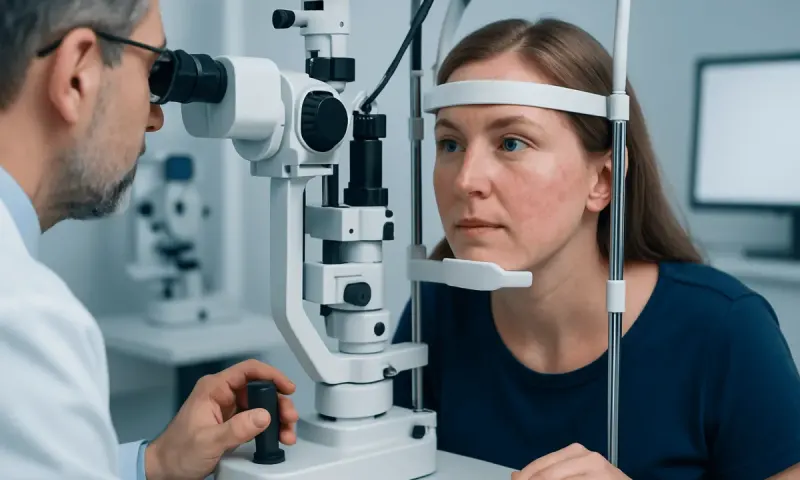
Best Nit Treatment: How to Remove Eggs and Stop Lice
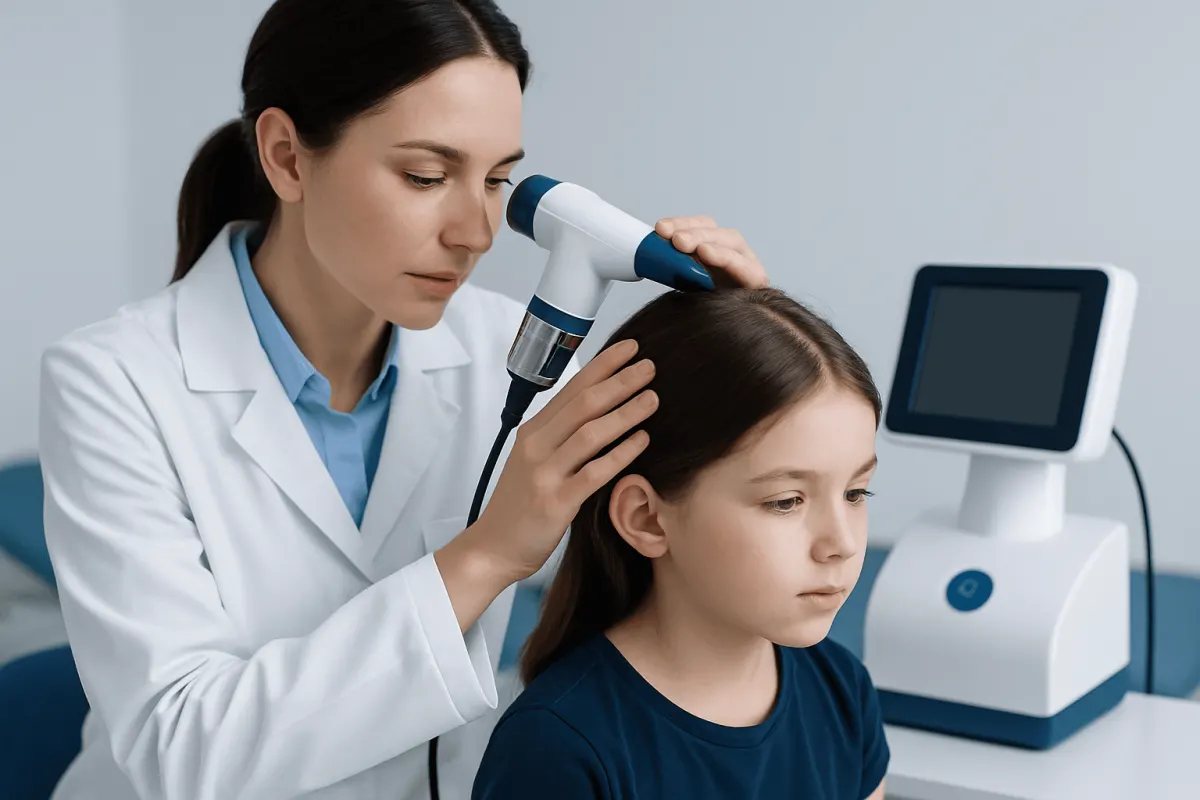
The best nit treatment is usually a combination of an age-appropriate head-lice medicine and systematic wet-combing with a fine-toothed nit comb. Because some products do not reliably kill every egg, follow-up combing and, when directed, a repeat treatment are important for breaking the lice life cycle.
Overview: Choosing the Best Nit Treatment
The best nit treatment combines two steps: using an appropriate treatment for active head lice and physically removing eggs with a fine-toothed nit comb. This approach matters because nits may survive some treatments, hatch later, and restart the infestation if they are not removed or if repeat treatment is missed.
Head lice are tiny insects that live on the scalp and feed on small amounts of blood. Their eggs, called nits, are glued to individual hairs and are often found behind the ears and near the nape of the neck. They are commonly confused with dandruff, hair-product residue, or lint, but true nits are difficult to slide off the hair shaft.
Head lice are common, especially among school-age children, and are spread mainly through direct head-to-head contact. They are not caused by unclean hair or poor personal hygiene. A calm, methodical plan can usually manage the problem successfully.
How Head Lice and Nits Are Diagnosed
Finding a live crawling louse is the most reliable way to diagnose an active infestation. Nits alone do not always mean that lice are still present, since empty egg shells can remain attached to hair after successful treatment. A clinician, pharmacist, school nurse, or experienced caregiver may use a bright light and a fine-toothed comb to examine the scalp and hair.
Wet-combing can make detection easier. Hair is dampened and conditioned, then divided into small sections and combed from the scalp to the ends. The comb should be wiped onto a white tissue or paper towel between strokes so that any live lice can be seen.
It is helpful to check household members and close contacts at the same time. However, treatment is generally recommended only for people who have live lice identified. Treating everyone “just in case” can expose people to unnecessary products and may contribute to treatment failure.
Modern Treatment Approaches for Head Lice
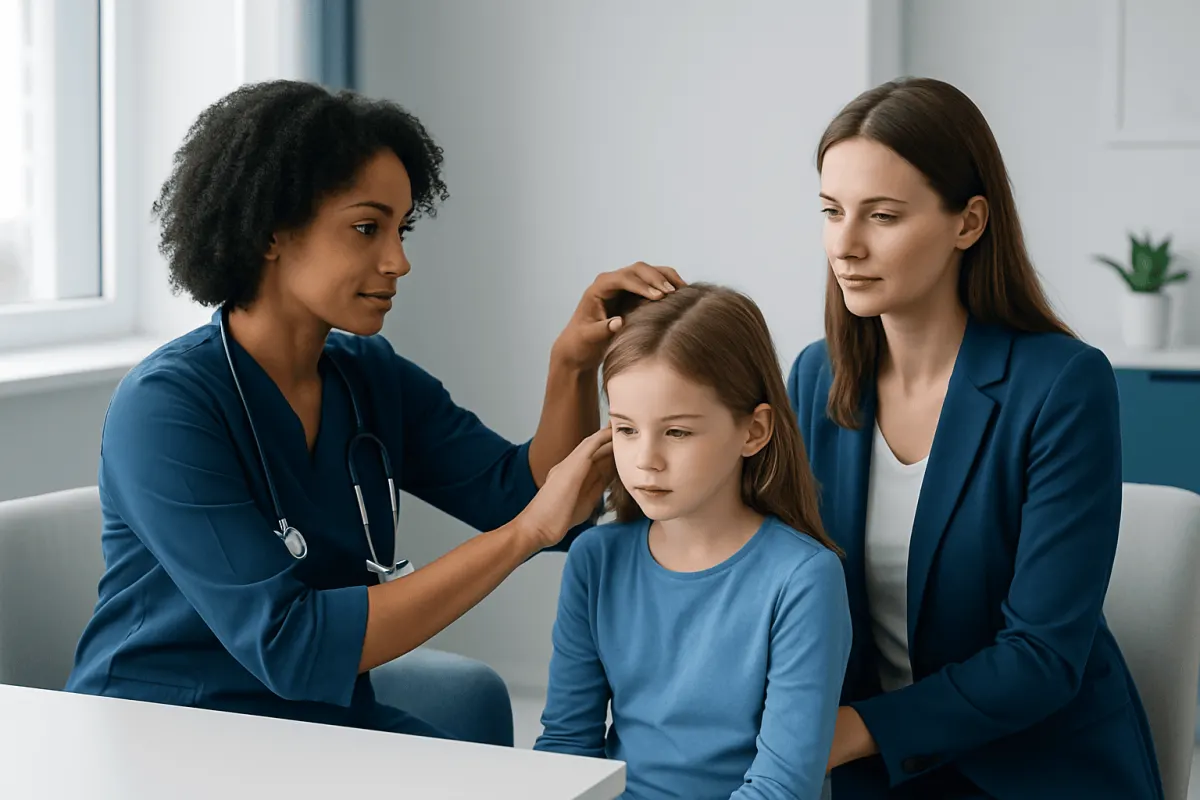
Over-the-counter and prescription treatments can kill live lice, but their ability to kill eggs varies. Common options include topical medicines that affect the lice nervous system or physically disrupt the insects. The most suitable choice depends on age, pregnancy or breastfeeding status, allergies, local resistance patterns, previous treatments, and whether live lice remain after correct use.
Products should be used exactly as directed on the label or by a clinician. More product, longer application times, or repeated applications sooner than recommended do not make treatment more effective and can increase the risk of skin irritation or other side effects. Hair conditioner should not be applied before certain medicated products because it may reduce how well they work.
Wet-combing remains useful alongside medication. It removes live lice and visible nits and provides a way to monitor whether treatment has worked. Combing every few days for about two weeks is often advised, though the precise schedule should follow the product instructions or a healthcare professional’s guidance.
- Use a metal, fine-toothed nit comb when possible.
- Work in small hair sections under good lighting.
- Clean the comb after each pass and after the session.
- Recheck the scalp regularly for live crawling lice.
If live lice are still found after treatment has been used correctly, a clinician can help distinguish reinfestation from product resistance or an incorrect diagnosis. Switching products without advice may not be the best next step.
What kills nits permanently?
No single method can promise to kill every nit in every situation. The most dependable way to prevent nits from leading to new lice is to use an effective treatment for the person’s age and circumstances, remove nits by wet-combing, and repeat treatment at the correct interval if the chosen product does not kill eggs.
Some prescription treatments may have stronger activity against eggs than some older over-the-counter options, but no treatment should be selected solely on this basis. A clinician can recommend an option that is appropriate for the individual. Manual removal is particularly valuable because it takes away eggs that may remain viable as well as empty shells that can cause confusion later.
Heat devices, harsh chemicals, essential oils, and household cleaning products should not be used on the scalp to kill nits. These methods may burn or irritate the skin and are not reliably effective. The practical goal is to stop the lice life cycle through safe treatment, close follow-up, and careful combing.
What do lice hate the most?
Lice do not have a safe, proven “repellent” that reliably prevents infestation. They survive best when they can remain close to the human scalp, so direct head-to-head contact is the main situation to avoid during an active outbreak. Keeping long hair tied back may modestly reduce opportunities for hair-to-hair contact, but it does not guarantee prevention.
Lice do not jump, fly, or live for long away from a human host. They are not effectively prevented by strongly scented shampoos, essential oils, hair sprays, or fragrances. These approaches can cause allergic reactions or scalp irritation, particularly in children, without offering dependable protection.
When someone in the household has lice, the most useful measures are checking close contacts, avoiding shared brushes and hair accessories until the situation is resolved, and following a structured treatment and combing plan. Routine intensive cleaning of the home is not necessary.
What is the most effective lice treatment on the market?
There is no universally most effective lice treatment for every person. The best choice is one that is approved or recommended in the local setting, suitable for the individual’s age and health needs, used correctly, and followed by combing and reassessment. Effectiveness can differ between regions because lice may develop resistance to certain active ingredients.
For a first confirmed infestation, an over-the-counter product may be reasonable when used according to its instructions. If it does not work despite correct use, or if live lice are found after the recommended follow-up period, a healthcare professional may recommend a different active ingredient or a prescription treatment.
Do not combine multiple lice products or use treatments intended for animals, household pests, or agricultural use. These can be unsafe on human skin. A pediatrician or dermatologist can provide individualized advice for babies, young children, pregnancy, breastfeeding, eczema, asthma, allergies, or repeated treatment failure.
Does petroleum jelly kill lice eggs?
Petroleum jelly is not a recommended treatment for lice or nits. It may make lice harder to remove, is difficult to wash out of hair, and does not have reliable evidence that it kills lice eggs. Using it can also delay treatment with methods that are known to be safer and more effective.
Similarly, products such as mayonnaise, olive oil, vinegar, kerosene, gasoline, bleach, and essential oils should not be relied on to treat lice. Some are flammable, toxic, or irritating to the skin and eyes. Vinegar may loosen some material from hair, but it does not reliably kill nits or cure an infestation.
A fine-toothed comb, appropriate lice medicine, and repeat assessment are safer evidence-based alternatives. If a family has already tried home remedies and live lice remain, it is sensible to seek advice rather than repeating potentially irritating treatments.
Home Care, Prevention, and When to Seek Medical Care
After treatment, wash clothing, bedding, hats, and recently used towels in hot water when practical, then dry them using heat. Items that cannot be washed can be sealed in a plastic bag for a period recommended by local public-health guidance. Soak combs and brushes in hot water, and vacuum areas where the affected person has rested. Extensive pesticide sprays or fumigation are not recommended.
Children can usually return to school after appropriate treatment has started, subject to local school policy. “No-nit” exclusion policies are generally discouraged because nits may persist after successful treatment and do not necessarily indicate active infestation. It can be helpful to tell close contacts discreetly so they can check for live lice.
When to seek medical care: medical advice is appropriate if the diagnosis is uncertain, the scalp has sores, crusting, swelling, or signs of infection, or the person has persistent itching after treatment. A clinician should also be consulted for infants, pregnancy or breastfeeding, significant skin conditions, allergic reactions, or live lice that persist after correct treatment and follow-up.
Acıbadem Health Point’s multidisciplinary specialists and JCI-accredited hospitals can assess persistent scalp concerns and advise international patients on appropriate treatment when needed.
Frequently asked questions
01How long does it take for nits to hatch?
Nits commonly hatch in about 6 to 9 days, although timing can vary with temperature and other conditions. This is why some lice treatments require a repeat application after an interval stated on the label or by a clinician.
02Can nits live without a person?
Nits need the warmth and conditions close to the scalp to develop normally. Lice eggs attached to shed hairs may remain visible, but they are unlikely to lead to an ongoing infestation away from a human host.
03Should every member of the household be treated for lice?
Household members and close contacts should be checked carefully. In most cases, only people with live lice should be treated, unless a healthcare professional recommends otherwise.
04Why are nits still visible after treatment?
Many nits or empty egg shells remain stuck to hair even after the lice have been killed. Their presence does not necessarily mean treatment failed, but wet-combing helps remove them and makes it easier to identify any new live lice.
05Can head lice spread disease?
Head lice are bothersome and can cause itching, but they are not known to spread disease. Scratching can occasionally break the skin and lead to a secondary skin infection, which should be assessed by a clinician.
06When is it safe to repeat lice treatment?
The timing depends on the active ingredient and the product instructions. Many treatments are repeated after 7 to 10 days if needed, but people should not repeat or combine treatments more often than directed.
This article is for general information only and is not a substitute for professional medical advice. Please consult a qualified doctor about your individual situation.
Hair transplant in Turkey — costs, graft counts & a free assessment
JCI-accredited · board-certified surgeons · reply within 24h
Add us as a Preferred Source to see more of our trusted health content across Google Search, AI Overviews and Discover.