Physical Therapy Builds a Plan Around Your Goals and Ability
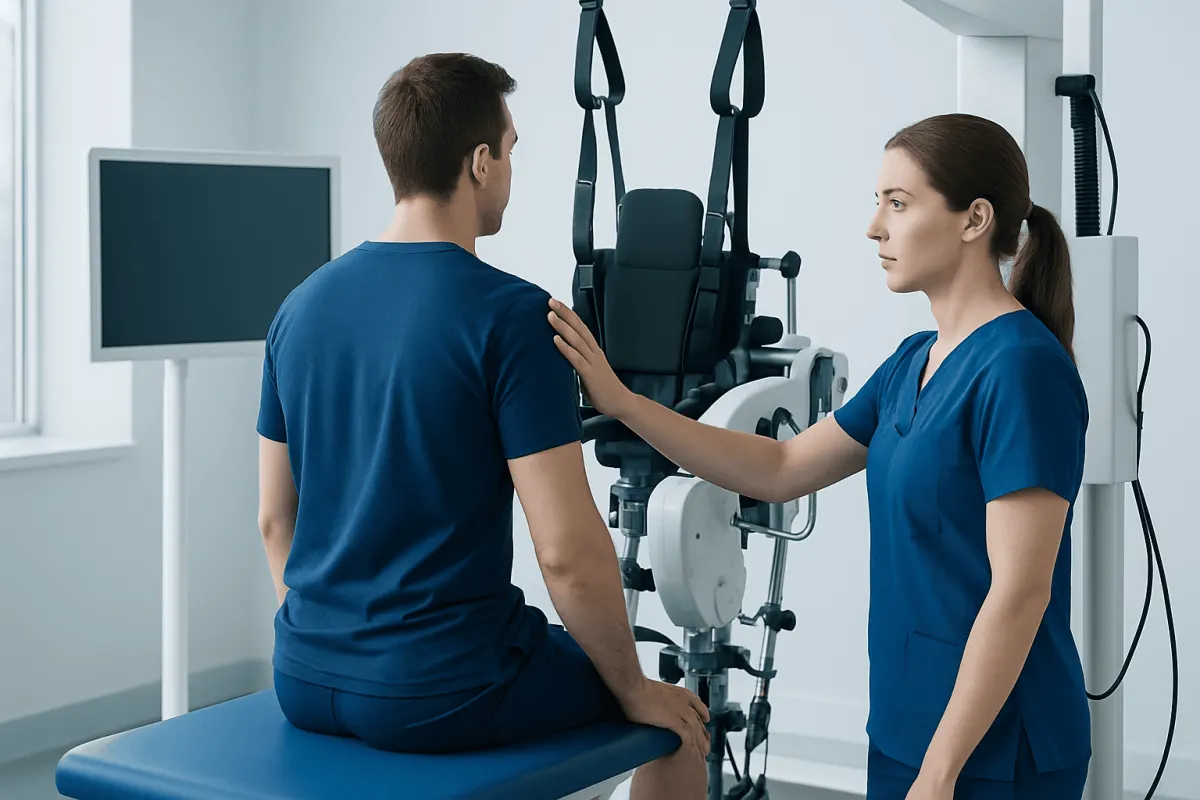
Maybe it’s the stairs. Maybe it’s the first ten minutes after you get out of bed, or the fact that you’ve stopped doing something you used to enjoy because your body no longer cooperates. That’s usually the point where physical therapy enters the picture.
Barrows physical therapy refers to an individualized rehabilitation approach that uses assessment, guided movement, exercise and education to help people restore function and manage pain or mobility limitations. There’s no single script. The exact plan, pace and outcome depend on your diagnosis, your overall health, your goals and how actively you take part in the program.
Overview: What Is Barrows Physical Therapy?
Barrows physical therapy is best understood as a structured, patient-specific rehabilitation process rather than one fixed treatment. A physical therapist evaluates how a person moves, how symptoms affect daily life and what activities matter most to them. The resulting plan may support recovery after injury or surgery, help manage persistent musculoskeletal symptoms, improve balance, or build strength and confidence for everyday tasks.
In practice, physical therapy usually blends targeted exercise, movement retraining, activity changes, education and a home program. Depending on the clinical need, treatment may also include hands-on techniques, mobility work, balance practice or guidance on safe use of equipment. The point isn’t to tick off exercises during your appointment. It’s to get useful function back in your everyday life.
Rehabilitation can be relevant for people with back or neck symptoms, joint conditions, sports injuries, neurological conditions and recovery after operations. For example, a coordinated plan may be part of physical therapy and rehabilitation after an injury, illness or procedure. A clinician should first confirm the cause of symptoms when the diagnosis is uncertain.
How It Works: Assessment, Goals and an Individual Plan
Physical therapy usually begins with a conversation and a physical assessment. The therapist may ask when symptoms started, what makes them better or worse, how they affect work, sleep, exercise and self-care, and whether there have been previous injuries, operations or medical conditions. They may observe walking, posture, balance, strength, joint movement and the ability to complete relevant tasks.
Following this assessment, the therapist and patient agree on practical goals. Goals may include walking farther, returning to work, climbing stairs more comfortably, reducing falls risk, recovering after surgery or returning to a sport safely. The plan should be adjusted over time as symptoms, tolerance and function change.
Exercise is often central to care because it can improve strength, endurance, coordination and confidence. Education is equally important. Understanding pacing, posture, sleep, safe lifting, symptom monitoring and how to progress activity can help a person take an active role in recovery between appointments.
The best program isn’t the hardest one. It is appropriately challenging, based on current ability, and progressed gradually. Temporary muscle fatigue or mild soreness can occur with new activity, but severe or escalating symptoms should be discussed promptly with the treating team.
Who May Benefit and What Candidacy Involves

People may be referred to physical therapy by a physician, surgeon or other healthcare professional, or may seek an assessment directly where local regulations allow. Suitable candidates include people whose pain, stiffness, weakness, balance difficulty or reduced movement is interfering with valued activities. Physical therapy is also widely used in planned recovery after orthopedic procedures and after periods of reduced mobility.
Before beginning treatment, the therapist considers the diagnosis, symptom pattern, medical history, medications, surgical restrictions and personal goals. For those recovering from an operation, the therapist follows the surgeon’s precautions regarding weight-bearing, range of motion, wound care and timing of specific movements. This coordinated approach can be especially important after procedures such as orthopedic rehabilitation.
Not every symptom should be treated as a routine musculoskeletal problem. New symptoms following a significant injury, unexplained weakness, fever, unexplained weight loss, chest symptoms, a suspected infection or signs of a blood clot require medical evaluation. In these situations, therapy may be postponed or modified until the underlying issue has been assessed.
Motivation helps, but nobody expects perfection. You don’t need to be athletic or pain-free to start. The most important elements are a safe diagnosis, realistic goals, a plan that fits daily life and regular communication when barriers arise.
What Happens During Physical Therapy? A Step-by-Step View
1. Initial evaluation: The first visit typically includes medical and activity history, discussion of concerns and goals, and an examination tailored to the affected area or function. The therapist may take baseline measurements such as walking tolerance, joint movement, strength, balance or ability to perform a specific task.
2. Treatment planning: The therapist explains the working diagnosis, expected approach and initial goals. The patient should understand which activities are encouraged, which should be limited temporarily and what symptoms should prompt contact with the clinic or another healthcare professional.
3. Guided treatment sessions: Appointments may include supervised exercises, mobility training, balance practice, functional tasks and education. Some plans use manual techniques, but these are generally considered supportive tools rather than a replacement for active rehabilitation. Sessions are progressed according to response and safety.
4. Home program and review: A home program makes rehabilitation part of everyday life. It should be clear, realistic and adaptable to work, travel and family responsibilities. At follow-up visits, the therapist reassesses progress, addresses concerns and changes the plan as needed. For some people, recovery may also involve neurological rehabilitation when movement or balance changes are related to a neurological condition.
Results, Recovery Timeline, Benefits and Possible Risks
Results vary widely. Some people feel better after the first few appointments because they understand their condition, move with more confidence or begin pacing activities more effectively. Improvements in strength, endurance and complex function commonly require consistent work over several weeks. Recovery from surgery, a significant injury or a neurological condition may take months and may involve periods of slower progress.
The potential benefits of physical therapy include improved movement, strength, balance, independence and ability to participate in work, family life, exercise or recreation. It can also help people learn strategies for managing symptoms and reducing the chance of recurrence in some conditions. The aim is functional improvement, not a promise of a particular speed or complete resolution for every person.
Most exercise-based programs are safe when appropriately prescribed. Expected effects can include temporary muscle soreness, fatigue or mild symptom fluctuation after a new activity. Risks may increase if exercises are performed with poor technique, progressed too quickly or continued despite significant warning symptoms. A therapist should know about new swelling, instability, worsening pain, dizziness, numbness or other unexpected changes.
Progress rarely runs in a straight line. A short-term flare doesn’t automatically mean you’ve damaged something, but it does need to be read in context. The treating therapist can help distinguish expected exercise-related discomfort from signs that the program needs to be adjusted or medical review is needed.
How Long Does It Take to See Results From Physical Therapy?
Some people notice initial benefits within a few sessions, particularly improved confidence, easier movement or clearer understanding of how to manage symptoms. However, the time needed for meaningful progress depends on the condition, severity, duration of symptoms, overall health, treatment consistency, healing requirements and the person’s goals.
For many musculoskeletal concerns, measurable changes in mobility, strength or function may develop over several weeks of regular practice. After surgery or a major injury, the timeline is often governed by tissue healing and medical precautions, so progress needs to be gradual. Persistent pain or neurological rehabilitation may require longer-term support and periodic reassessment.
Rather than judging success only by pain levels, patients can track practical changes: walking distance, sleep, ability to work, ease of dressing, stair climbing, balance or return to a chosen activity. If progress is absent, symptoms worsen or goals no longer fit the person’s needs, the treatment plan and diagnosis should be reviewed.
What Is the 8 Minute Rule in Physical Therapy?
The 8 minute rule is a United States Medicare billing guideline that may affect how certain time-based outpatient therapy services are reported. In simple terms, it is used to determine whether enough direct, one-to-one skilled treatment time was provided to bill for a unit of certain services. It is not a clinical rule for how long an exercise, appointment or recovery plan should last.
Billing rules vary by country, insurer, healthcare setting and type of coverage. So don’t use the 8 minute rule as a yardstick for whether your therapy is good enough. A suitable session length depends on the person’s diagnosis, fatigue level, treatment goals, need for supervision and home-program requirements.
If there are questions about appointment duration, coverage or documentation, the clinic’s administrative team can explain the local policy. The therapist can explain the clinical purpose of each part of treatment and how the plan supports the individual’s goals.
What Is a Red Flag in Physical Therapy?
A red flag is a symptom, sign or history feature that may indicate a condition requiring urgent medical assessment, further investigation or a change in the treatment plan. Red flags do not confirm a serious diagnosis by themselves, but they help clinicians recognize when routine rehabilitation should not be the only next step.
Examples include new bowel or bladder control problems; numbness around the groin or inner thighs; sudden or progressive weakness; severe pain after significant trauma; fever or feeling acutely unwell with back or joint pain; an unexplained swollen, warm limb; chest pain; shortness of breath; fainting; or signs of a stroke such as sudden facial drooping, speech difficulty or one-sided weakness. A person should seek emergency help for symptoms that may indicate stroke, heart or lung problems, a severe allergic reaction, or other immediate danger.
Other concerns may need prompt, non-emergency medical review, including unexplained weight loss, persistent night pain, a painful joint that is red and hot, or symptoms that steadily worsen despite appropriate care. When you’re open about your medical history and any new symptoms, your therapist can make safer decisions for you.
What Not to Say to a Physical Therapist?
Don’t hold something back because it feels small, embarrassing or off-topic. Patients should not hide pain, numbness, falls, dizziness, medication changes, fear of movement, missed exercises or changes in symptoms. These details can alter the safety and usefulness of a rehabilitation plan.
It is also helpful not to assume that “no pain, no gain” is always appropriate. Saying that an exercise is manageable when it causes sharp pain, instability, severe dizziness or symptoms that last excessively can lead to an unsuitable progression. Instead, patients can describe where symptoms occur, how intense they are, when they begin and how long they last afterward.
Open communication includes discussing practical barriers. Work schedules, caregiving, travel, cost concerns, low confidence and limited access to equipment can all affect a home program. A therapist can often adapt exercises and set priorities when they understand the person’s real circumstances.
When to Seek Medical Care
Medical care should be sought promptly when pain or loss of function follows a serious injury, when a limb looks deformed, or when a person cannot safely bear weight or use the affected body part. Urgent evaluation is also important for a hot, swollen joint with fever, a calf that becomes painful and swollen, new chest pain, breathlessness, fainting, or sudden neurological symptoms such as weakness, speech changes or loss of coordination.
A doctor should also assess symptoms that are persistent, unexplained or worsening, especially if they disturb sleep, are accompanied by fever, unexplained weight loss, progressive numbness or weakness, or bowel and bladder changes. A physical therapist may identify these concerns during assessment and recommend referral.
For non-urgent concerns, an early assessment can be useful when pain, stiffness, weakness or balance problems are limiting daily activities or preventing return to work, sport or independence. Acıbadem Health Point’s multidisciplinary specialists and JCI-accredited hospitals provide assessment and rehabilitation planning for international patients when coordinated care is needed.
Frequently asked questions
01Is physical therapy painful?
Physical therapy should be adapted to the individual and does not need to be severely painful to be effective. Mild effort, stretching sensations or temporary muscle soreness may occur, especially when beginning a new program. Sharp, severe, worsening or unusual symptoms should be reported immediately so the treatment can be modified.
02How often are physical therapy appointments needed?
Appointment frequency depends on the diagnosis, stage of recovery, safety needs and ability to complete a home program. Some people benefit from regular supervised visits at the beginning, while others need periodic reviews and independent practice. The therapist should explain why a particular schedule is recommended and revise it as progress changes.
03Should a person do physical therapy exercises every day?
Some mobility, balance or movement exercises may be appropriate on most days, while strengthening exercises often need recovery time between sessions. The right schedule depends on the exercise type, symptoms, healing stage and medical restrictions. Patients should follow their individual instructions rather than copying another person’s plan.
04Can physical therapy help chronic pain?
Physical therapy can help many people with persistent pain by improving function, confidence, strength, movement tolerance and self-management skills. It is often most effective as part of an individualized plan that considers sleep, stress, activity levels, medical conditions and the person’s goals. Persistent pain may require coordinated care with other healthcare professionals.
05What should a person wear to a physical therapy appointment?
Comfortable clothing that allows the therapist to assess and move the affected area is usually best. Supportive shoes may be useful for walking, balance or exercise assessment. It can also help to bring relevant imaging reports, a medication list, referral documents and any braces or mobility aids that are used regularly.
06Can physical therapy make symptoms worse at first?
A small, short-lived increase in muscle soreness or symptoms can happen when activity changes, particularly after a period of inactivity. However, symptoms should not become severe, progressively worse or associated with new weakness, numbness, swelling, fever, chest symptoms or dizziness. Patients should contact the therapist or a doctor if they are unsure whether a response is expected.
This article is for general information only and is not a substitute for professional medical advice. Please consult a qualified doctor about your individual situation.
Joint and spine care in Turkey — expert assessment & treatment
JCI-accredited · board-certified surgeons · reply within 24h
Add us as a Preferred Source to see more of our trusted health content across Google Search, AI Overviews and Discover.