Bariatric Surgery and Male Fertility: Hormones, Sperm Health, and Timing

Bariatric surgery may improve obesity-related hormone imbalance in men, but its effects on sperm health can vary, especially during rapid weight loss. Men planning fatherhood benefit from fertility assessment, nutritional follow-up, and individualized timing advice before and after surgery.
Overview
Bariatric Surgery and Male Fertility is an important topic for men who are living with obesity and also planning to become fathers. Obesity is linked with changes in reproductive hormones, sexual function, inflammation, sleep quality, and metabolic health. These factors can affect sperm production and the chance of natural conception.
Weight loss surgery is not primarily a fertility treatment, but it can improve several health conditions that interfere with male reproductive function. Procedures used in bariatric surgery may support significant weight loss, better insulin sensitivity, improved sleep apnea, and higher testosterone levels in many men. However, the effect on sperm count, movement, and shape is more complex and may vary from person to person.
The months after surgery are a period of rapid body change. Calorie intake is reduced, weight falls quickly, and vitamin and mineral needs require careful monitoring. For this reason, men who want to conceive soon after surgery should discuss timing, semen testing, and supplements with their medical team rather than assuming fertility will improve immediately.
How Obesity Can Affect Male Fertility
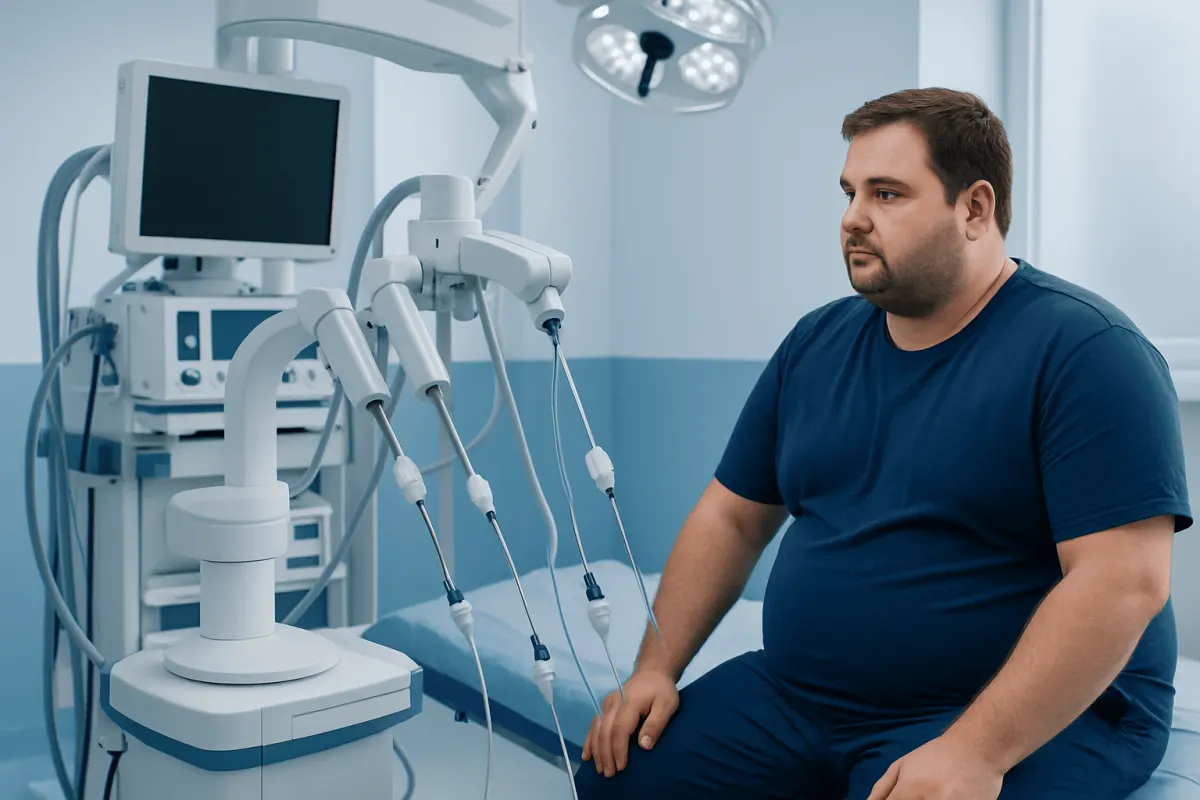
Male fertility depends on healthy sperm production, normal hormone signaling, sexual function, and overall physical health. Obesity can influence each of these areas. Excess fat tissue can increase the conversion of testosterone into estrogen, which may reduce signals from the brain and pituitary gland that support sperm production in the testes.
Men with obesity are more likely to have lower total testosterone and sometimes lower free testosterone. They may also have higher levels of inflammation and oxidative stress, which can damage sperm membranes and DNA. Insulin resistance, type 2 diabetes, high blood pressure, and abnormal cholesterol levels can further affect blood vessel health and sexual function.
Several practical factors also matter. Obesity can increase scrotal temperature, especially with prolonged sitting or tight clothing, and elevated testicular temperature may impair sperm production. Obstructive sleep apnea, which is more common in obesity, can worsen fatigue, reduce libido, and affect testosterone rhythms. Not every man with obesity is infertile, but these overlapping mechanisms can lower fertility potential in some men.
Hormones After Bariatric Surgery

One of the more consistent findings after bariatric surgery in men is improvement in testosterone levels. As body fat decreases, aromatase activity in fat tissue may fall, and estrogen levels may become more balanced. Weight loss can also improve insulin resistance and inflammation, both of which may support healthier reproductive hormone signaling.
Many men report better energy, mobility, sleep, and sexual confidence after weight loss. Erectile function may improve when cardiovascular fitness, blood sugar control, and self-image improve. If low testosterone was related mainly to obesity, the body may gradually restore more normal hormone production as metabolic health improves.
Still, testosterone recovery is not immediate for every patient. Some men have other causes of low testosterone, such as pituitary disorders, testicular conditions, medication effects, or severe sleep apnea. A doctor may check total testosterone, free testosterone or calculated free testosterone, luteinizing hormone, follicle-stimulating hormone, prolactin, thyroid function, and other tests when symptoms or semen results suggest a hormone problem.
Sperm Health: What May Improve and What May Temporarily Change
Sperm health is commonly assessed by semen analysis, which measures semen volume, sperm concentration, total sperm count, motility, and morphology. Some studies suggest that weight loss may improve certain sperm measures or reduce sperm DNA damage in some men. Other studies show little change, and a few report temporary worsening after surgery, particularly during the early rapid-weight-loss phase.
This mixed picture is not surprising. Sperm production takes approximately 74 days, with additional time for sperm to mature and travel through the reproductive tract. Therefore, semen quality at any one time reflects health, nutrition, fever, medication exposure, stress, and hormone status over the previous several months. A semen test performed too soon after surgery may capture the effects of rapid weight loss rather than the longer-term benefits of improved metabolic health.
Possible reasons for a temporary decline include calorie restriction, low protein intake, dehydration, vomiting, or deficiencies in nutrients involved in sperm production. Important nutrients include zinc, selenium, folate, vitamin B12, vitamin D, iron, and essential fatty acids. This does not mean surgery harms fertility in all men, but it highlights the need for structured follow-up and appropriate supplementation.
Men considering procedures such as Sleeve Surgery: BMI Criteria, Health Goals, and Patient Selection" class="ahp-ilk">gastric sleeve surgery or gastric bypass should ask how the chosen operation may affect nutrition. Bypass procedures, for example, can have a higher risk of certain nutrient deficiencies than purely restrictive approaches, so long-term blood tests and supplements are especially important.
Timing Fatherhood After Surgery
There is no single waiting period that applies to every man after bariatric surgery. Unlike pregnancy after female bariatric surgery, where delaying conception is often strongly emphasized because the pregnant person needs nutritional stability, male fertility planning is more individualized. Still, men are usually advised to avoid rushing conception during the earliest months if they are losing weight rapidly, struggling with intake, or developing deficiencies.
A practical approach is to plan around the sperm production cycle. If a man wants to assess the effect of surgery on fertility, a baseline semen analysis before surgery and a repeat test at least three to six months later can be useful. If results are abnormal, repeating the test is common because semen quality naturally fluctuates and can be affected by fever, illness, heat exposure, alcohol intake, or recent lifestyle changes.
Some couples may need earlier fertility planning. If the female partner is older, if there is a known fertility diagnosis, or if the couple has been trying to conceive for a year, or six months when the female partner is 35 or older, consultation with a fertility specialist should not be delayed. Men with very low sperm counts before surgery may also discuss sperm freezing as a precaution, especially if future fertility timing is uncertain.
Preconception Assessment and Medical Follow-up
Before surgery, men planning future fatherhood can ask for a focused reproductive health review. This may include a medical history, medication review, physical examination, semen analysis, and hormone testing when appropriate. It is also important to discuss smoking, alcohol, anabolic steroid use, testosterone therapy, recreational drugs, heat exposure, and occupational toxins because these can affect sperm production.
Testosterone therapy deserves special attention. External testosterone can reduce or stop sperm production by suppressing the brain signals that stimulate the testes. Men who are taking testosterone and want children should not stop or change treatment on their own, but they should speak with a urologist, endocrinologist, or reproductive specialist about fertility-preserving alternatives when appropriate.
After surgery, follow-up usually includes weight monitoring, review of eating tolerance, hydration, protein intake, and blood tests for micronutrients. Men should take only supplements recommended by their bariatric team, because both deficiency and excessive intake can be harmful. Treatment of obesity works best when surgery, nutrition, physical activity, sleep, and mental health support are coordinated.
Acıbadem Health Point’s multidisciplinary specialists and JCI-accredited hospitals evaluate and treat obesity-related health concerns, including cases where fertility planning is part of the overall care pathway for international patients. Men can benefit from coordinated input from bariatric surgeons, dietitians, endocrinologists, urologists, and fertility teams.
Lifestyle, Nutrition, and When to See a Doctor
Healthy habits remain important before and after surgery. Men can support sperm health by avoiding smoking, limiting alcohol, maintaining regular physical activity as approved by the surgical team, sleeping well, and managing diabetes or high blood pressure. Heat exposure to the testes, such as frequent hot tubs or saunas, may be worth limiting while trying to conceive.
Nutrition should be guided by the bariatric program. Adequate protein, hydration, and prescribed vitamins and minerals are central to recovery and long-term health. Men should report persistent vomiting, diarrhea, severe fatigue, hair loss, numbness, muscle weakness, or symptoms of anemia because these may indicate nutritional problems that can also affect fertility.
A doctor should be consulted if a couple has difficulty conceiving, if semen analysis is abnormal, or if the man has low libido, erectile dysfunction, breast tenderness, testicular pain, or symptoms of low testosterone. Prompt medical advice is also recommended after rapid unexpected weight changes, use of anabolic steroids, previous testicular surgery, chemotherapy, radiation, or a history of undescended testicles. Early assessment is reassuring for many couples because treatable factors are often identified.
Frequently asked questions
01Can bariatric surgery improve male fertility?
Bariatric surgery can improve factors that may interfere with male fertility, including obesity-related low testosterone, insulin resistance, sleep apnea, and inflammation. However, sperm count and motility do not improve in every man, and changes may take several months. Fertility outcomes depend on baseline health, nutrition, age, medications, and the partner’s fertility factors as well.
02Can sperm quality get worse after bariatric surgery?
In some men, semen parameters may temporarily worsen during the rapid weight-loss phase after surgery. Possible reasons include calorie restriction, low protein intake, dehydration, or vitamin and mineral deficiencies. Careful nutritional follow-up and repeat semen testing can help determine whether changes are temporary or need further evaluation.
03How long should a man wait before trying to conceive after weight loss surgery?
There is no universal waiting period for men, but it is sensible to allow time for recovery, nutritional stability, and at least one full sperm production cycle of about three months. Some doctors may recommend waiting longer if weight loss is very rapid, blood tests show deficiencies, or the patient is not tolerating food well. Couples with time-sensitive fertility concerns should seek individualized advice before delaying attempts.
04Should men freeze sperm before bariatric surgery?
Sperm freezing is not necessary for every man, but it can be considered when semen quality is already poor, when the couple has known infertility, or when future conception timing is uncertain. It may also be useful if the female partner’s age makes delays difficult. A fertility specialist can explain semen testing, storage, and whether freezing is appropriate.
05Does testosterone treatment help fertility after bariatric surgery?
Testosterone treatment may improve symptoms of low testosterone in selected men, but it can suppress sperm production and reduce fertility. Men who want children should not start testosterone without discussing reproductive goals with a qualified doctor. Other treatments may be considered in specific cases to support the body’s own testosterone and sperm production.
06Which nutrients are important for sperm health after bariatric surgery?
Protein, zinc, selenium, folate, vitamin B12, vitamin D, iron, and healthy fats all play roles in general health and sperm production. After bariatric surgery, deficiencies can occur if supplements are missed or food intake is limited. Patients should follow their bariatric team’s supplement plan and have recommended blood tests rather than self-prescribing high-dose products.
This article is for general information only and is not a substitute for professional medical advice. Please consult a qualified doctor about your individual situation.
Medical weight-loss options in Turkey — costs & eligibility
JCI-accredited · board-certified surgeons · reply within 24h
Add us as a Preferred Source to see more of our trusted health content across Google Search, AI Overviews and Discover.