Back Pain Left Side Below Rib Cage: Causes, Relief and When to Worry
Key Takeaways
- Pain under the left rib cage is not always a back problem; it may come from muscles, ribs, the spine, kidneys, stomach, or lungs.
- A recent workout, awkward movement, coughing spell, or minor injury often points to a muscle or rib strain.
- Pain that comes with fever, shortness of breath, vomiting, blood in the urine, chest pressure, or trauma deserves prompt medical attention.
- Most mild musculoskeletal pain improves with rest, gentle movement, posture changes, and basic home care.
- A doctor can sort out the cause with an exam and, if needed, imaging, urine tests, or blood tests.
Back pain left side below rib cage can be caused by something as simple as a muscle strain or as complex as a problem involving the spine, ribs, kidneys, or digestive organs. Understanding the pattern of pain, along with any other symptoms, helps determine whether self-care is reasonable or medical evaluation is needed.
Overview
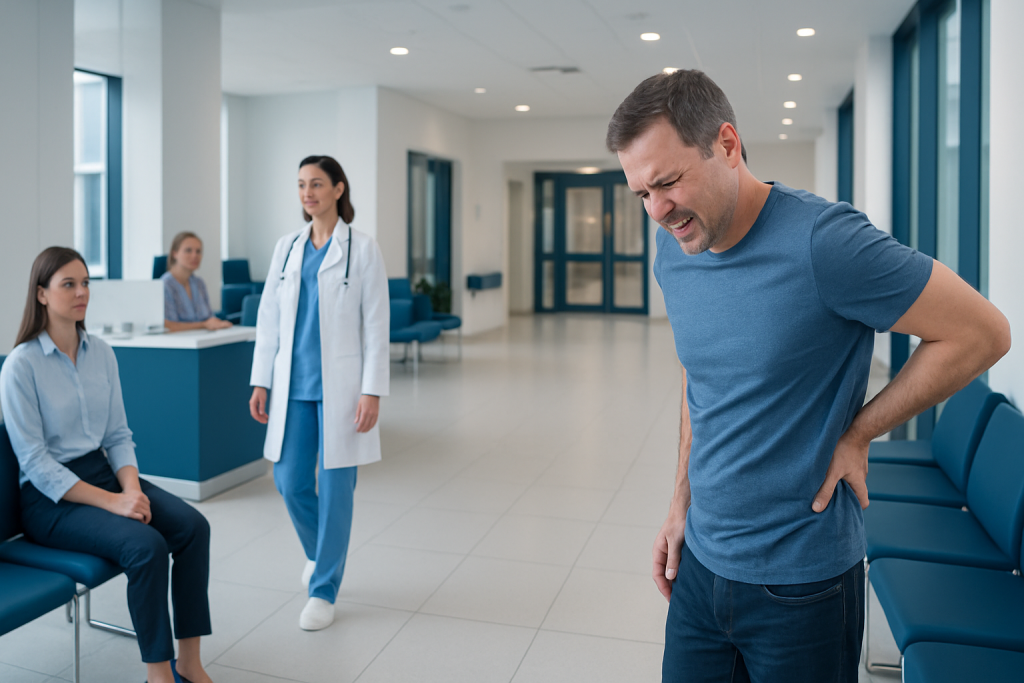
Back pain left side below rib cage usually means pain is being felt in the area just under the lower ribs on the left side of the back or flank. The pain may feel sharp, dull, tight, burning, or cramp-like, and it may stay in one spot or spread toward the front of the chest, abdomen, or shoulder blade.
The first question is not simply where the pain is, but what kind of tissue is likely involved. In many people, the cause is musculoskeletal, such as a strained muscle, irritated rib joint, or spinal issue. In others, the pain is referred from organs in the chest or abdomen, which is why the full symptom pattern matters.
For someone deciding whether to seek care from another country or locally, the practical goal is the same: identify whether the pain is likely routine and self-limited or whether it needs timely medical assessment. The safest approach is to pay attention to accompanying symptoms, how the pain started, and whether it is improving or changing.
Symptoms and pain patterns to notice

The way the pain behaves often offers the best clue. Muscle-related pain commonly worsens with twisting, bending, lifting, deep breathing, coughing, or pressing on the area. Rib or intercostal strain may be especially noticeable after exercise, heavy travel bags, sudden movement, or prolonged poor posture.
Pain from the kidney or urinary tract may be felt more in the flank and can come with fever, nausea, painful urination, or changes in urine. Pain that is linked to the stomach, bowel, or pancreas may be accompanied by bloating, vomiting, food-related worsening, or abdominal discomfort. If the pain is related to the lung or lining of the lung, breathing may make it sharper.
Useful details to notice include:
- Whether the pain started suddenly or slowly
- Whether movement, breathing, or meals change it
- Whether there was a fall, workout, cough, or long trip
- Whether there are symptoms such as fever, rash, nausea, or urinary changes
- Whether the pain stays local or spreads to the chest, abdomen, or arm
These details help a clinician narrow the possible cause much faster and decide what tests, if any, are useful.
Common causes and risk factors
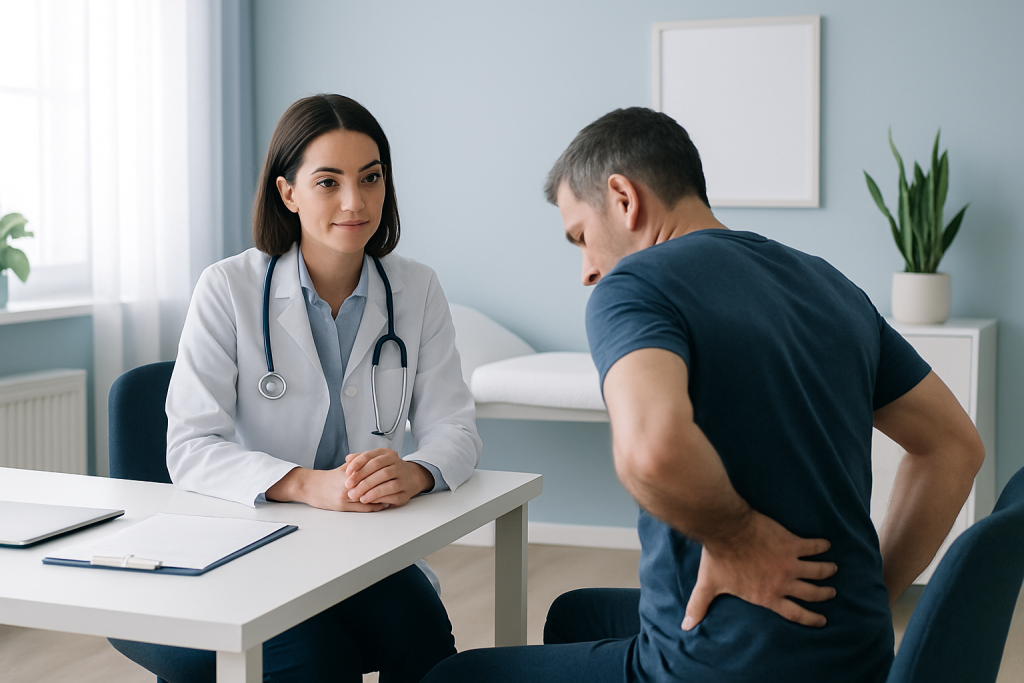
The most frequent explanations are mechanical. A strained back muscle, irritated ligament, or inflamed rib joint can all cause pain below the left rib cage. Poor lifting technique, repetitive activity, sleeping in an awkward position, and prolonged sitting are common triggers. Even routine activities such as reaching overhead or carrying luggage can set off pain in this region.
Spine-related problems can also be involved. Facet joint irritation, thoracic disc problems, or postural strain may create discomfort that feels as though it sits under the ribs. Sometimes pain wraps around from the back toward the side or front, which can make the source difficult to identify without an exam.
Other possible causes include:
- Kidney stones or kidney infection
- Shingles, especially if a rash appears later
- Gastric irritation, reflux, or other upper digestive problems
- Inflammation of the lung lining or less commonly a lung infection
- Less common spleen-related problems after injury
Risk is higher after sudden strain, contact sports, a recent viral illness with repeated coughing, pregnancy-related postural changes, long-distance travel, or a history of kidney stones or spine problems. Age and overall health also matter, because certain causes become more likely when there are chronic medical conditions.
How doctors diagnose the cause
Diagnosis begins with a careful history and physical examination. A clinician will ask when the pain began, what makes it better or worse, whether there was trauma, and whether any other symptoms are present. The exam may include checking the ribs, spine, abdominal area, breathing pattern, reflexes, and movement of the torso.
If the pain seems musculoskeletal and there are no red flags, the diagnosis may be clinical, meaning no extensive testing is needed right away. When symptoms suggest another cause, tests can help. Depending on the situation, a doctor may order urine testing, blood work, an ultrasound, X-ray, CT scan, or other imaging to look at the kidneys, ribs, spine, chest, or upper abdomen.
Imaging is not automatically required for every case of back pain. It is most helpful when the pain is severe, persistent, after an injury, or paired with symptoms that point away from a simple strain. A thoughtful step-by-step approach prevents unnecessary testing while still catching important problems early.
Treatment options
Treatment depends on the cause. For uncomplicated muscle or rib strain, the usual plan includes relative rest, gentle movement, heat or cold depending on what feels better, and posture changes. A clinician may also suggest short-term pain relief measures that are appropriate for the person’s medical history.
If the pain comes from another source, treatment is directed at that condition. A kidney infection may require antibiotics, a kidney stone may need pain control and monitoring, and digestive causes may require dietary or medical treatment. Spine-related pain may improve with physical therapy, activity modification, and targeted rehabilitation rather than complete rest.
What usually helps most in everyday life is a balanced plan rather than complete inactivity. Light walking, avoiding heavy lifting for a short period, and returning gradually to normal movement often support recovery better than staying still for long stretches. If pain is severe, repeated, or interfering with sleep, work, or travel plans, medical evaluation is the next sensible step.
Prevention and self-care
Many episodes can be reduced by protecting the back and ribs during routine activities. Good lifting habits, regular movement during long sitting periods, and attention to desk and sleep posture all lower strain on the thoracic and upper lumbar region. For people who travel often, using a supportive bag and avoiding awkward twisting while lifting luggage can make a real difference.
Self-care is most useful when the pain appears mechanical and there are no warning signs. Gentle stretching, short walks, hydration, and heat therapy are reasonable first steps. People who have had similar episodes before may also benefit from core strengthening, mobility work, and a structured exercise plan guided by a physiotherapist or doctor.
Practical prevention habits include:
- Warm up before sports or heavy activity
- Break up long periods of sitting with movement
- Keep objects close to the body when lifting
- Manage coughs promptly and support the area when coughing
- Seek evaluation for recurring flank or rib pain rather than repeatedly guessing the cause
When to see a doctor
Medical review is important if the pain is severe, keeps returning, lasts more than a few days without improvement, or follows an injury. It is also wise to seek care sooner if the pain is paired with fever, shortness of breath, chest pressure, vomiting, fainting, blood in the urine, painful urination, a new rash, or abdominal swelling.
Emergency assessment is appropriate when pain is sudden and intense after trauma, when breathing becomes difficult, or when there are signs of internal bleeding or serious infection. People with kidney disease, pregnancy, immune suppression, or a history of stones or major abdominal conditions should not wait too long to be checked.
For international patients who need clarity before making travel decisions, an in-person assessment can be especially valuable because imaging and laboratory testing may be needed to separate a muscle problem from a kidney, rib, spine, or abdominal cause. Acibadem Health Point’s multidisciplinary specialists and JCI-accredited hospitals diagnose and treat this condition for international patients.
Living with recurrent left-sided back pain
When pain keeps coming back, the most useful strategy is to look for the pattern rather than treating each episode as isolated. Recurrent pain may reflect posture, occupational strain, a recurring kidney issue, a spinal condition, or an overuse problem that has never fully healed. A clinician can help connect those dots and create a plan that fits daily life.
For people managing symptoms while away from home, it helps to keep a brief record of when pain occurs, what it feels like, what triggers it, and which symptoms accompany it. That record can make teleconsultation or an in-person visit more efficient, especially if language barriers or travel schedules make appointments feel compressed.
With the right evaluation, most causes of pain below the left rib cage can be treated effectively, and many improve with simple measures once the source is identified. The key is not to dismiss the pain too quickly, but also not to assume the worst without evidence.
Frequently asked questions
01Is back pain left side below rib cage usually serious?
Often it is not serious and may be caused by a muscle strain, rib irritation, or posture-related tension. However, the same area can also reflect kidney, digestive, lung, or other problems, so other symptoms matter. Pain that is severe, persistent, or linked with fever, breathing trouble, or urinary changes should be evaluated.
02How can someone tell if it is muscle pain or kidney pain?
Muscle pain usually worsens with movement, twisting, pressing on the area, or certain positions. Kidney pain is more likely to be deeper, less tied to movement, and sometimes accompanied by fever, nausea, or changes in urination. An exam and basic tests may be needed if the cause is unclear.
03Can poor posture cause pain under the left rib cage?
Yes. Long hours of sitting, slouching, or working in a twisted position can strain the muscles and joints around the ribs and upper back. Improving posture and taking movement breaks may help if the pain is mechanical.
04When should imaging be done for this kind of pain?
Imaging is usually considered when there is trauma, very severe pain, persistent symptoms, or signs that suggest an organ-related cause. Many uncomplicated muscle strains do not need immediate imaging. A clinician decides what test is most useful based on the exam and symptoms.
05What can be done at home for mild pain?
Resting the area from heavy strain, using gentle movement, and applying heat or cold may help. Some people also benefit from better sleep positioning and avoiding repeated twisting. If the pain does not improve or keeps returning, a doctor should assess it.
06Could left-sided pain below the ribs be related to the stomach or spleen?
Yes, pain in that area can sometimes come from the upper digestive tract or, less commonly, the spleen. Digestive causes are often accompanied by nausea, bloating, or meal-related symptoms, while spleen-related problems are more concerning after an injury. Both deserve medical attention if the pattern is unusual or worsening.
This article is for general information only and is not a substitute for professional medical advice. Please consult a qualified doctor about your individual situation.
Persistent digestive symptoms? Get evaluated in Turkey
JCI-accredited · board-certified surgeons · reply within 24h
Add us as a Preferred Source to see more of our trusted health content across Google Search, AI Overviews and Discover.