Back Heels Pain: Possible Causes and When to Seek Care
Back heels pain usually comes from structures behind the heel bone, especially the Achilles tendon, nearby bursae, or irritation where the tendon attaches to bone. Many cases improve with activity changes, supportive footwear, and medical guidance, but persistent, severe, or sudden pain should be assessed by a doctor.
Overview: what back heels pain usually means
Back heels pain refers to discomfort at the rear part of the heel, where the Achilles tendon attaches to the heel bone and where small cushioning sacs called bursae sit between tissues. In many people, this symptom is linked to overuse, footwear pressure, or irritation of the tendon and surrounding structures rather than a serious emergency.
The exact location of pain matters. Some people feel soreness directly above the heel bone along the Achilles tendon, while others notice a tender bump at the back of the heel or pain that flares when shoes rub against the area. This pattern can help doctors tell whether the problem is more likely to be tendon-related, bursal inflammation, or a bony prominence.
Back heels pain may affect athletes, active adults, and people who spend long hours standing, but it can also occur in less active individuals. A careful assessment is useful because treatment depends on the cause. Conditions such as Achilles tendonitis and heel bursitis can feel similar at first, yet they may need different combinations of rest, footwear changes, exercises, and other therapies.
Common symptoms and how they can differ
Symptoms of back heels pain can range from mild stiffness to sharp pain that interferes with walking. Many people describe tenderness at the back of the heel, discomfort when climbing stairs, or pain during the first steps after rest. Morning stiffness is especially common when the Achilles tendon is irritated.
If the Achilles tendon is the main source, pain may be felt a few centimeters above the heel bone or at the tendon’s insertion point. The area may feel thickened, tight, or sore during running, jumping, or after activity. In some cases, the tendon can become swollen and sensitive to touch.
If bursitis is present, the pain is often more localized over the back of the heel, especially where shoes press. The skin may look red or irritated, and a soft swelling may develop. A bony prominence, sometimes called a “pump bump,” can make symptoms worse because it increases friction between the heel and the shoe.
- Pain at the back of the heel during walking or exercise
- Morning stiffness or tightness in the calf and Achilles area
- Tenderness, swelling, or warmth near the tendon or heel bone
- Pain made worse by shoes with a rigid heel counter
- Difficulty pushing off the foot, climbing stairs, or running
Possible causes of pain in the back of the heel

One of the most common causes of back heels pain is Achilles tendinopathy, a broad term for irritation or degeneration of the Achilles tendon. This often develops gradually from repeated stress, particularly after a sudden increase in running, walking hills, jumping, or other high-impact activity. Tight calf muscles and limited ankle flexibility can add more strain to the tendon over time.
Another frequent cause is retrocalcaneal bursitis or superficial calcaneal bursitis. These bursae are small fluid-filled sacs that reduce friction. When they become inflamed, pain is usually felt near the back of the heel bone and may worsen with shoe rubbing or repetitive movement. Bursitis can occur alone or alongside Achilles tendon problems.
Some people have a bony enlargement at the back of the heel, commonly associated with insertional Achilles irritation. This can contribute to chronic friction and discomfort. Less common causes include an Achilles tendon tear, inflammatory arthritis, infection, nerve-related pain, or referred pain from nearby joints. A doctor may also consider heel spur-related irritation when symptoms involve bony changes around the heel, although classic heel spur pain more often affects the bottom rather than the back of the heel.
Doctors also look at the pattern of onset. Gradual pain points more toward overuse or mechanical irritation, while sudden pain after a forceful push-off may suggest a partial or complete tendon injury. This distinction is important because an acute rupture needs prompt medical evaluation.
Risk factors that can make back heels pain more likely
Back heels pain is more likely when the tendon and surrounding tissues are repeatedly overloaded without enough recovery. A quick increase in training intensity, changing to hill running, starting a new sport, or returning to exercise after a break can all trigger symptoms. Standing for long periods on hard surfaces may also contribute.
Footwear plays a major role. Shoes with stiff or poorly fitting heel counters can rub against the back of the heel and aggravate bursitis or a bony prominence. On the other hand, very unsupportive shoes may increase tendon strain in some people. Worn-out athletic shoes can also reduce shock absorption and support.
Body mechanics matter as well. Tight calf muscles, reduced ankle mobility, flat feet or high arches, and differences in walking or running form may place extra stress on the posterior heel. Age-related tendon changes, excess body weight, inflammatory joint disease, and prior tendon injury can further increase risk.
- Sudden increase in exercise volume or intensity
- Running, jumping, or uphill training
- Tight calves or reduced ankle flexibility
- Poorly fitting shoes or heel friction
- Previous Achilles injury or inflammatory conditions
How doctors diagnose the cause
Diagnosis starts with a medical history and physical examination. A doctor will ask where the pain is felt, when it began, what activities make it worse, and whether there was a sudden injury. They will usually examine the tendon, heel bone, ankle range of motion, calf tightness, swelling, and the way the person walks.
The physical examination often gives strong clues. Tenderness along the tendon may suggest Achilles tendinopathy, while pain that is more localized between the tendon and heel bone may suggest retrocalcaneal bursitis. A visible bump at the back of the heel may point to mechanical irritation from bony prominence and shoe pressure.
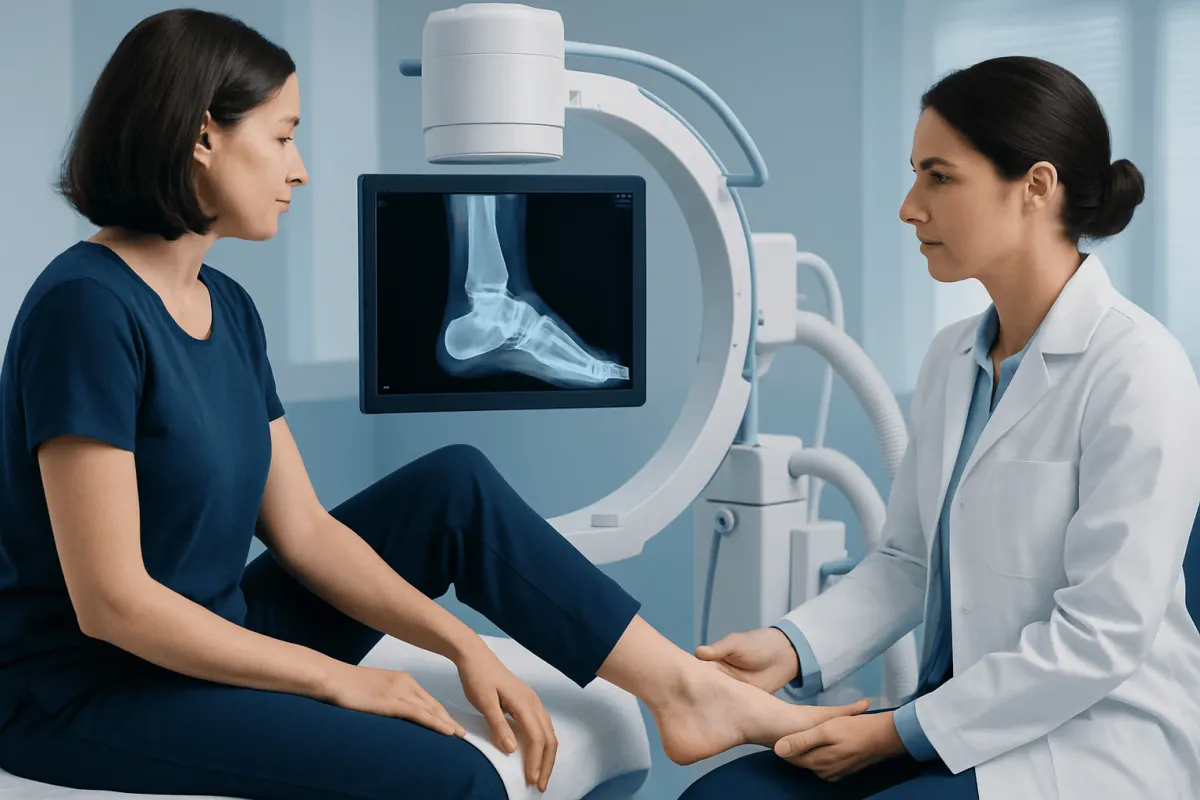
Imaging is sometimes helpful, especially if symptoms do not improve, the diagnosis is uncertain, or a tear is suspected. X-rays can show bone shape and calcification. Ultrasound can assess tendon thickening, inflammation, and tears. MRI may be used when more detail is needed about the tendon, bursae, or surrounding soft tissues. In some cases, care may involve orthopedic evaluation and, when appropriate, MRI imaging to clarify the source of symptoms.
Treatment options for back heels pain
Treatment depends on the cause, severity, and duration of symptoms. Many cases improve with conservative care. This often begins with reducing or temporarily stopping activities that trigger pain, especially running, jumping, or uphill walking. A doctor may also recommend switching to lower-impact exercise while the heel settles.
Footwear adjustments are often important. Shoes with a softer heel counter, a slightly open back, or better overall support can reduce pressure and friction. Some people benefit from heel lifts or orthotic support if these are recommended after an assessment. Ice after activity may help with discomfort and swelling.
Targeted rehabilitation is a key part of recovery, particularly for Achilles-related pain. A clinician or physiotherapist may prescribe stretching, calf strengthening, and loading exercises tailored to whether the pain is in the mid-portion of the tendon or at its insertion. Rehabilitation should be progressed gradually, because doing too much too soon can worsen symptoms. In some cases, broader physical therapy and rehabilitation is advised to improve flexibility, strength, and movement patterns.
If symptoms persist despite conservative measures, additional options may be considered based on the diagnosis. These can include more structured immobilization, treatment of underlying inflammatory disease, or specialist procedures for selected cases. Surgery is usually reserved for ongoing pain linked to tendon damage, chronic bursitis, or a prominent heel bone when non-surgical treatment has not helped. Patients with severe or complex posterior heel problems may be assessed through orthopedic surgery services when appropriate.
Self-care and prevention
Self-care focuses on reducing strain on the back of the heel while supporting gradual healing. Relative rest is often more helpful than complete inactivity. This means avoiding the movements that provoke pain while maintaining general activity through alternatives such as cycling, swimming, or other low-impact exercise if these are comfortable.
Simple prevention steps can make a meaningful difference. Warm-up before sports, increase training gradually, and replace worn shoes on time. People who notice heel rubbing should look for footwear with a softer or better-shaped heel area. Stretching and strengthening the calf muscles may lower strain on the Achilles tendon when done correctly and consistently.
It is also helpful to pay attention to early warning signs. Mild stiffness or tenderness after exercise can be a signal to reduce intensity and recover before symptoms become persistent. If pain keeps returning, a medical assessment can identify whether tendon loading, foot structure, or another issue needs to be addressed.
- Reduce aggravating activity for a short period
- Use supportive, well-fitting shoes
- Apply ice after activity if recommended by a clinician
- Resume exercise gradually rather than pushing through pain
- Seek guidance on stretching and strengthening if symptoms recur
When to seek medical care
Medical care is recommended if back heels pain lasts more than a few days despite rest and shoe changes, keeps coming back, or starts to limit walking, work, or exercise. Ongoing symptoms deserve evaluation because treatment works best when the exact cause is identified early rather than after months of irritation.
Prompt assessment is especially important if there was a sudden sharp pain, a popping sensation, rapid swelling, bruising, or difficulty standing on tiptoe or pushing off the foot. These features can suggest a significant Achilles tendon injury. Fever, spreading redness, drainage, or severe warmth around the heel should also be checked urgently because they can point to infection or another acute condition.
People with diabetes, inflammatory arthritis, poor circulation, or immune system problems should seek earlier review for heel pain because healing can be more complicated. Near the end of the care pathway, some patients may benefit from assessment at centers such as Acıbadem Health Point, where multidisciplinary specialists in JCI-accredited hospitals diagnose and treat musculoskeletal conditions for international patients.
Frequently asked questions
01What is the most common cause of back heels pain?
A common cause is irritation of the Achilles tendon, often called Achilles tendinopathy. Bursitis and friction from a bony prominence at the back of the heel are also frequent causes.
02Can shoes cause pain in the back of the heel?
Yes. Shoes with a stiff or poorly fitting heel counter can rub the back of the heel and aggravate bursitis or tendon irritation. Switching to more supportive, better-fitting footwear often helps reduce symptoms.
03How do I know if back heels pain is serious?
Pain is more concerning if it starts suddenly after a push-off or jump, is accompanied by a pop, or makes it hard to walk or stand on tiptoe. Redness, marked swelling, fever, or drainage also need prompt medical attention.
04Should I keep exercising if I have back heels pain?
It is usually best to avoid activities that clearly worsen the pain, especially running and jumping, until the area has been assessed or starts improving. Lower-impact exercise may still be possible, but it should not increase symptoms.
05What tests are used for back heels pain?
Doctors often diagnose the problem through a history and physical examination. If needed, imaging such as X-ray, ultrasound, or MRI may be used to look for tendon changes, bursitis, bony irritation, or a tear.
06How long does back heels pain take to improve?
<a href="https://www.acibademhealthpoint.com/blog/how-long-is-neck-surgery-recovery-time/" title="How Long Is Neck Surgery Recovery Time?" class="ahp-ilk">Recovery time depends on the cause and how long the problem has been present. Mild irritation may settle within weeks, while chronic tendon problems can take longer and usually improve best with structured rehabilitation and activity changes.
This article is for general information only and is not a substitute for professional medical advice. Please consult a qualified doctor about your individual situation.
Joint and spine care in Turkey — expert assessment & treatment
JCI-accredited · board-certified surgeons · reply within 24h
Add us as a Preferred Source to see more of our trusted health content across Google Search, AI Overviews and Discover.