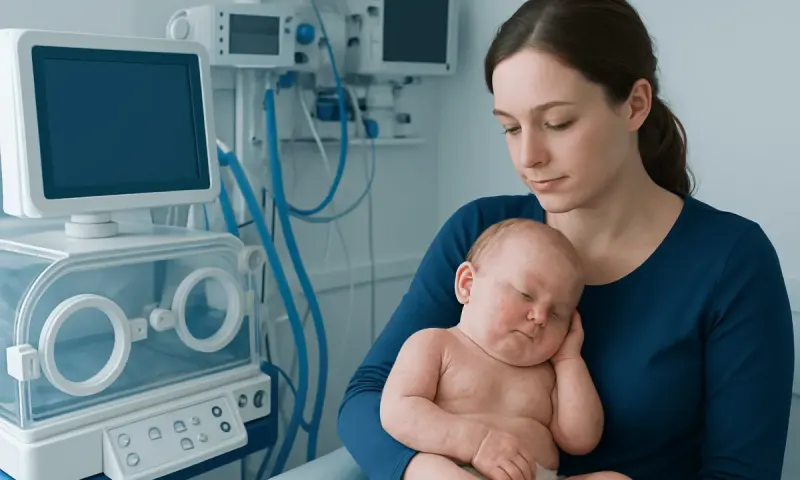
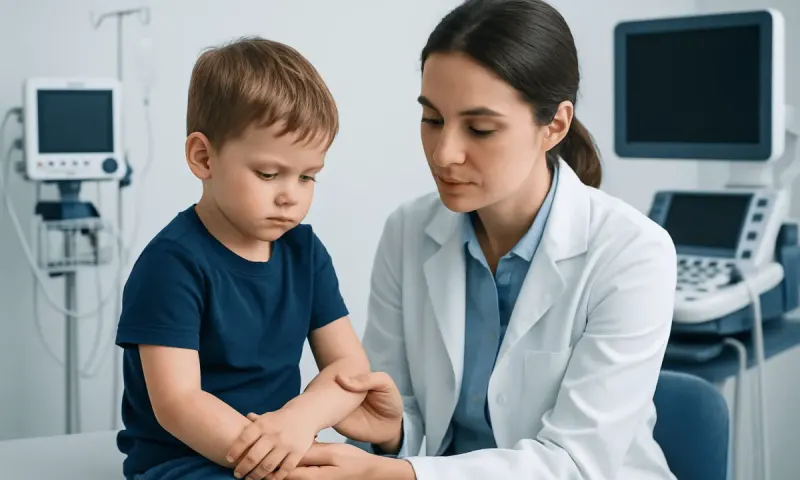
Baby Eczema: Symptoms, Causes and Treatment

Key Takeaways
- Baby eczema often appears as dry, red, itchy patches on the face, scalp, or body.
- It can be influenced by genetics, skin barrier weakness, irritants, and sometimes allergies.
- Diagnosis is usually based on the skin appearance and a careful medical history.
- Treatment focuses on moisturizing, avoiding triggers, and using doctor-recommended medicines when needed.
- Most babies improve with consistent skin care, but persistent or infected rashes need medical review.
Baby eczema is a common skin condition that can make an infant’s skin dry, itchy, and easily irritated. With gentle daily care and the right medical guidance, most babies can find good relief and have fewer flare-ups.
Overview
Baby eczema, also called infant eczema or atopic dermatitis, is a common inflammatory skin condition in early childhood. It usually shows up as dry, sensitive, itchy skin that can become red or rough in patches. For many families, the first clues are not dramatic; they are subtle changes such as a baby rubbing the face more often, scratching behind the knees, or becoming unsettled after bathing.
This condition is not caused by poor hygiene, and it is not contagious. In many babies, the skin barrier does not hold moisture as well as it should, which makes the skin more reactive to everyday irritants such as saliva, harsh soaps, sweat, or rough fabrics. The good news is that baby eczema is often manageable when skin care is consistent and treatment is tailored to the child’s needs.
Parents who are caring for an infant at home or traveling for specialist review often benefit from a simple plan: recognize the pattern, protect the skin barrier, and know when the rash needs medical attention. That practical approach helps families make decisions calmly, especially when they are far from their usual pediatric care team.
Symptoms
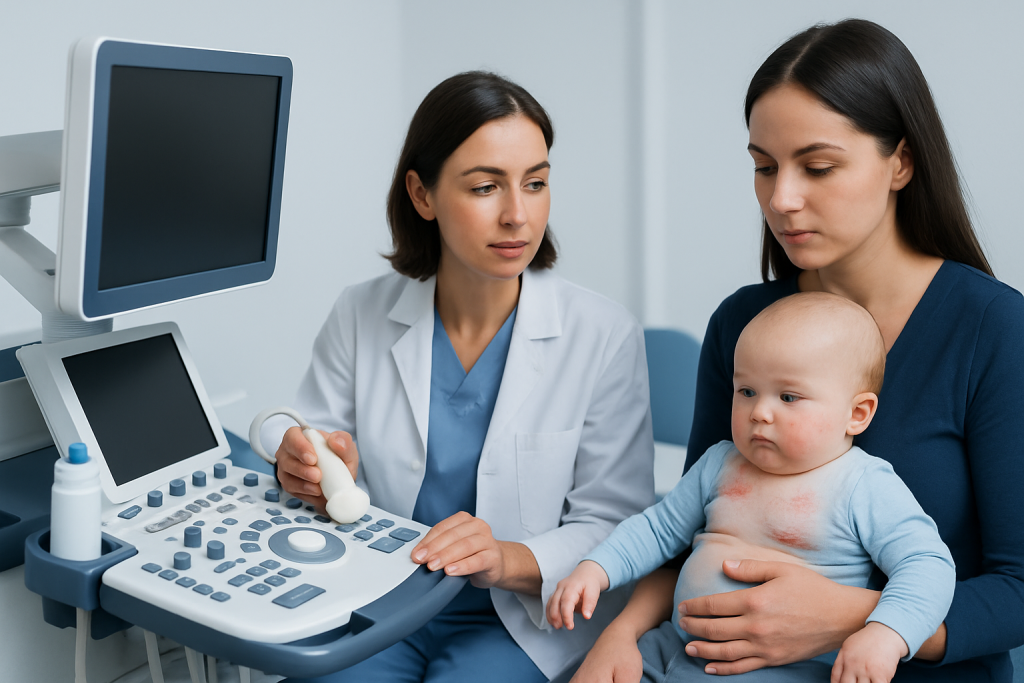
Baby eczema can look different from one infant to another, but the hallmark is irritated, dry skin that may flare and settle over time. In younger babies, the cheeks, forehead, scalp, and extensor surfaces such as the arms or legs are often affected. As children grow, eczema may shift toward the elbows, knees, wrists, or ankles.
Common signs include:
- Dry, rough, or scaly skin
- Red, pink, or darker patches depending on skin tone
- Itching, rubbing, or fussiness that may worsen at night
- Small bumps, oozing, or crusting during flares
- Thickened skin if the rash is long-lasting or frequently scratched
Some babies also develop irritated skin around the mouth, neck folds, or diaper edge because those areas are exposed to moisture and friction. Symptoms can come and go, and flare-ups may follow illness, heat, dry weather, drooling, or contact with a new product. If the skin becomes painful, develops yellow crusts, or the baby seems unwell, a doctor should evaluate the rash promptly.
Causes & Risk Factors

Baby eczema develops when the skin barrier does not function optimally and the immune system responds too strongly to common triggers. Genetics often play a role. Babies with a family history of eczema, asthma, or seasonal allergies are more likely to develop it, although many affected children do not have a clear family pattern.
Several factors can worsen or trigger flares. These may include dry indoor air, frequent bathing with harsh cleansers, fragranced lotions, wool or scratchy fabrics, heat and sweating, drool, and repeated wiping. Some babies also react to environmental irritants such as dust or certain laundry products. Food allergy is sometimes discussed in families, but not every baby with eczema has a food-related trigger, and food should not be removed without medical advice.
Because infants have delicate skin, a trigger that seems small to an adult can be enough to disturb the skin barrier. That is why the home environment matters: gentle washing, mild detergents, and an uncomplicated skincare routine can make a meaningful difference over time.
Diagnosis
Diagnosis is usually clinical, meaning a pediatrician or dermatologist identifies baby eczema by looking at the rash and asking about symptoms, family history, and possible triggers. There is no single blood test that confirms routine eczema in a baby. The doctor may ask when the rash started, which body areas are affected, and whether itching, sleep disruption, or flare patterns are present.
During the examination, the clinician also considers other conditions that can resemble eczema, such as seborrheic dermatitis, contact irritation, fungal infections, or scabies. If the rash is atypical, very persistent, or not responding as expected, additional testing may be suggested. In some cases, allergy evaluation is considered, but this is done selectively rather than for every infant.
For international families seeking care abroad, bringing photos of the rash during flare-ups can be useful, especially if the skin looked worse at home and improved by the time of the appointment. A clear timeline of products used, bathing routines, and any recent changes helps the doctor make a more accurate assessment.
Treatment Options
Treatment for baby eczema usually starts with repairing the skin barrier. Thick, fragrance-free moisturizers are a cornerstone of care because they help seal in hydration and reduce dryness. They are often applied regularly, not only during a flare. Many families find that the simplest routine works best: short lukewarm baths, gentle cleansing, and moisturizing soon after bathing.
When inflammation is more active, a doctor may recommend a topical anti-inflammatory medicine, often a steroid cream suited to the baby’s age and the location of the rash. These medicines are used carefully and under medical guidance. In some situations, non-steroid prescription options may be appropriate, particularly for sensitive areas or recurrent disease.
Treatment may also include practical steps such as:
- Choosing soft, breathable clothing
- Using fragrance-free laundry products
- Reducing overheating and sweat buildup
- Managing drool and saliva with gentle patting rather than rubbing
- Keeping nails short to limit skin damage from scratching
If the skin becomes infected, a doctor may prescribe treatment for that complication. Families should avoid using over-the-counter products without checking labels carefully, because some ingredients can sting or further irritate infant skin. A pediatrician or dermatologist can help build a safe, age-appropriate plan that fits the baby’s needs and the family’s routine.
Prevention & Self-care
Baby eczema cannot always be prevented, especially when there is a strong genetic tendency, but flares can often be reduced. The most helpful self-care usually involves consistency rather than complicated products. Gentle, repeated skin care supports the skin barrier and makes the skin less reactive over time.
A few habits are often recommended: bathe briefly in lukewarm water, use mild unscented cleansers only where needed, pat the skin dry, and apply moisturizer promptly. It can also help to test one new product at a time so parents can identify anything that seems to aggravate the skin. If the baby is drooling heavily or teething, frequent soft drying of the chin and neck may prevent extra irritation.
Parents caring for a baby during travel should pack the usual moisturizer, any prescribed treatments, and a familiar detergent or cleanser if possible. A regular routine can be especially reassuring when sleeping in a different climate or time zone. For families who are arranging specialist review abroad, it is helpful to bring product lists, photos of flare-ups, and prior medical notes so the visit starts with a complete picture.
When to See a Doctor
A doctor should evaluate a baby if the rash is widespread, very itchy, interfering with sleep, or not improving with basic skin care. Medical review is also important if the diagnosis is uncertain, because several skin conditions in infancy can look similar at first glance. Early guidance often prevents unnecessary trial-and-error with products that may irritate the skin further.
Seek prompt care if the skin looks infected, such as when there is yellow crusting, increasing warmth, swelling, pus, or the baby seems feverish or unusually uncomfortable. A doctor should also be contacted if the baby is not feeding well, appears dehydrated, or develops rapid spreading redness. These signs do not automatically mean something serious, but they do deserve timely assessment.
Families who are considering evaluation outside their home country may want a specialist opinion from a pediatrician or dermatologist experienced in infant skin disease. Acibadem Health Point’s multidisciplinary specialists and JCI-accredited hospitals diagnose and treat this condition for international patients, helping families coordinate care with clarity and continuity. Even so, the guiding principle remains the same: if the skin changes are persistent or concerning, a qualified doctor should examine the baby.
Living With Baby Eczema
Living with baby eczema is often about learning the baby’s personal pattern. Some infants flare mainly in dry weather, others after saliva or frequent wiping, and some improve as they grow and their skin barrier matures. Keeping a simple diary of bathing habits, products, foods already approved by the pediatrician, and flare timing can reveal useful patterns without making the routine feel burdensome.
It also helps to set realistic expectations. Eczema care is usually not about finding one perfect product; it is about combining a few reliable habits and adjusting them when the skin changes. When parents and clinicians work together, most babies can be kept comfortable, and many families find the condition becomes easier to manage with time.
If care is being coordinated across borders, continuity matters: bring the same moisturizer, share photos during follow-up, and keep written instructions from the doctor. Those small steps make it easier to maintain treatment consistently, whether the family is at home or recovering after a visit abroad.
Frequently asked questions
01Is baby eczema the same as a rash from allergies?
Not always. Baby eczema is a skin barrier and inflammation problem, while some rashes are caused by contact irritation or an allergy. A doctor can help tell the difference, especially if the rash keeps returning or appears after a new food or product.
02Can bathing make baby eczema worse?
Bathing itself is not the enemy; the way it is done matters. Short lukewarm baths with gentle cleansing, followed by immediate moisturizing, are often part of good eczema care. Long hot baths or fragranced soaps can dry and irritate the skin.
03What moisturizer is best for a baby with eczema?
In general, thick fragrance-free emollients or ointments are preferred because they help protect the skin barrier. The best choice is one the baby tolerates well and the family can use consistently. A pediatrician or dermatologist can advise if the skin is very sensitive.
04Does baby eczema mean the child will have eczema forever?
Not necessarily. Some children improve significantly as they get older, while others continue to have eczema into later childhood or adulthood. Early, consistent skin care can help reduce flares and improve comfort over time.
05Can food cause baby eczema?
Food can trigger symptoms in some children, but it is not the main cause for most babies with eczema. Families should not remove foods on their own without medical guidance, because unnecessary restriction can create nutritional problems. If food seems to affect the rash, a doctor can decide whether evaluation is appropriate.
06When should parents worry about an infected eczema rash?
A rash that develops yellow crusts, pus, increasing redness, swelling, or pain may be infected. Fever or a baby who seems unusually unwell also deserves medical attention. Prompt assessment helps the doctor decide whether treatment is needed.
This article is for general information only and is not a substitute for professional medical advice. Please consult a qualified doctor about your individual situation.
Hair transplant in Turkey — costs, graft counts & a free assessment
JCI-accredited · board-certified surgeons · reply within 24h
Add us as a Preferred Source to see more of our trusted health content across Google Search, AI Overviews and Discover.